Buenavista del Norte
Крайний северо-запад, ворота массива Тено, с полем для гольфа Севе Бальестероса и впечатляющими пейзажами.
История
На крайнем северо-западе Тенерифе, там, где остров выходит к Атлантике под стеной массива Тено, раскинулся Буэнависта-дель-Норте. Задолго до кастильского завоевания эти земли были населены гуанчами и входили в менсеято Daute, самое западное из девяти аборигенных царств, на которые делился остров, охватывавшее весь массив Тено и Isla Baja. Менсей Daute располагал сезонными резиденциями в этой зоне — пещерой Asena на побережье и пещерой Los Santos в Bujamé, — и территория хранит ценное археологическое наследие: комплексы Las Arenas и La Fuente, пещеру Las Estacas, раковинные кучи Teno Bajo и некрополи в Teno Alto, El Carrizal и вдоль прибрежной полосы. После высадки Алонсо Фернандеса де Луго Daute сопротивлялось вторжению вплоть до капитуляции менсеев в 1496 году, в эпизоде, известном как Мир Los Realejos.
После завершения завоевания раздел плодородных земель Isla Baja положил начало поселению Буэнависта, чьё официальное основание датируется 11 марта 1498 года. Селение сложилось вокруг часовни — зародыша нынешнего прихода — и стараниями таких поселенцев, как Хуан Méndez «Старший» и Хуан де Меса. Буэнависта — один из немногих муниципалитетов Канарских островов, сохранивших свой Учредительный акт, составленный в 1513 году по просьбе жителей. Прибрежная равнина, образованная вулканическими лавовыми потоками, которые дали начало Isla Baja, оказалась идеальной для земледелия, и муниципалитет процветал, несмотря на невзгоды, такие как нашествие саранчи, которое в XVII веке уничтожило посевы и стало причиной знаменитых молебнов Богоматери Los Remedios.
Монументальное сердце селения — церковь Nuestra Señora de los Remedios, первый камень которой был заложен в 1513 году и которая отслужила свою первую мессу в 1518 году, с расширениями вплоть до конца XVII века и возведением колокольни в 1951 году. Трёхнефная, с полукруглыми арками на колоннах с тосканскими капителями, она хранила богатейшее барочное наследие до тех пор, пока 22 июня 1996 года опустошительный пожар не уничтожил алтари, скульптуру, живопись и церковную утварь, включая статую Богоматери, датируемую 1733 годом. После восьми лет терпеливого восстановления храм вновь открыл свои двери 5 июня 2004 года. Окружающий его исторический центр, объявленный Объектом культурного интереса в категории Исторического ансамбля, сохраняет свою регулярную планировку, широкие улицы и традиционную архитектуру, наряду с часовнями San Sebastián и La Fuente, бывшим францисканским монастырём San Francisco и усадьбами, такими как San Juan de Taco с её часовней 1641 года.
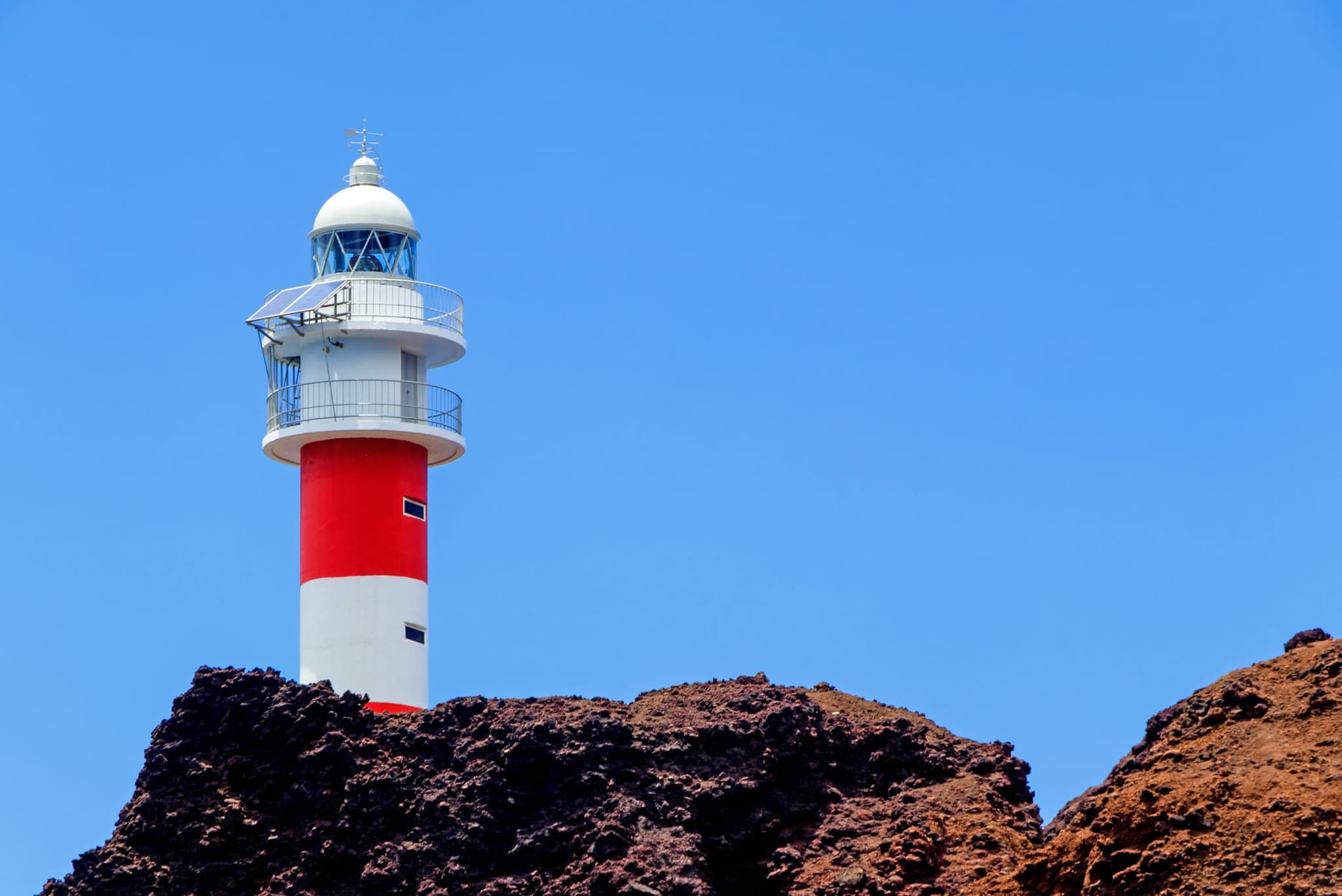
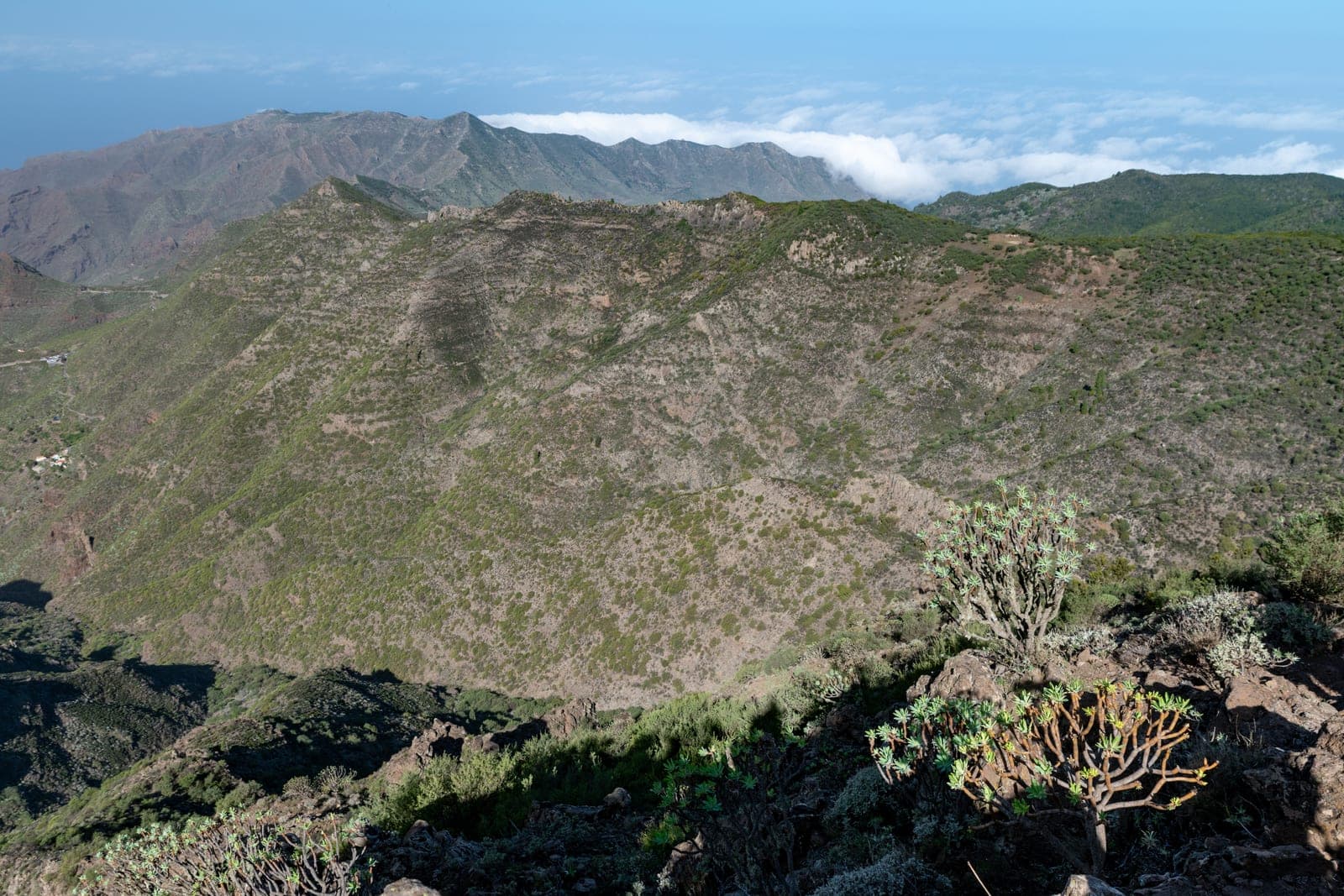
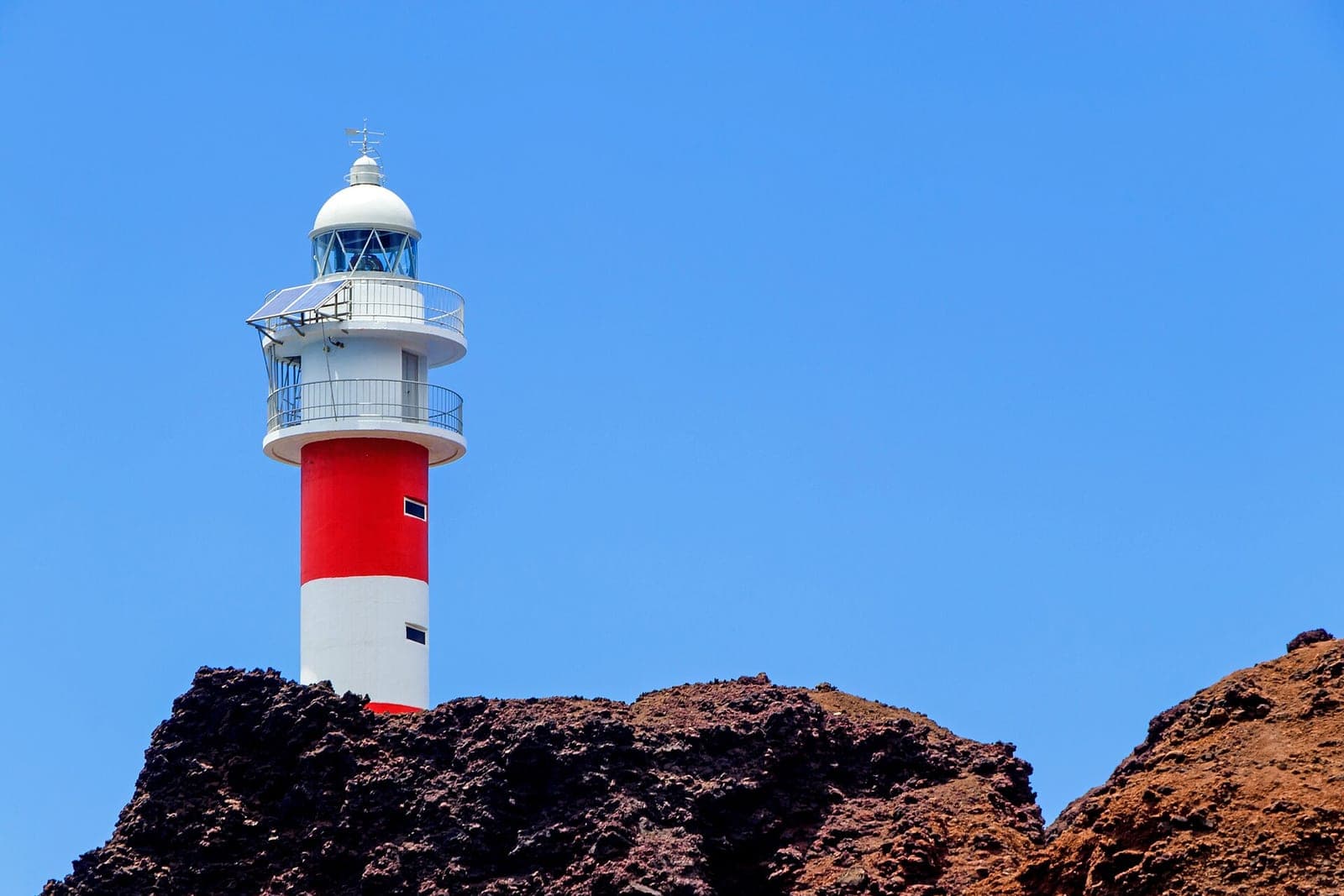
За пределами городского центра муниципалитет делится между Isla Baja, массивом Тено и Teno Bajo. Массив — одно из древнейших геологических образований Тенерифе, возникшее около семи миллионов лет назад, и с 1994 года он охраняется как Сельский парк Тено, который своими 8 063 гектарами (из которых более 5 500 приходятся на Буэнависту) вмещает лавровый лес, отвесные скалы и необычайное биоразнообразие с сотнями эндемиков, некоторые из которых встречаются исключительно в самом массиве. На его оконечности находится Punta de Teno, подлинный островной «край земли», увенчанный маяком, строительство которого, спроектированного Хосе Сансом Солером, велось между 1891 и 1893 годами и который вступил в эксплуатацию в 1897 году; из-за его дикой красоты и труднодоступности въезд на автомобиле сегодня регулируется и осуществляется на автобусе из Буэнависты.
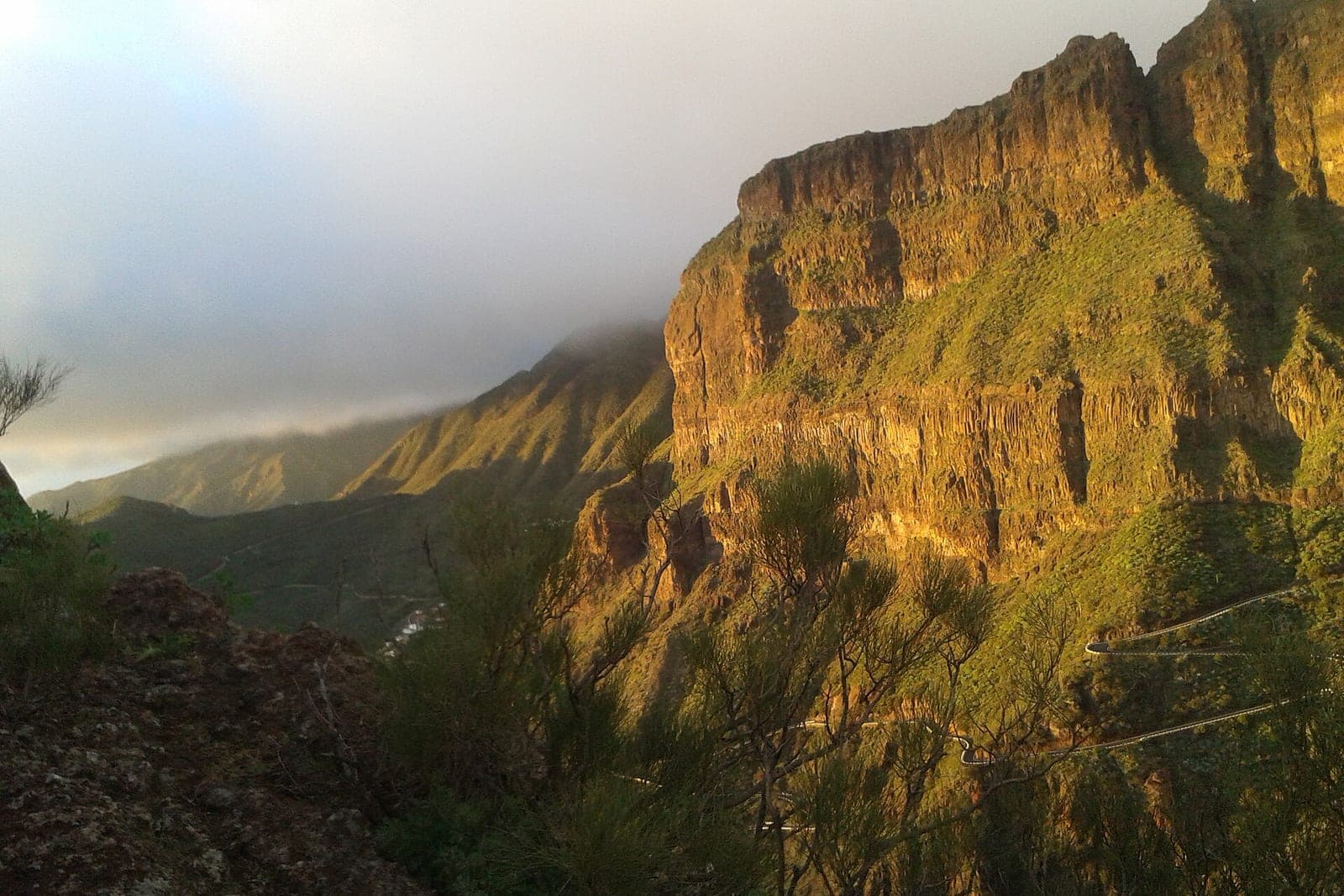
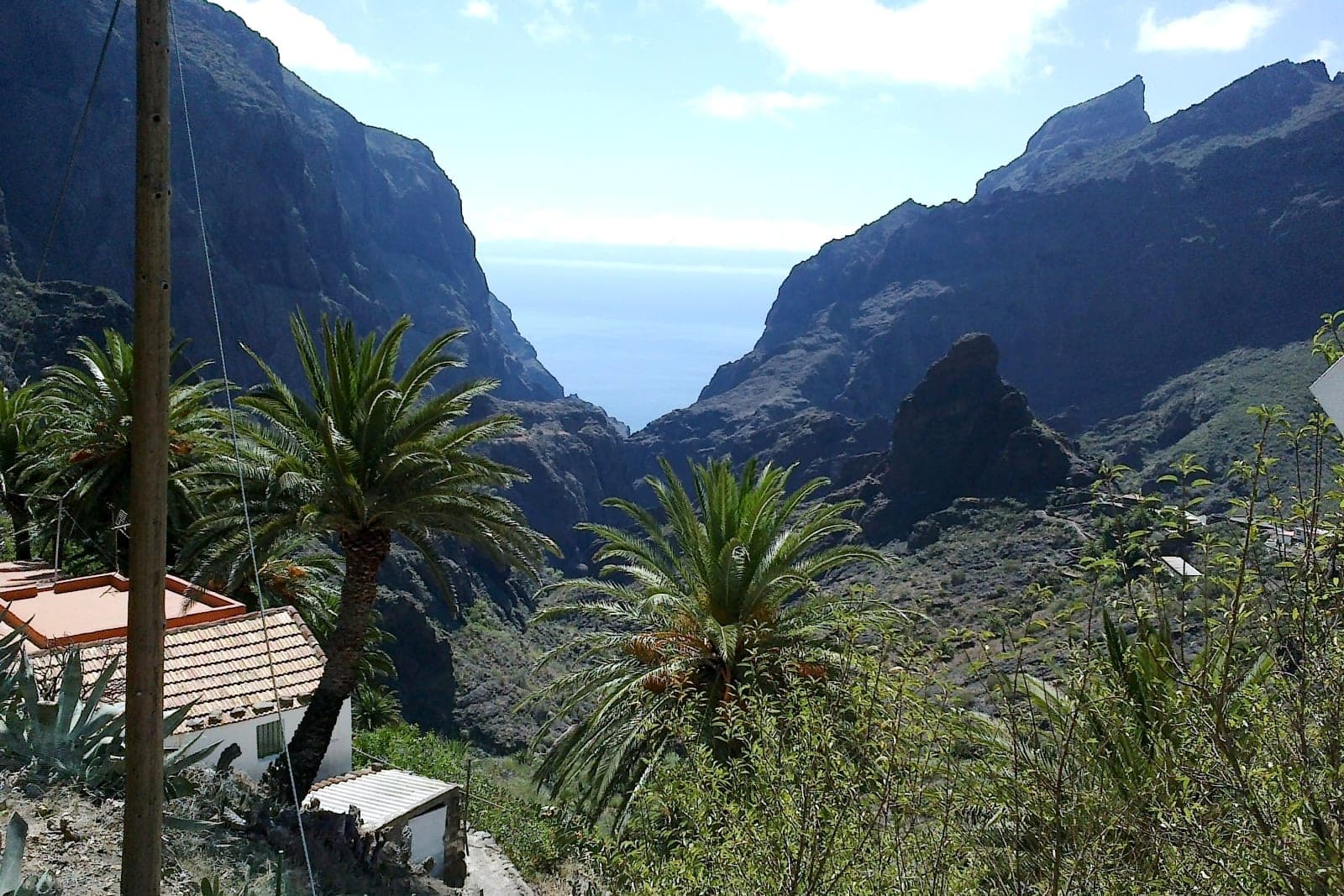
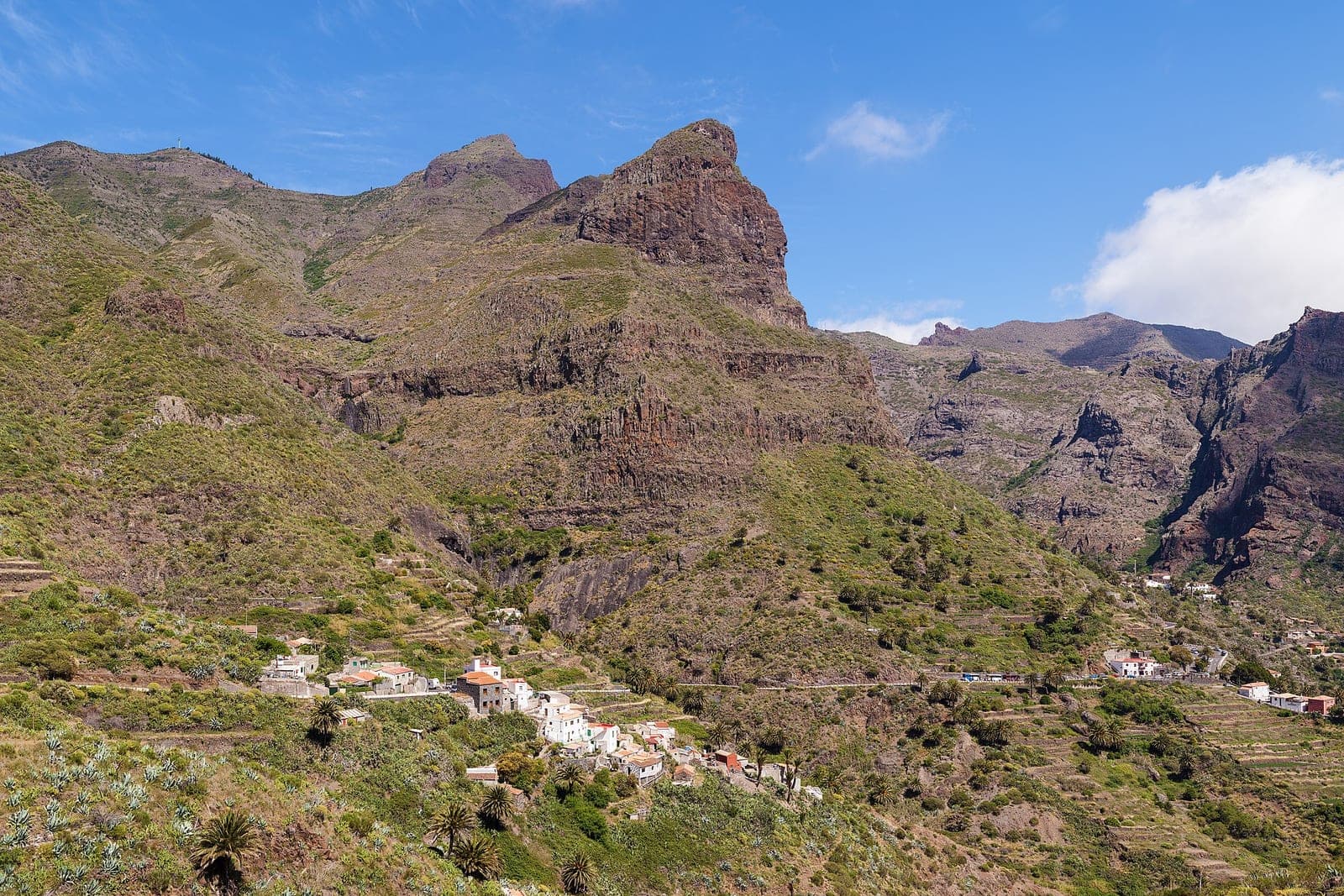
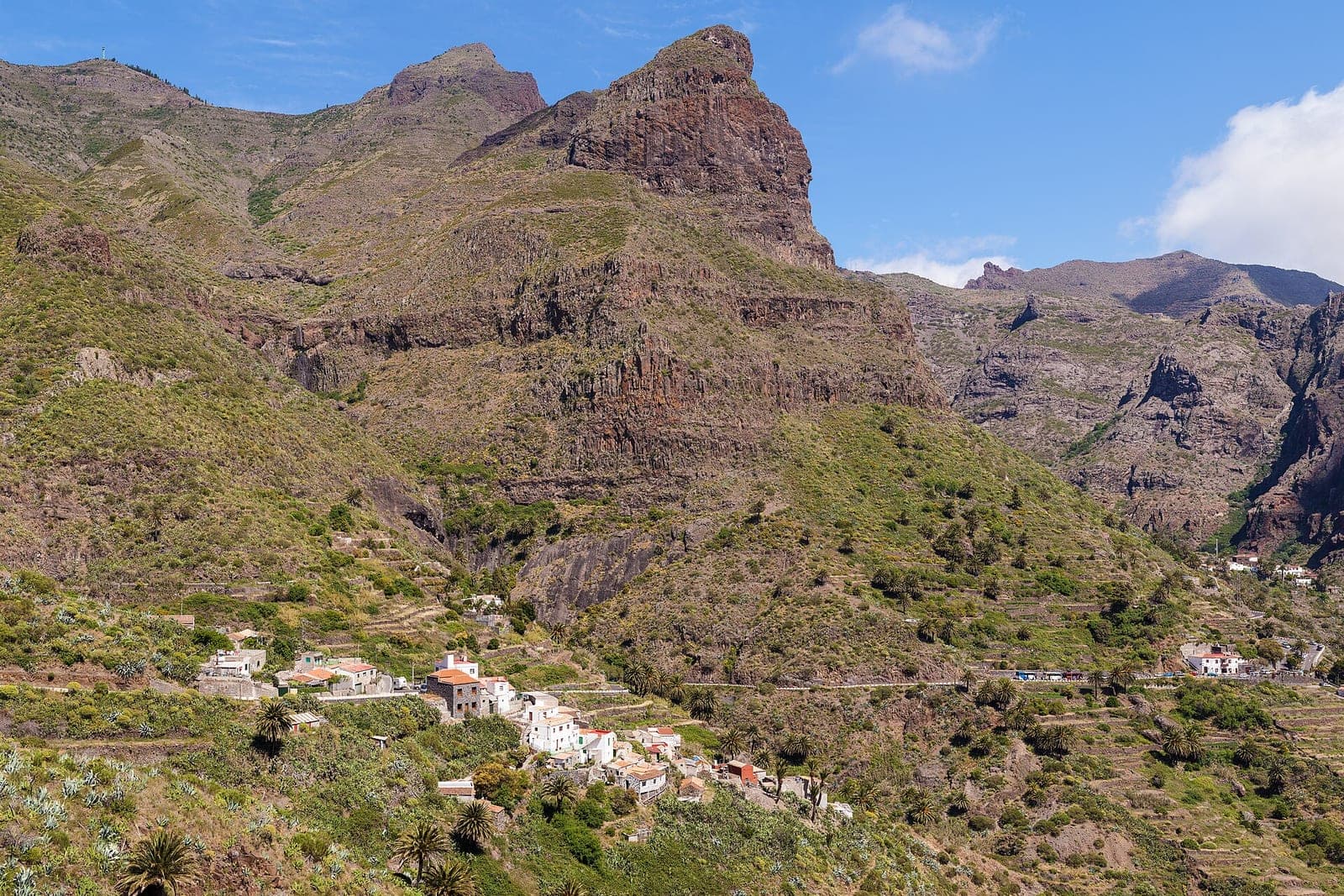
Частью муниципального округа является также знаменитое селение Masca, затерянное в самой глубине массива, в пейзаже головокружительных вершин и ущелий. Гуанчского происхождения — его жители использовали обилие воды для террасного земледелия и разведения коз — Masca представляет собой ансамбль домов из вулканического камня, дерева, глины и тростника, включённый в список Объектов культурного интереса. Его ущелье, спускающееся к морю между отвесными стенами по одному из самых впечатляющих пешеходных маршрутов Канарских островов, стало объектом регулирования доступа ради его сохранения. Традиционная экономика, основанная на земледелии и натуральном скотоводстве, дала жизнь таким поселениям, как El Palmar, Las Portelas, Las Lagunetas, Los Carrizales и Teno Alto.
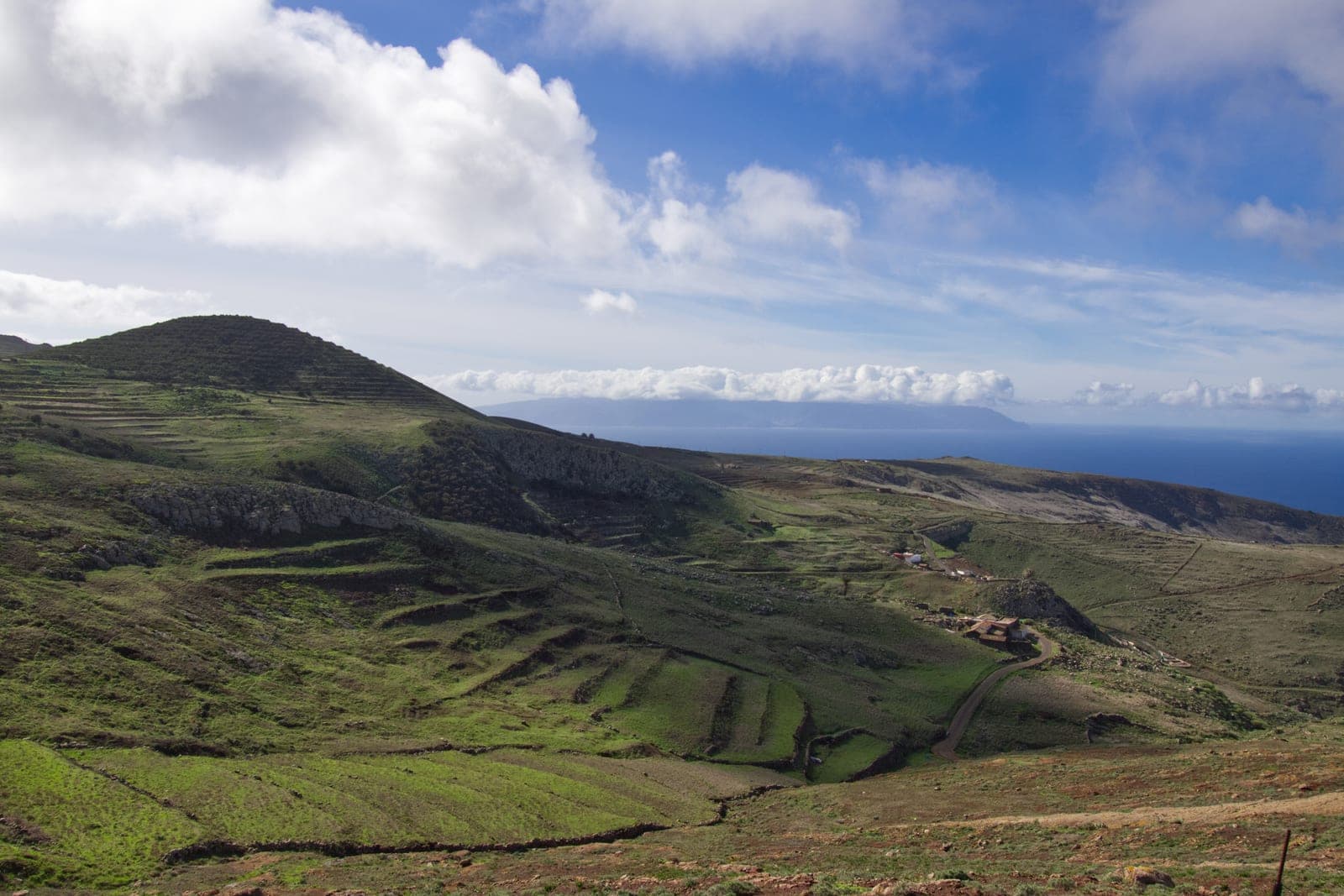
В настоящее время прибрежная полоса Isla Baja покрыта банановыми плантациями, выращиваемыми на вулканических лавах, которые соседствуют с бурно развивающимся сектором услуг, связанным с природным туризмом, пешими прогулками и спортом. Яркий пример этой эволюции — поле Buenavista Golf, открытое в октябре 2003 года и ставшее последним проектом легендарного гольфиста Северино Бальестероса, par 72 на 18 лунок, обрамлённое Атлантикой и массивом Тено, несколько гринов которого выходят к утёсам, где разбиваются волны. В 1948 году муниципалитет получил титул «Весьма достопочтенный город» и принял герб, который обобщает его идентичность: синева моря и неба, маяк Тено, зелень плодородия и саранча, напоминающая о чуде Богоматери Los Remedios. Так Буэнависта-дель-Норте хранит на краю острова редкое равновесие между наследием, пейзажем и традицией.
Достопримечательности
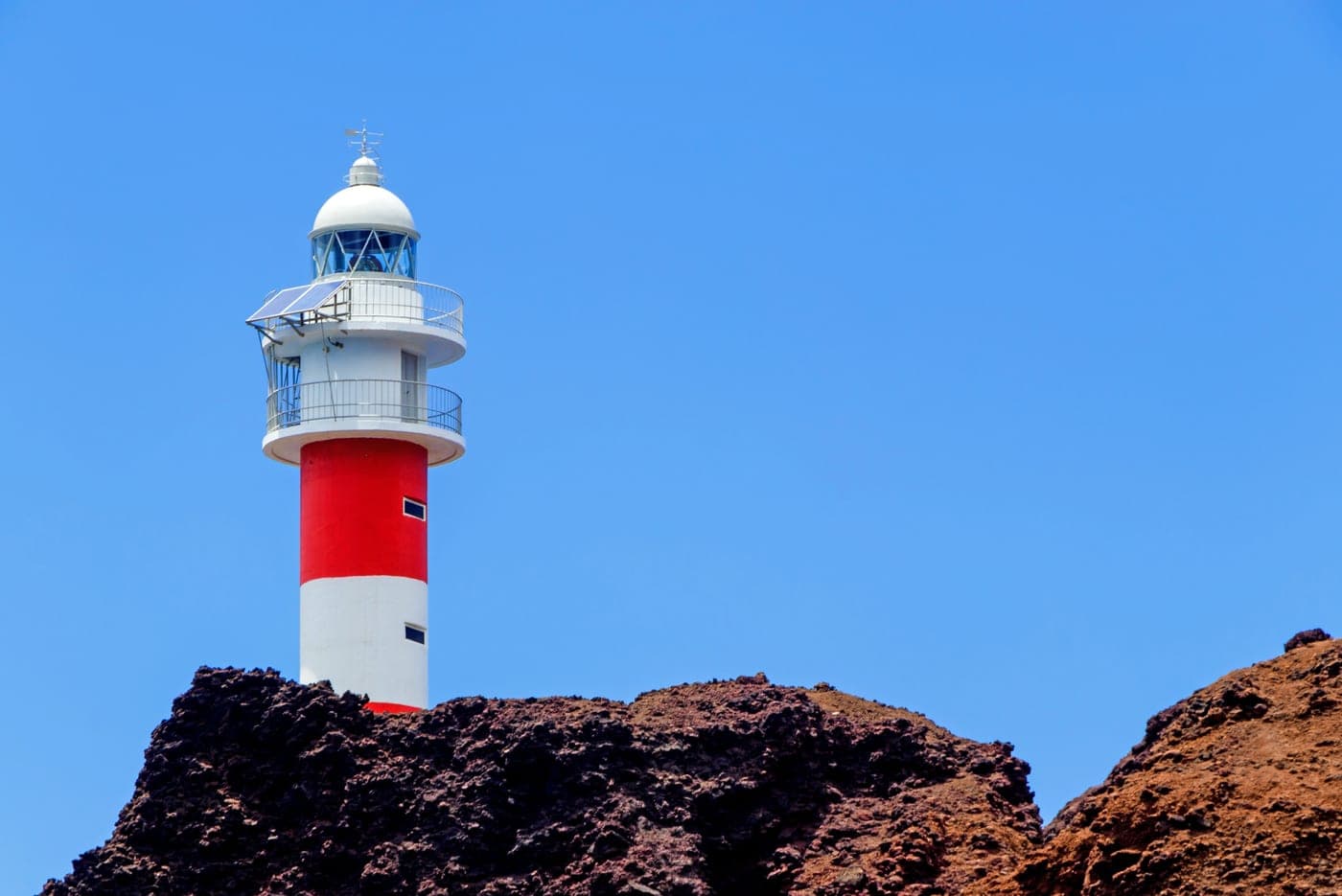
Punta de Teno y su faro
На самой западной оконечности Тенерифе Punta de Teno — это подлинный «край земли» острова: язык вулканической суши, вдающийся в Атлантику у подножия величественных утёсов, внутри Сельского парка Тено. Над ним возвышается маяк, спроектированный Хосе Сансом Солером, построенный между 1891 и 1893 годами и действующий с 1897 года, рядом с которым стоит второй, более современный маяк. Это привилегированная смотровая площадка в сторону утёсов Los Gigantes, La Gomera и La Palma, с кристально чистым морем и незабываемыми закатами. Из-за его хрупкости и красоты въезд на автомобиле регулируется и осуществляется на автобусе из Буэнависты в часы наибольшего наплыва.
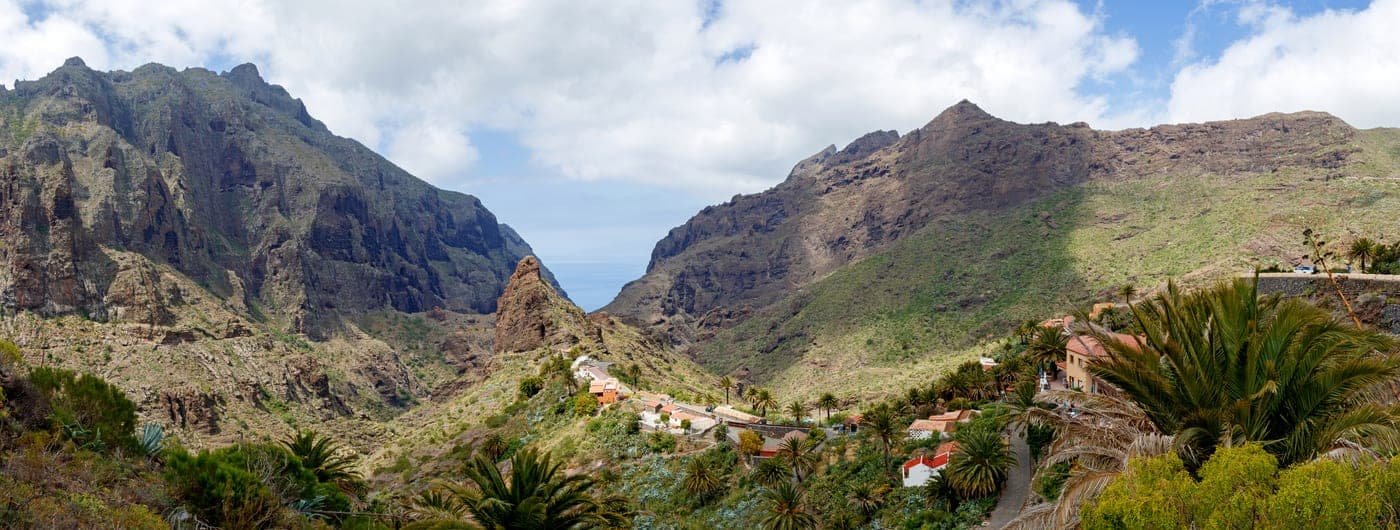
Caserío de Masca
Зажатое в самой глубине массива Тено, селение Masca — один из самых фотографируемых уголков Канарских островов, горстка домов из вулканического камня, дерева, глины и тростника, прильнувших к пейзажу головокружительных вершин и ущелий. Гуанчского происхождения — его жители использовали обилие воды, чтобы возделывать террасы и разводить коз — оно принадлежит муниципалитету Буэнависта-дель-Норте и включено в список Объектов культурного интереса за его историко-культурную ценность. От него начинается знаменитое ущелье Masca, которое спускается между отвесными стенами к небольшому пляжу, открытому к морю, по одному из самых впечатляющих и трудных пешеходных маршрутов архипелага, сегодня с регулируемым доступом ради его сохранения.
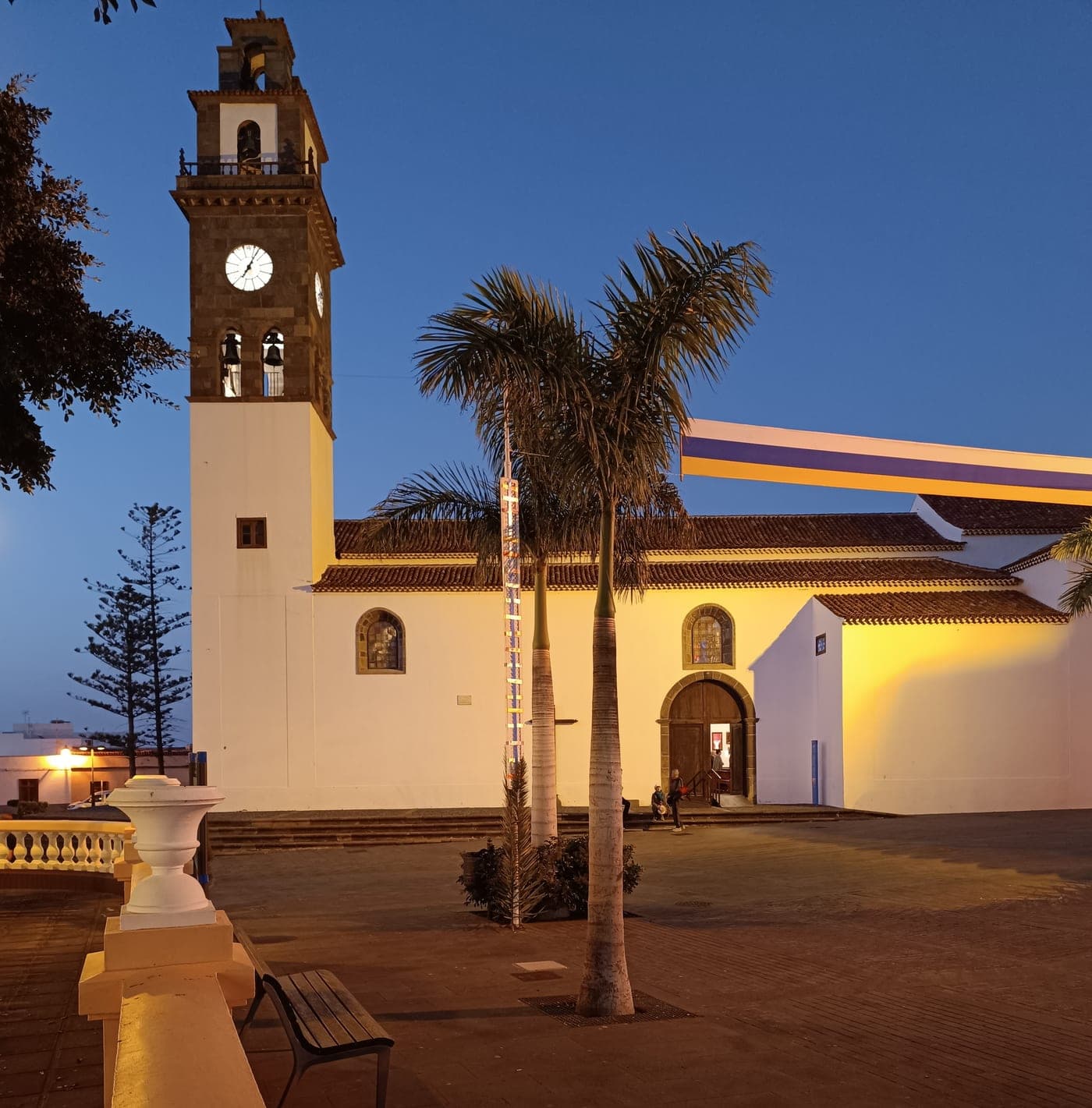
Iglesia de Nuestra Señora de los Remedios
Это монументальное сердце Буэнависты. Её первый камень был заложен в 1513 году, а первая месса отслужена в 1518 году, с расширениями вплоть до конца XVII века и колокольней, возведённой в 1951 году. Трёхнефная, с полукруглыми арками на колоннах с тосканскими капителями, главной капеллой и боковыми капеллами, она на протяжении веков хранила богатейшее барочное наследие. 22 июня 1996 года опустошительный пожар уничтожил алтари, скульптуру, живопись и церковную утварь, включая статую Богоматери 1733 года. После восьми лет восстановления храм вновь открылся 5 июня 2004 года с новым образом покровительницы. Он главенствует над Историческим ансамблем муниципалитета и его площадью.
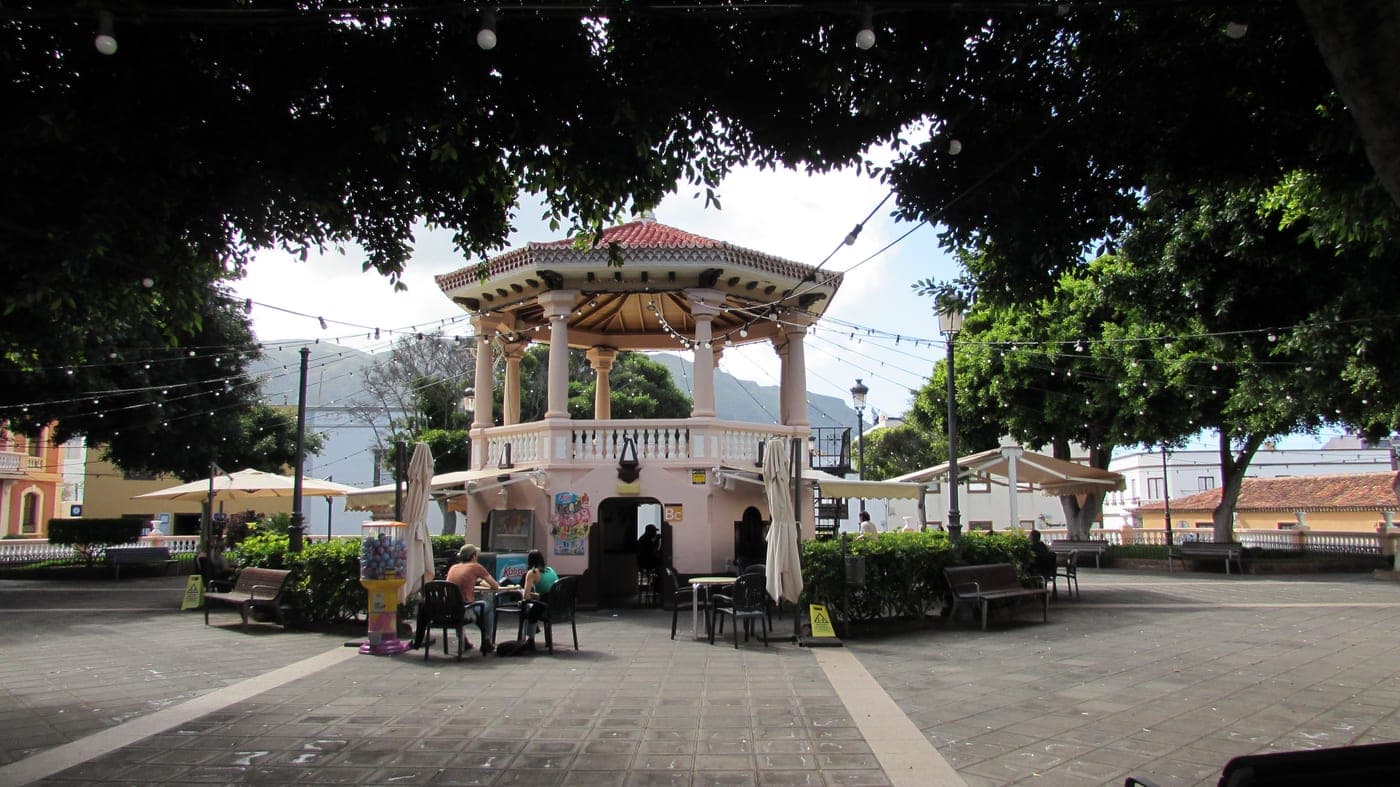
Casco histórico de Buenavista del Norte
Исторический центр Буэнависты объявлен Объектом культурного интереса в категории Исторического ансамбля. Он сохраняет регулярную городскую планировку, широкие улицы и заметную однородность в высоте своих зданий, выстроенных вокруг церкви Los Remedios и её площади. Прогуляться по нему — значит пройти сквозь пять веков истории: традиционная канарская архитектура, часовня San Sebastián — середины XVI века, перестроенная в конце XIX, — портал бывшего францисканского монастыря San Francisco, основанного в XVII веке, и господские усадьбы, такие как San Juan de Taco, с её часовней 1641 года, каменной кладкой и резными гаргульями. Безмятежный центр, хранящий живым вкус земледельческого селения на крайнем северо-западе Тенерифе.
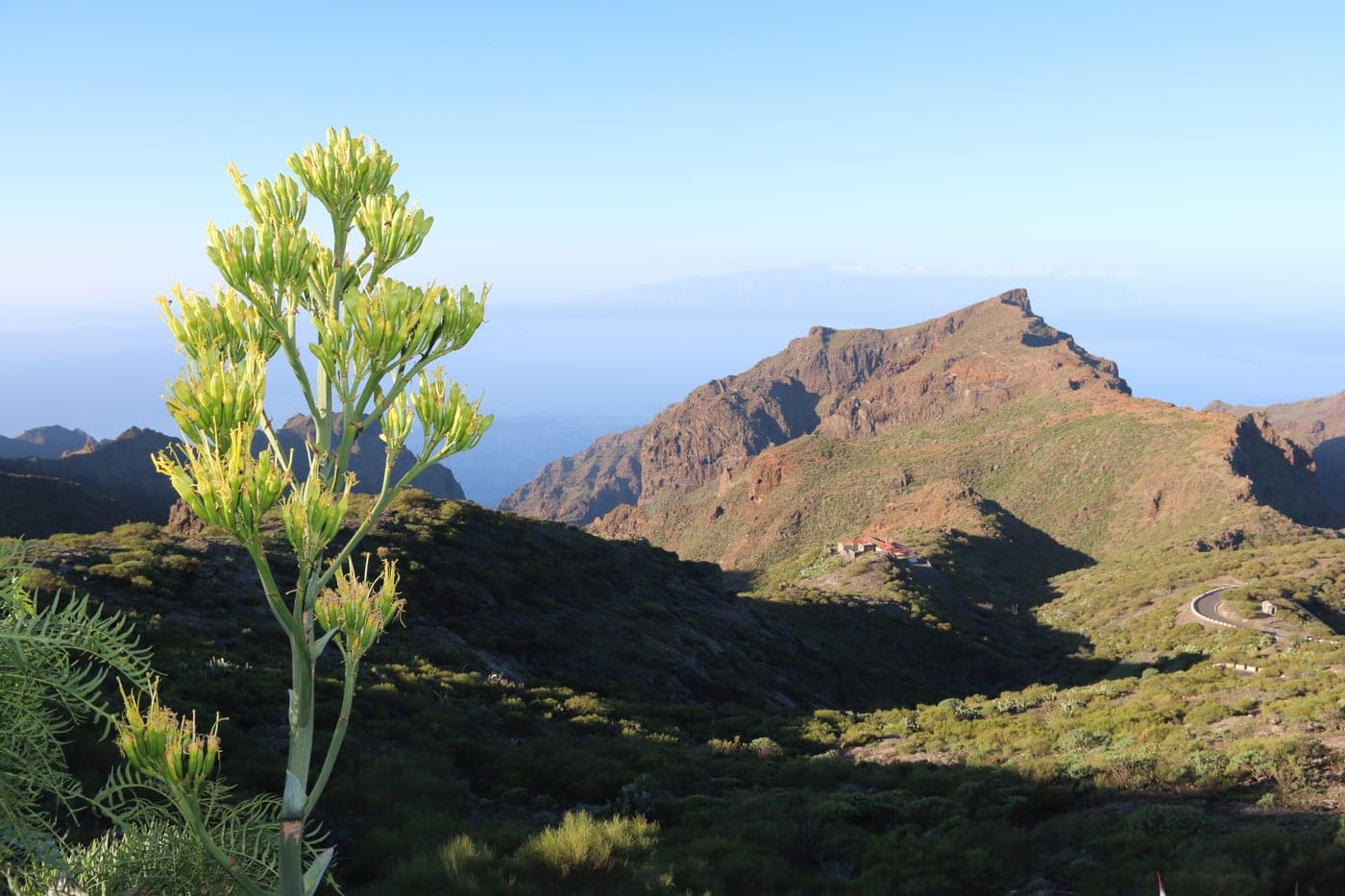
Parque Rural de Teno
Сельский парк Тено охраняет с 1994 года одно из древнейших геологических образований Тенерифе, возникшее около семи миллионов лет назад. С 8 063 гектарами, распределёнными между Буэнависта-дель-Норте — которая вносит более 5 500 —, Los Silos, El Tanque и Сантьяго-дель-Тейде, он охватывает отвесные скалы, глубокие ущелья, пастбищные плато и пятна лаврового леса, того реликтового туманного леса, который выживает под влиянием влажного пассата. Это святилище биоразнообразия с сотнями канарских эндемиков, некоторые из которых встречаются исключительно в самом массиве. Исторические тропы, селения, такие как Masca, Teno Alto или Las Portelas, и впечатляющие смотровые площадки делают Тено раем для пешего туризма и наблюдения за природой.
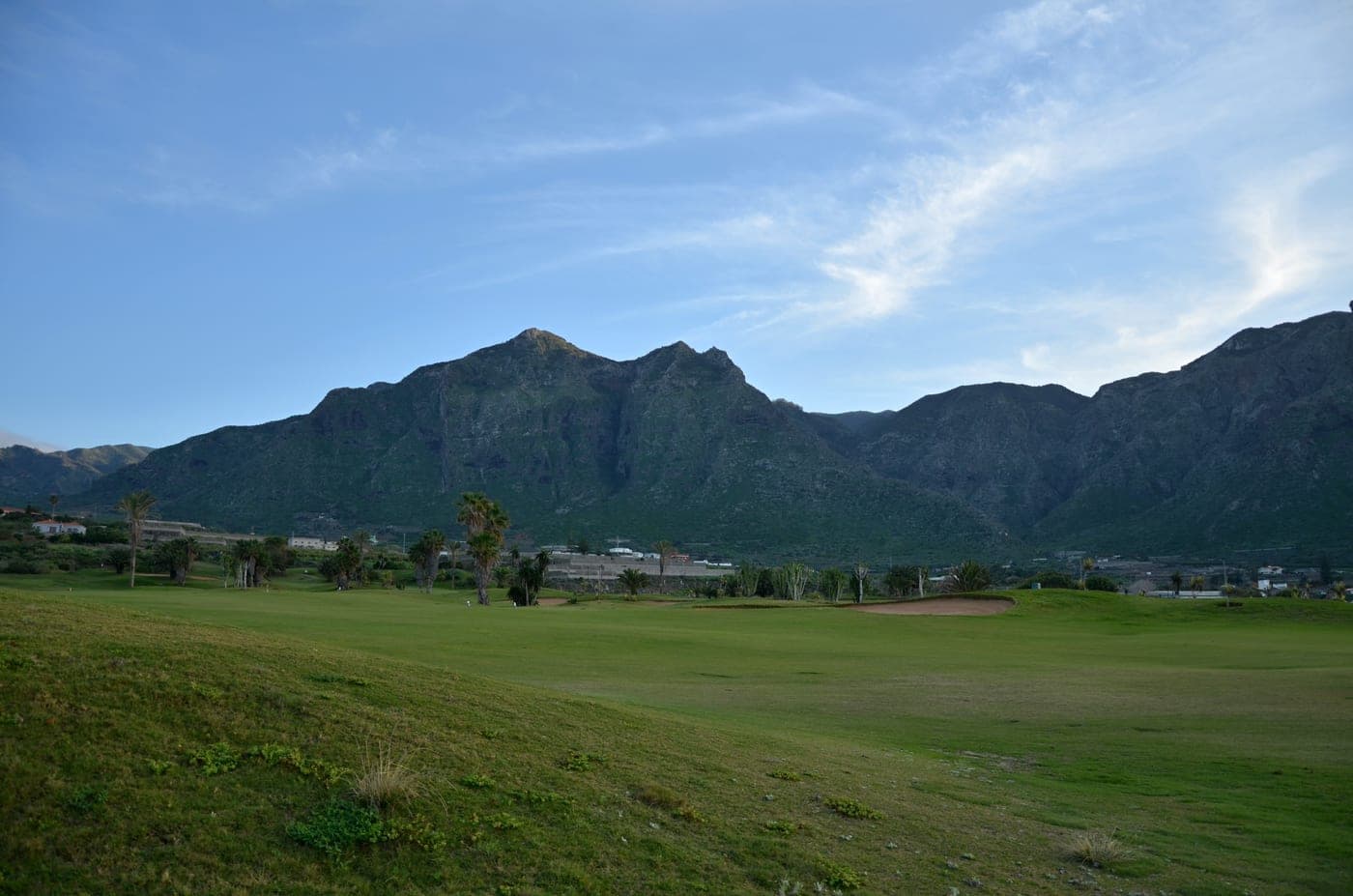
Buenavista Golf
Открытый в октябре 2003 года, Buenavista Golf — последнее поле, спроектированное легендарным гольфистом Северино Бальестеросом, возведённое в одном из самых впечатляющих окружений Тенерифе, рядом с Punta de Teno и у подножия массива. Это маршрут на 18 лунок и par 72 — шесть par 3, шесть par 4 и шесть par 5 — в котором контраст между Атлантикой и горами Тено дарит неповторимую гармонию; несколько его гринов выходят прямо к прибрежным утёсам, где разбиваются волны. Ветер, почти всегда присутствующий, добавляет нотку сложности. Приверженный устойчивому развитию, он получил премию Madera Verde и сертификаты ISO 14001 и 9001.
Карта Buenavista del Norte
Чем заняться в Buenavista del Norte
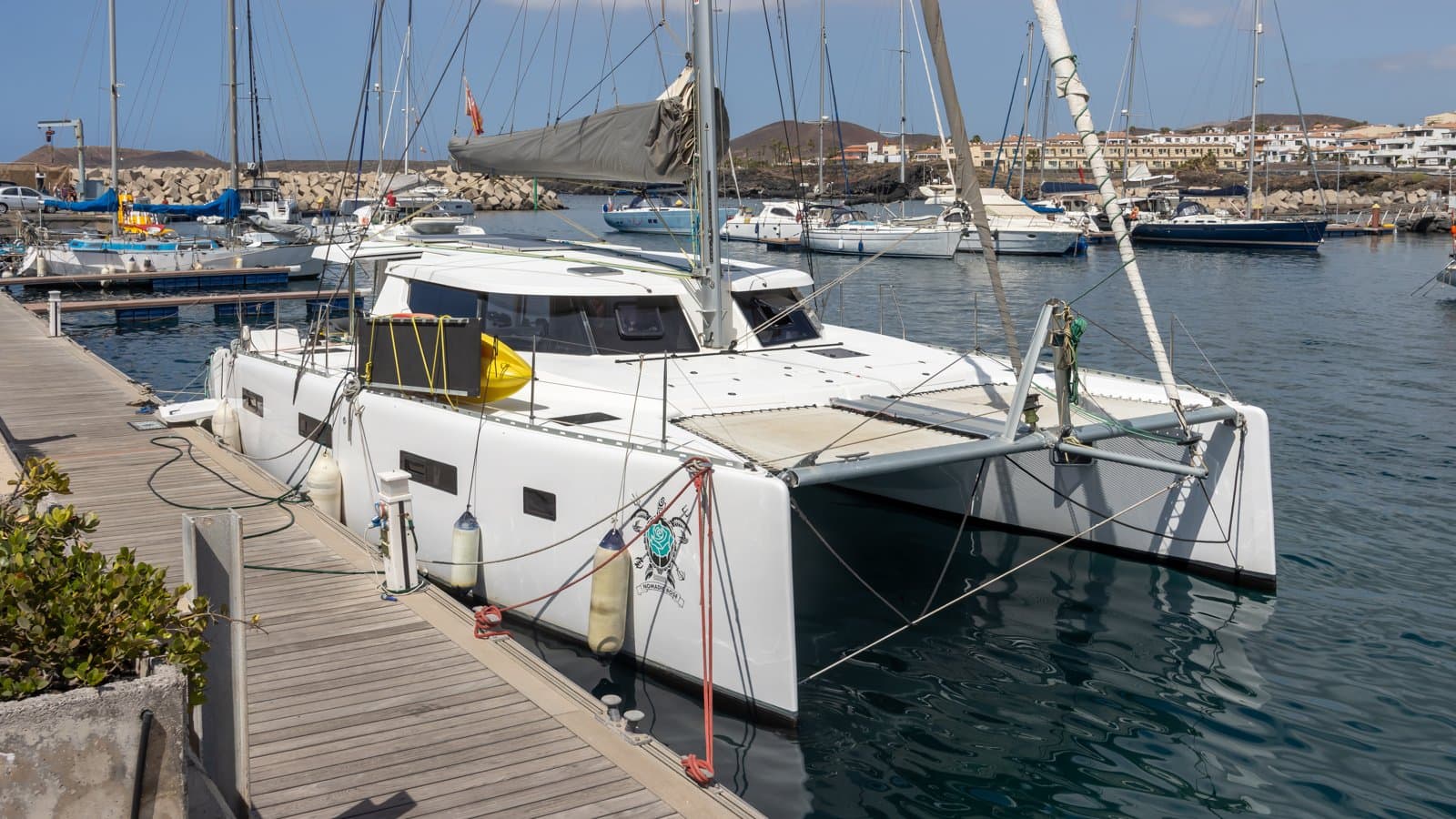
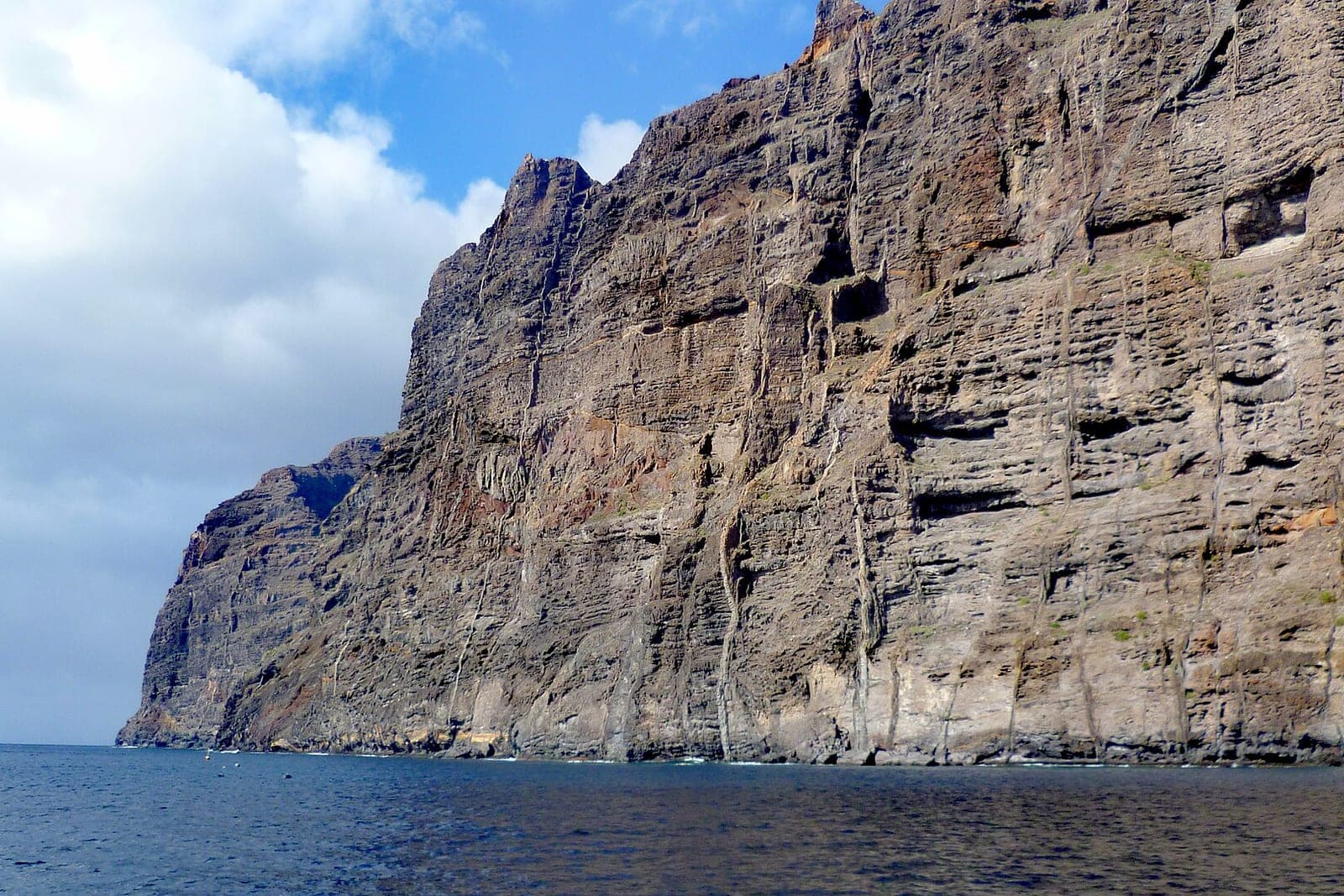
Катамаран к скалам Los Gigantes
Экскурсия в ущелье Barranco de Masca
Каякинг с дельфинами в Los Gigantes
Экскурсии и развлечения
Бронируйте туры и экскурсии с бесплатной отменой.
Смотреть на GetYourGuideУ вас здесь бизнес?
Разместите рекламу на этой странице и охватите тысячи путешественников.
Разместить рекламуГде поесть в Buenavista del Norte
Что посмотреть в Buenavista del Norte
Официальные данные
Опубликованы Кабильдо Тенерифе и воспроизведены здесь без изменений.
Размеченные тропы21
- PR-TF 51San José de Los Llanos - Punta de Teno22.6 km+933 mПешкомлинейный
- PR-TF 52Erjos - Las Portelas10.7 km+798 mПешкомлинейный
- Circular El Palmar - Baracán, por Teno Alto9.7 km+776 mПешкомкруговой
- Circular Erjos - Monte del Agua, por Fuente Los Loros9.3 km+758 mПешкомкруговой
- Circular de Bolico (Larga)7.3 km+592 mПешкомкруговой
- Circular El Palmar - Monte del Agua, por Las Lagunetas7.3 km+463 mПешкомкруговой
и ещё 15
Зоны отдыха и смотровые площадки5
- Camino Barranco de MascaВизит-центр
- Los PedregalesПарковка
- Los PedregalesЗона отдыха
- Los PedregalesВизит-центр
- Los PedregalesКемпинг
Туристический офис
- Centro de Visitantes Parque Rural de TenoВременно закрытFinca Los Pedregales, s/n-El PalmarABIERTO-OPEN De Lunes a Domingo, de 9:30 a 16:30h (15:30h en verano) From Monday to Sunday, 9:30 am to 4:30 pm (3:30 pm in summer)922447974
- Buenavista del NorteОткрытPlza. de Los Remedios, s/n - Casa MatulaDe lunes a viernes de 8:00h a 15:00h922128080
- Centro Visitantes MascaОткрытPl. de Masca, 51-52Sábados, Domingos y Festivos de 8:00 a 18:00 horas De Lunes a Viernes de 9:00 a 17:00 horas822143890
Объекты культурного наследия3
- BUENAVISTA DEL NORTEИсторический ансамбльОфициальный бюллетень
- CASERIO DE MASCAИсторический ансамбльОфициальный бюллетень
- PICO YEJEАрхеологическая зонаОфициальный бюллетень
Источник: Cabildo Insular de Tenerife · CC BY · данные от 2026-08-01 · Как мы используем открытые данные
Фольклор и традиции
Главные праздники Буэнависта-дель-Норте вращаются вокруг его покровительницы, Nuestra Señora de los Remedios. Её почитание родилось из чуда: после нашествия саранчи, опустошившего посевы, Богоматерь была провозглашена покровительницей муниципалитета в 1659 году, а с 1686 года 25 октября было закреплено как главный день торжеств. Программа, растягивающаяся на несколько недель октября, сочетает религиозные обряды — с торжественной евхаристией и процессией с образом по улицам Исторического ансамбля — с гуляньями, паломничеством, танцами, культурными и спортивными мероприятиями. Палатки, лавки с нугой и аттракционы наполняют центр оживлением, пока паломники приносят дары глубоко почитаемой покровительнице, на празднике, который соединяет местные корни с народной радостью.
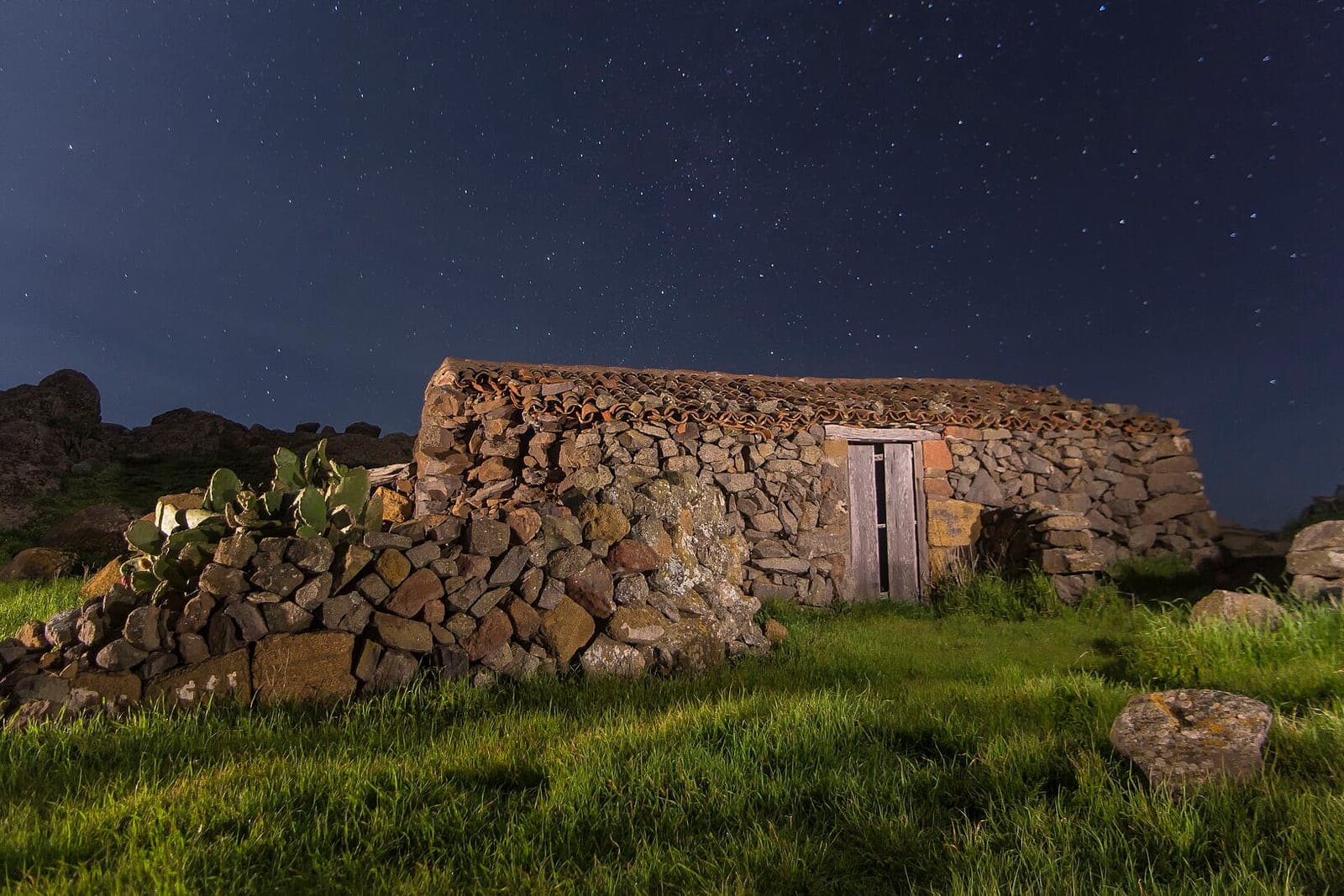
За пределами городского центра праздничная идентичность распределяется по поселениям массива Тено, где гуанчское наследие и пастушеская традиция остаются весьма живыми. В селениях, таких как Masca, Teno Alto, El Palmar или Las Portelas, сохраняются древние знания, связанные с выпасом коз, террасным земледелием и ремесленным изготовлением сыра, а также праздники и паломничества с глубокими сельскими корнями. Канарский фольклор — с его isas, folías и malagueñas в исполнении местных коллективов, выступающих с конца XVIII века — сопровождает эти торжества, а традиционный костюм и земледельческие орудия напоминают о земледельческом прошлом муниципалитета.
Гастрономия — ещё одна опора буэнавистской традиции. Кухня питается дарами земли и моря: papas arrugadas с mojo, кролик в salmorejo, carne fiesta, puchero и канарское potaje, тушёные коза и козлёнок, и свежая рыба с побережья. Не обходится и без сыров Тено, изготовленных из козьего молока выпасных стад, ни без традиционных сладостей, которые подслащивают праздники. Всё это, запиваемое местным вином, образует простой и вкусный стол, который отражает земледельческий и пастушеский характер крайнего северо-запада Тенерифе.
Photos: H. Zell (CC BY-SA 3.0) · H. Zell (CC BY-SA 3.0) · H. Zell (CC BY-SA 3.0) · CARLOS TEIXIDOR CADENAS (CC BY 4.0) · Joergsam (CC BY-SA 4.0) · FrDr (CC BY 4.0) · Echeyde777 (CC BY-SA 3.0 es) · Wikimedia Commons