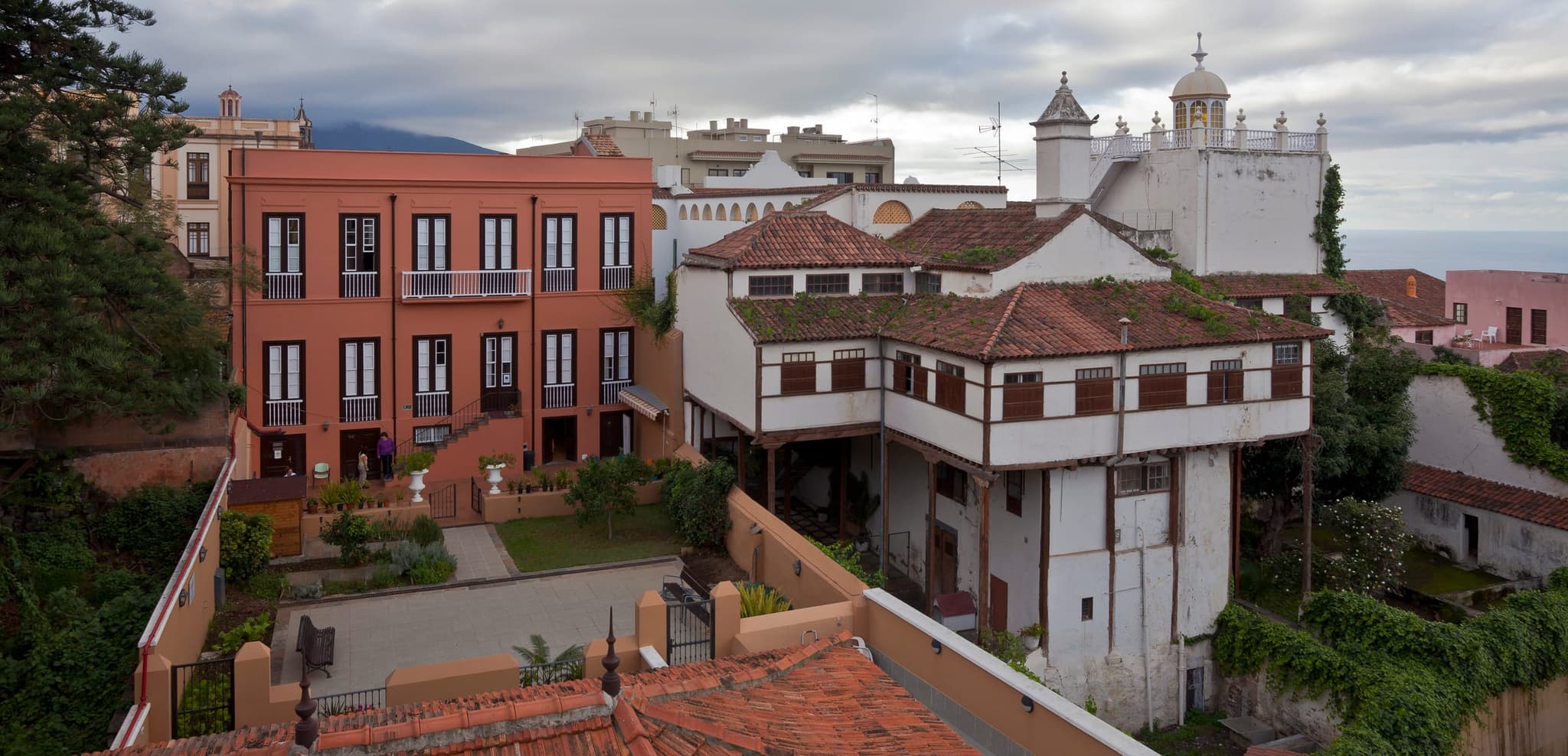
La Orotava
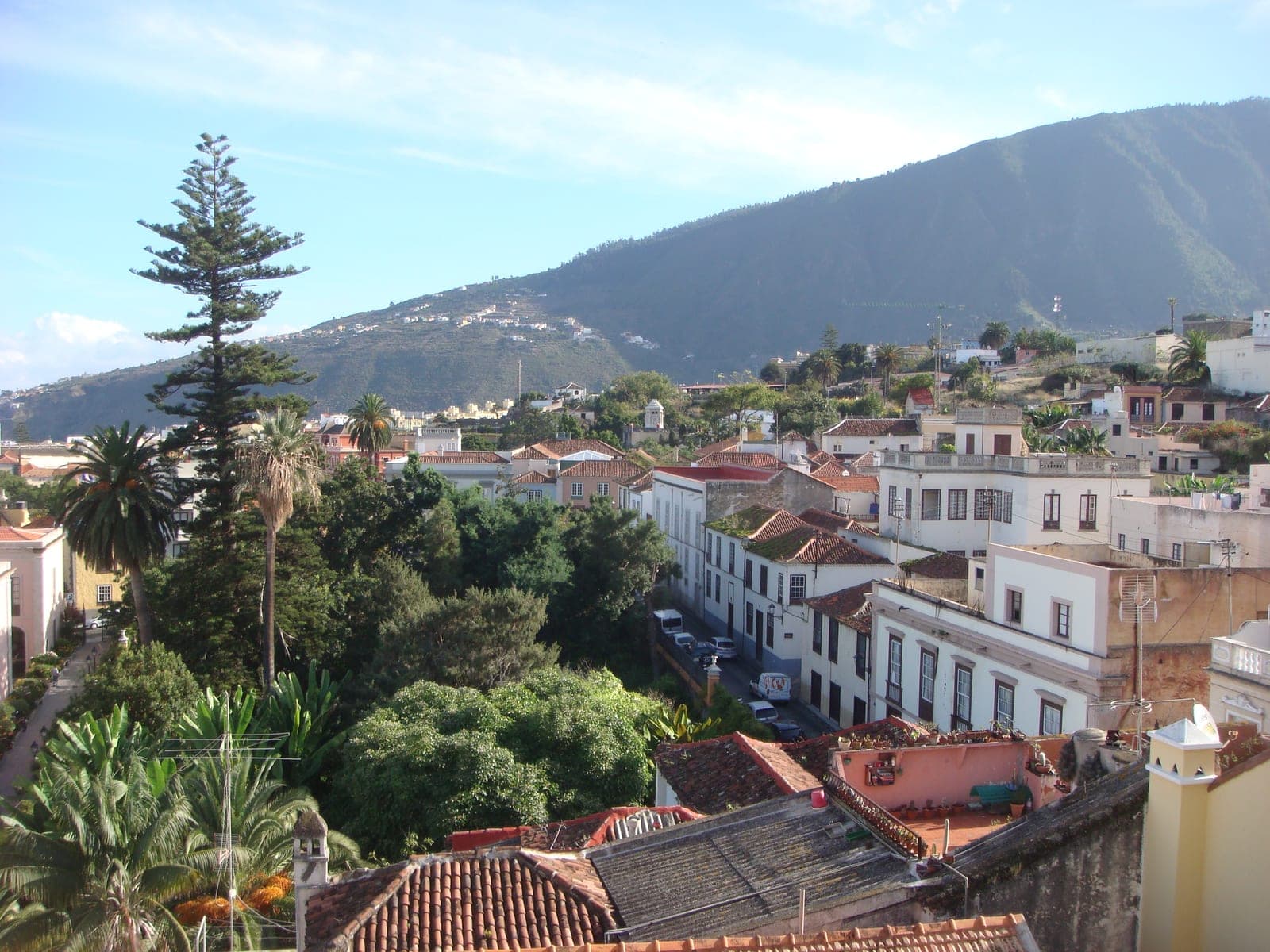
One of the prettiest old towns in the Canaries, stately houses, Canarian balconies and the famous Corpus carpets.
History
At the heart of northern Tenerife opens the Orotava Valley, one of the most fertile and celebrated plains of the archipelago, described by Enlightenment travellers as a paradise of volcanic soils, abundant water and Mount Teide presiding over the horizon. Before the Castilian conquest, this territory formed part of the menceyato (chiefdom) of Taoro, the most powerful and populous of the nine Guanche kingdoms into which the island was divided. Its aboriginal name, "Arautava" or "Arautápala", survives in the present-day place name. Taoro covered much of the valley —lands that today correspond to La Orotava, Puerto de la Cruz, Los Realejos, Santa Úrsula and the Acentejo municipalities— and produced some of the most remembered leaders of the indigenous resistance.
Mencey Bencomo, the penultimate ruler of Taoro, led the outright opposition to the adelantado Alonso Fernández de Lugo. In May 1494, the Guanche forces ambushed the Castilian army in the ravine of Acentejo, inflicting an almost total defeat in what became known as the Matanza (Slaughter) of Acentejo. Alongside Bencomo stood his brother Tinguaro, a skilful strategist who fell in battle shortly afterwards. Superior weaponry, epidemics and successive campaigns finally tipped the balance: in 1496 the conquest of Tenerife was completed and the rich territory of Taoro was divided among the conquerors and their collaborators.
The new settlement was born upon those lands. The distribution of land and water was organised at the start of the sixteenth century, and on 29 May 1503 La Orotava was established as an urban centre. The town's layout took as its axis the hermitage of Our Lady of the Conception, raised to a church in 1503; the alderman Diego de Mesa laid out wide streets and regular plots that still order the historic quarter today. In 1506 its first known mayor, Alonso Pérez Navarrete, is documented, governing a still very small population.
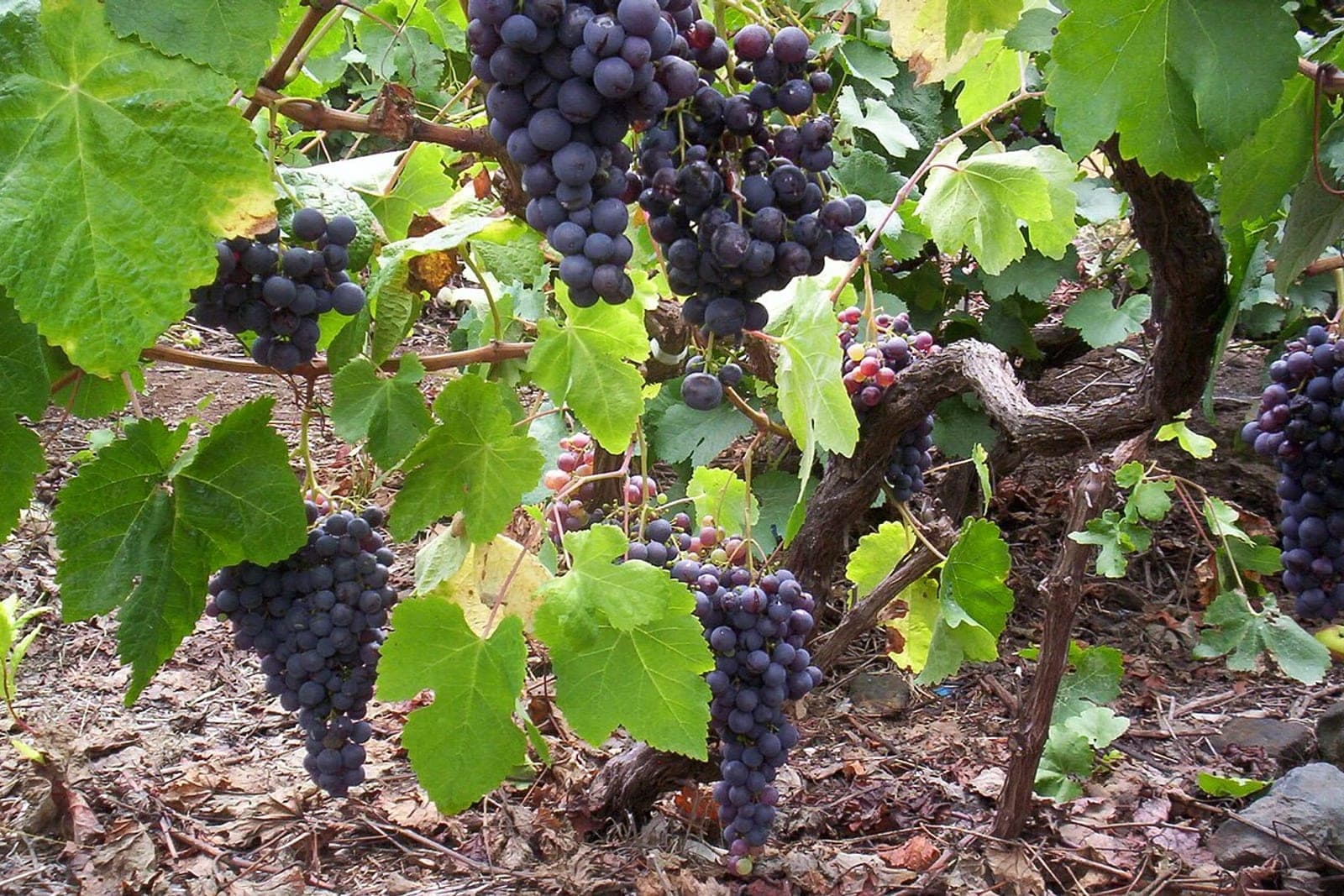
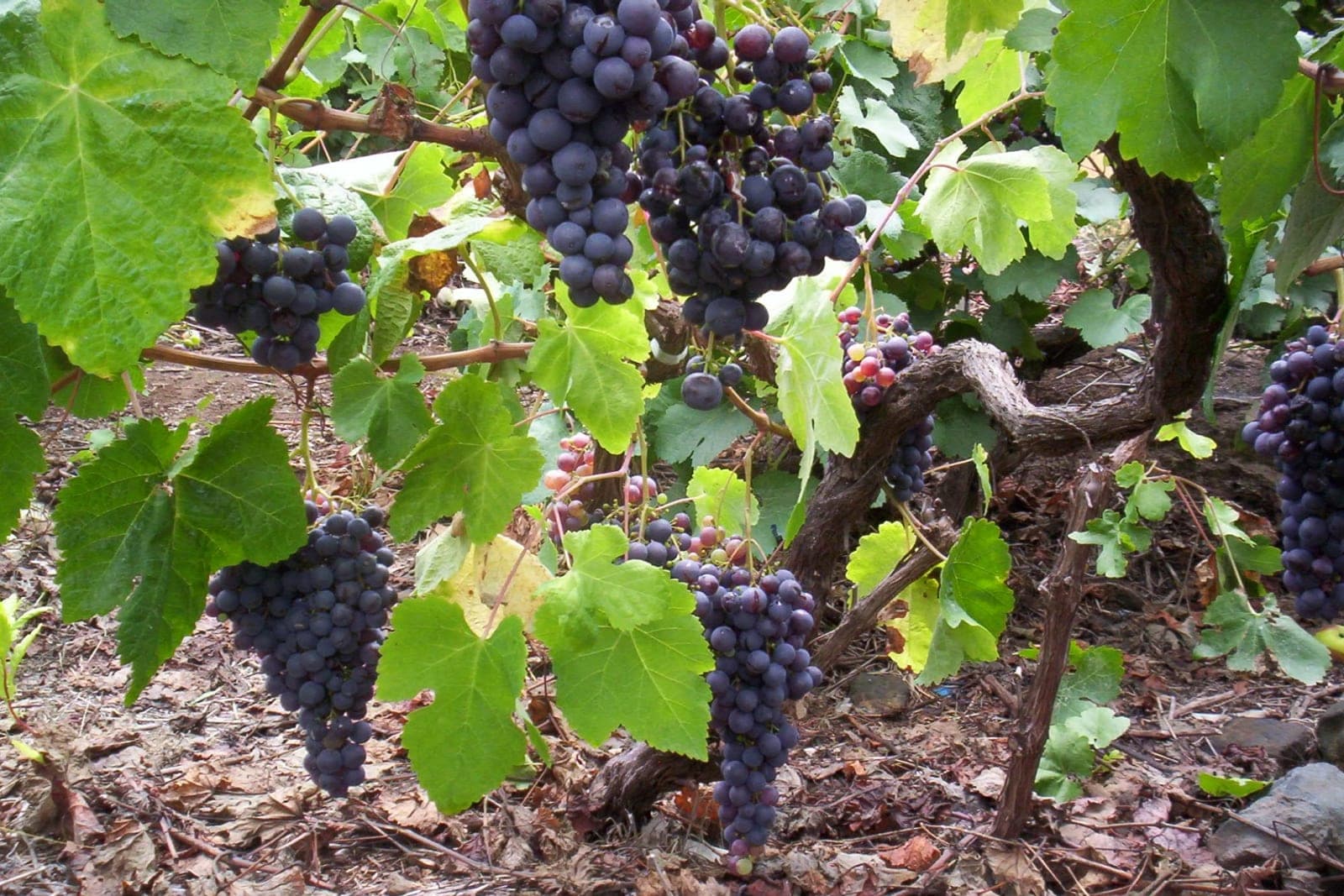
Prosperity came with export agriculture. Sugar cane opened the first economic cycle, soon replaced by the vine: the valley's wines, and especially the sweet Malvasia (Malmsey), achieved enormous fame in European markets —celebrated even in English literature— and formed the basis of local wealth throughout the sixteenth and seventeenth centuries. That wine-fuelled splendour allowed La Orotava to be recognised as an exempt town (villa exenta) on 28 November 1648. When the wine trade fell into crisis in the eighteenth century, the valley reinvented itself with new crops: cochineal for dyes in the nineteenth century and, later, the banana that still carpets its slopes.
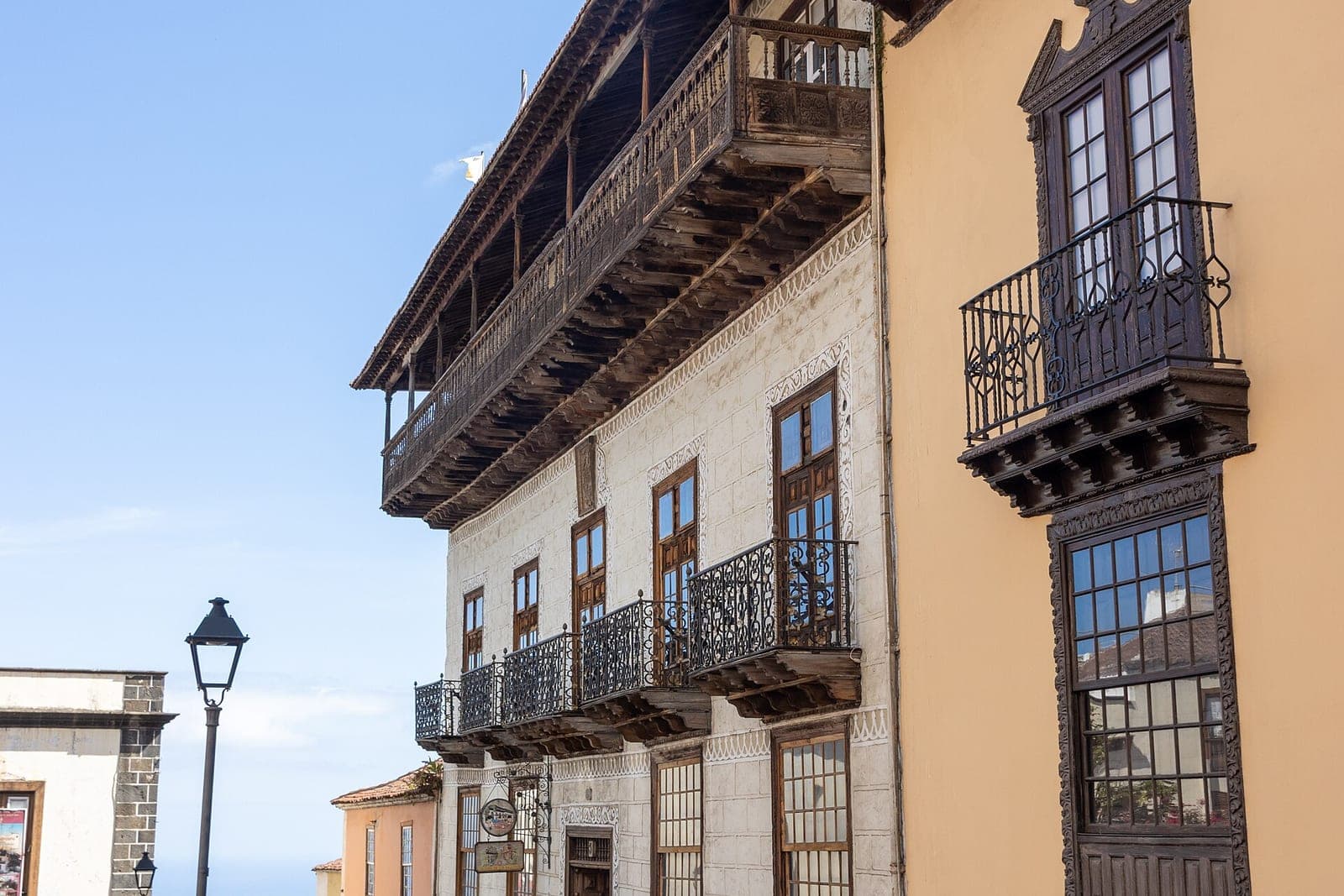
The agrarian boom took shape in stone and wood. The great families —the Ponte, Franchi, Monteverde, Lercaro, del Castillo and other lineages of often Flemish, Genoese or Portuguese origin— built manorial houses with broad cobbled courtyards, columns and carved pine (tea) balconies, today a hallmark of traditional Canarian architecture. The Casa de los Balcones is the most famous example of this craft. To these houses were added churches, convents and hermitages that filled the old town with bell-gables and altarpieces, with the Baroque church of La Concepción —reopened in 1788— as the greatest jewel.
The town went on accumulating honours. Naturalists such as Humboldt, Bory de Saint-Vincent, Webb and Berthelot were captivated by the valley during their scientific expeditions. In 1906 King Alfonso XIII granted it the title of Very Noble and Loyal Town; in 1948 the church of La Concepción was declared a National Historic-Artistic Monument; and in 1976 the old quarter received the designation of Historic-Artistic Site, protecting its network of steep streets, squares and mansions.
Today's La Orotava keeps that heritage alive. The historic capital of the valley, it preserves one of the best-conserved historic centres in the Canary Islands and celebrates each year, during the octave of Corpus Christi, its extraordinary flower carpets along the streets and the great tapestry of volcanic Teide sands in the Town Hall square —a tradition declared an Asset of Cultural Interest by the Government of the Canary Islands in 2007 and recognised as a Festival of National Tourist Interest. Among historic gardens, water mills, museums and stately courtyards, the town blends heritage, tradition and the awe-inspiring backdrop of Mount Teide.
Points of interest
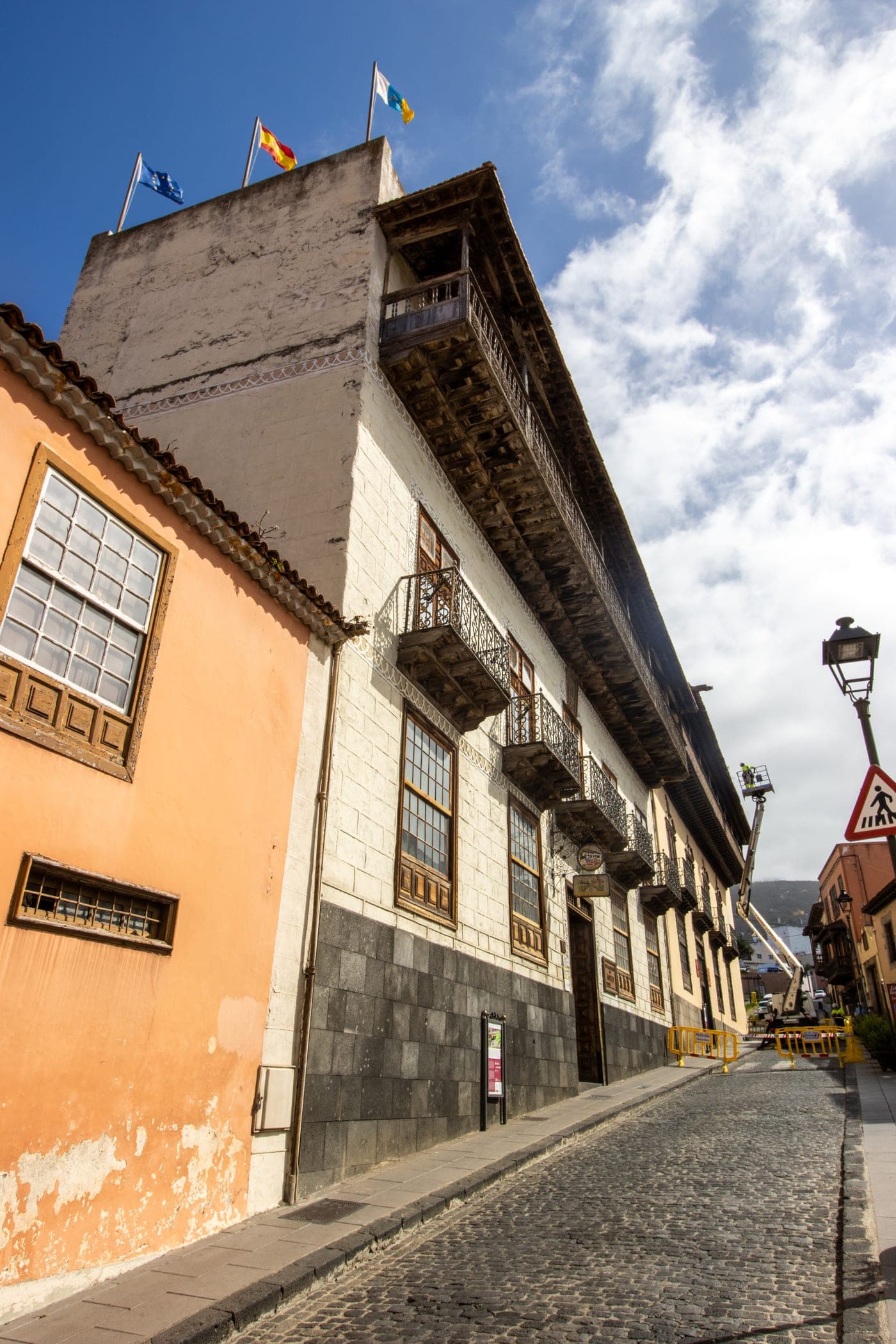
Casa de los Balcones
A jewel of traditional Canarian architecture, this seventeenth-century stately house (built around 1632) owes its name to the magnificent balconies of Canary pine (tea) wood that run along its façade and inner courtyard. The hard, durable tea wood was worked into beams, columns and latticework without paint or treatment, keeping its beauty over the centuries. The courtyard, with tall columns on stone pedestals that taper towards the upper floors, is one of the most photographed in the archipelago. Today it houses a museum of the Canarian house and a workshop-school of openwork embroidery (calados), a craft for which the town is a reference. Located on the steep Calle de San Francisco, opposite the Casa del Turista, it sums up the splendour of the valley's great families.
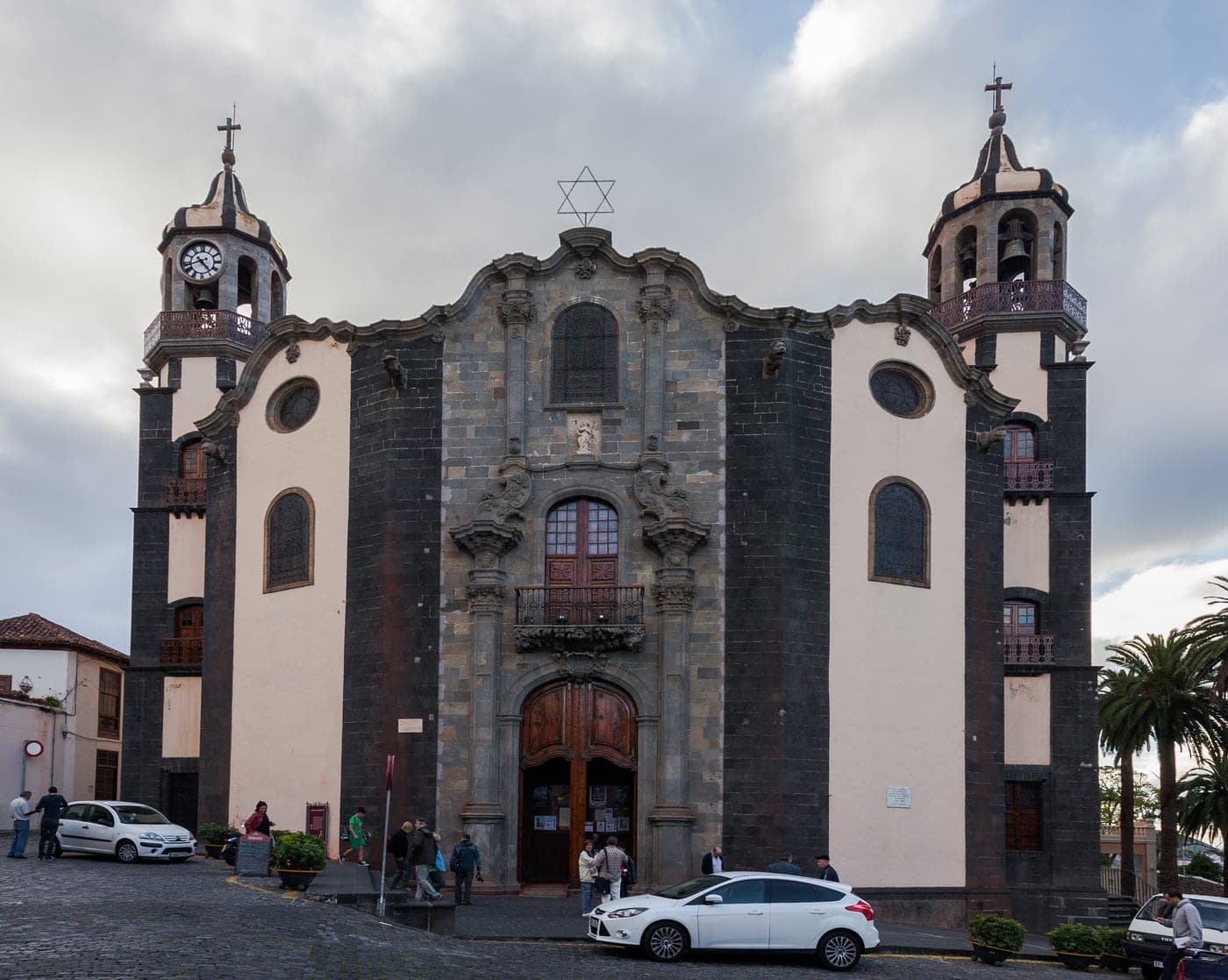
Iglesia de Nuestra Señora de la Concepción
Considered the finest example of Baroque architecture in the Canary Islands, this mother parish rises over the original foundational hermitage of the late fifteenth century. The present temple was reopened in 1788, financed through trade with the Americas and the profits of the valley's wine exports. Its monumental stone façade, of great sculptural richness, and its three naves crowned by a dome combine Baroque, Neoclassical and Mudéjar languages. Inside, the Carrara marble sepulchre stands out, carved in Genoa in 1788 for the Marquis of El Sauzal, Gaspar de Franchi, along with altarpieces, silverwork and valuable carvings. It was declared a National Historic-Artistic Monument in 1948 and presides over the appearance of the historic quarter.
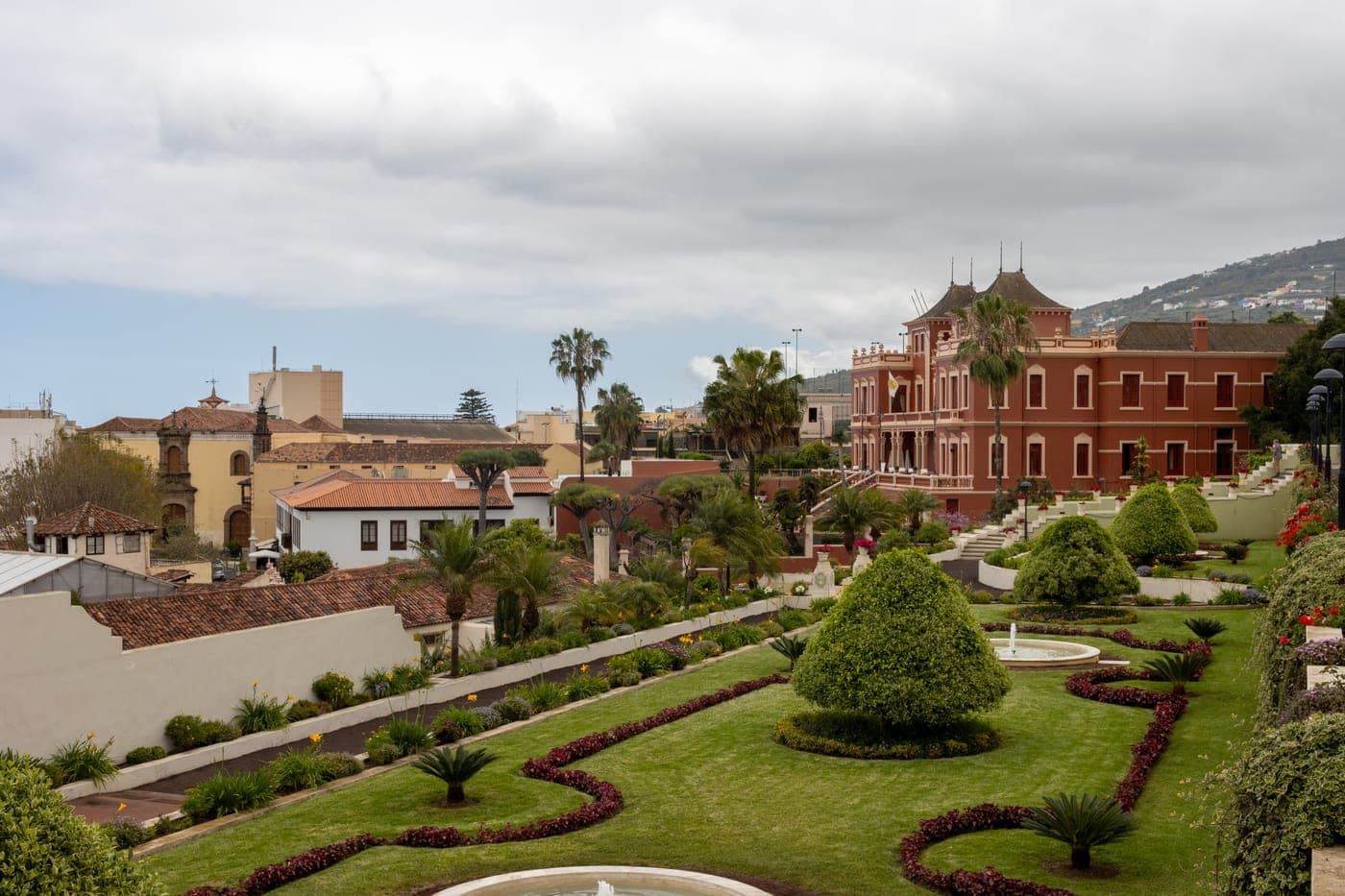
Jardines Victoria
These elegant terraced gardens, also called the Gardens of the Marquisate of La Quinta Roja, were commissioned in the late nineteenth century by Sebastiana del Castillo, Marchioness of La Quinta Roja, from the French architect and Freemason Adolphe Coquet, the work being completed in 1884. They were conceived to house the mausoleum of her son Diego Ponte del Castillo, to whom the Church had denied burial because of his Masonic affiliation. The ensemble unfolds across seven stepped terraces with fountains and greenery, crowned by a white marble temple with eight Corinthian columns and the letter omega on its door, laden with Masonic symbolism. Curiously, Diego was never actually buried in the pantheon. Now municipally owned, the gardens offer one of the loveliest panoramas of the valley and Mount Teide.
Hijuela del Botánico
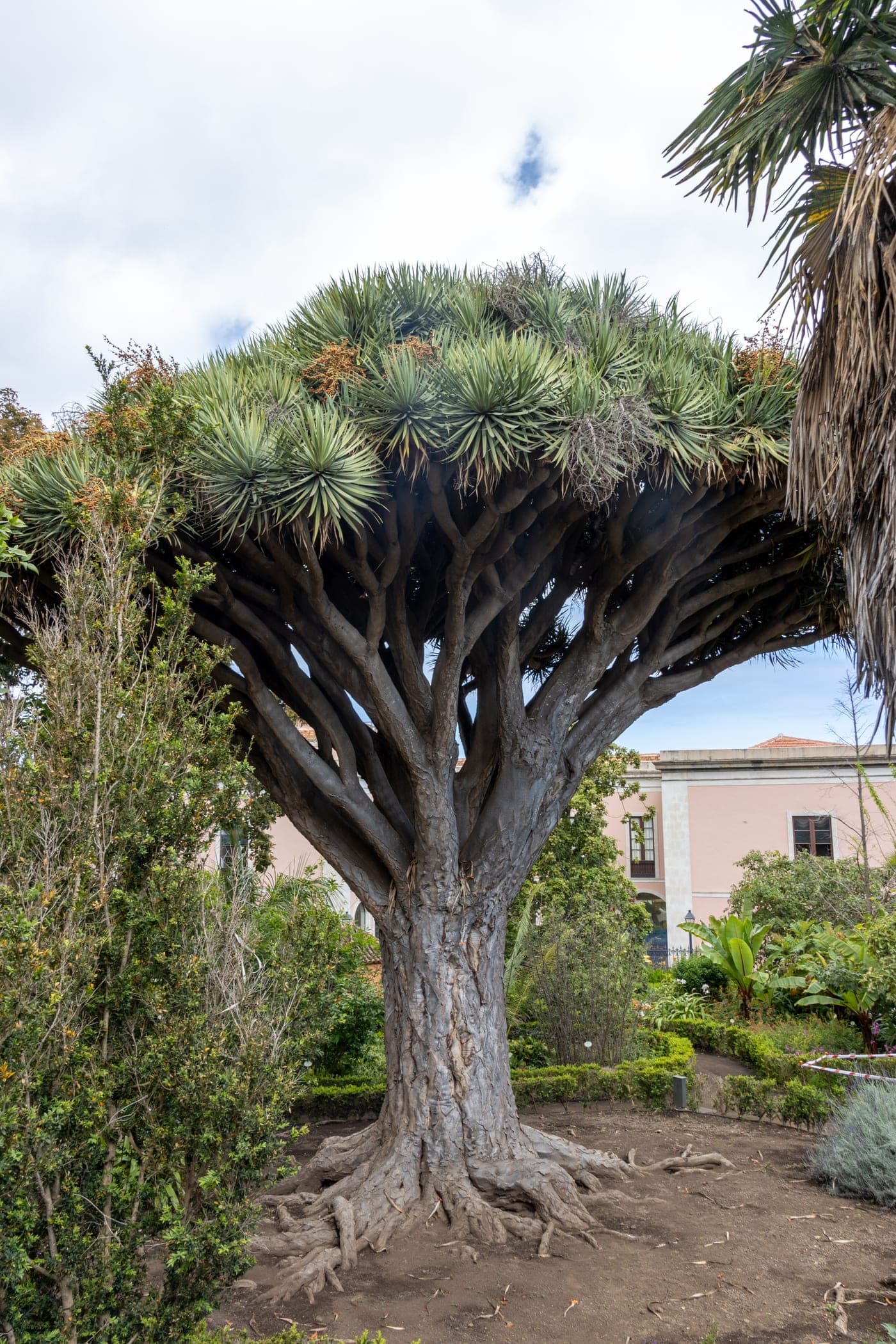
A small, lush botanical garden of about 3,390 square metres located behind the Town Hall, in the heart of the historic quarter. Its origin is linked to the Acclimatisation Garden of La Orotava (today the Botanical Garden of Puerto de la Cruz), from which it was born as a complementary space or "hijuela" (offshoot). It brings together around a hundred species, with notable representation of Canarian flora: a specimen of dragon tree (Dracaena draco), Canary madrone, Canary cedar, Canary pine, Canary palm, several Canary laurels (Laurus azorica) and bicácaro, alongside large exotic species such as horse chestnuts. It is a green haven with free access, ideal for discovering the botanical wealth of the valley on a quiet stroll through the town centre.
Liceo de Taoro
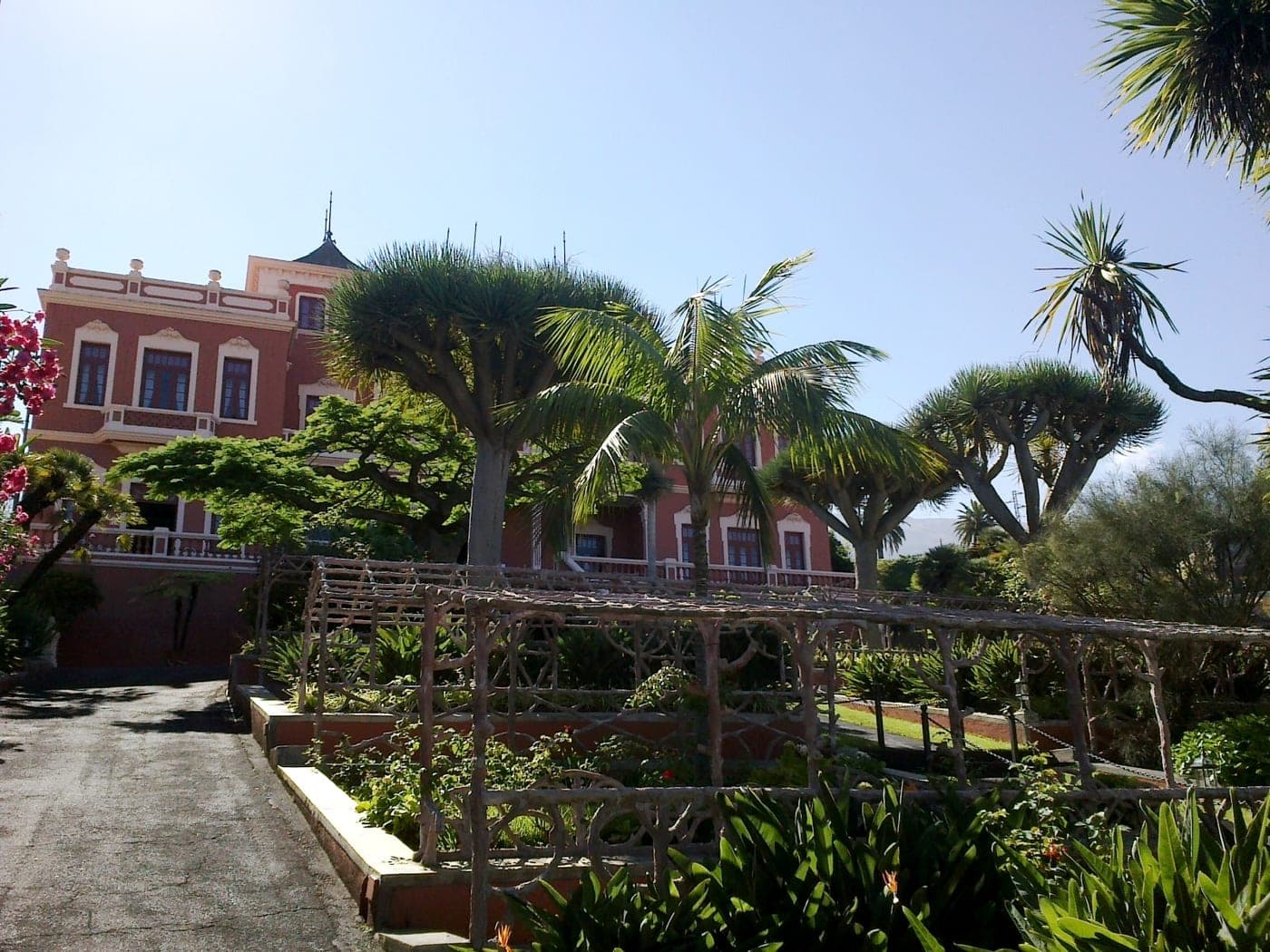
An imposing palatial building from the early twentieth century that houses one of the most prestigious cultural societies in Tenerife, the Sociedad Liceo de Taoro, founded in 1855 as the Falansterio de Taoro and renamed Liceo de Taoro in 1924. Its eclectic architecture, stately halls and front garden make it one of the landmarks of the historic quarter, overlooking a viewpoint with privileged views of the valley and Mount Teide. Throughout its history it has driven the social, recreational and cultural life of the town: it was from here that, in 1935, its then president César Hernández Martínez promoted the festive popularisation of the Romería of San Isidro. Today it hosts cultural events, exhibitions and celebrations, keeping alive its vocation as a meeting place for Orotava society.
Molinos de agua
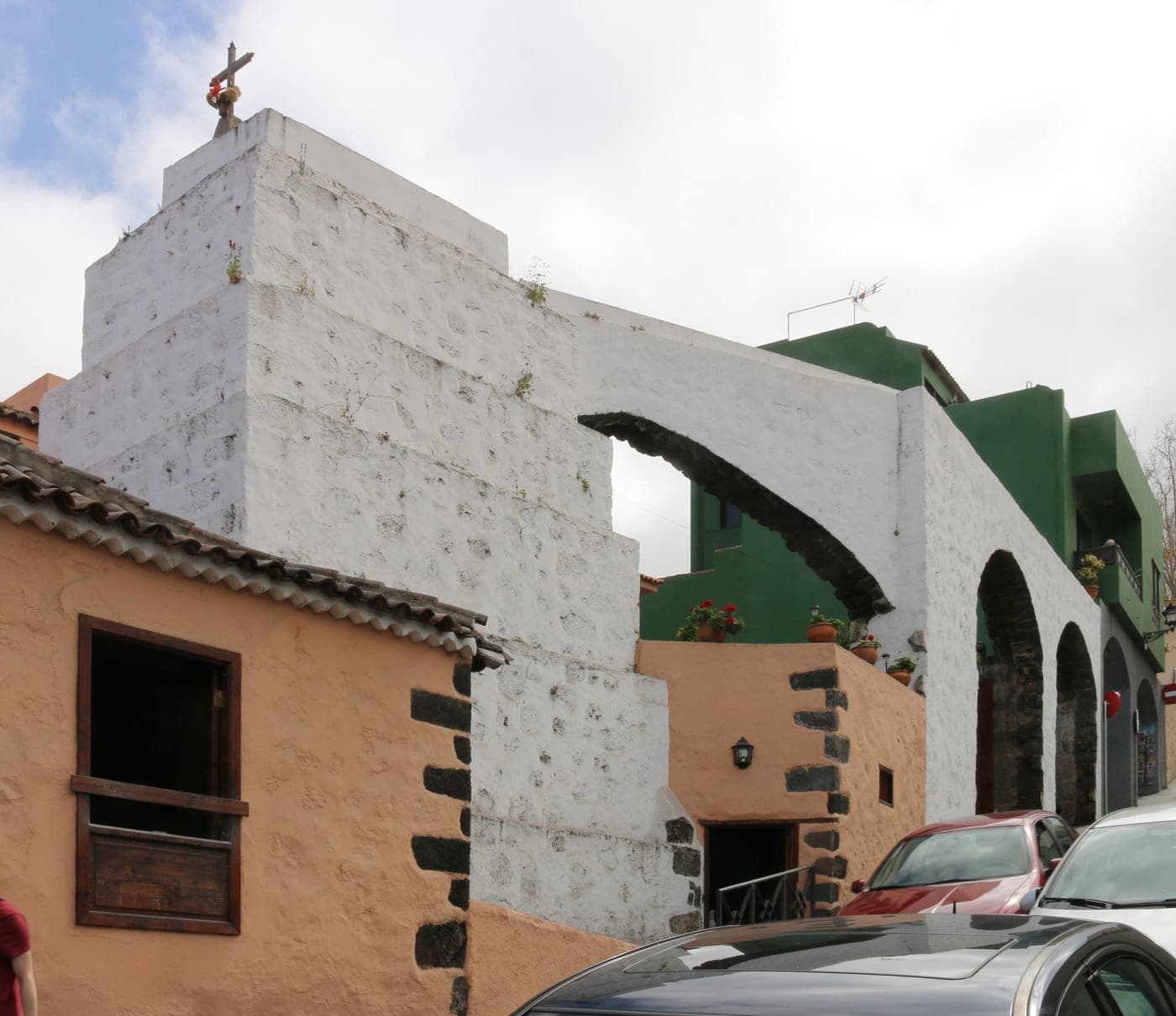
Along the irrigation channel that crosses from the Upper Town to the Lower Town, as many as thirteen water mills were built, forming a true gofio industry —gofio being a staple food of Guanche origin made from toasted cereals. Taking advantage of the steep gradient of the historic quarter, water channelled through masonry cubes turned the millstones: the earliest mills were of wood and, from the late eighteenth century and throughout the nineteenth, they were rebuilt with solid stepped cylindrical stone structures. Several survive on the picturesque Calle de los Molinos, some still working as gofio mills, offering a living testimony to hydraulic ingenuity and the valley's traditional economy. The Aqueduct of the Mills is protected as an Asset of Cultural Interest.
Map of La Orotava
Things to do in La Orotava

Where to eat in La Orotava
What to see in La Orotava
Official data
Published by the Cabildo de Tenerife and reused here unmodified.
Waymarked trails59
- GR-131Anaga - Chasna85.5 km+5290 mOn footlinear
- BC-1Ruta Forestal del Norte84.8 km+4600 mBike and horselinear
- PR-TF 41Playa del Socorro - Pico Teide (Ruta 0.4.0)27.2 km+3862 mOn footlinear
- VM-9Pista General de Arico21.8 km+1420 mMotor vehicles
- PNT-04Siete Cañadas16.4 km+412 mOn footlinear
- PR-TF 86Área recreativa El Contador - Parador Nacional15.8 km+1588 mOn footlinear
and 53 more
Recreation areas and viewpoints23
- BetancourtRest area
- BolinagaRest area
- Cañada BlancaVisitor centre
- CeballosRest area
- ChimocheRest area
- Cruz del DornajitoRest area
and 17 more
Tourist office
- Orotava (La)OpenC/ Calvario, 4De lun. a viernes de 08:00 a 18.00. Julio, agosto y septiembre de lunes a sábados de 08.00 a 14.00922323041
Listed heritage sites9
- ACUEDUCTO DE LOS MOLINOSEthnological siteOfficial gazette
- CAMINO DEL CIPRÉSHistoric siteOfficial gazette
- CASA LERCAROMonumentOfficial gazette
- CEMENTERIO DE LA OROTAVAMonumentOfficial gazette
- HIJUELA DEL BOTÁNICO (JARDÍN DE ACLIMATACIÓN DE LA OROTAVA)Historic gardenOfficial gazette
- IGLESIA DE NUESTRA SEÑORA DE LA CONCEPCIÓNMonumentOfficial gazette
and 3 more
Source: Cabildo Insular de Tenerife · CC BY · data from 2026-08-01 · How we use open data
Folklore & traditions
The great festive emblem of La Orotava is Corpus Christi, one of the most spectacular celebrations in Spain. During the octave of Corpus, the streets of the historic quarter are covered with extraordinary ephemeral carpets made exclusively from flowers and plant materials —petals, toasted heather in different tones, seeds— that depict complex religious and geometric compositions over which the procession of the Blessed Sacrament passes. The greatest jewel is the immense tapestry that, since 1919, has been created in the Town Hall square using volcanic sands from the Teide National Park: nearly three thousand kilos of earth in some twenty natural tones reproduce sacred scenes across more than nine hundred square metres. This tradition, born in the mid-nineteenth century when the Monteverde family carpeted the passage of the Blessed Sacrament with flowers before their house, was declared an Asset of Cultural Interest by the Government of the Canary Islands in 2007 and is a Festival of National Tourist Interest.
Linked to Corpus, the following Sunday sees the Romería (pilgrimage) of San Isidro Labrador and Santa María de la Cabeza, one of the oldest and most crowded in the Canary Islands. It has roots in the seventeenth century, when farmers honoured their patron saint asking protection for crops and livestock, and since 1892 it has been united with the Corpus festivity. Ox-drawn carts adorned with farm produce, breads, fruit and tools parade accompanied by parrandas, folk groups and locals who offer wine and delicacies to visitors. The pilgrims wear the traditional Canarian costume —that of the "mago" and "maga"— with hats, petticoats, blankets and cloth waistcoats, in one of the most colourful scenes of the year. The romería has been declared a Festival of National Tourist Interest since 1980.
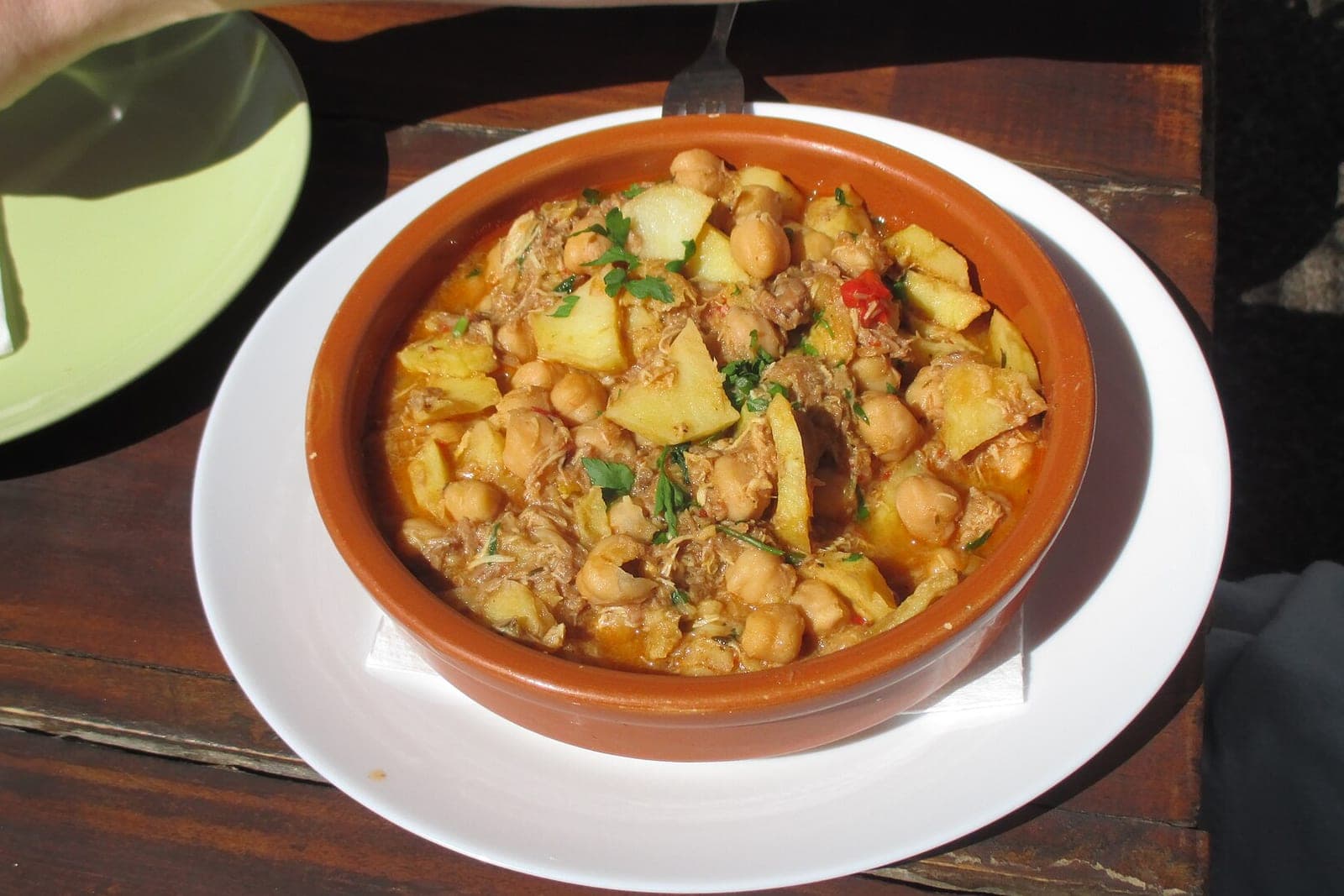
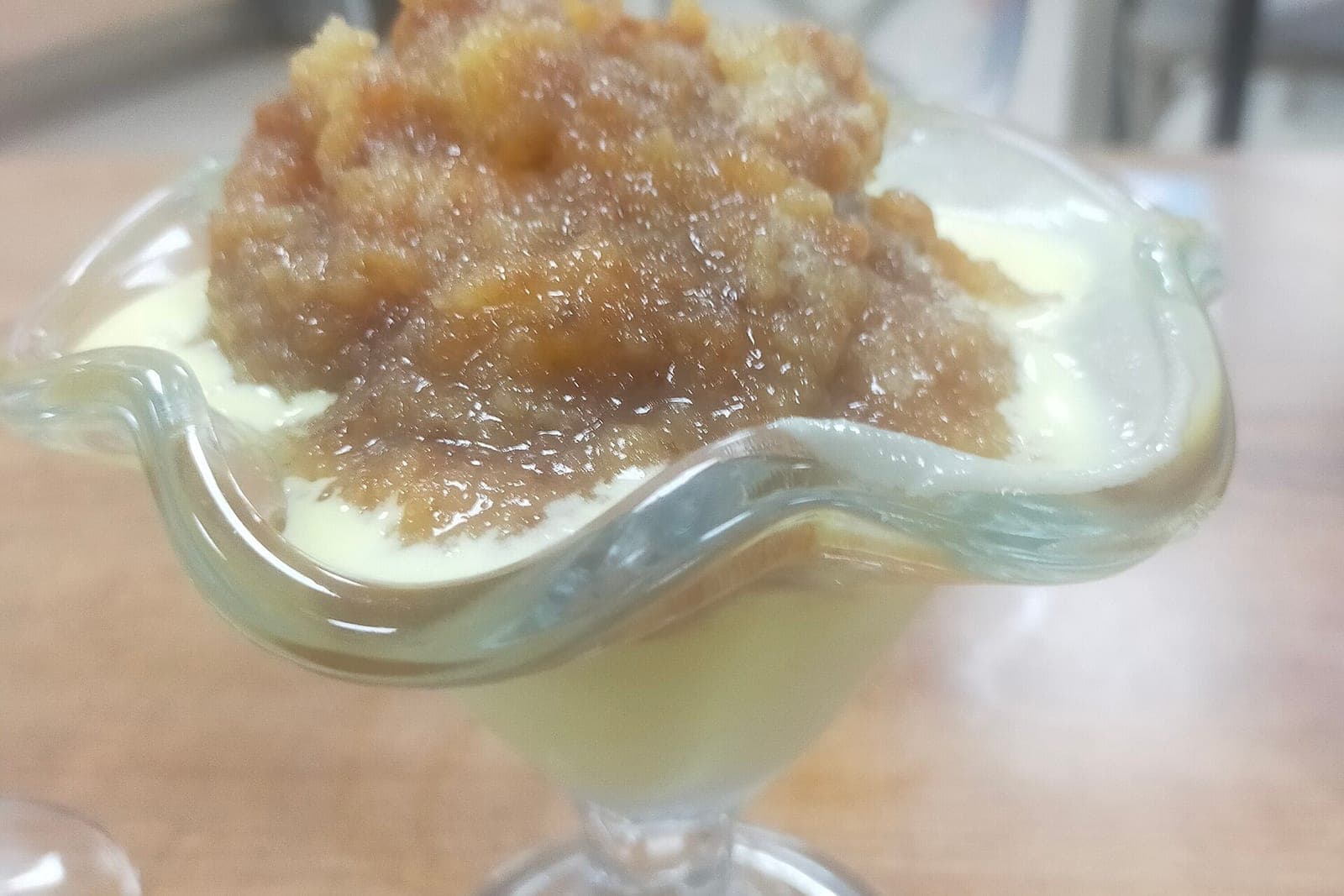
Orotava's popular culture is rounded off by a gastronomy of deep rural and Guanche roots: kneaded or scalded gofio, papas arrugadas (wrinkled potatoes) with red and green mojo, puchero and rancho canario stews, goat cheeses, marinated meats and sweets made with almond and honey. All of it is accompanied by the valley's famous wines —among them the historic Malvasia— and honey rum, in an atmosphere of dances, magos, parrandas and devotion that keeps the town's hallmarks of identity alive.
Keep reading
Photos: Diego Delso (CC BY-SA 3.0) · Mike Peel (CC BY-SA 4.0) · Diego Delso (CC BY-SA 3.0) · Mike Peel (CC BY-SA 4.0) · Mike Peel (CC BY-SA 4.0) · rene boulay (CC BY-SA 3.0) · Oliver Abels (CC BY-SA 4.0) · Wikimedia Commons