Historic Towns
Charming towns with historical heritage
21 places
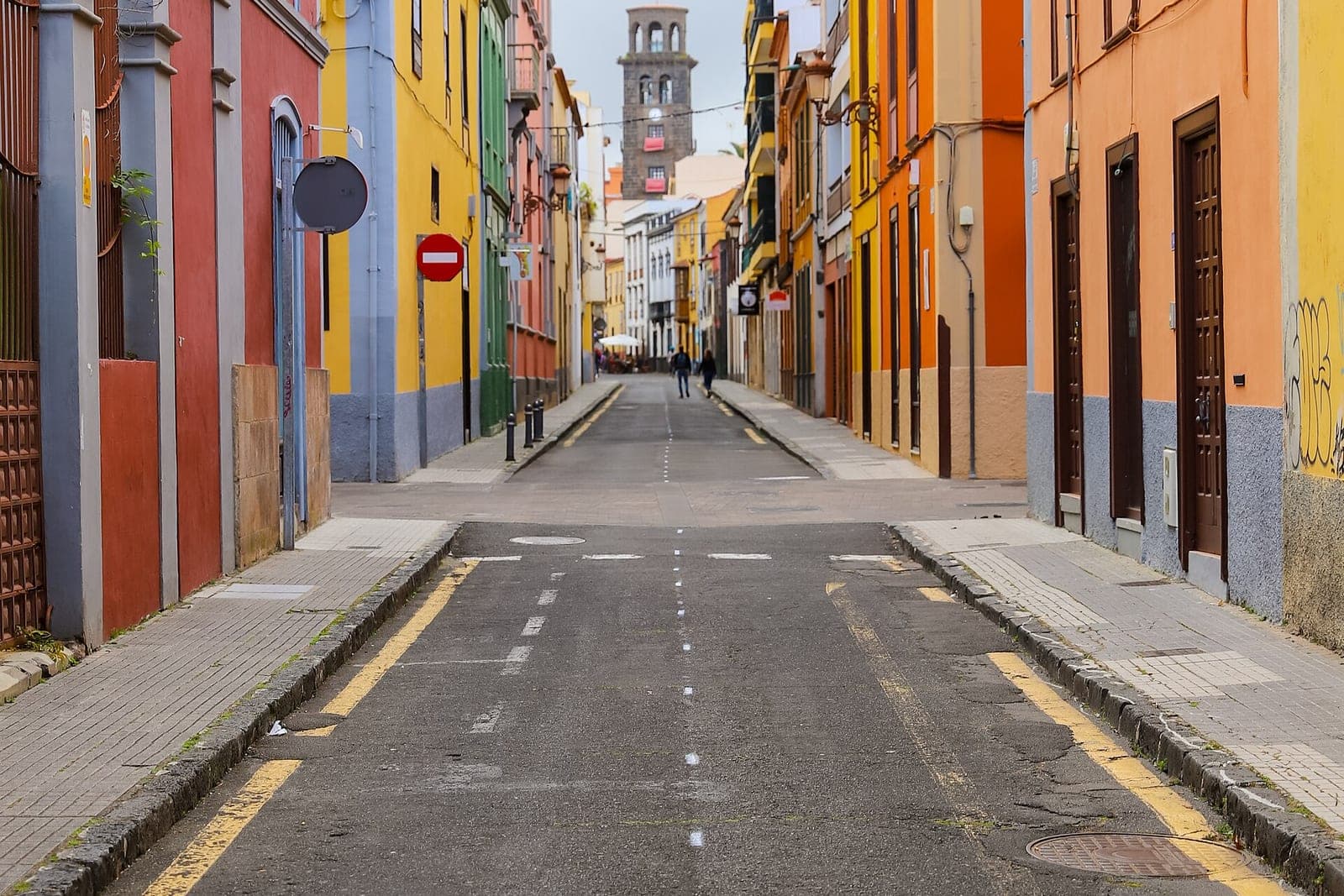
La Laguna - UNESCO Heritage
San Cristóbal de La Laguna was founded between 1496 and 1497 by the Adelantado Alonso Fernández de Lugo and became the first capital of Tenerife.
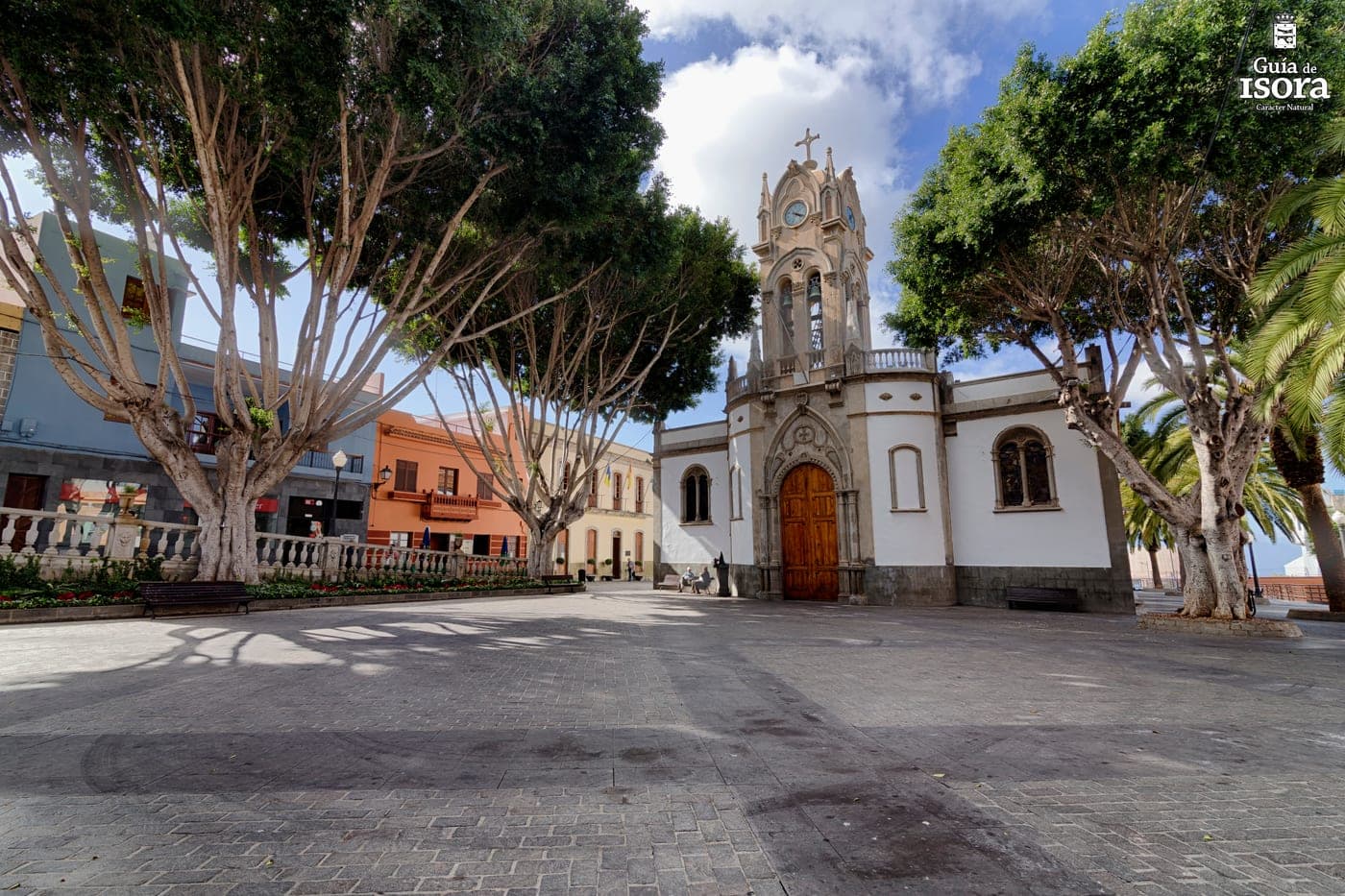
Conjunto Histórico de Guía de Isora
The old town of Guía de Isora was declared a Site of Cultural Interest with the category of Historic Ensemble in 2009, for the preservation of its valuable architectural heritage.
Aldea Blanca
Aldea Blanca is one of the population centres on the middle and lower strip of the municipality of San Miguel de Abona, set in the transition between the agricultural uplands and the tourist coast. Like other hamlets in the area, it grew especially from the second half of the 20th century, when the rural exodus and the boom in tourism and the service sector shifted the population's weight from the historic centre towards the south of the district. Its name —"White Village"— evokes the traditional hamlet of whitewashed houses that gave character to these upland settlements. Today Aldea Blanca combines its rural roots —with terraced plots, crops and the memory of an agricultural economy of potatoes and cereals— with residential growth linked to the nearby coast, golf courses and the commercial and service areas that shape the municipality's daily life.
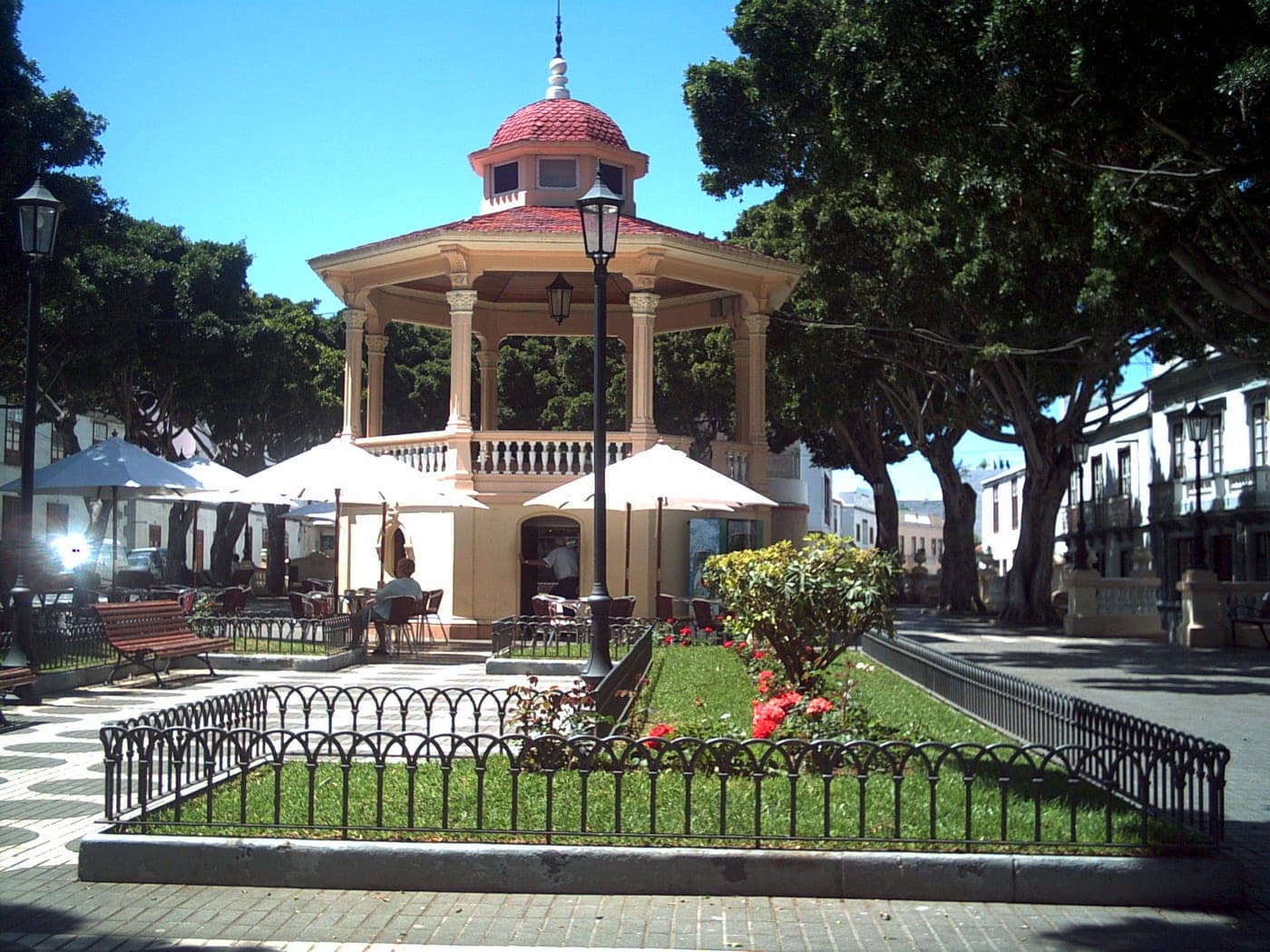
Casco histórico de Los Silos
The town's traditional core is laid out around the Plaza de la Luz, where the parish church and the old convent of San Sebastián face each other, the two great landmarks of the town. Its quiet streets preserve Canarian-style mansions, with pine-wood balconies, courtyards and whitewashed façades, testimony to the agricultural prosperity of the 18th and 19th centuries. The square, shaded and lively, is the centre of social life and the heart of the International Storytelling Festival each December. Walking through the old town lets you read the history of Los Silos: from the cereal that gave it its name and Gonzalo Yanes's grain silos, to the conventual splendour and the banana-growing town that took shape in the 20th century. It is a human-scaled ensemble, ideal for exploring slowly on foot.
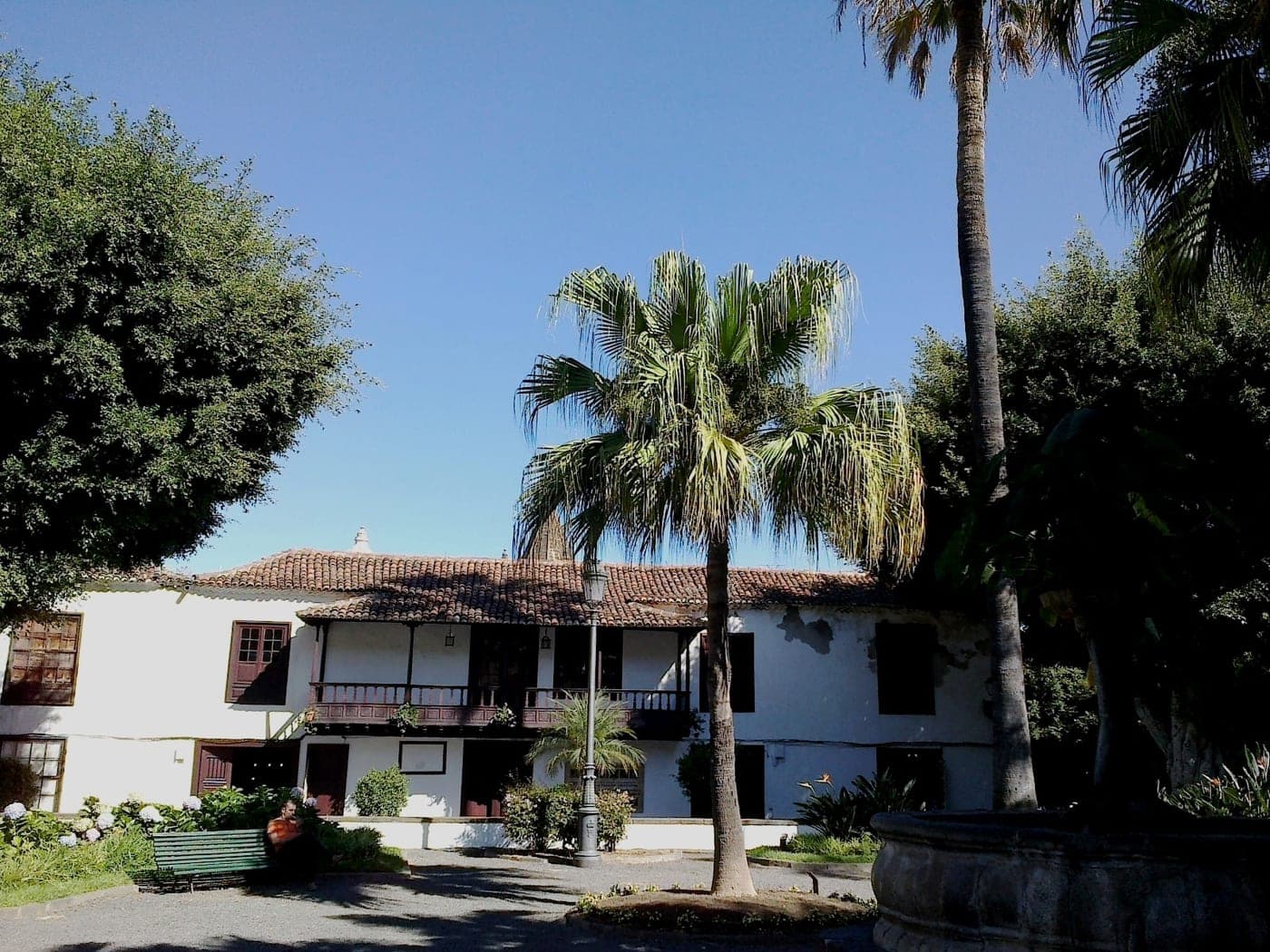
Plaza de la Pila
This is one of the most emblematic and beloved squares in Icod's historic centre. Its origins date back to the 17th century: in 1631 a group of neighbours agreed to build it and it was inaugurated in…
Arico Nuevo (Conjunto Histórico)
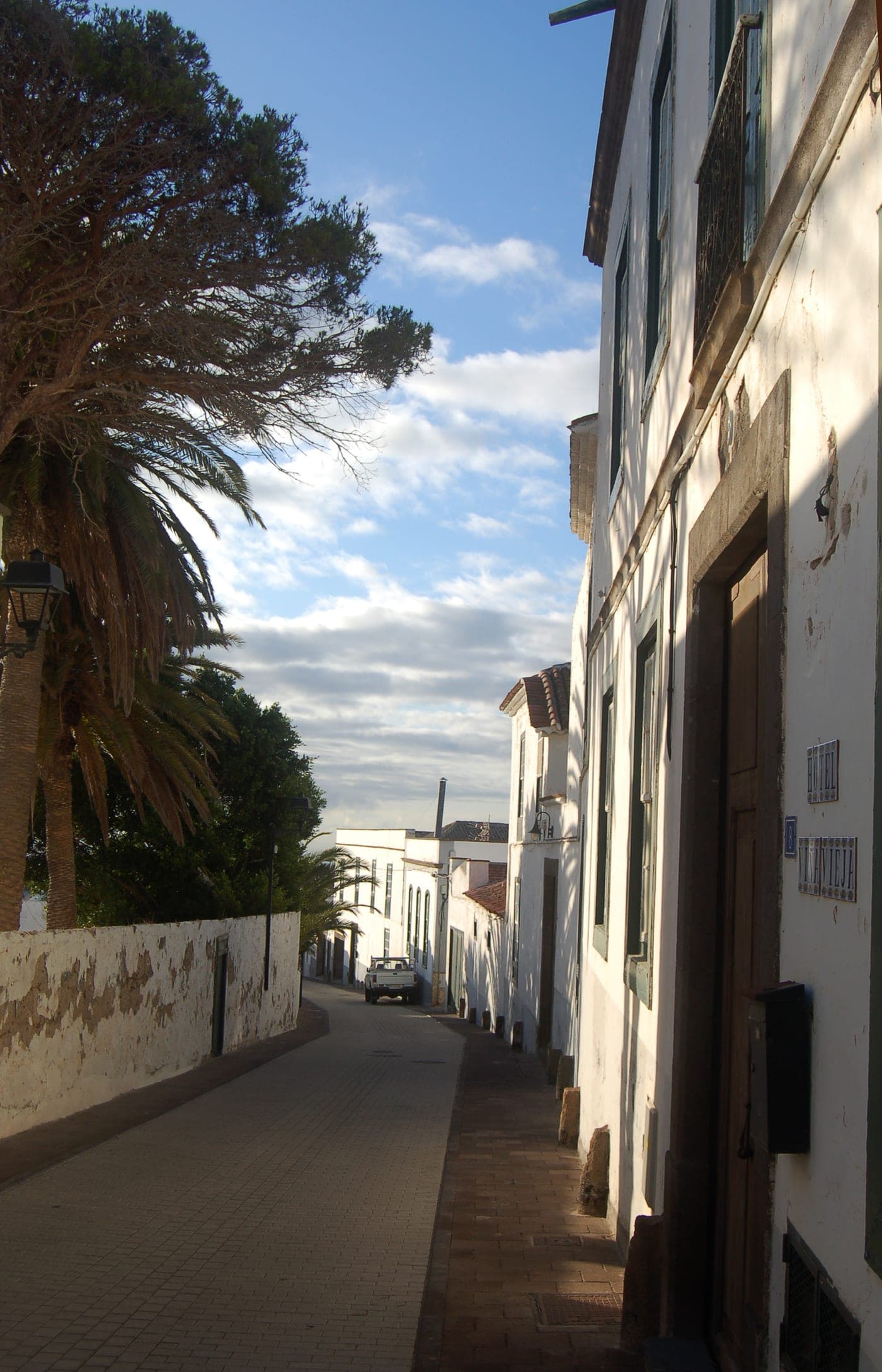
Arico Nuevo is one of the best-preserved rural hamlets in Tenerife and is declared a Site of Cultural Interest with the category of Historic Ensemble. Its value lies in an almost intact layout of traditional whitewashed houses, with white walls, stone corners and gabled tiled roofs, arranged around narrow lanes, threshing floors and gardens. Walking through its streets is like travelling back to the Canarian domestic architecture of the 18th and 19th centuries, when the settlement consolidated around midland agriculture. The harmony of the white lime against the ochre landscape, the absence of noise and the feeling of a village frozen in time make this ensemble an essential visit for understanding the traditional rural world of the island's south.
Garachico
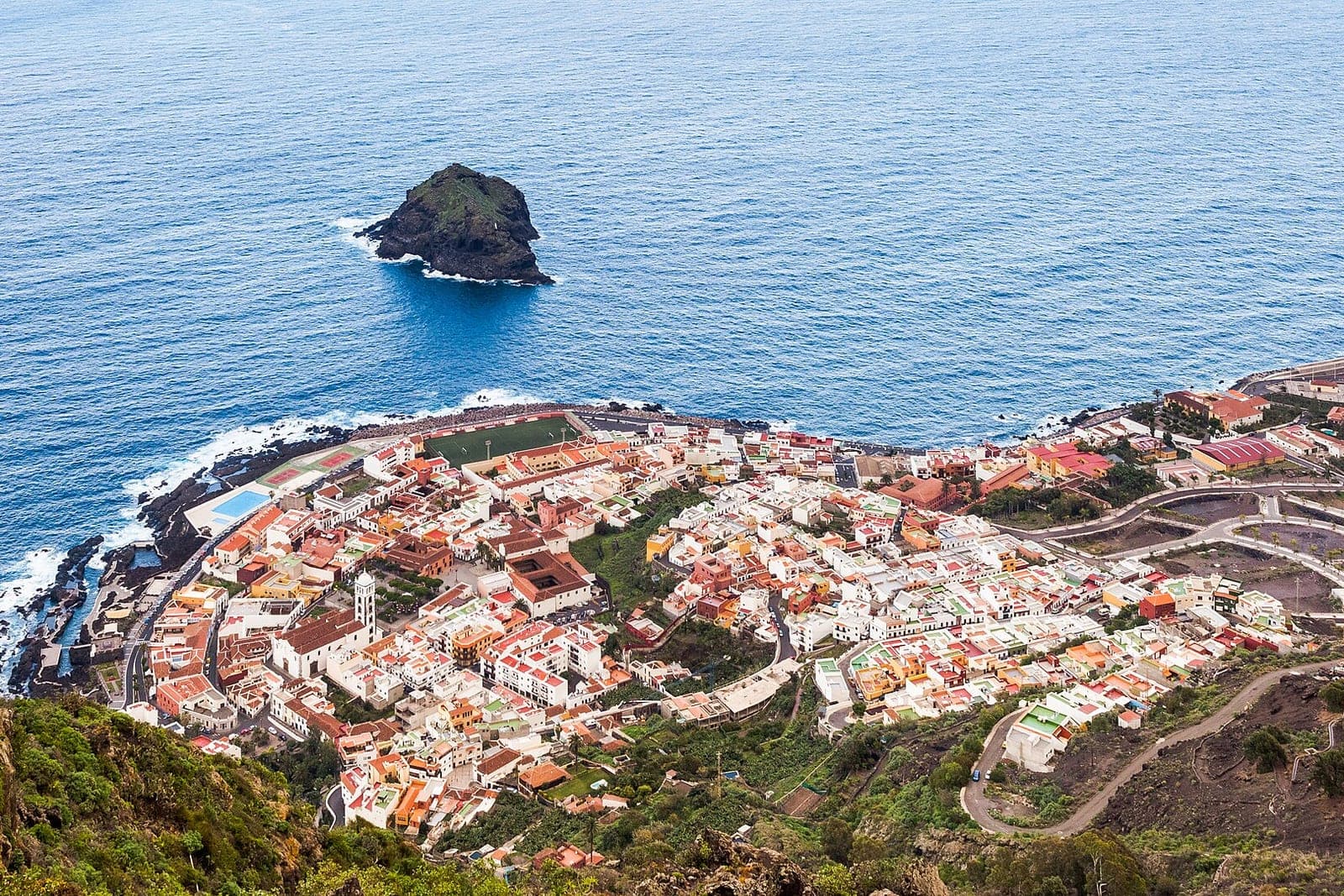
Founded in 1496, Garachico was Tenerife's main commercial port during the 16th and 17th centuries, exporting wine and sugar to the Americas and Europe, which made it a prosperous town rich in convents
Caserío de Icor
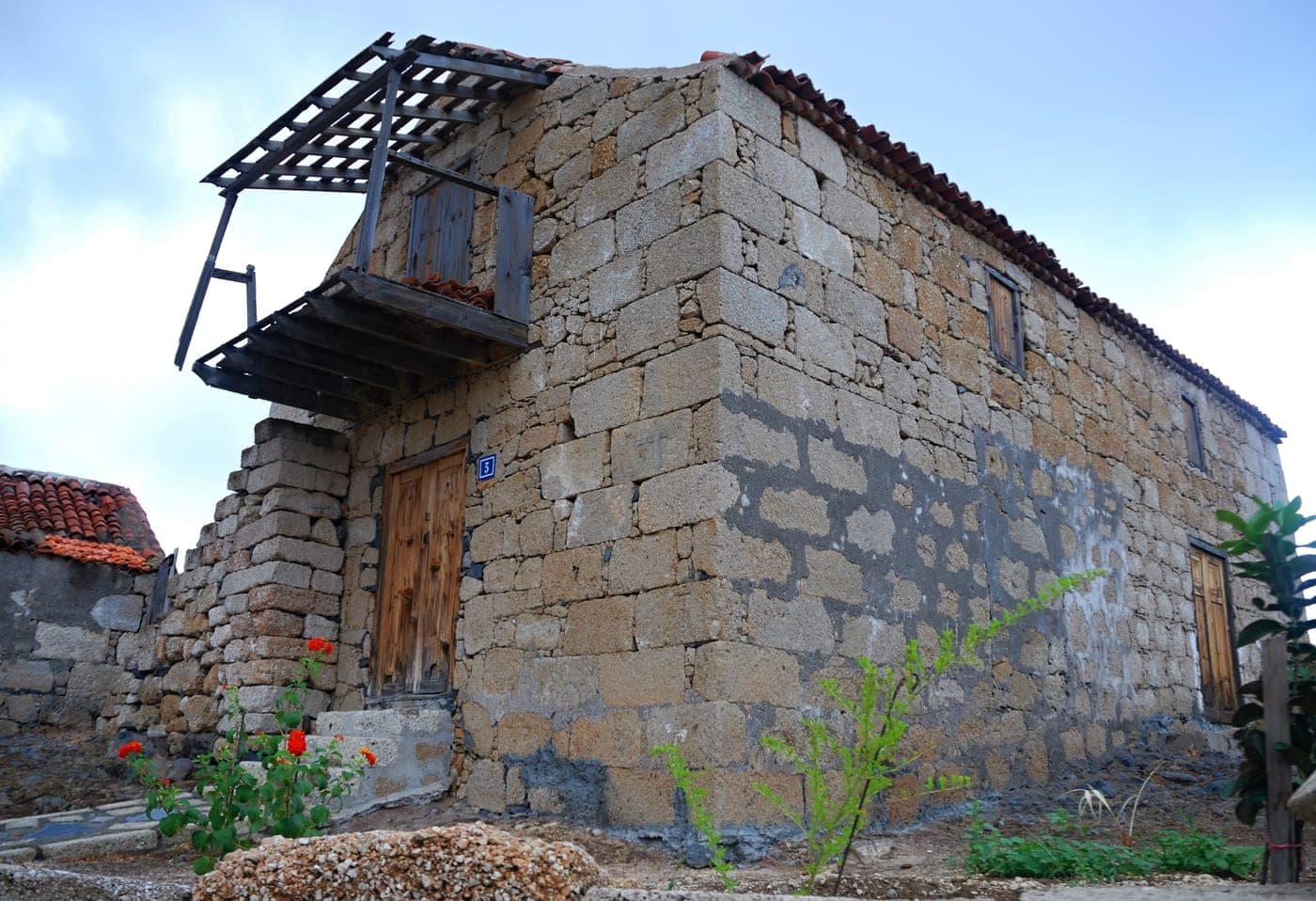
The hamlet of Icor, of aboriginal origin—its name comes from the Guanche language and has been interpreted as 'fig grove'—is one of the most singular historic enclaves in Arico. Although its origins are pre-Hispanic, the settlement consolidated in the 18th century with the construction of numerous traditional dwellings. Today it preserves a valuable example of Canarian rural architecture, with one- and two-storey houses built in stone and lime, spread across terraced terrain between ravines. It was declared a Site of Cultural Interest with the category of Historic Ensemble in 2005 (Decree 76/2005). The hamlet also has a hermitage and lies in the municipality's midlands, in an agricultural setting that evokes the traditional life of southern Tenerife's communities.
La Esperanza
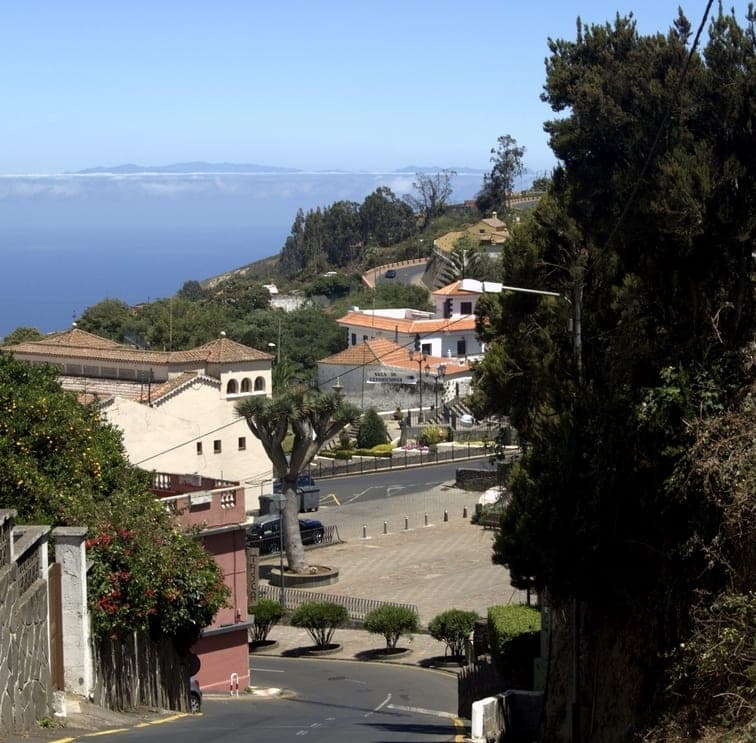
La Esperanza is the administrative capital of El Rosario and its most distinctive settlement, set at around 880-900 metres above sea level on the Pedro Gil ridge, barely fifteen kilometres from Santa Cruz. It is the gateway to the highlands: the road climbing towards the pine forest, Las Raíces and Mount Teide starts here, which has made the village an essential stop for hikers and nature lovers. It retains a rural, cool atmosphere, with clean air among Canary pine woods, where long-standing local families live alongside new residents. It hosts the Town Hall, the court and the main municipal services, as well as the church of Our Lady of La Esperanza, whose name is linked to the vow of the Adelantado Alonso Fernández de Lugo. Its grilled-meat cuisine, its guachinches (rustic taverns) and the traditional manta esperancera shawl complete the identity of a midland village proud of its roots.
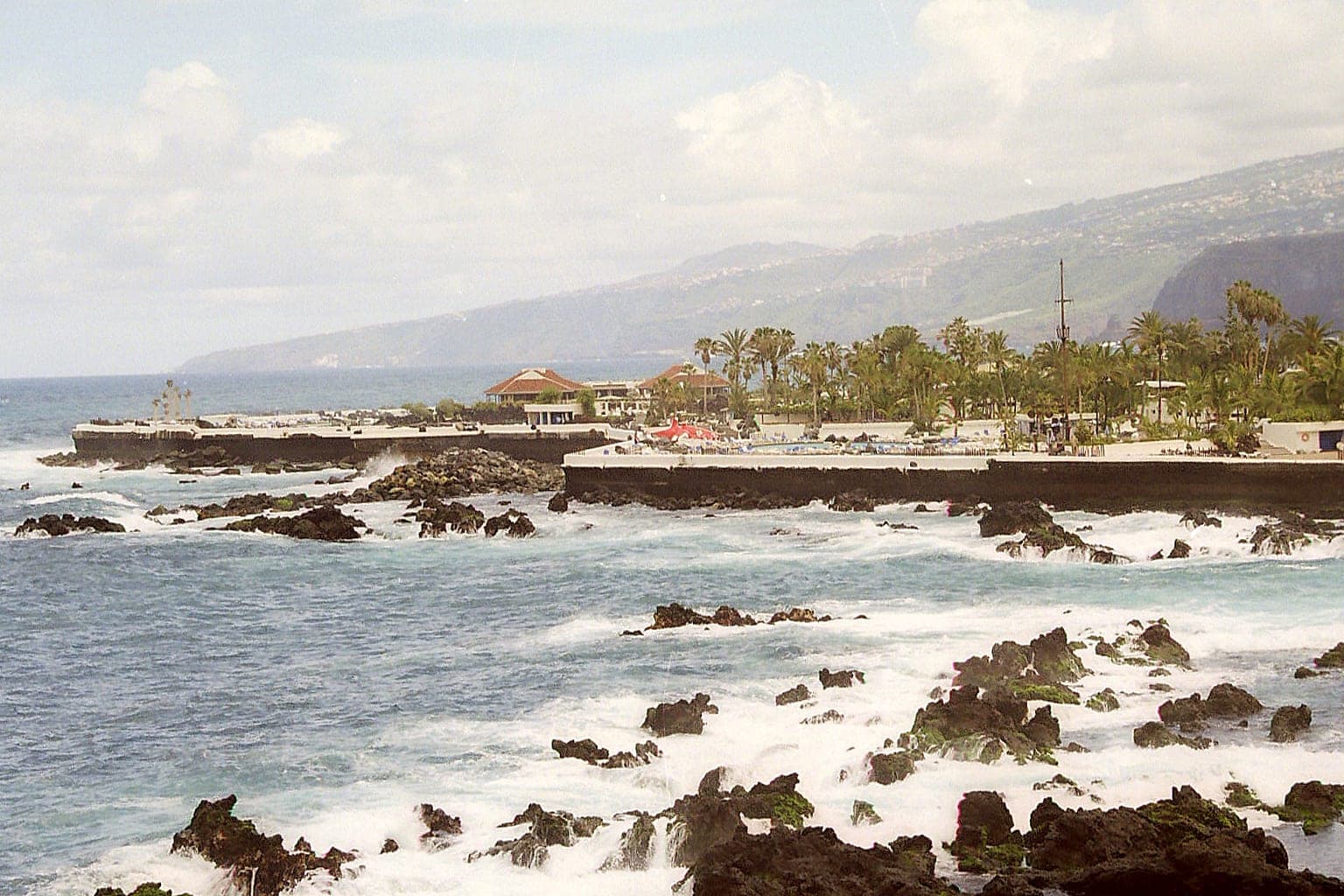
Puerto de la Cruz
A seafaring town in northern Tenerife, the cradle of tourism in the Canary Islands, with an old town listed as a Site of Cultural Interest.
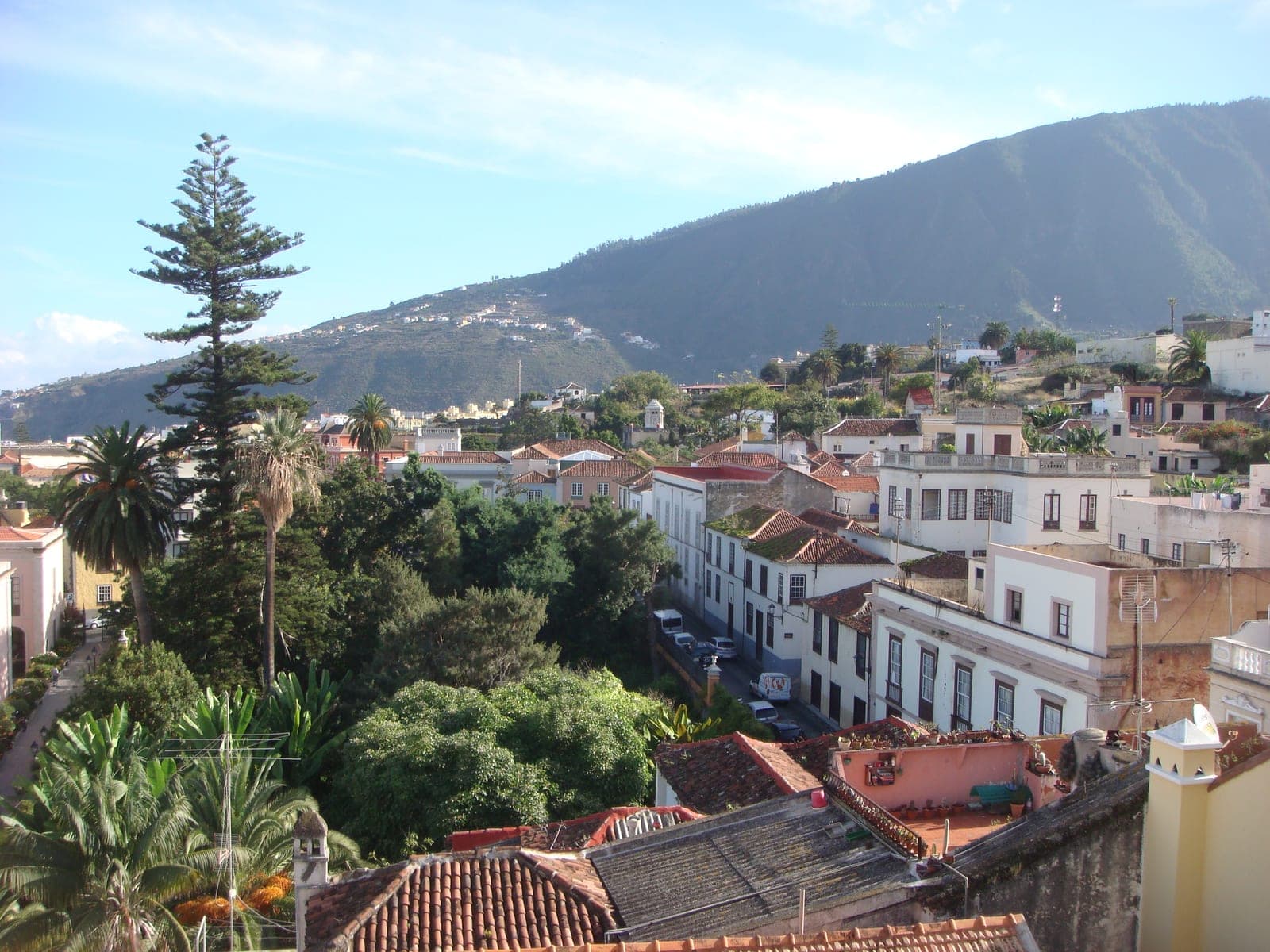
La Orotava
A historic town in the heart of the Orotava Valley, a jewel of traditional Canarian architecture.
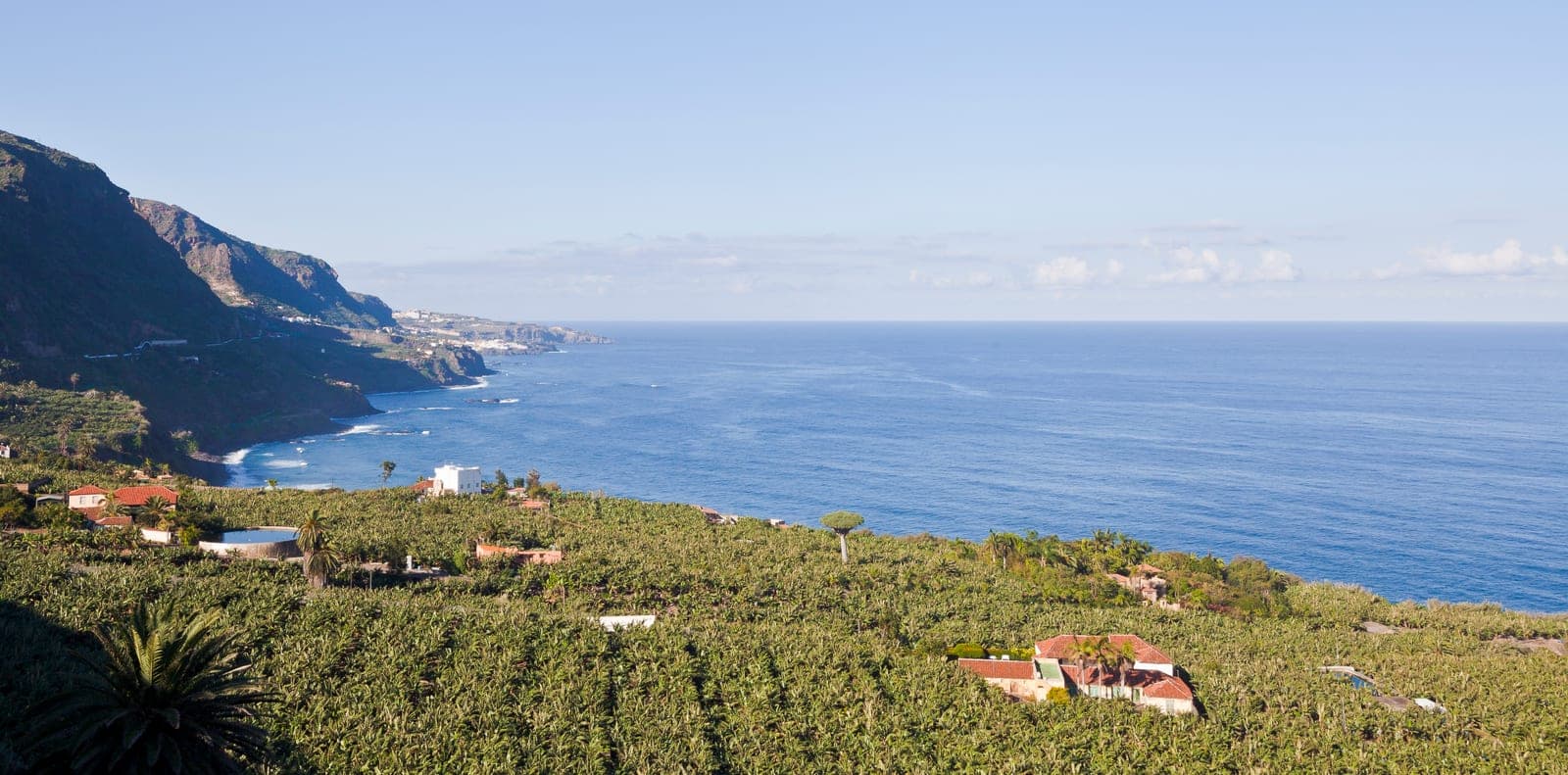
Los Realejos
A historic town in northern Tenerife, known as the Spanish town with the most fiestas.
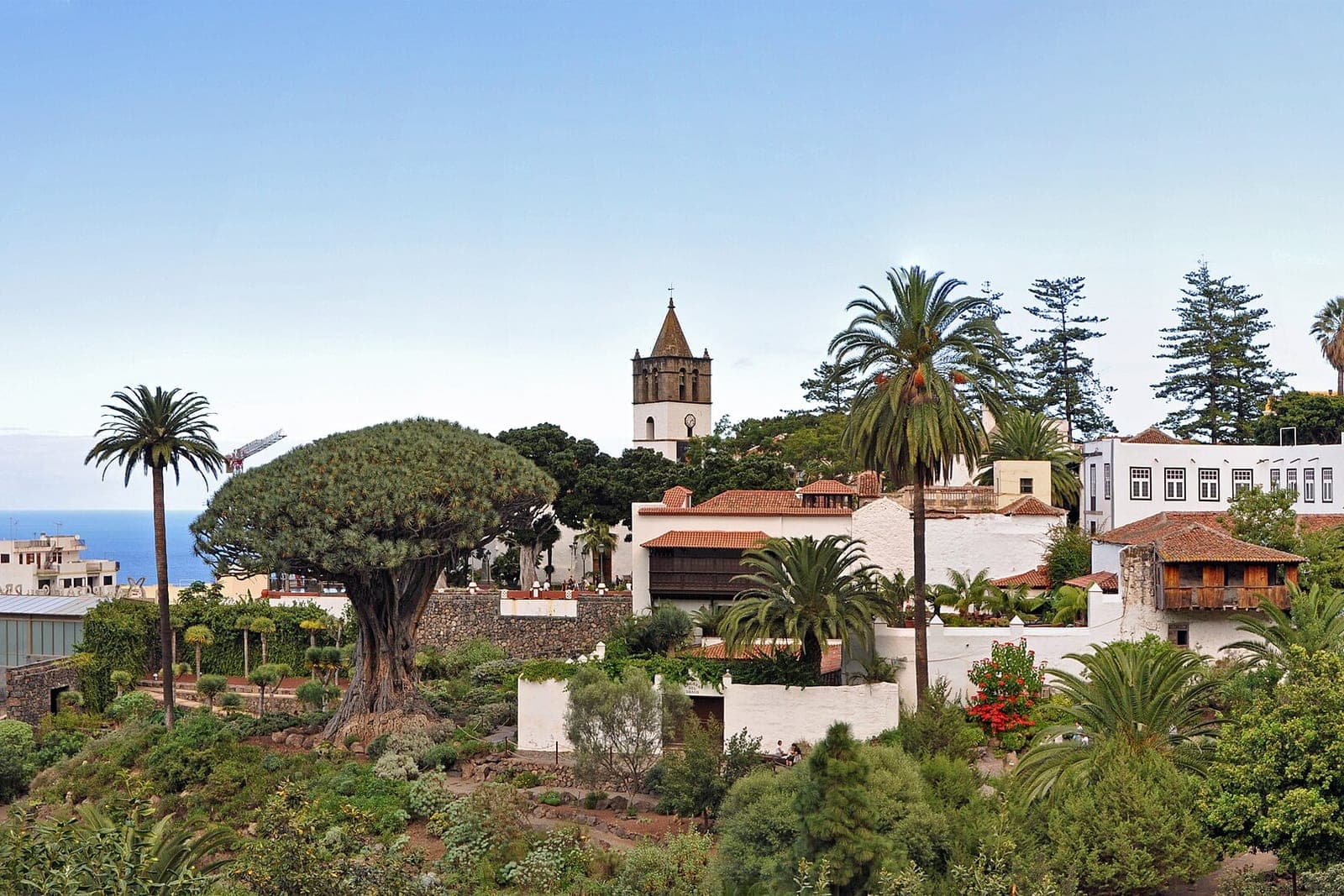
Icod de los Vinos
Home of the Millennial Dragon Tree, the oldest of its species
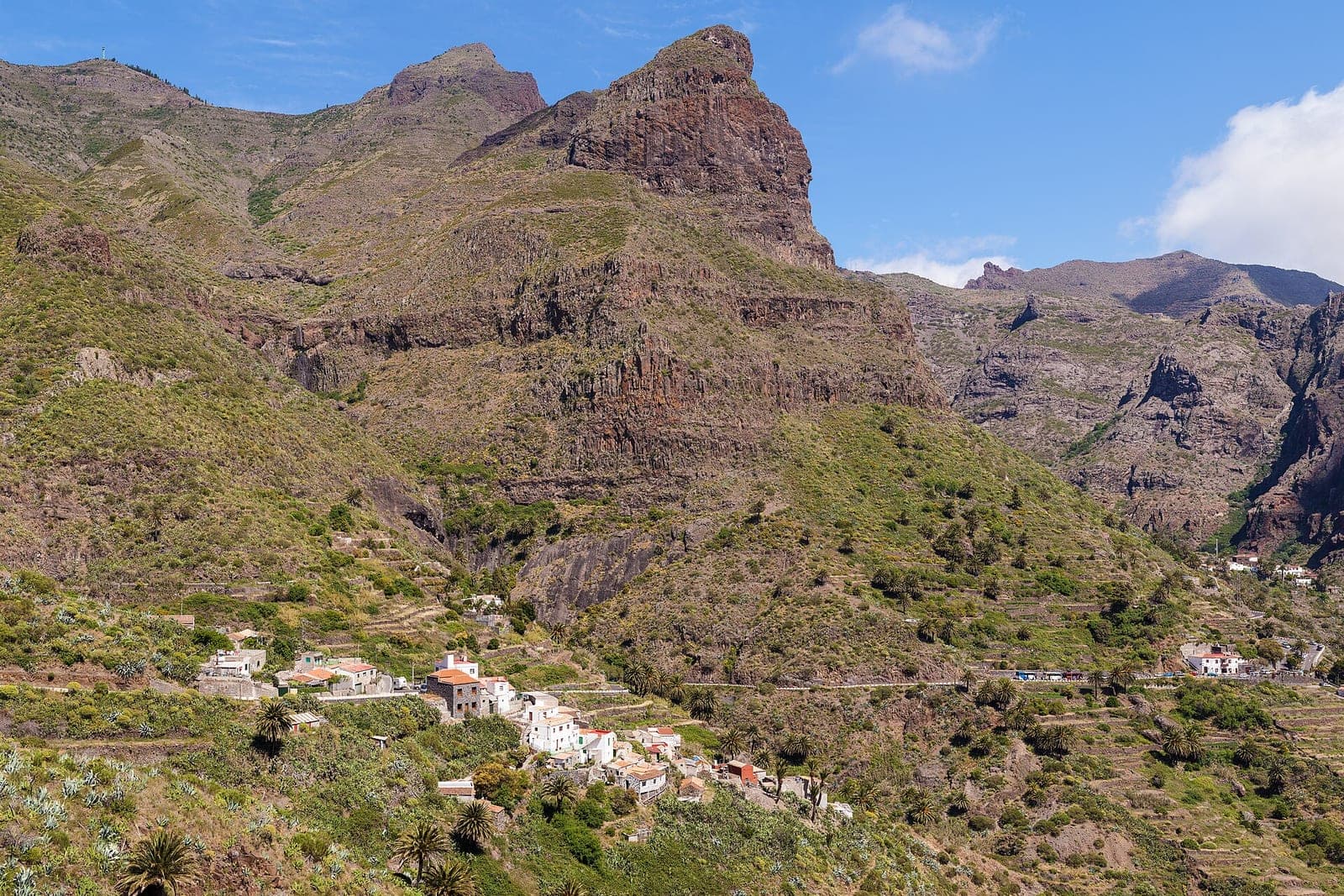
Masca
Tenerife's most famous hidden village, with 90 inhabitants
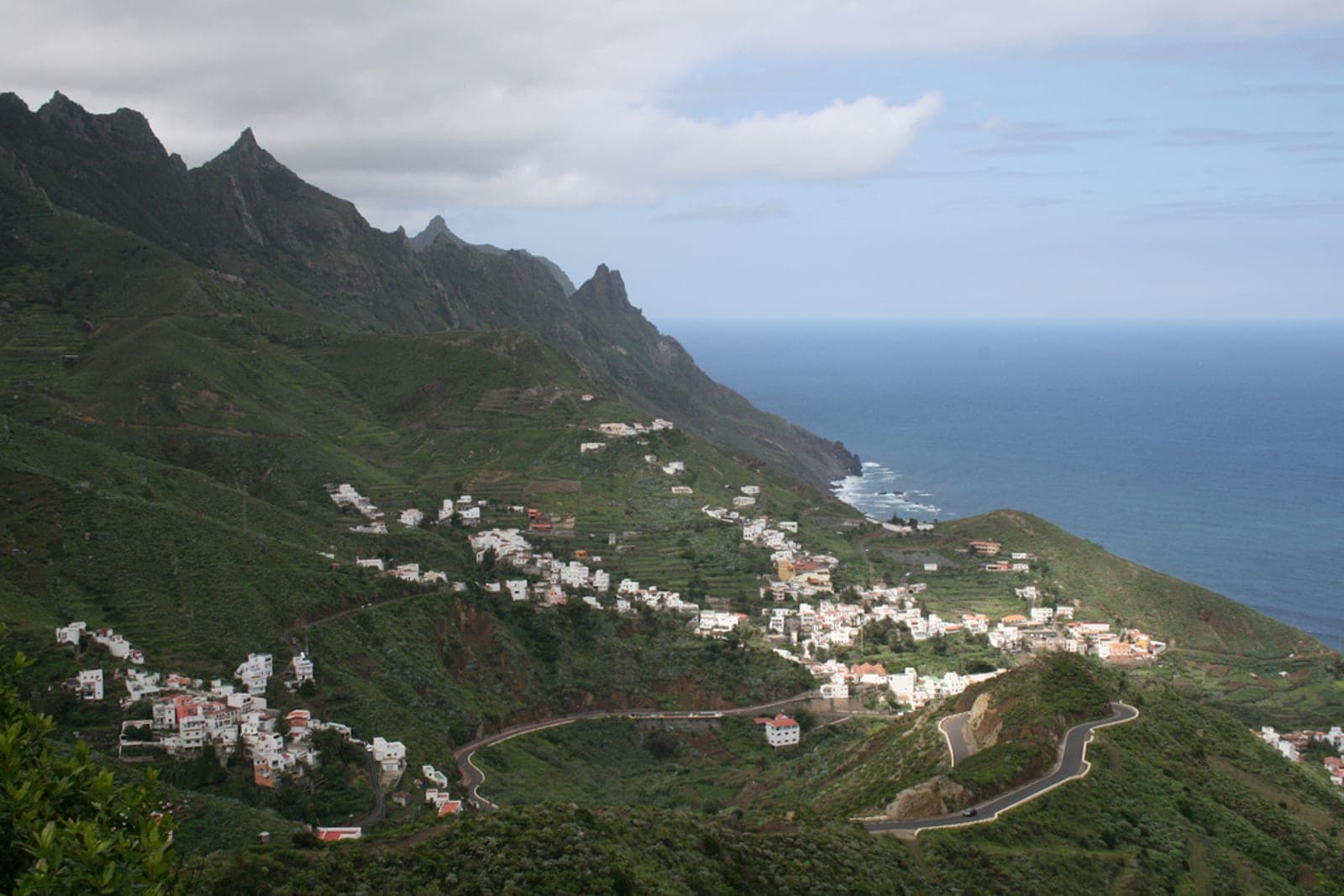
Taganana
Remote fishing village with vineyards and a 16th-century church
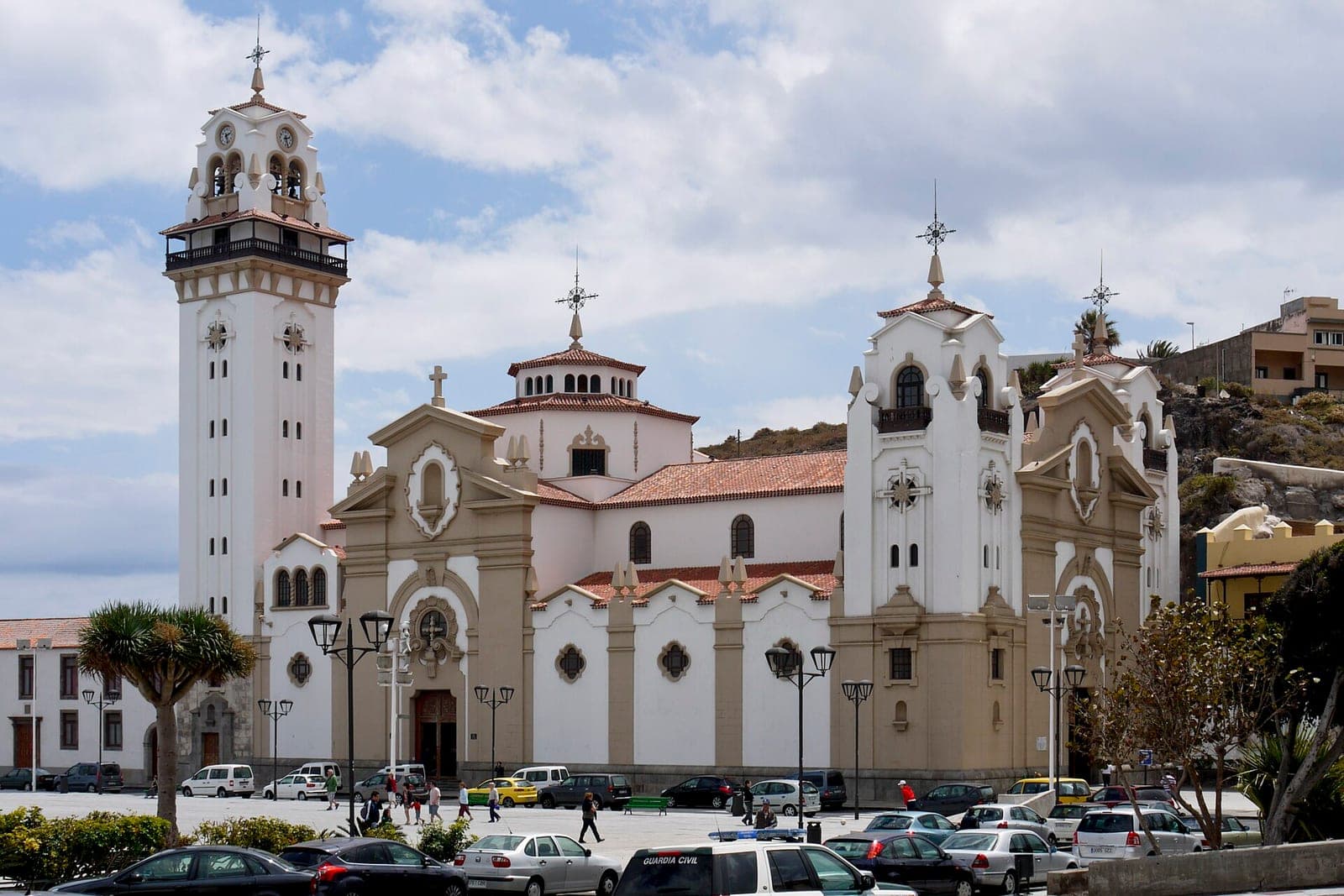
Candelaria
Basilica of the patron saint and Guanche statues
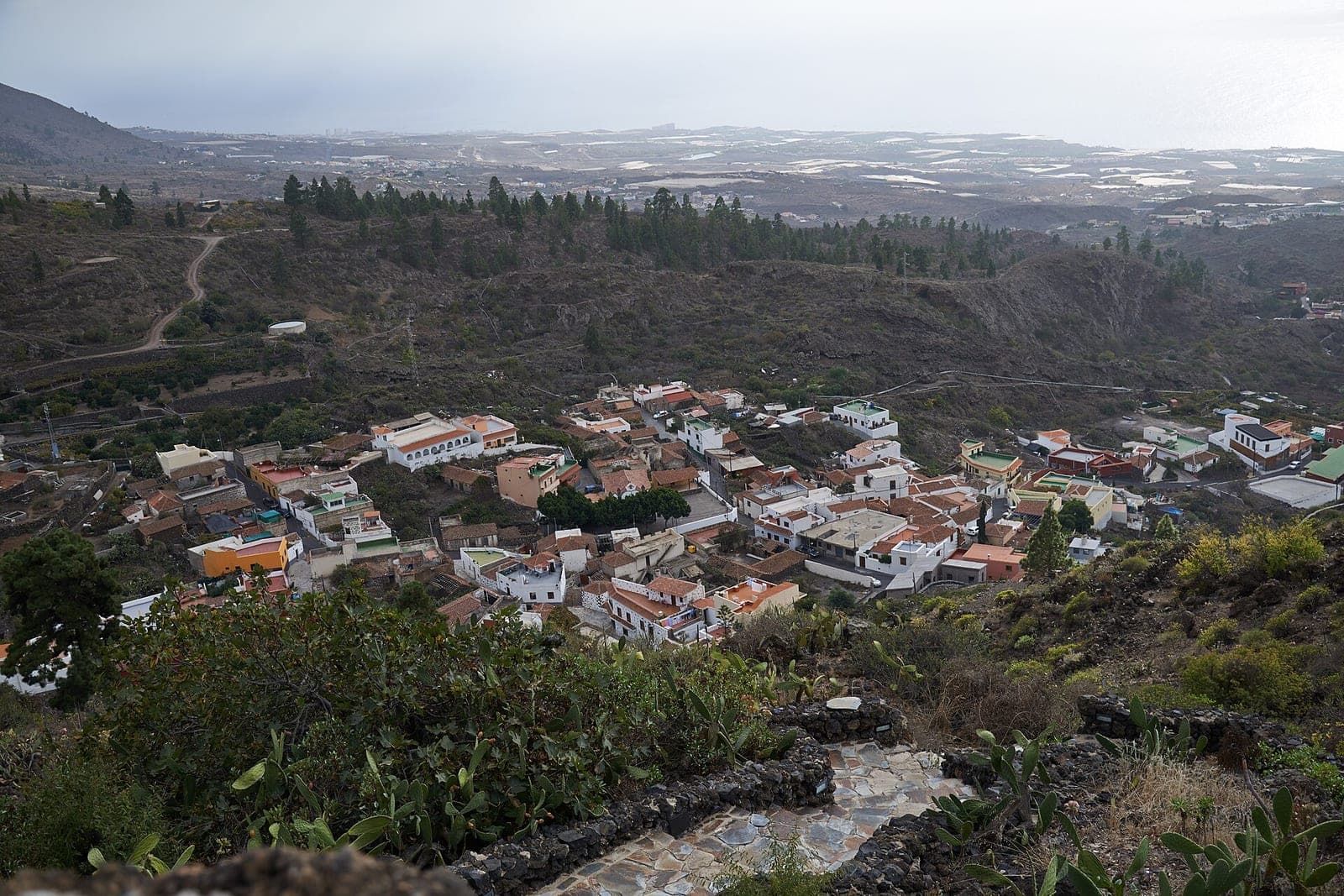
Chirche
Mountain village with traditional architecture and hiking trails
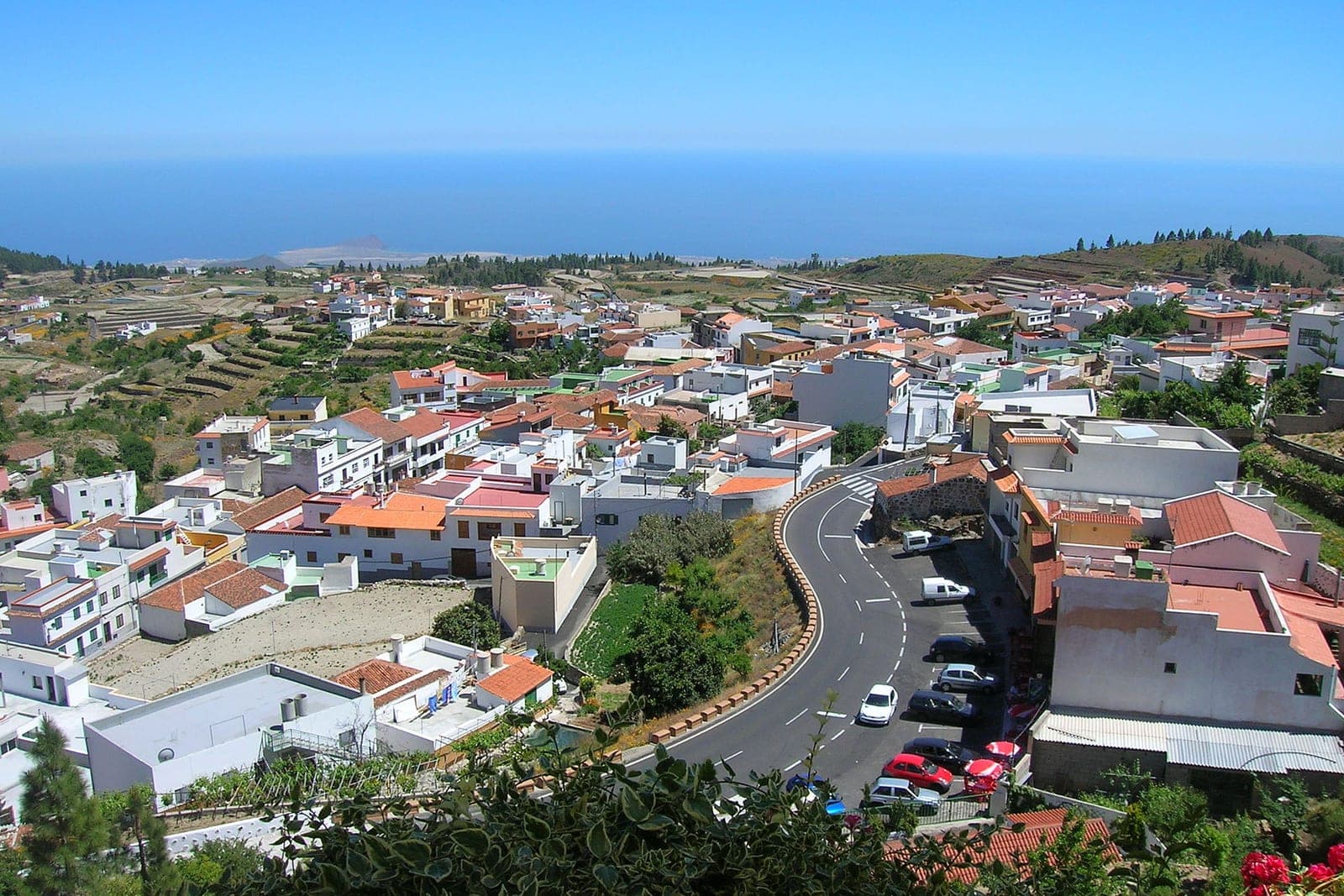
Vilaflor, One of the Highest Villages in Spain
One of the highest villages in Spain at 1,400 m, gateway to Teide
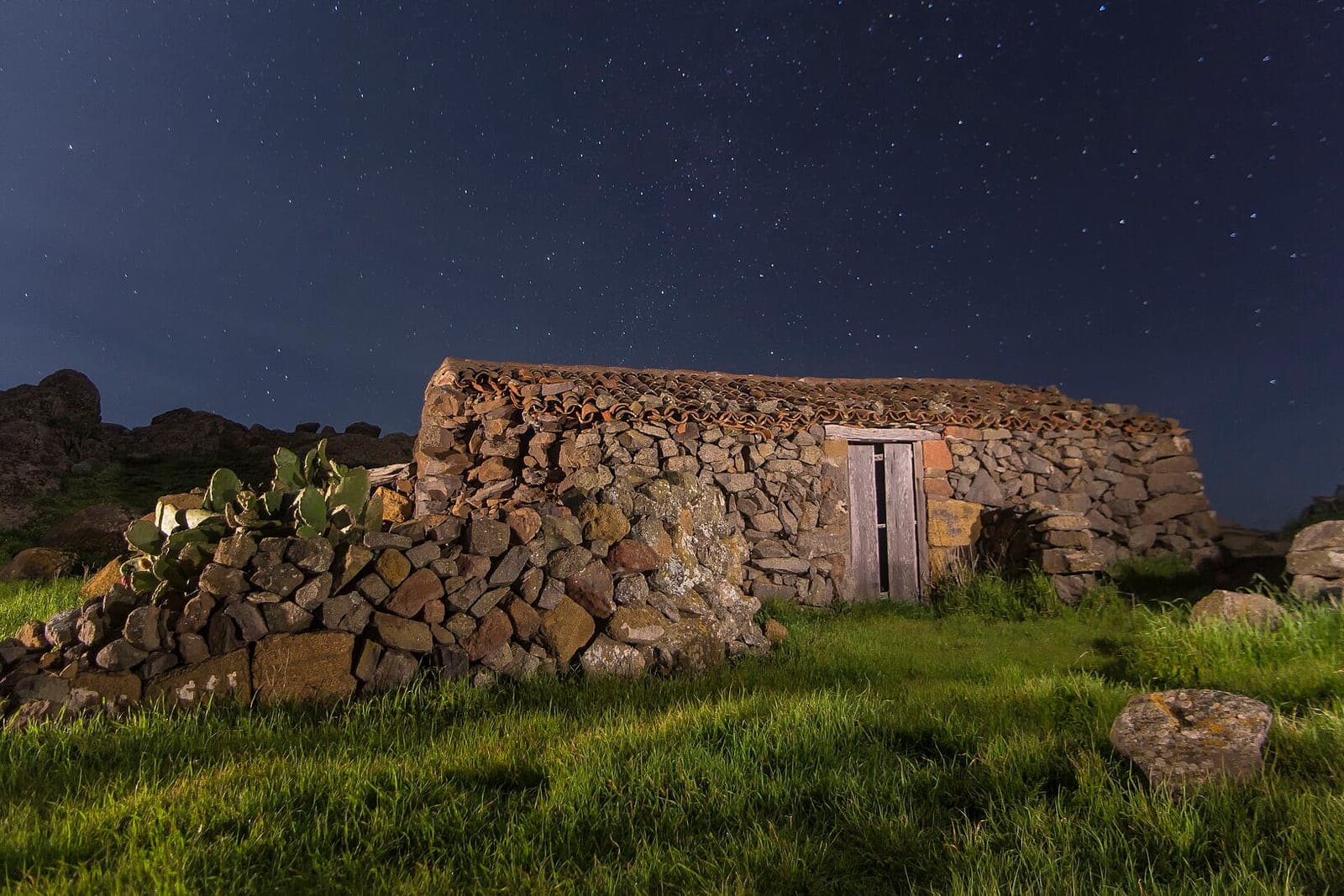
Teno Alto
Goat herding hamlet at the end of the road in the Teno mountains
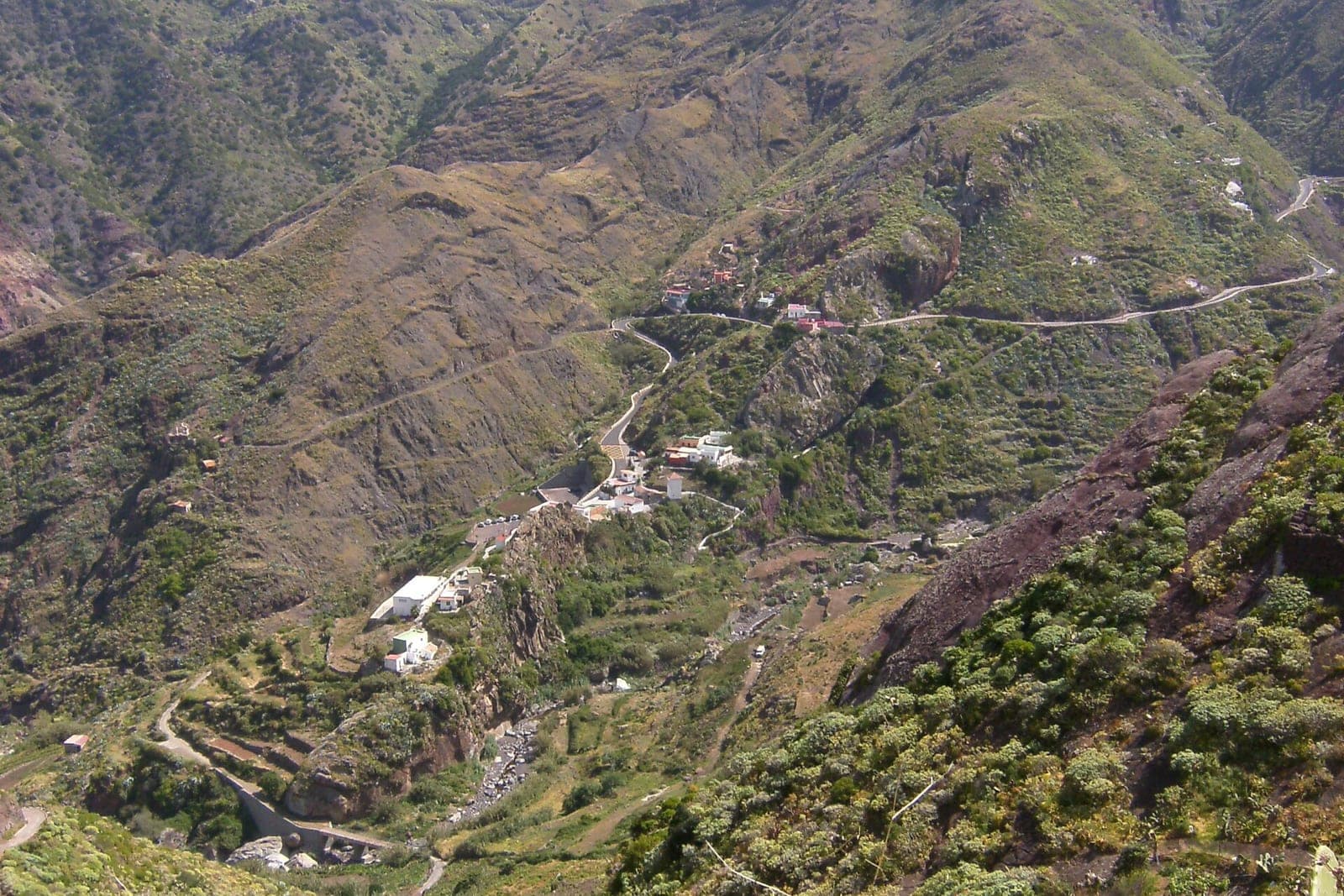
Afur
Anaga village, start of the trail to Playa de Tamadite
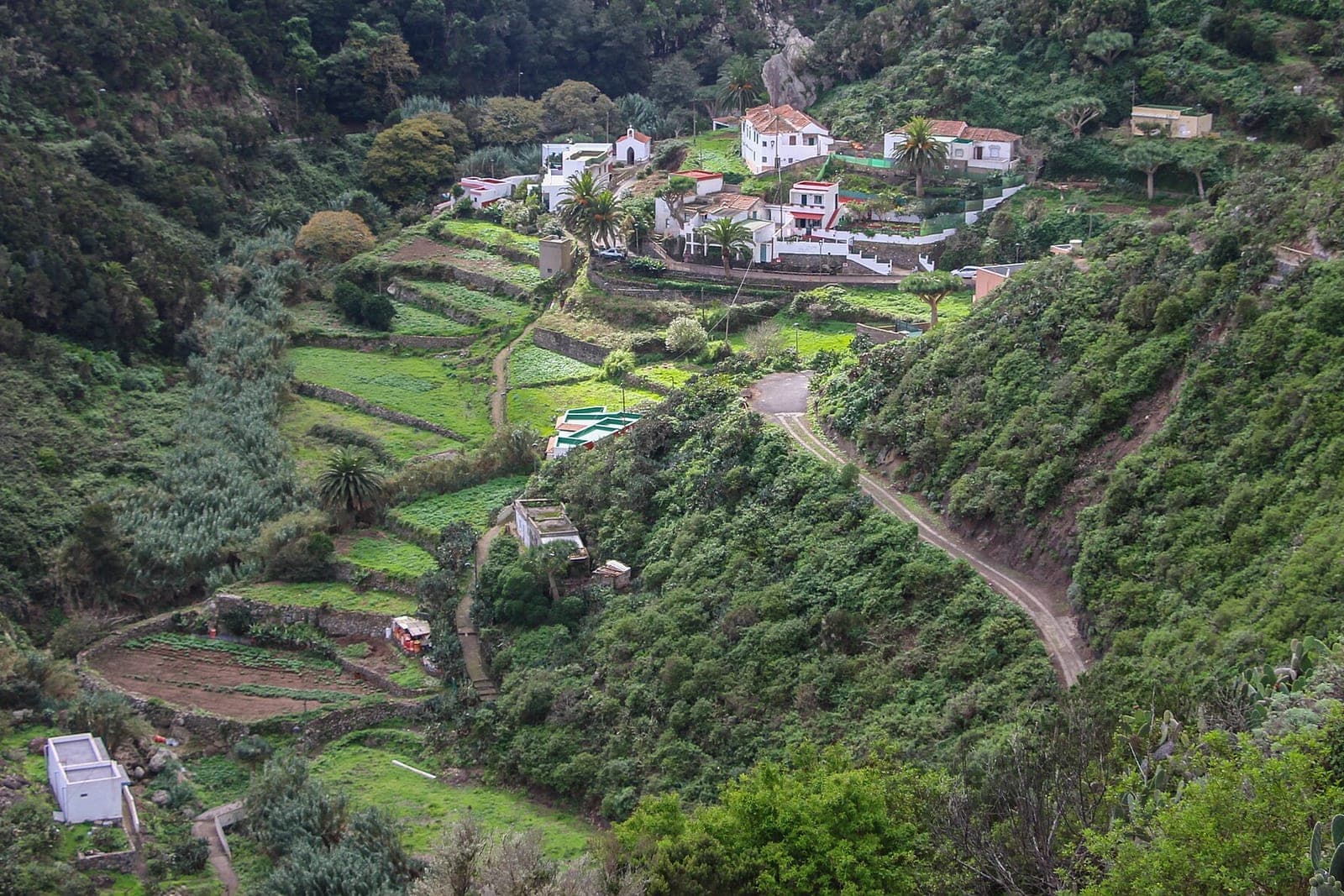
Chamorga
The most remote village in Anaga, at the end of the road