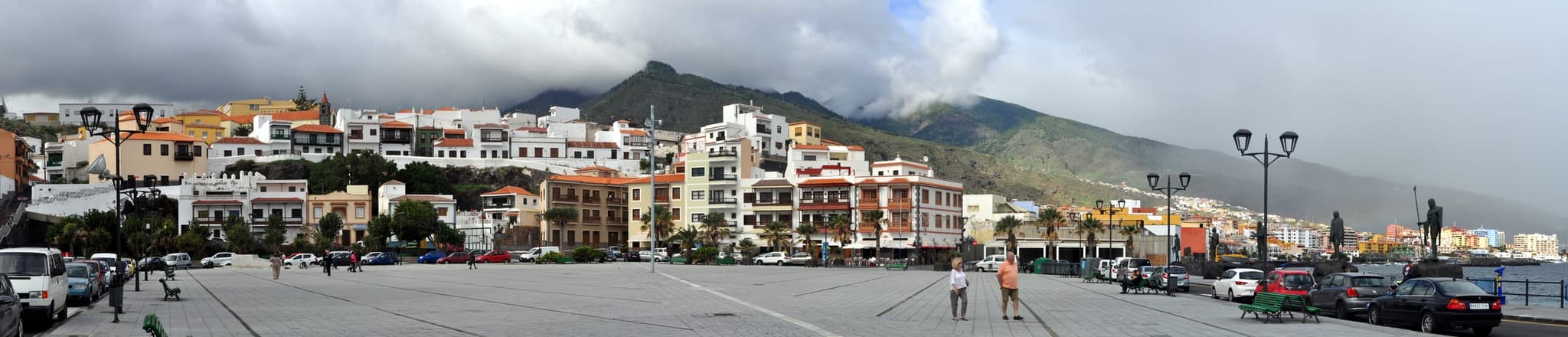
History of Tenerife
From the Guanches to the present day: more than two thousand years of aboriginal peoples, conquest, Atlantic trade and volcanoes that rewrote the map of the island.
Tenerife cannot be understood without its history. Before becoming a sun-and-beach destination, the island was home to an aboriginal people of North African origin, the setting of a conquest that lasted years, and witness to volcanic eruptions that changed the lives of its towns forever.
This is a chronological guide to understanding the island: who the Guanches were, how and when it was incorporated into the Crown of Castile, what made it prosperous in colonial times, and which volcanoes literally wrote part of its geography. At the end you will find the places where you can still touch that history with your own hands.
The Guanches, the first people of Tenerife
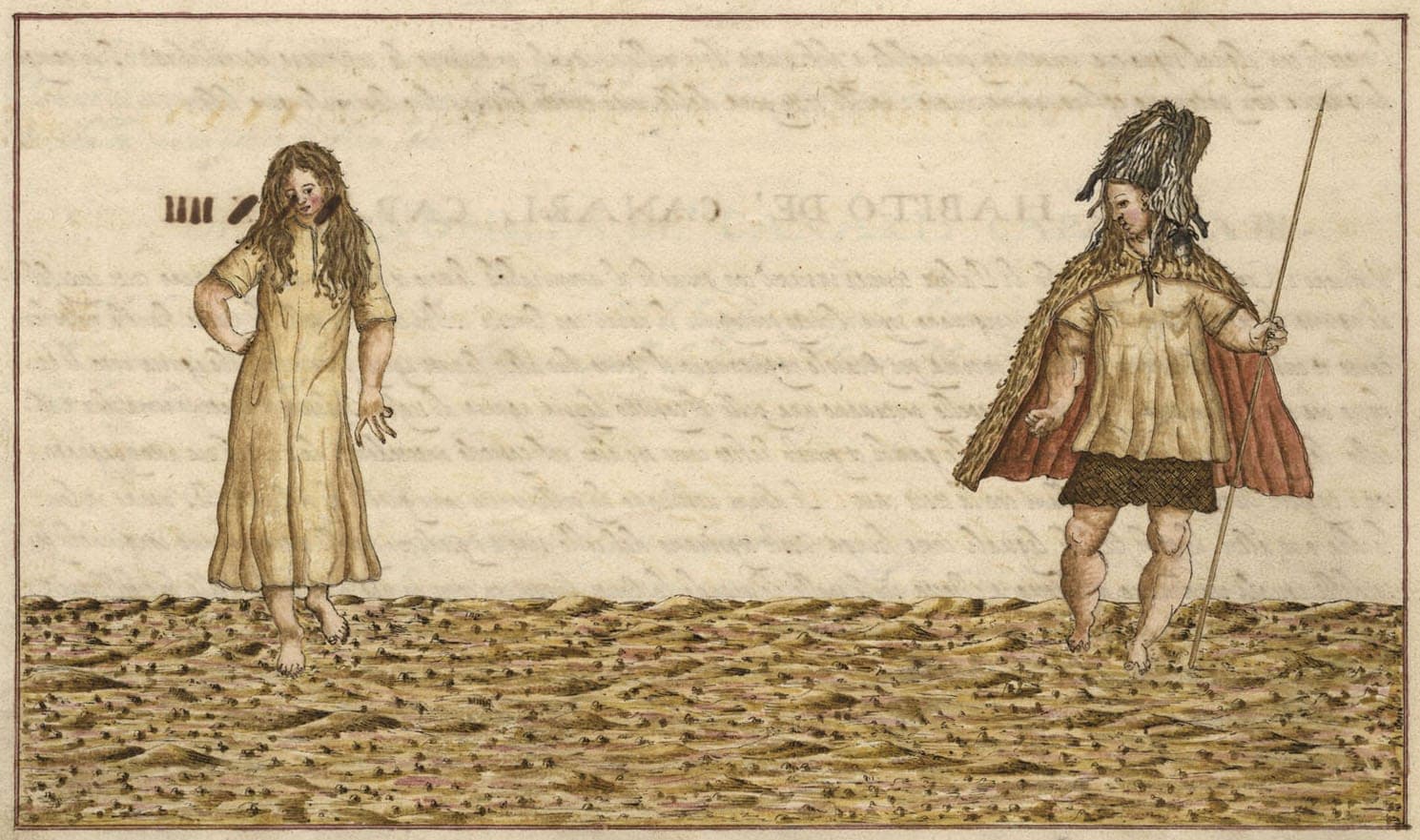
The Guanches were the aboriginal people of Tenerife. Ancient DNA genetic studies confirm their North African origin, related to the Berber (Amazigh) peoples of the Maghreb.
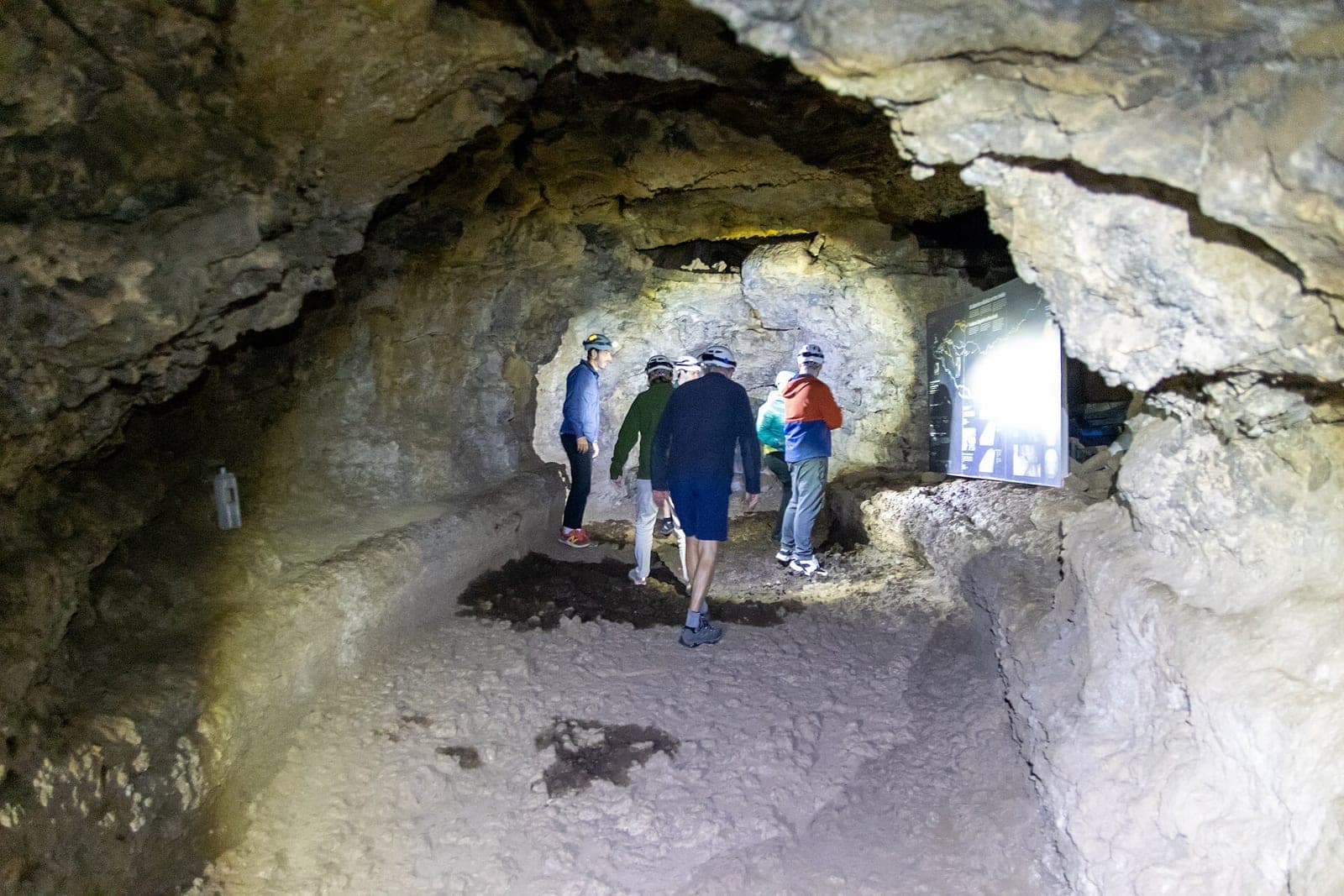
They reached the island in the first millennium BC. The oldest archaeological datings in Tenerife —at sites such as the Cueva de los Guanches, in Icod de los Vinos— are placed around the 6th century BC, although the exact date of the first settlement is still being studied.
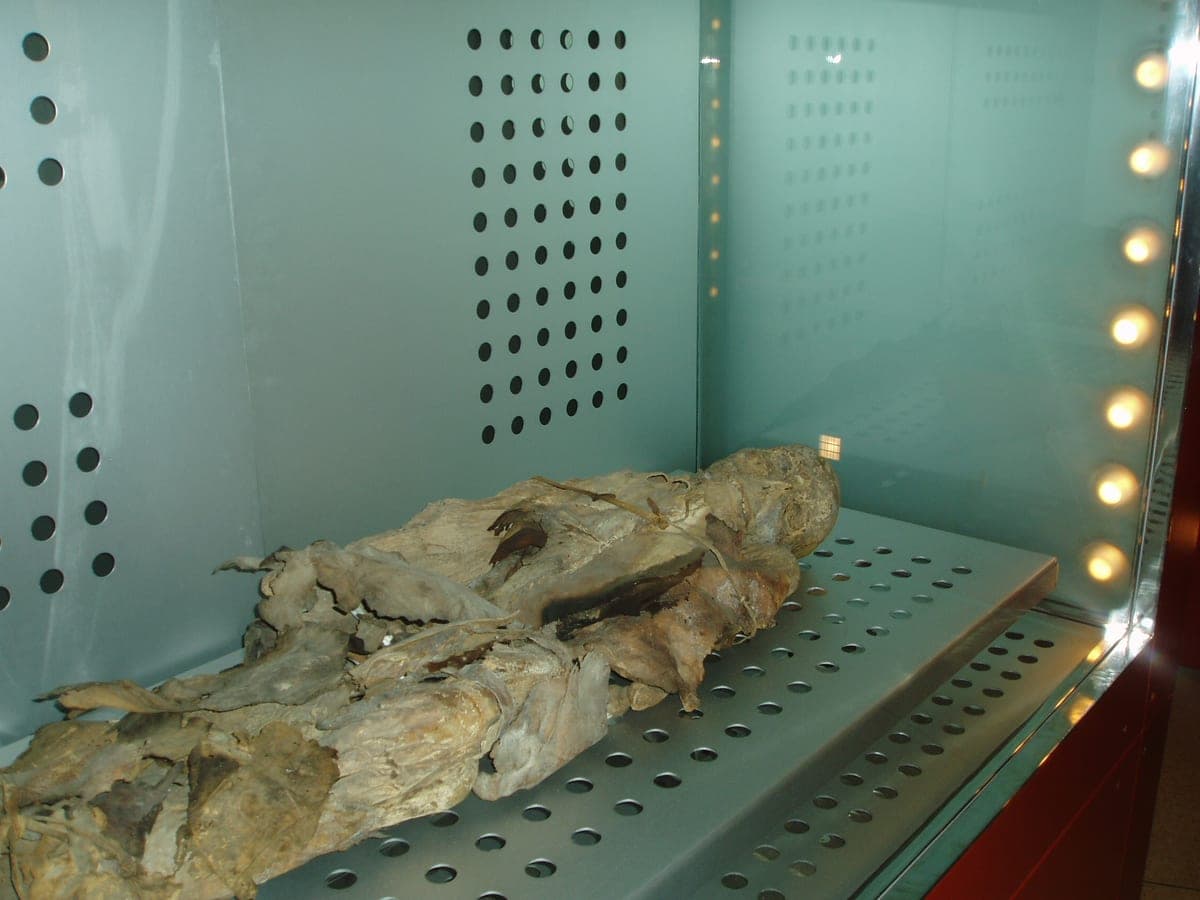
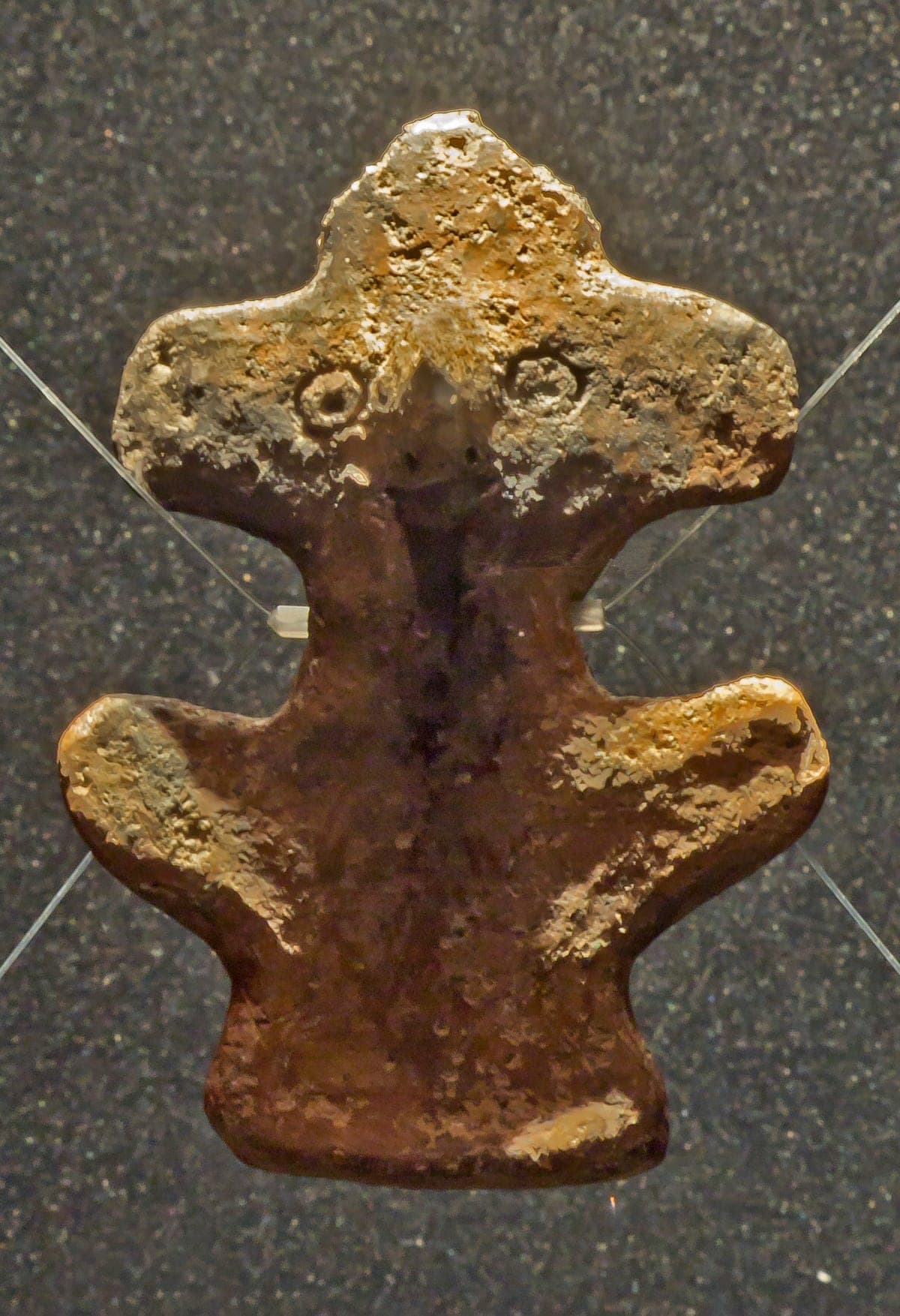
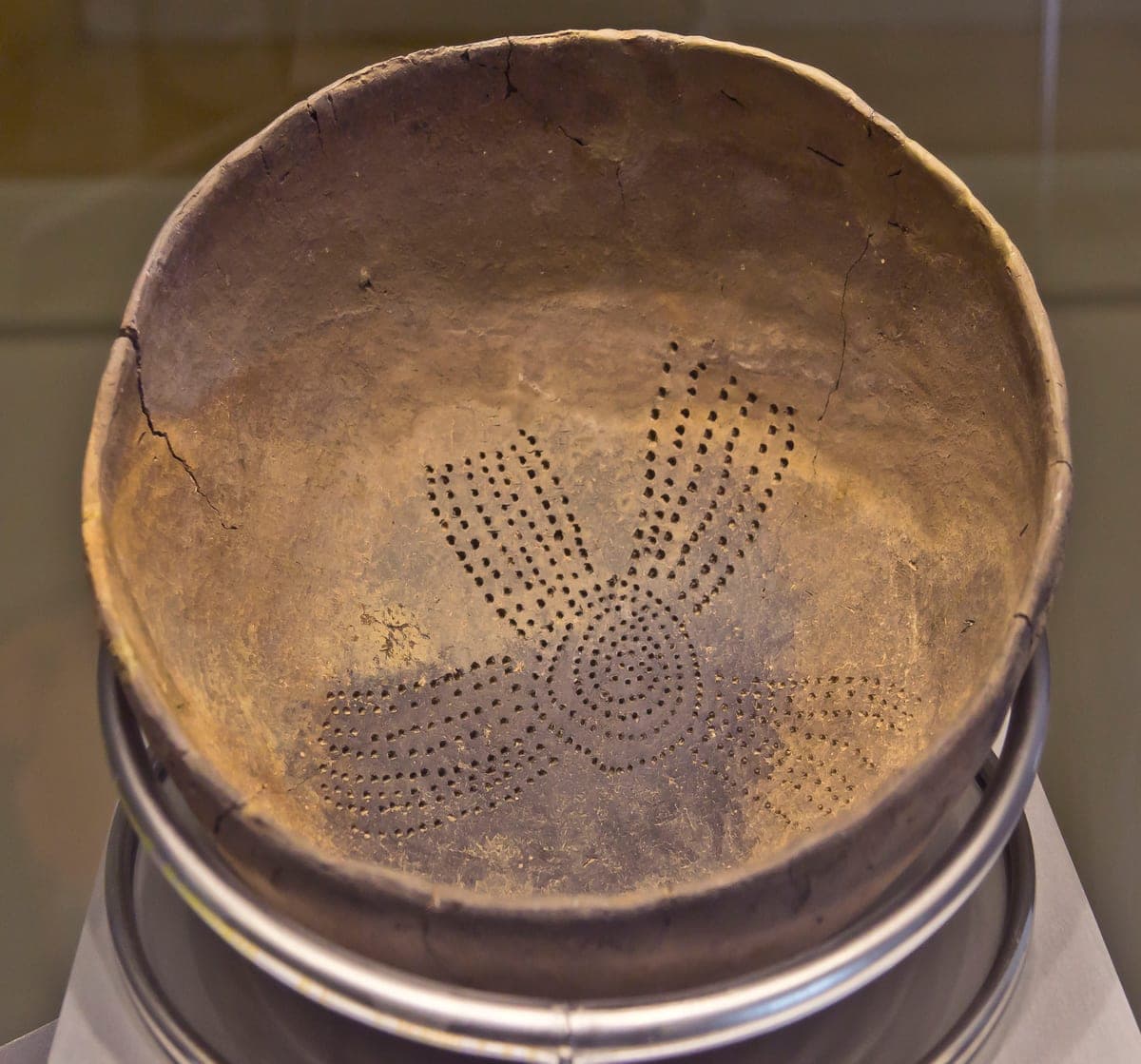
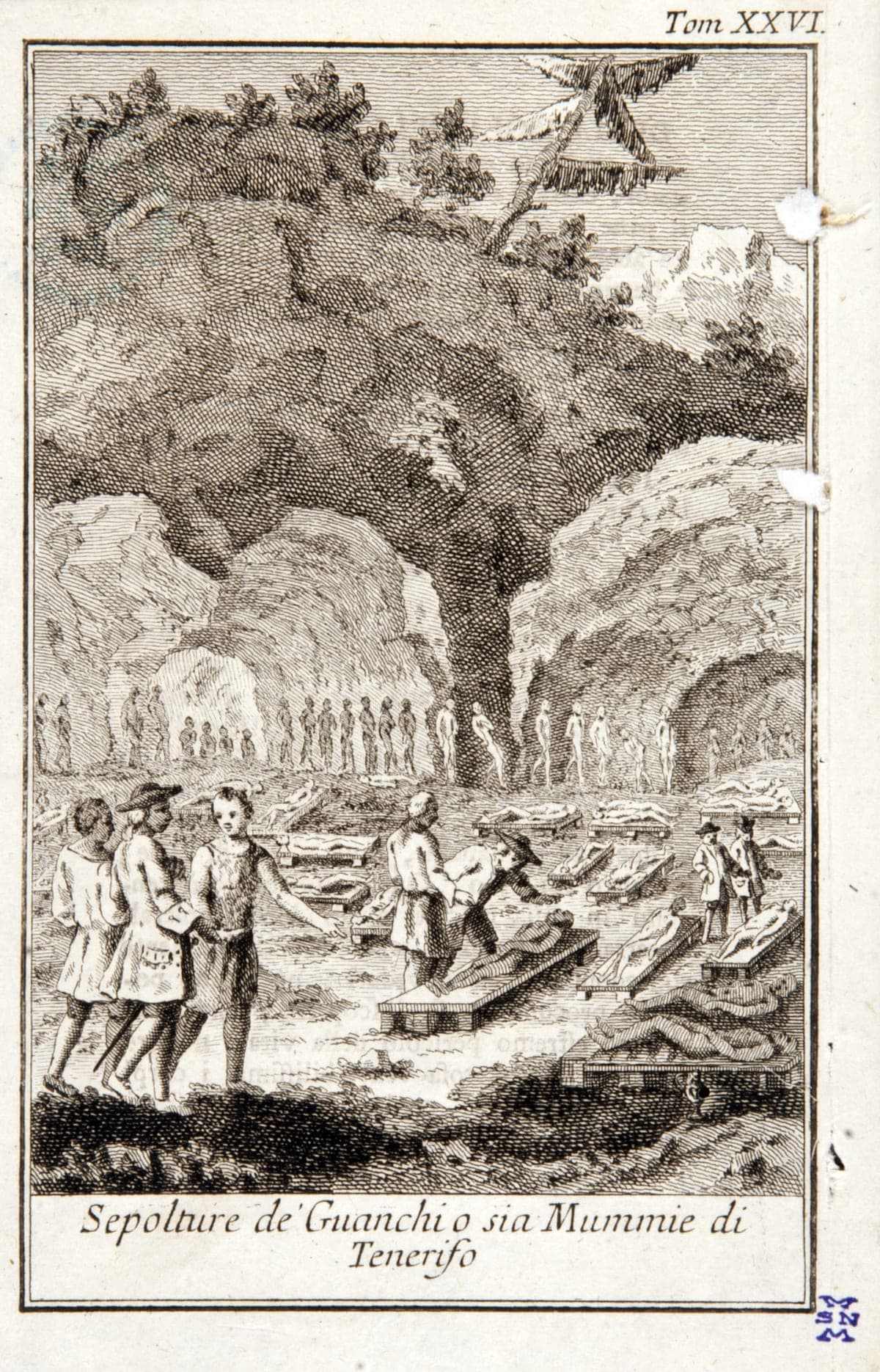
They lived mostly in natural caves and based their economy on goat and sheep herding and on simple agriculture. They had their own religion, mummified their dead and, not having mastered navigation, evolved isolated from the rest of the world for centuries.
At the time of the conquest, the island was divided into nine menceyatos or kingdoms, each governed by a mencey: Anaga, Tegueste, Tacoronte, Taoro, Icod, Daute, Adeje, Abona and Güímar. Those in the north, with more water and pastures, were wealthier; those in the south, more arid, were larger.
- Origin: North African Berber (confirmed by genetic studies).
- Arrival: first millennium BC (oldest datings, around the 6th century BC).
- 9 menceyatos: Anaga, Tegueste, Tacoronte, Taoro, Icod, Daute, Adeje, Abona and Güímar.
Historical gallery
The Castilian conquest
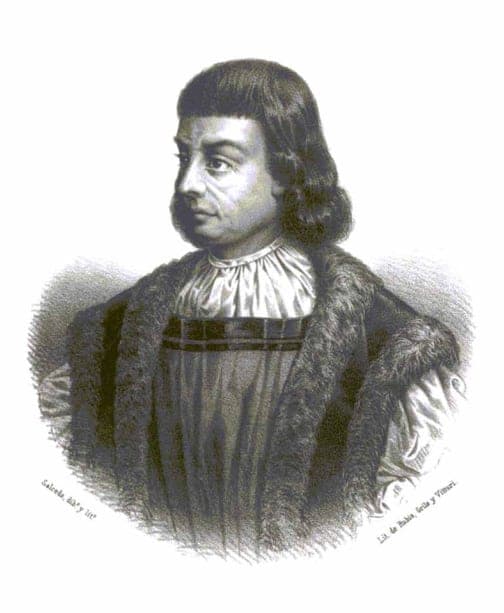
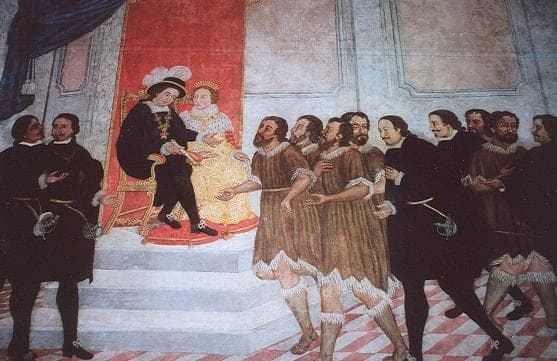
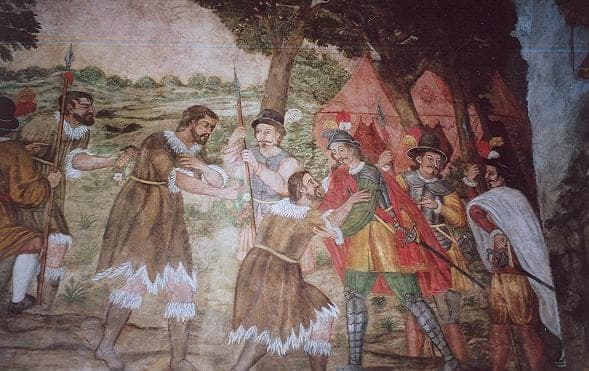
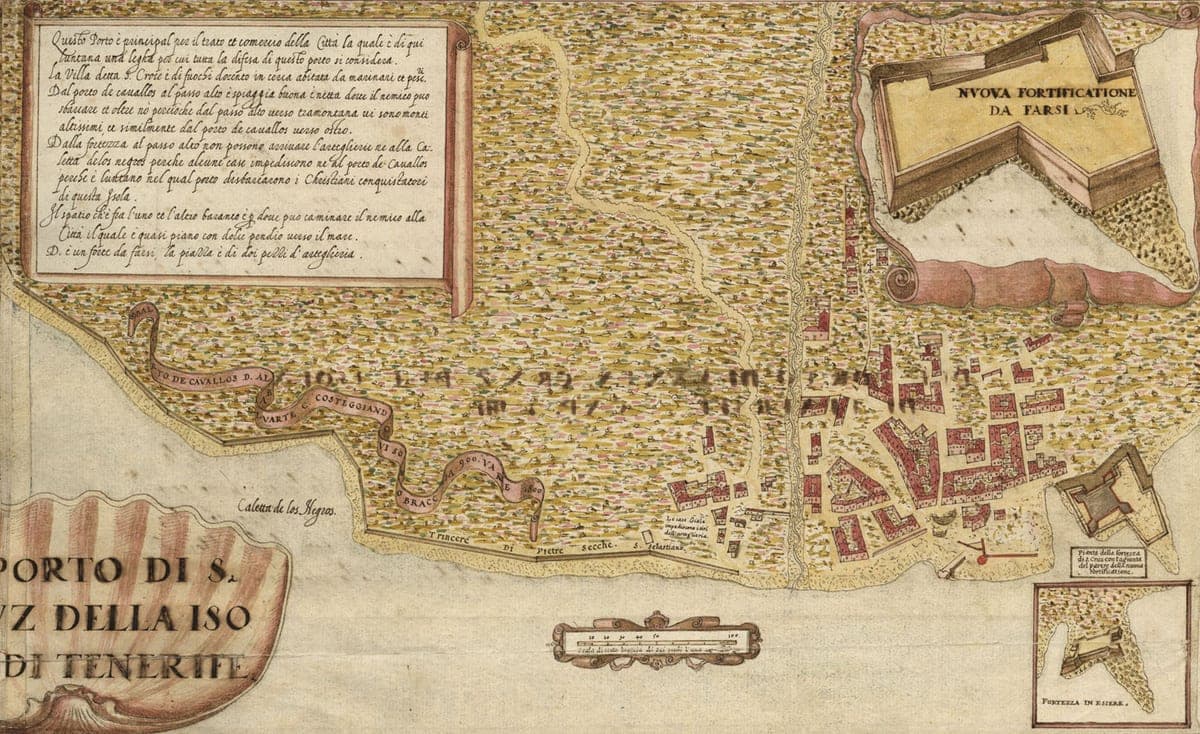
Tenerife was the last of the Canary Islands to fall under the Crown of Castile. The campaign was led by Captain Alonso Fernández de Lugo, with the licence of the Catholic Monarchs, and he landed on the island in 1494, in the Añazo area where Santa Cruz de Tenerife stands today.
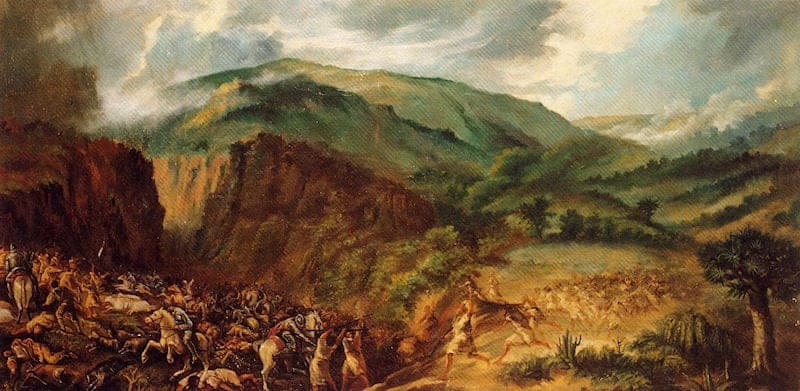
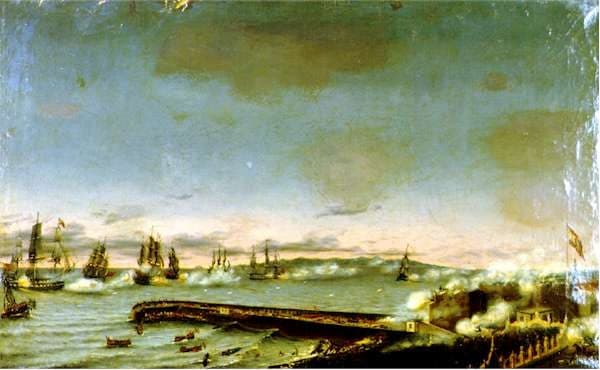
The first clash was a disaster for the conquerors. At the First Battle of Acentejo (May 1494), the Guanches inflicted on the Castilian troops the greatest defeat of the entire conquest of the archipelago; the place would end up being called La Matanza de Acentejo (The Slaughter of Acentejo). Lugo, wounded, managed to escape and withdrew to rebuild his army.
He returned the following year with reinforcements. The Battle of Aguere or of La Laguna (14 November 1495) and, above all, the Second Battle of Acentejo (25 December 1495) tipped the balance in favour of the Castilians; the latter gave its name to the town of La Victoria de Acentejo. Adding to the military defeat was an epidemic, the "modorra", which decimated the aboriginal population.
In 1496 the remaining menceyes surrendered and the conquest was complete. A new era began: the distribution of land, the arrival of settlers and the integration of Tenerife into the Atlantic world.
- 1494: landing of Alonso Fernández de Lugo at Añazo (Santa Cruz).
- First Acentejo (May 1494): Guanche victory; "La Matanza".
- Second Acentejo (25 Dec 1495): Castilian victory; "La Victoria".
- 1496: surrender of the menceyes and end of the conquest.
Historical gallery
Sugar, wine and the Atlantic
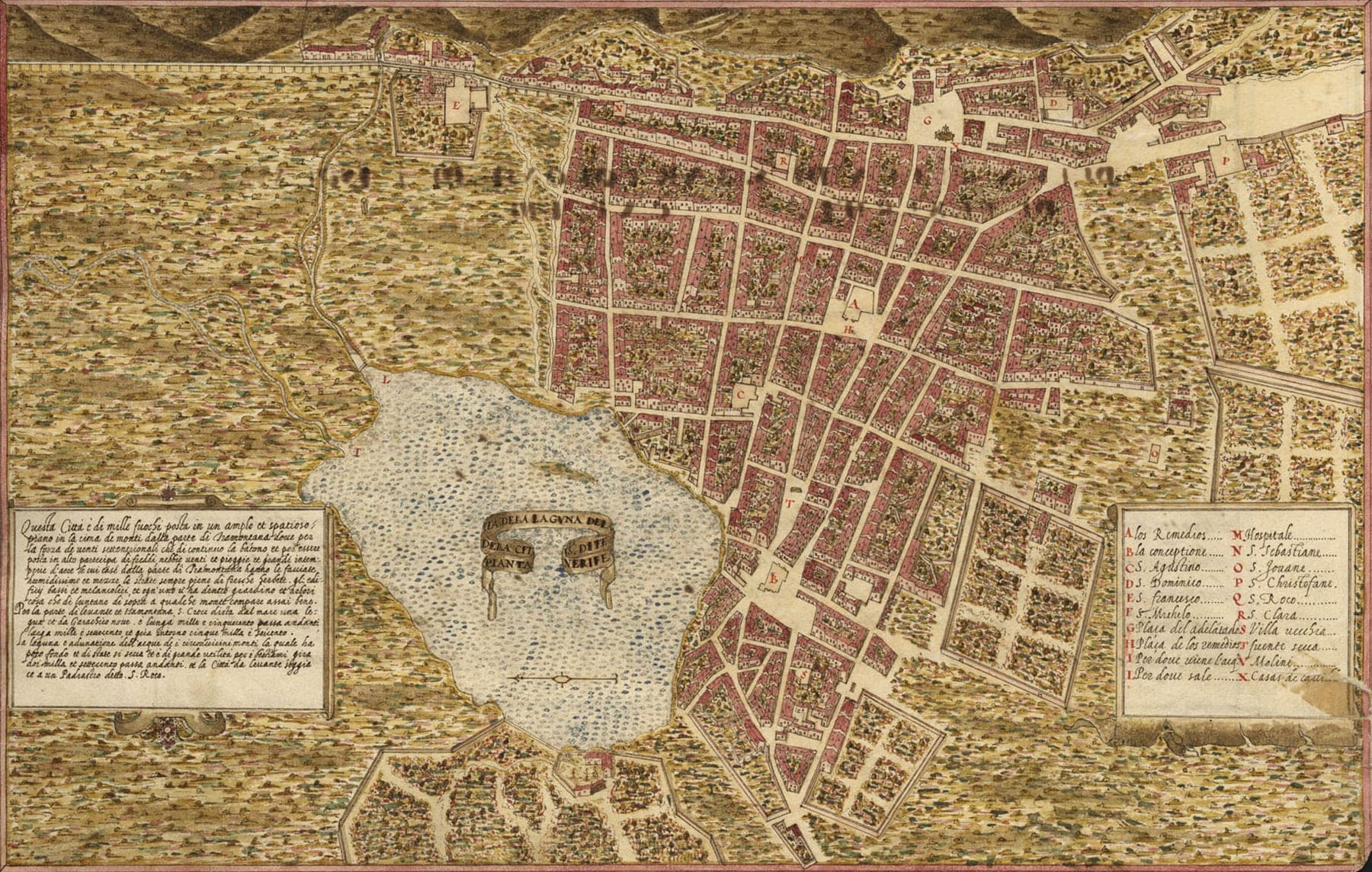
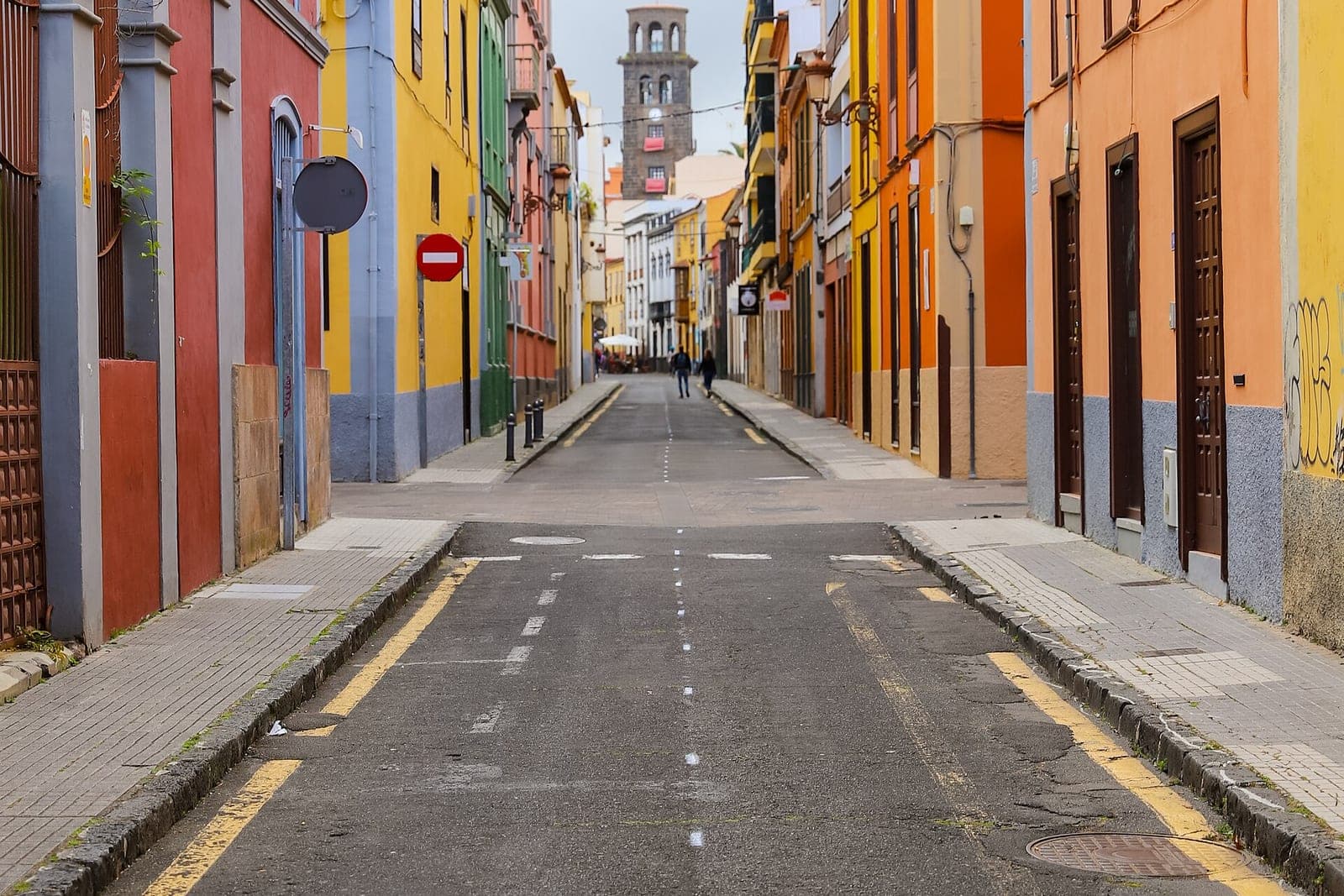
After the conquest, Alonso Fernández de Lugo founded San Cristóbal de La Laguna in 1496, which would be the capital of the island for centuries. Its grid layout, designed without walls, is considered a model for the colonial cities of the Americas and earned it designation as a UNESCO World Heritage Site in 1999.
The economy first took off with sugar cane and, later, with wine —especially malmsey (malvasía)—, highly prized in Europe and exported across the Atlantic. Tenerife became an obligatory stop on the routes to the Americas.
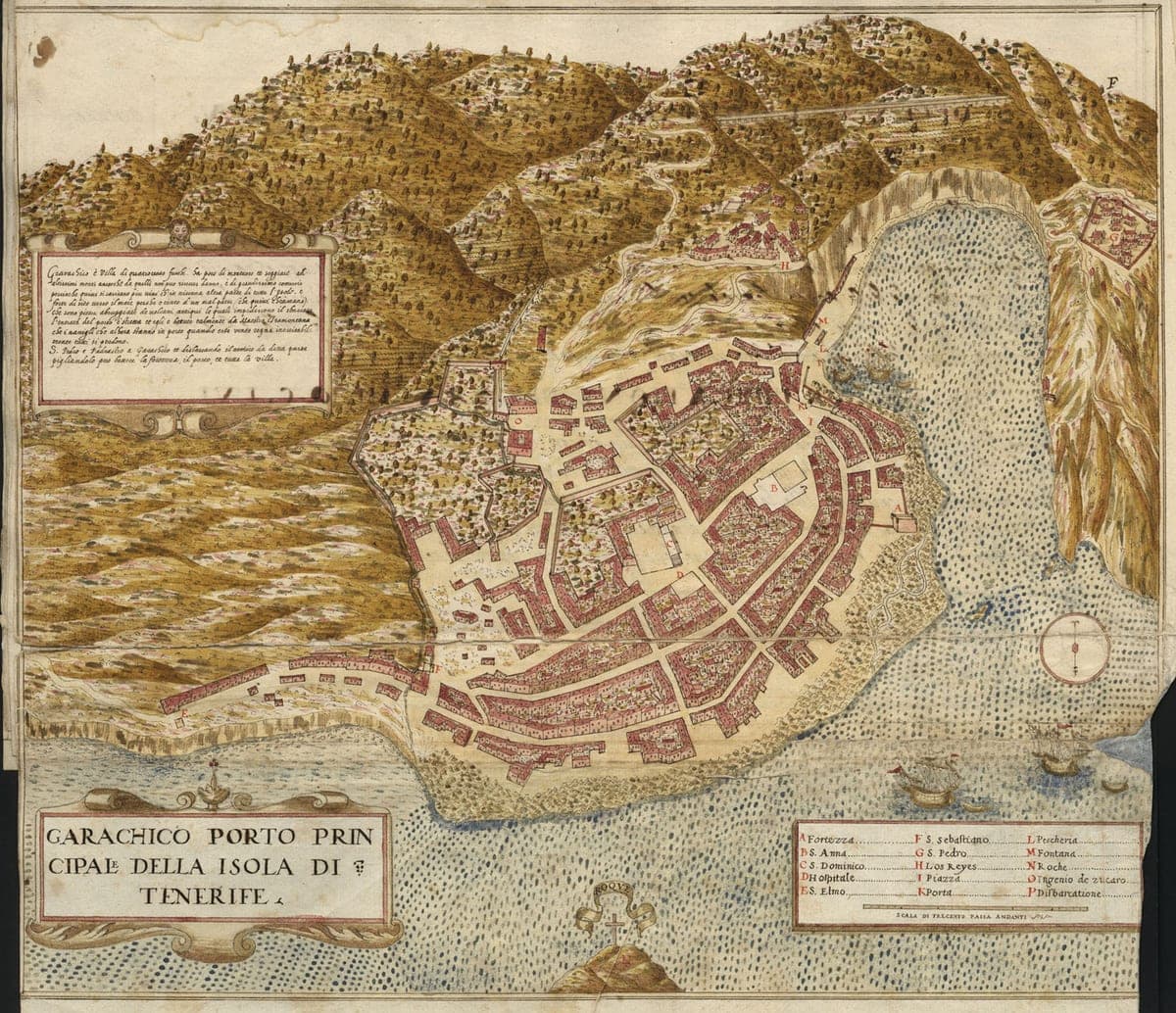
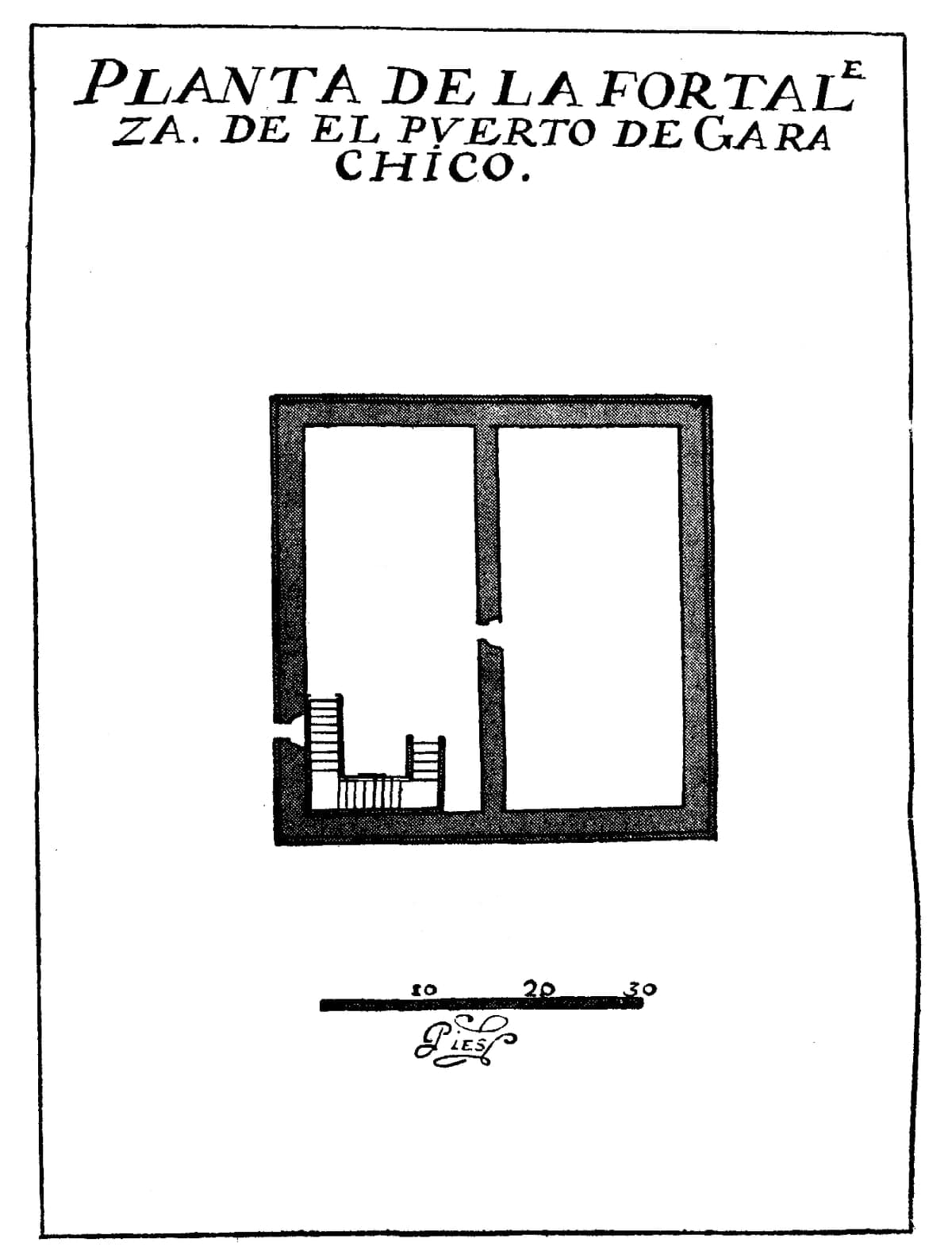
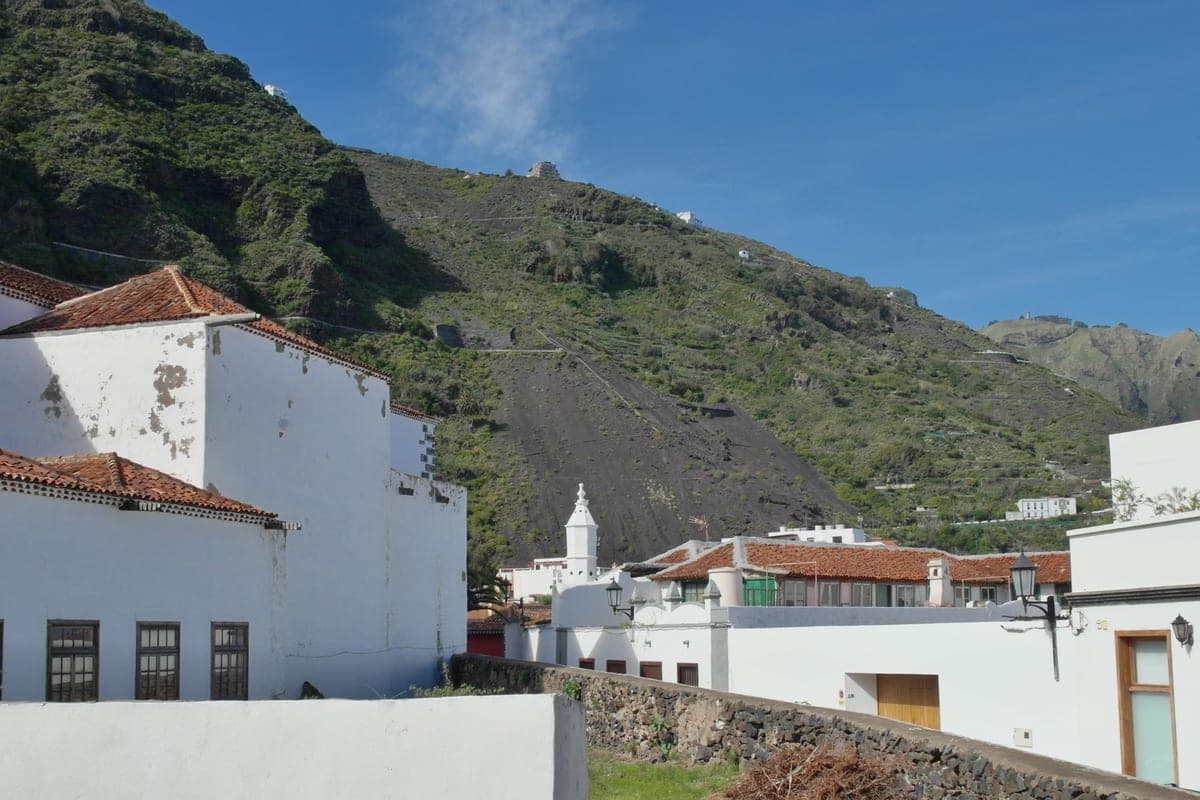
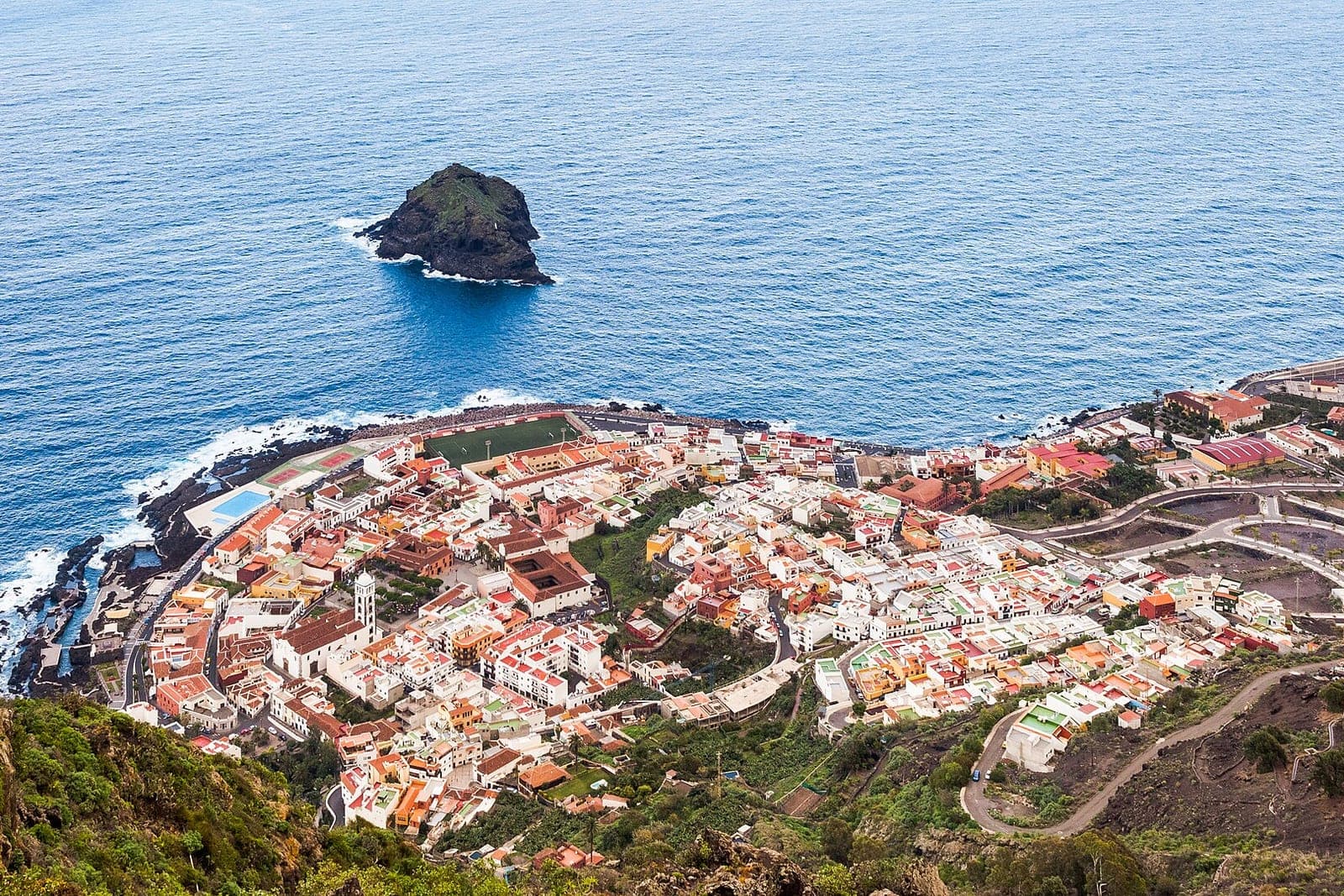
The great port of that trade was Garachico, in the north. Wine and sugar left from there bound for Europe and the Americas, until a volcano changed everything in 1706. With the decline of Garachico, port activity moved to Puerto de la Cruz and, in time, the island capital passed to Santa Cruz de Tenerife, around 1723.
- 1496: founding of San Cristóbal de La Laguna, the first capital.
- UNESCO 1999: La Laguna, World Heritage Site for its layout.
- Economy: sugar and malmsey wine; Atlantic trade.
- ~1723: the capital passes from La Laguna to Santa Cruz.
Historical gallery
The volcanoes that wrote history
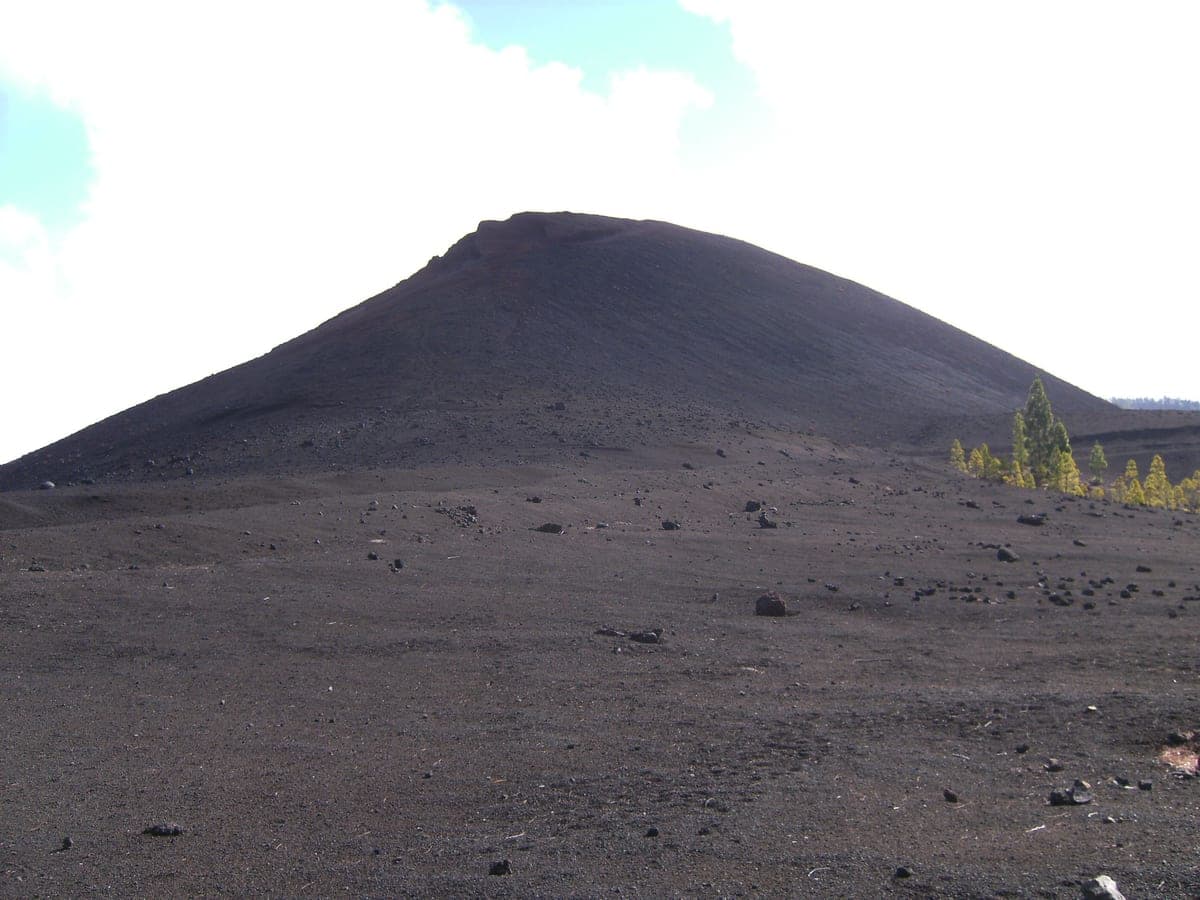
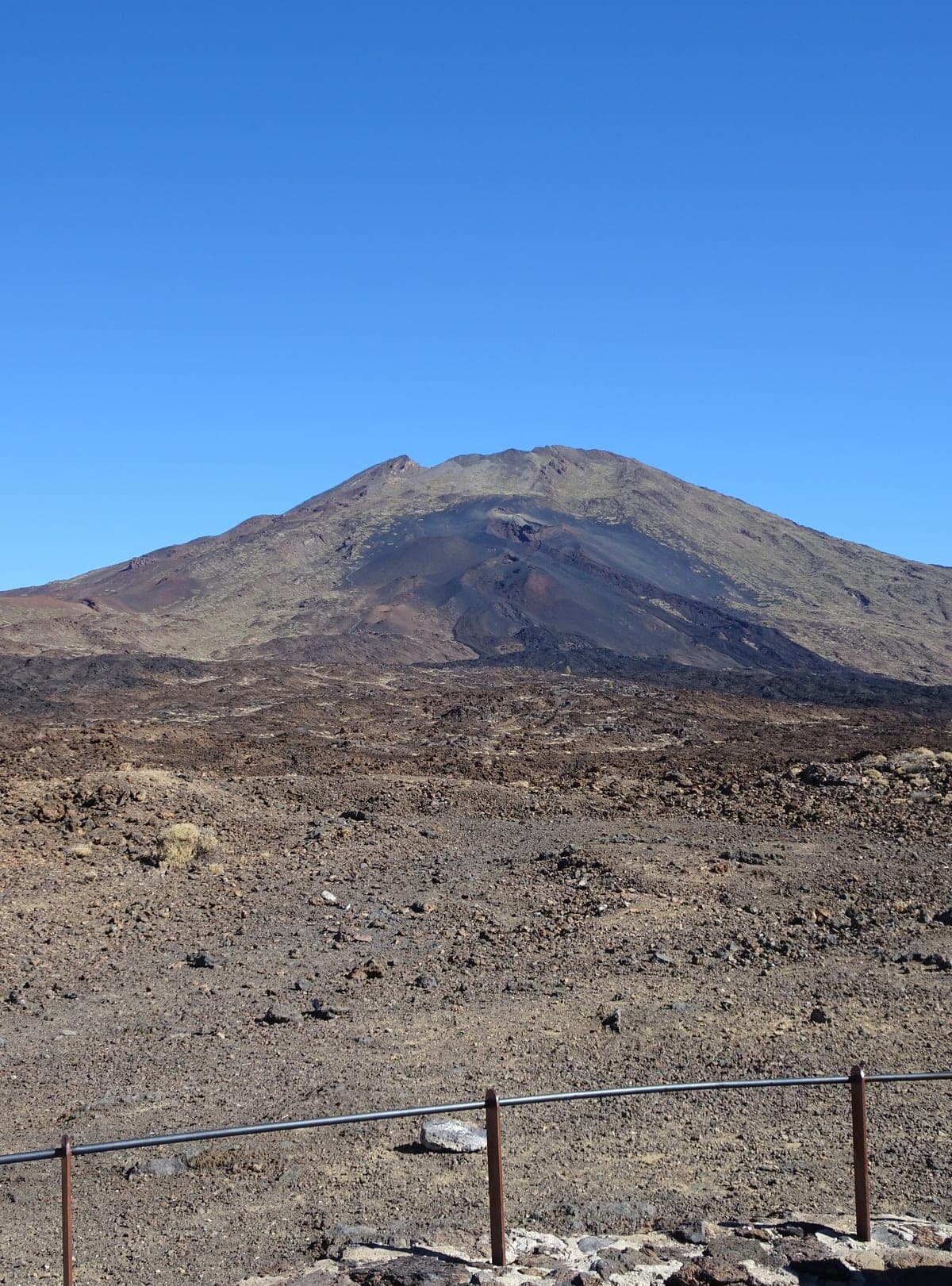
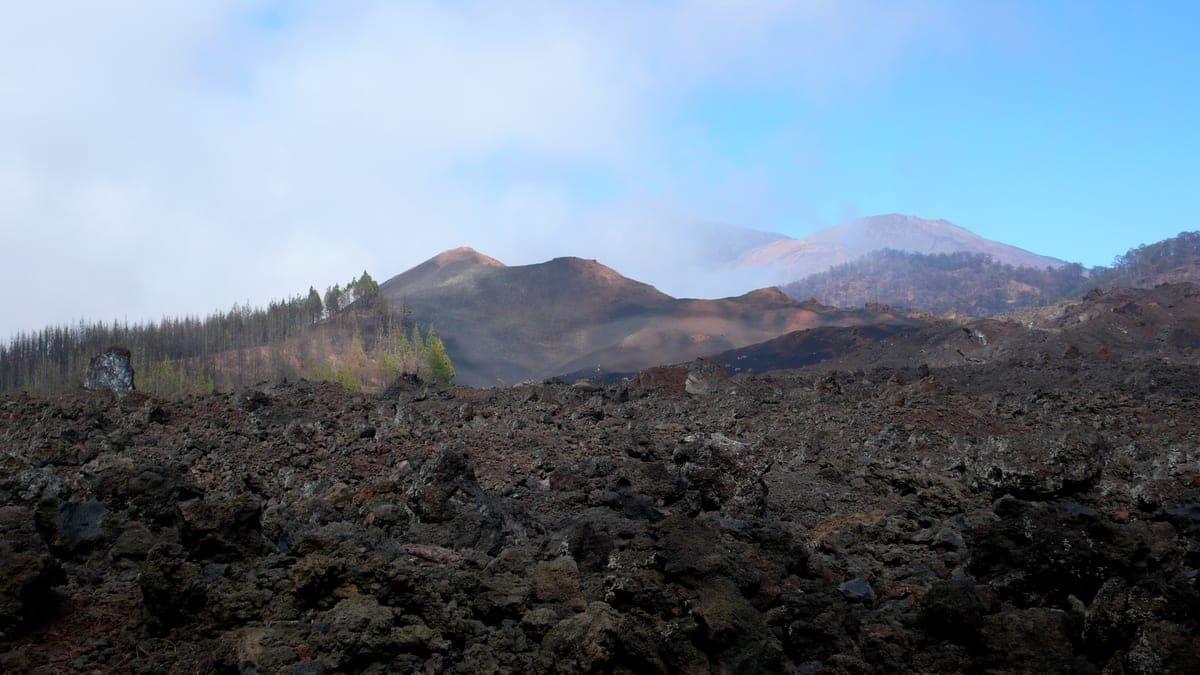
Tenerife is a volcanic island, and in historical times fire has intervened directly in its history. Three episodes stand out above the rest.
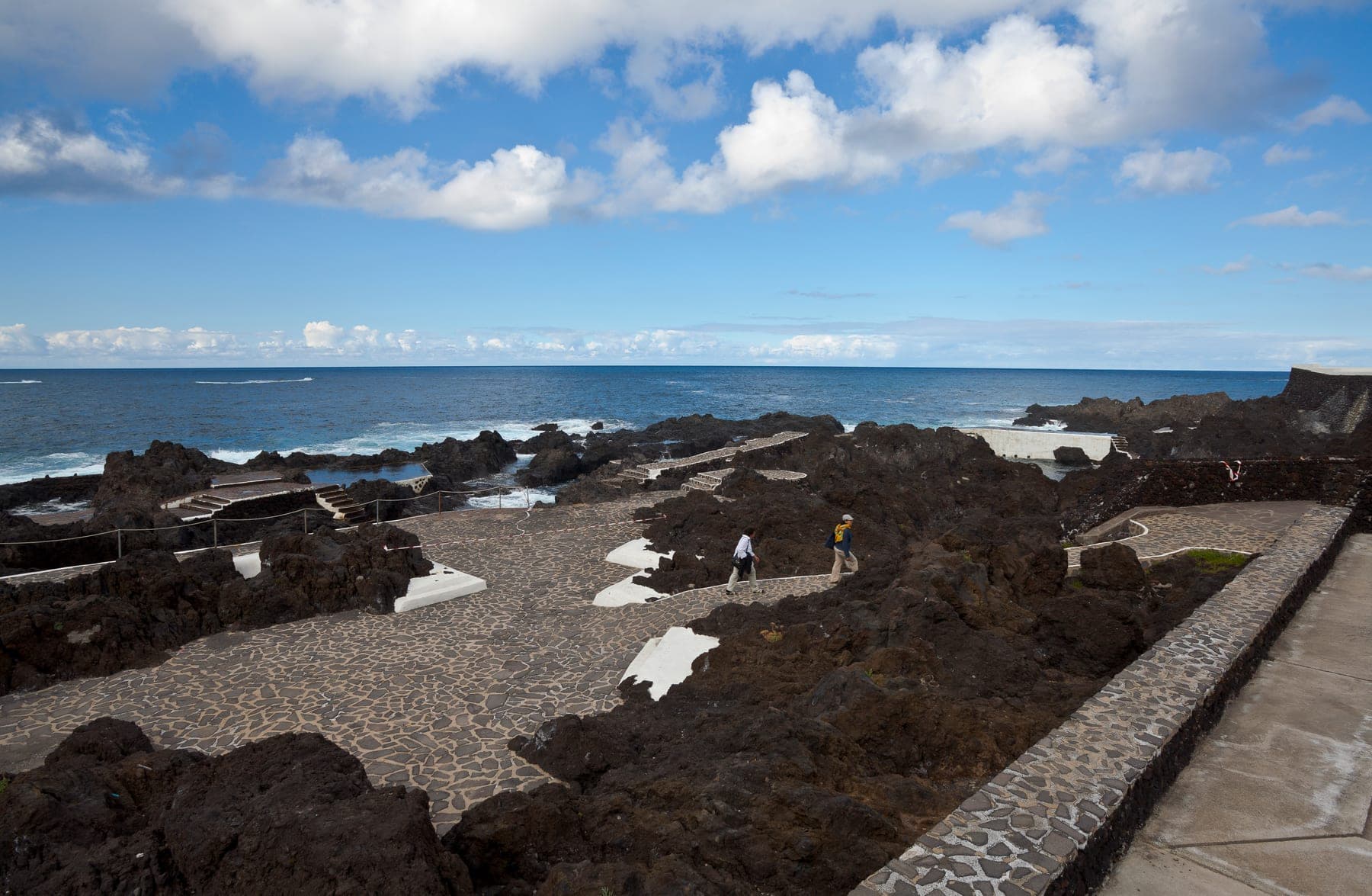
The most dramatic was the eruption of 1706 over Garachico. The lava flow ran down to the sea and completely blocked what was then the island's most important commercial port, sinking its economy. It is the volcanic episode with the greatest socioeconomic impact in the history of Tenerife.
Begun on 5 May and lasting around 40 days, the lava destroyed part of the town and buried its port, the main one on the island. Trade moved to Puerto de la Cruz.
From 9 June to 8 September: the longest historical eruption on the island, on the flank of Pico Viejo, within what is now the Teide National Park.
From 18 to 27 November, around 10 days: the last eruption to occur in Tenerife to date.
Historical gallery
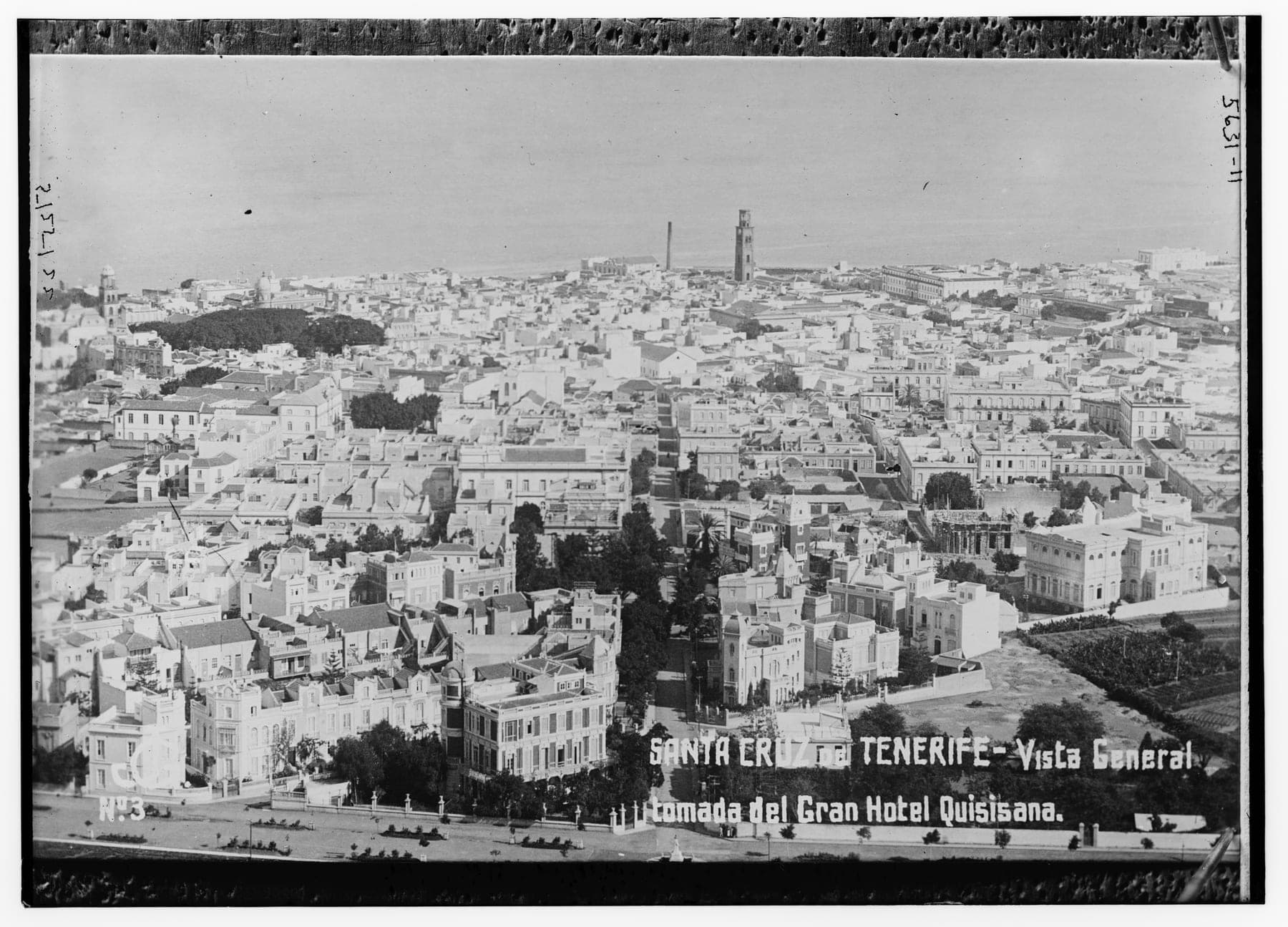
From the 19th-20th centuries to present-day Tenerife
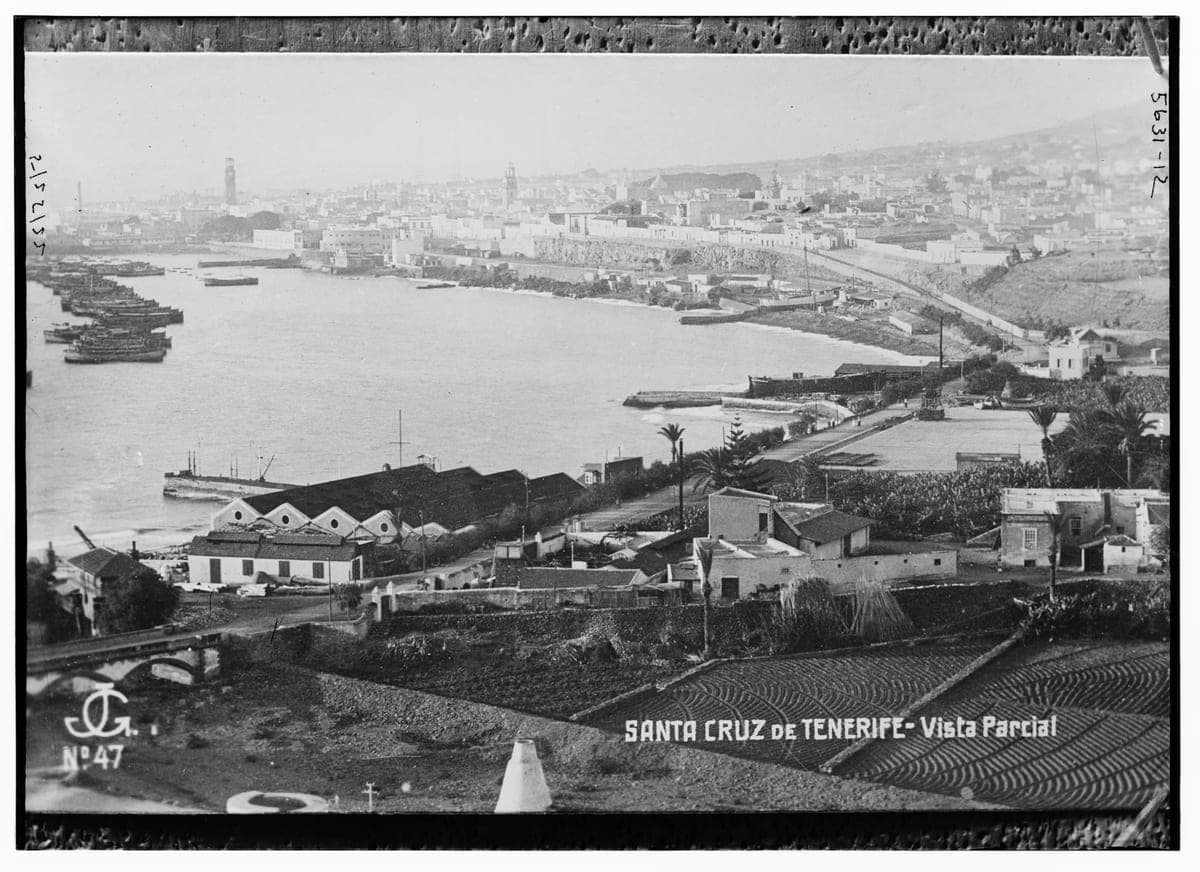
With Santa Cruz consolidated as the capital and main port, the 19th and 20th centuries brought an intense relationship with the Americas: thousands of Canarians emigrated, especially to Cuba and Venezuela, in ties that are still visible today in the speech, the music and the gastronomy.
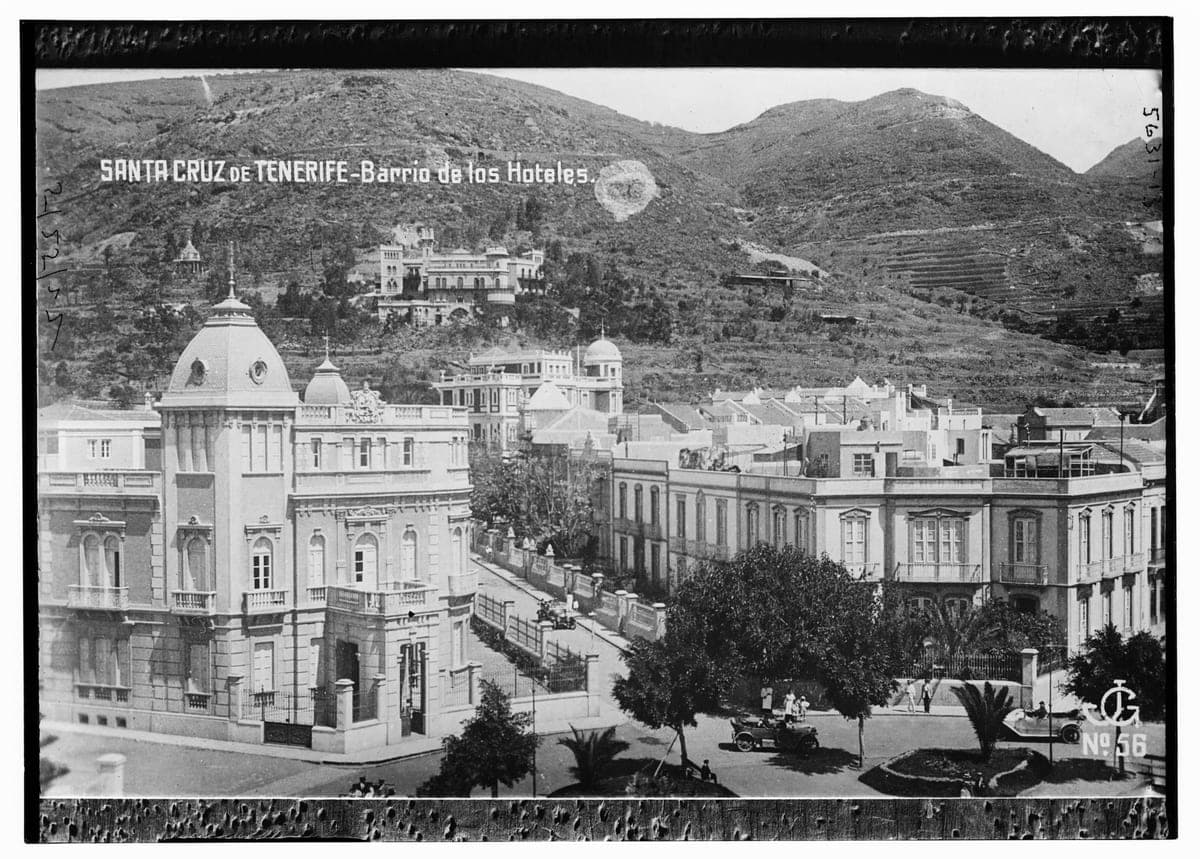
In the 20th century the great transformation arrived: tourism. The mild year-round climate, the beaches and the Teide turned Tenerife into one of Europe's great destinations, without the island losing its heritage: La Laguna as a living historic city, the Carnival of Santa Cruz as one of the largest festivals in the world, and a Guanche legacy that remains very present in its identity.
Historical gallery
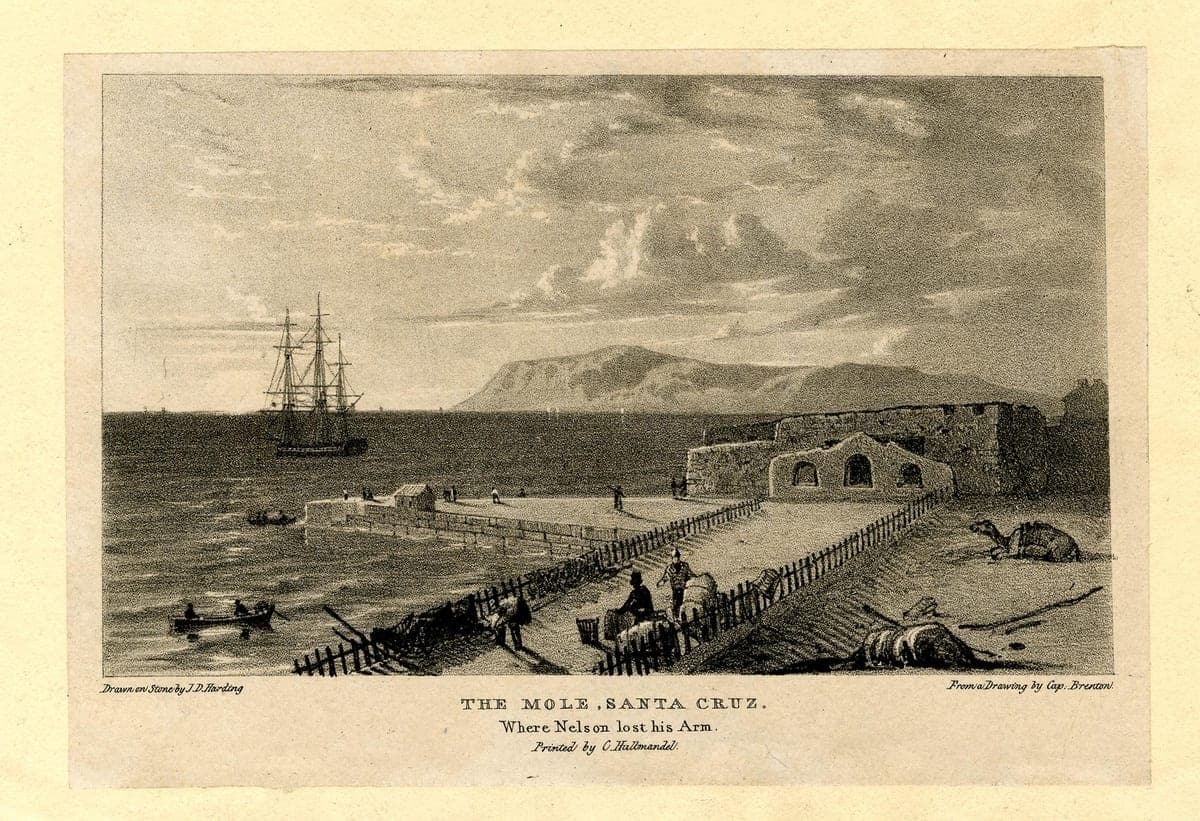
Protagonists of history
Bencomo
Leader of the most powerful menceyato and the soul of the Guanche resistance against the Castilians. According to the sources he fell at the Battle of Aguere (1495), although part of the account of his figure and his death is legendary in character.
Tinguaro
Brother and right-hand man of Bencomo, remembered for his role in the Guanche resistance during the conquest.
Alonso Fernández de Lugo
Castilian captain who led the conquest of Tenerife (1494-1496) with the licence of the Catholic Monarchs and founded San Cristóbal de La Laguna. He had previously conquered La Palma.
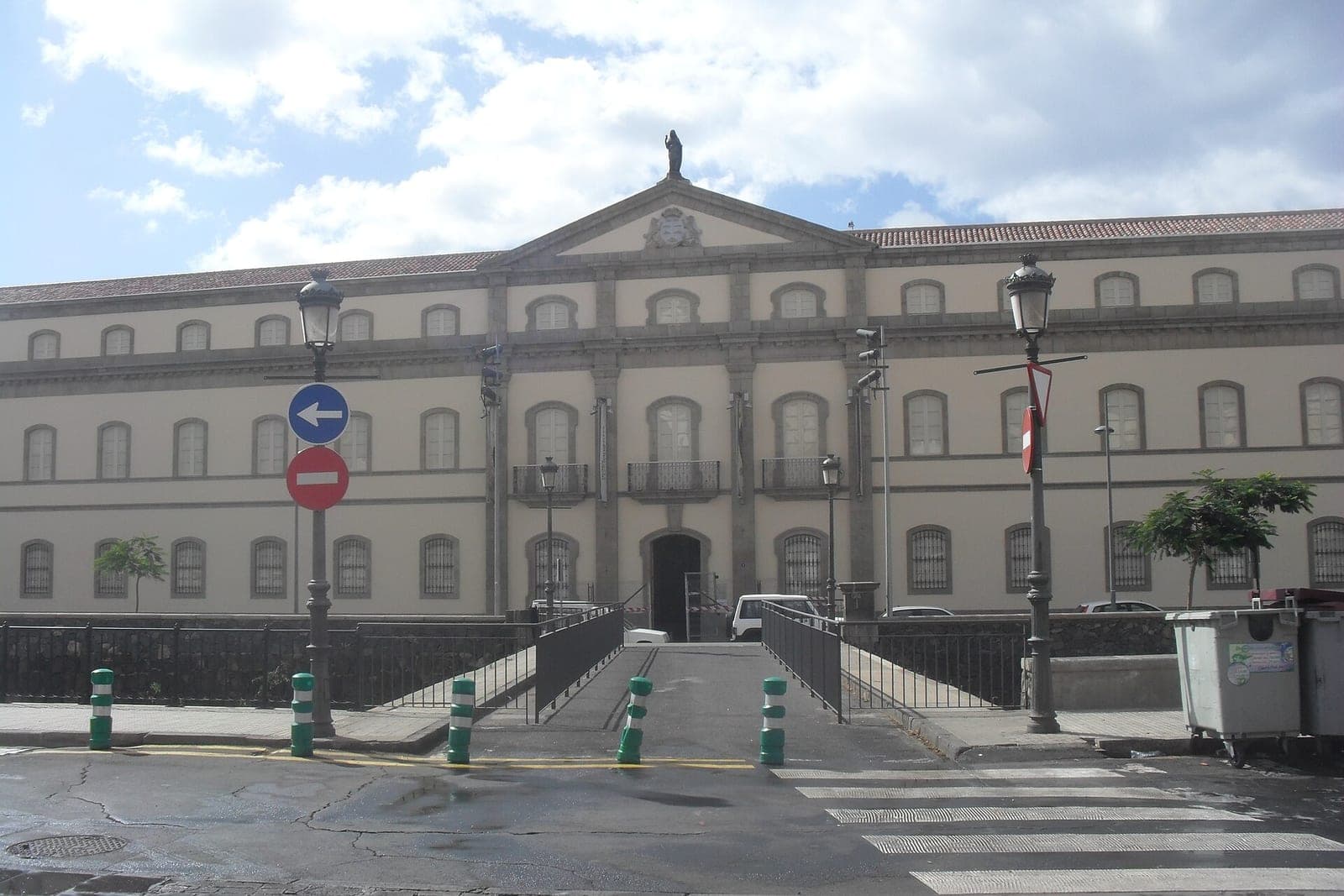
Where to touch history
Real places on the island where each era of this history is still alive. Click to see each one.
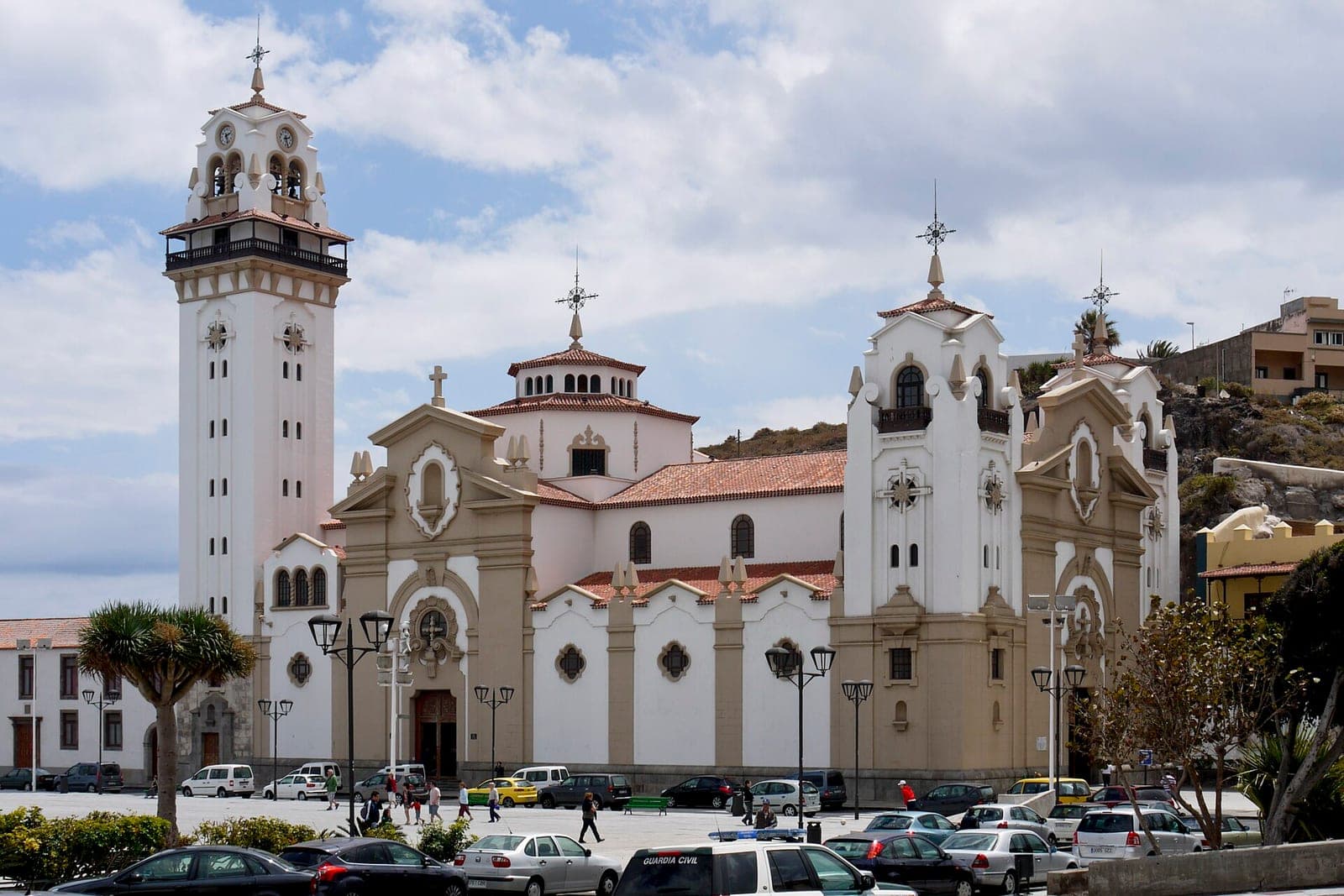
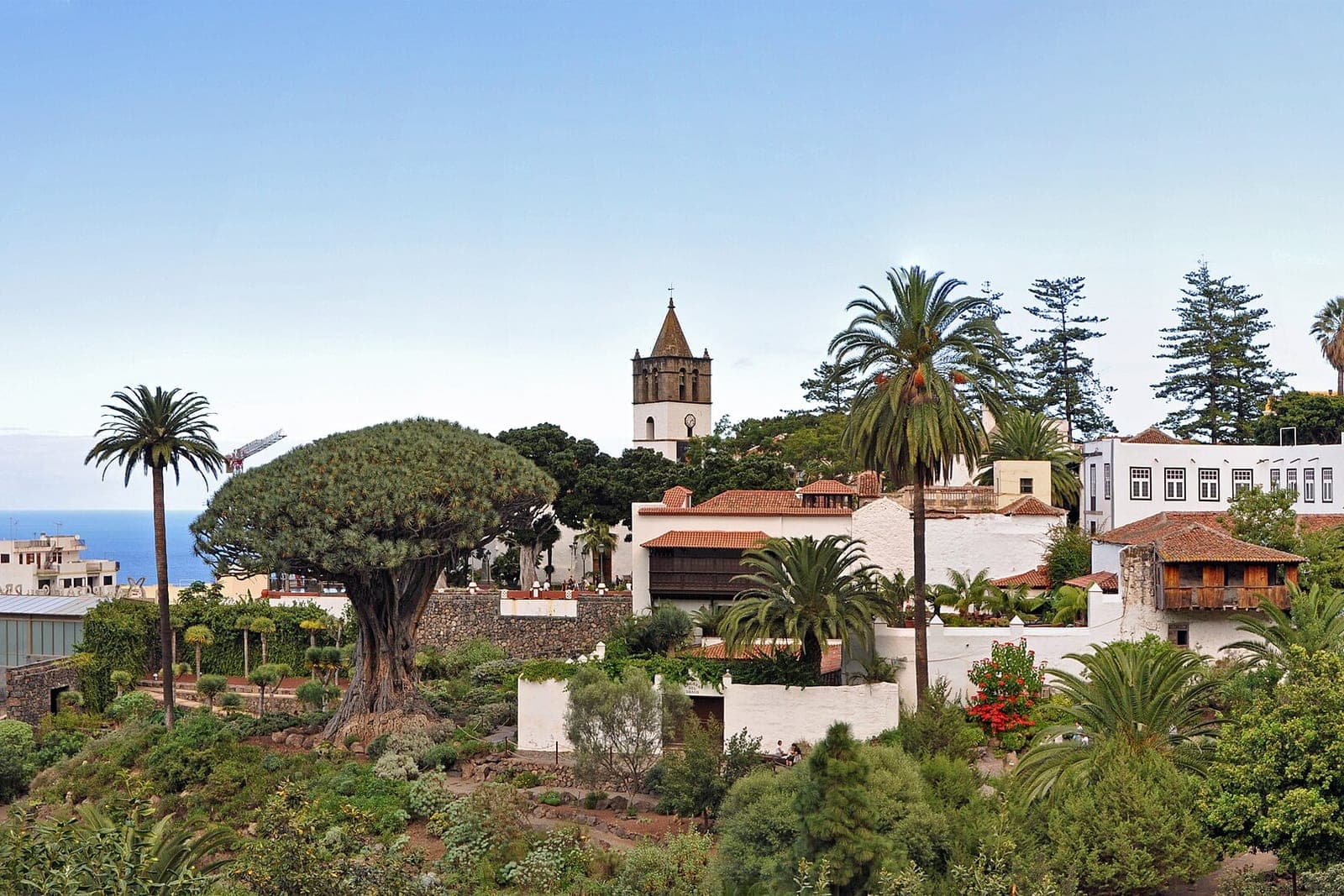
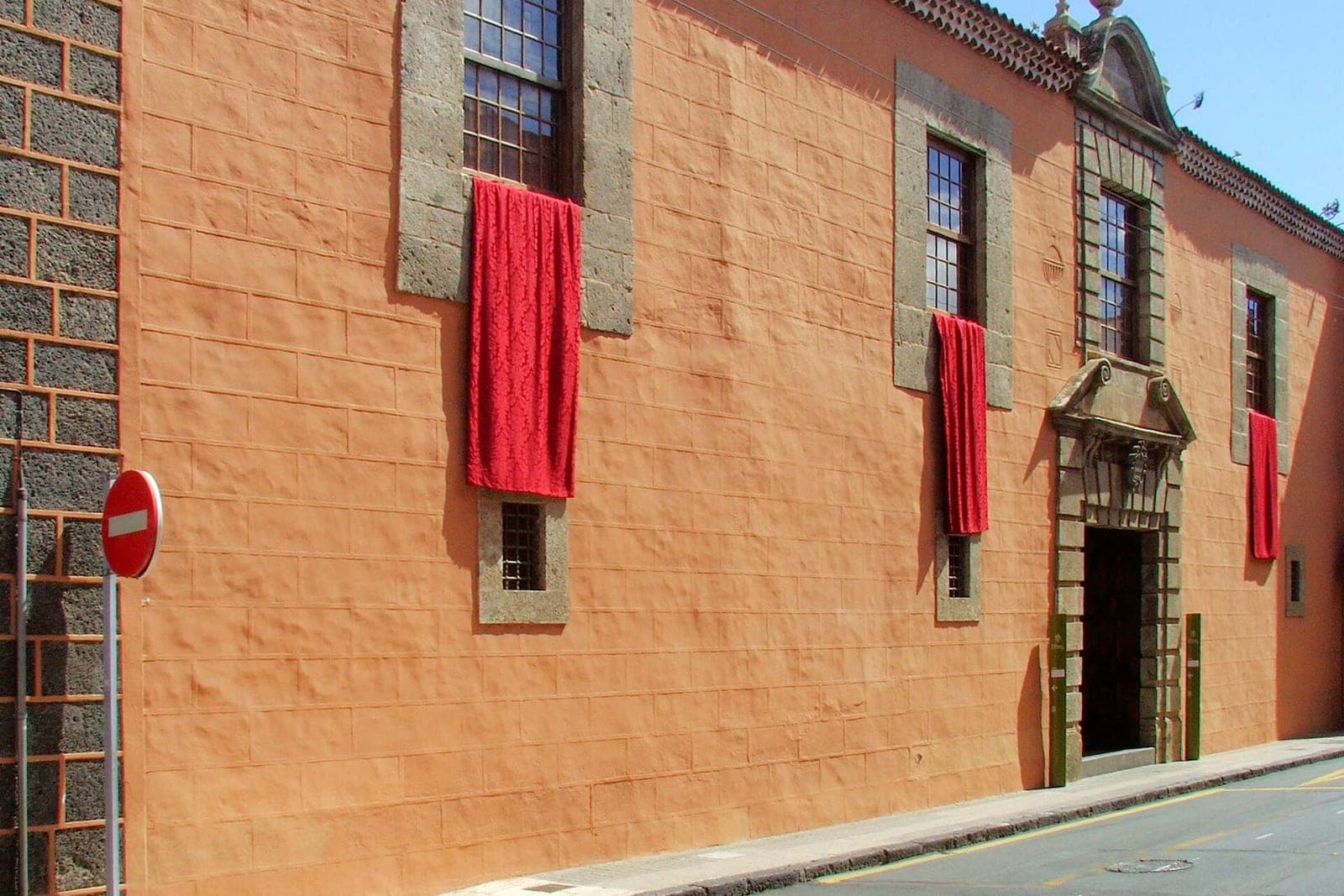
Excursions to live this history
Climb the Teide, tour the towns and discover the island on an excursion.
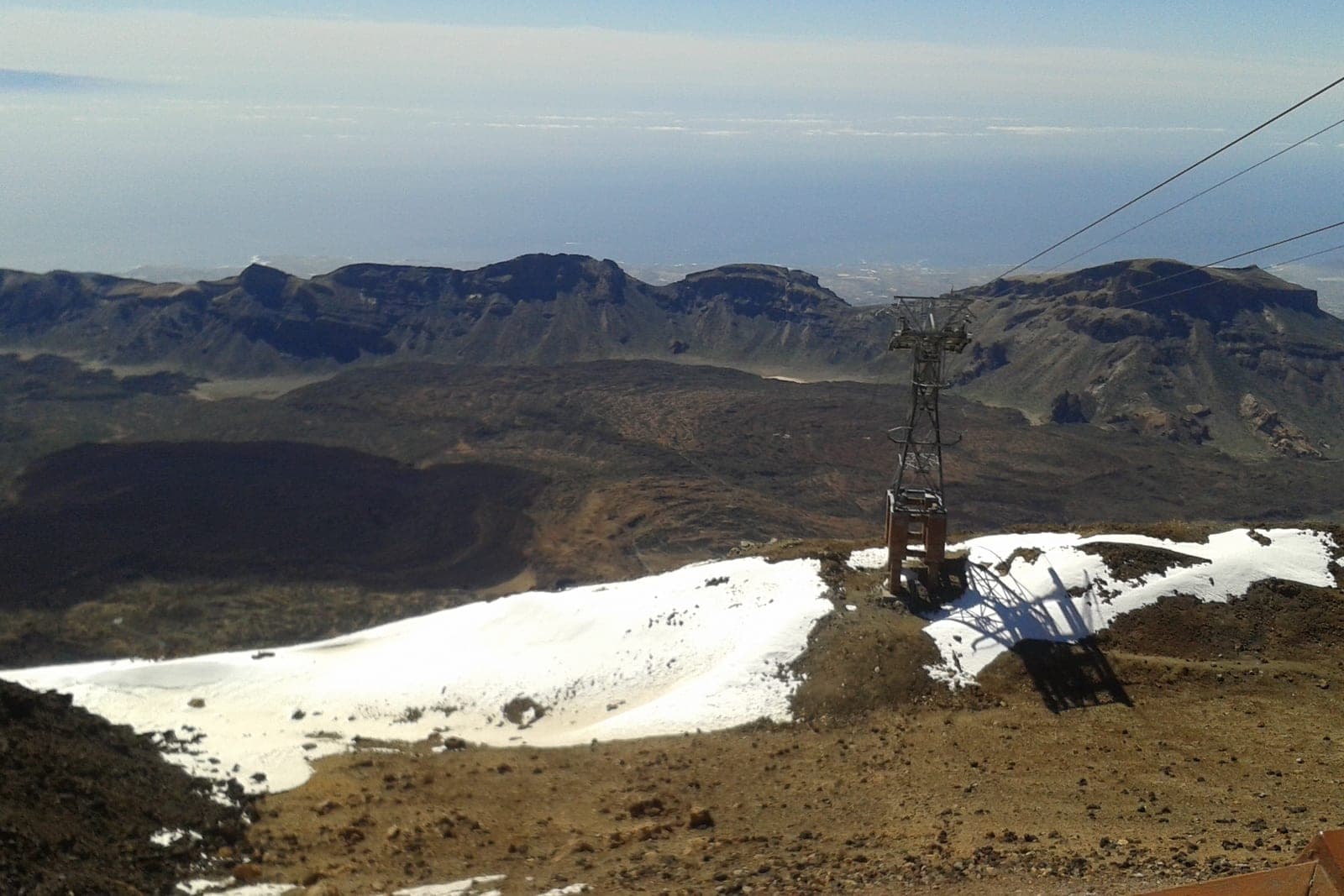
Teide Sunrise with Cable Car
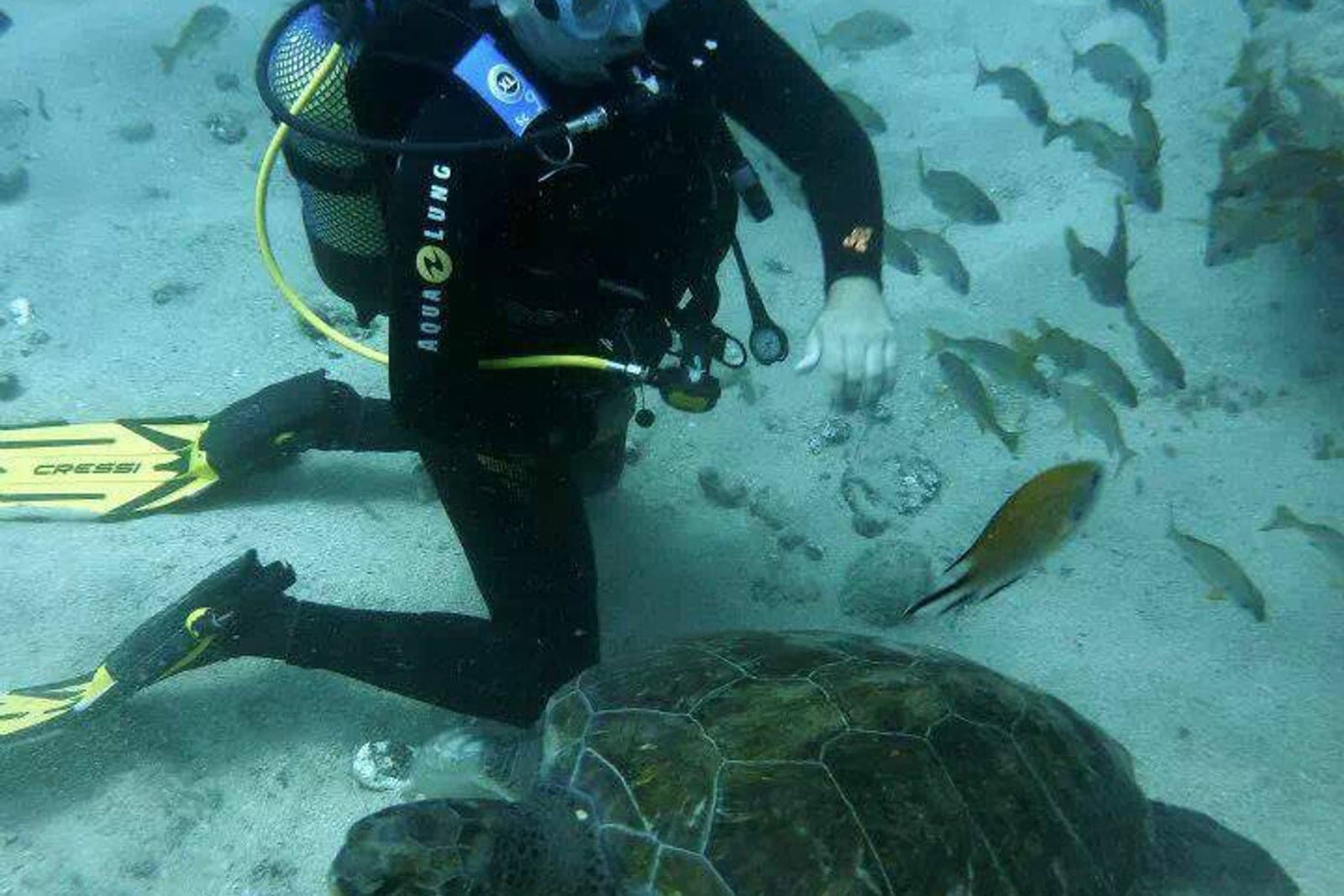
Diving & snorkelling
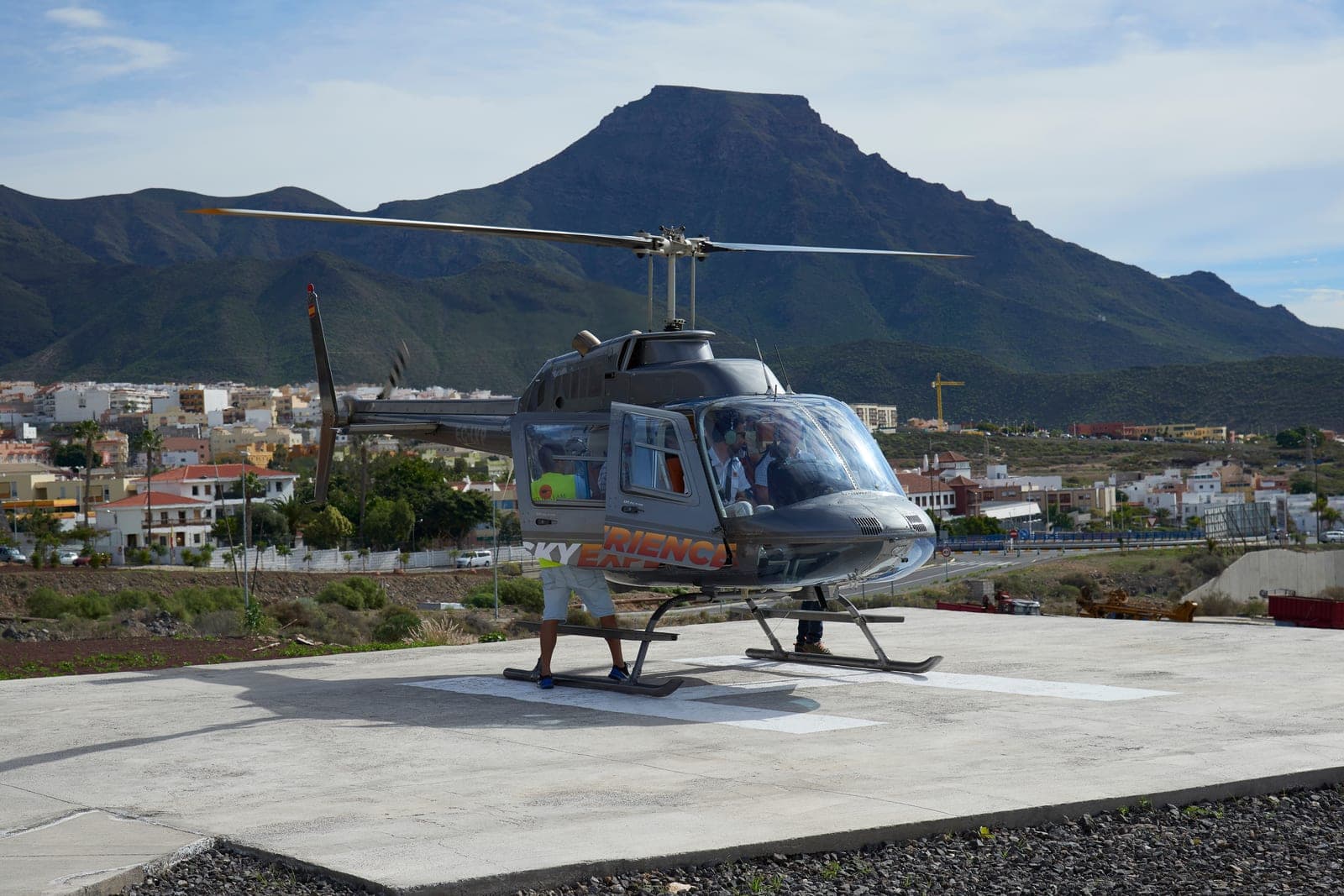
Private Helicopter Tour over Tenerife
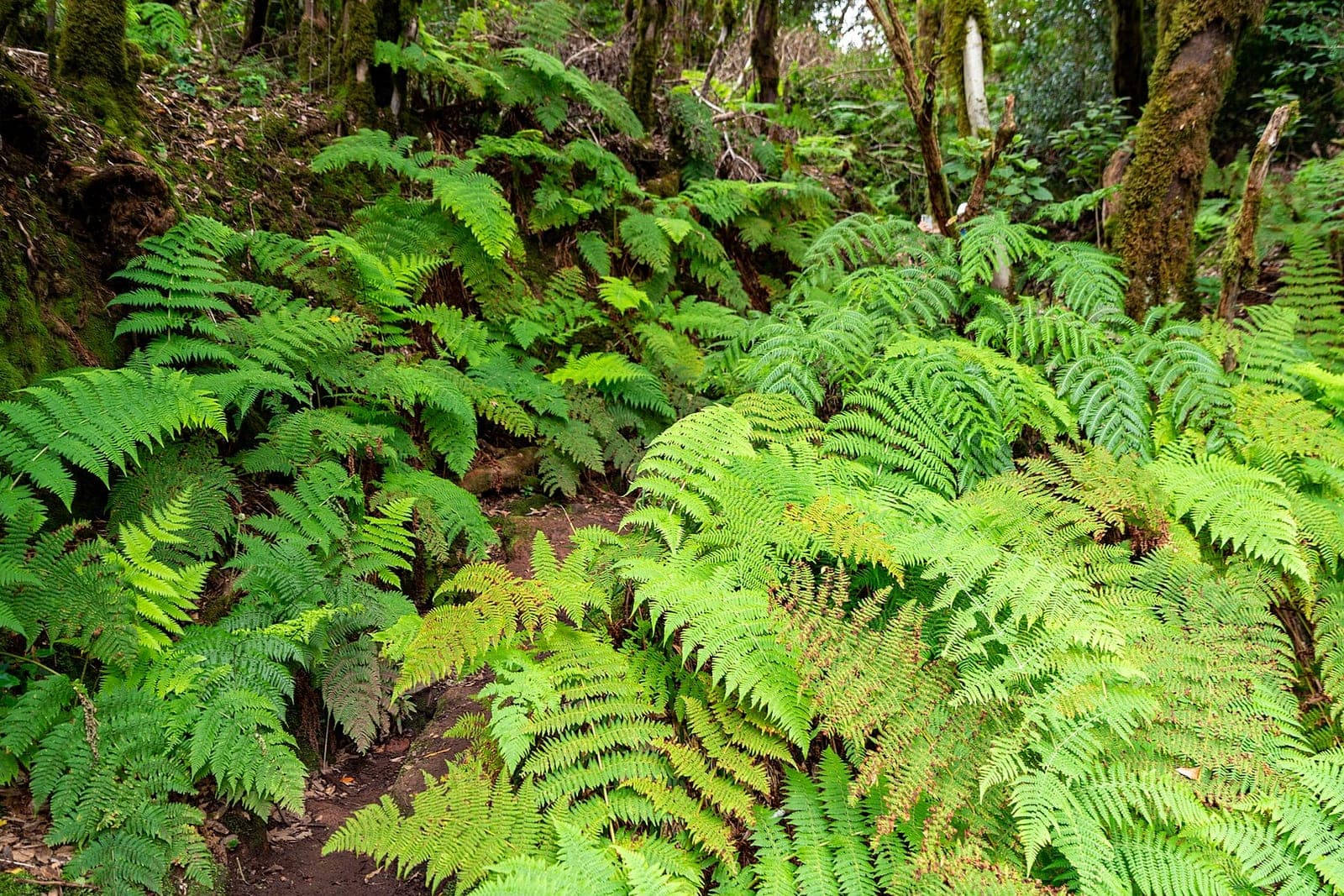
Anaga Rural Park Guided Tour
GetYourGuide
Sources
Content cross-checked with official and academic sources. These are the main references used:
- Museos de Tenerife (Cabildo) — The Guanche menceyatos
- Government of the Canary Islands — Ancient Canarians (CanariWiki)
- Complutense University — The genome of the Guanches confirms their North African origin
- Wikipedia — Conquest of Tenerife
- Government of the Canary Islands — The Arenas Negras eruption, Garachico 1706
- IGN/IGME — 1909 eruption of Chinyero
- IGN/IGME — 1798 eruption of Chahorra (Narices del Teide)
- UNESCO — San Cristóbal de La Laguna (1999)
Want to experience this history?
Explore the towns, museums and corners where the past of Tenerife is still present, or discover experiences to get to know the island in depth.