Mount Teide: Everything You Need to Know

Mount Teide: Everything You Need to Know
Mount Teide is not just Spain's highest peak at 3,715 meters — it's also the world's third-largest volcano measured from its oceanic base. Teide National Park, a UNESCO World Heritage Site since 2007, is Spain's most visited national park with over 3 million annual visitors.
Getting to Mount Teide
The national park sits in the center of the island, accessible by road from anywhere. From the south (Costa Adeje/Los Cristianos) it takes about 45 minutes via TF-38. From the north (Puerto de la Cruz) about 40 minutes via TF-21 through La Orotava. Free parking at the cable car base fills up fast in high season — arrive before 10:00.
The Cable Car
The Teide cable car takes you from 2,356 m to La Rambleta station at 3,555 m in just 8 minutes. Official non-resident fares (volcanoteide.com): adults €42 return (€23.50 one way); children (3-13) €21 return (€11.75 one way). Open 9:00-17:00 but frequently closes due to strong winds. As fares are updated periodically, check the official website volcanoteide.com for current prices and opening times, and book online in advance, especially in summer and Easter. Walk-up queues can be 2-3 hours.
Reaching the Summit: The Permit
To climb from La Rambleta to the actual peak (the final 163 meters of elevation gain), you need a mandatory reservation through Tenerife ON: €15 for non-residents, €6 for residents of the rest of the Canary Islands, and free for Tenerife residents and children under 14. Since 19 January 2026 capacity has been capped at 50 people per time slot, so book ahead. The final ascent takes about 40 minutes on a steep rocky trail. Alternative: an overnight stay at the Altavista refuge (reopened on 20 July 2026, managed by Teleférico del Pico del Teide; reservation required; €71/night general public, €29 Tenerife residents and €56.80 federated mountaineers), which allows you to ascend at sunrise without the summit reservation.
Hiking Trails
- Roques de García Trail (no. 3): 3.5 km loop, 2 hours. Easy-moderate. The park's most popular trail with spectacular lunar landscapes. Starts at the Parador hotel.
- Montaña Blanca Trail (no. 7): 8.3 km to La Rambleta. Challenging, 5-6 hours. The hiking alternative to the cable car, though since January 2026 it requires a reservation and eco-tax (€6/€10 for non-residents).
- Siete Cañadas Trail: Crosses the caldera floor. 16 km, 5 hours. Moderate. Unique volcanic landscapes.
Stargazing
Teide holds Starlight certification and is one of the world's best locations for astronomy. Organized tours with professional telescopes start from €30 and include transport, dinner, and an astronomy guide. Best season is June to September when the Milky Way is most visible.
Important Tips
- Temperature at the summit can be 20°C lower than the coast — bring warm clothing even in summer
- Altitude can cause dizziness — ascend gradually and stay hydrated
- Wear high SPF sunscreen: UV radiation is intense at this altitude
- No food or water available in the park except at the Parador and the cable car base snack bar
- Sunsets and sunrises are the most spectacular times to visit
Book your Tenerife experience
Activities, tours and tickets with free cancellation.
Affiliate links: if you book through this block, GetYourGuide pays us a commission. It costs you no more.
See activities and tickets on GetYourGuideRelated Articles

Tenerife Gorges: The Most Exciting Adventure Trails
Discover the thrilling adventure trails of Tenerife's gorges, offering breathtaking views and challenging hikes. Perfect for outdoor enthusiasts.
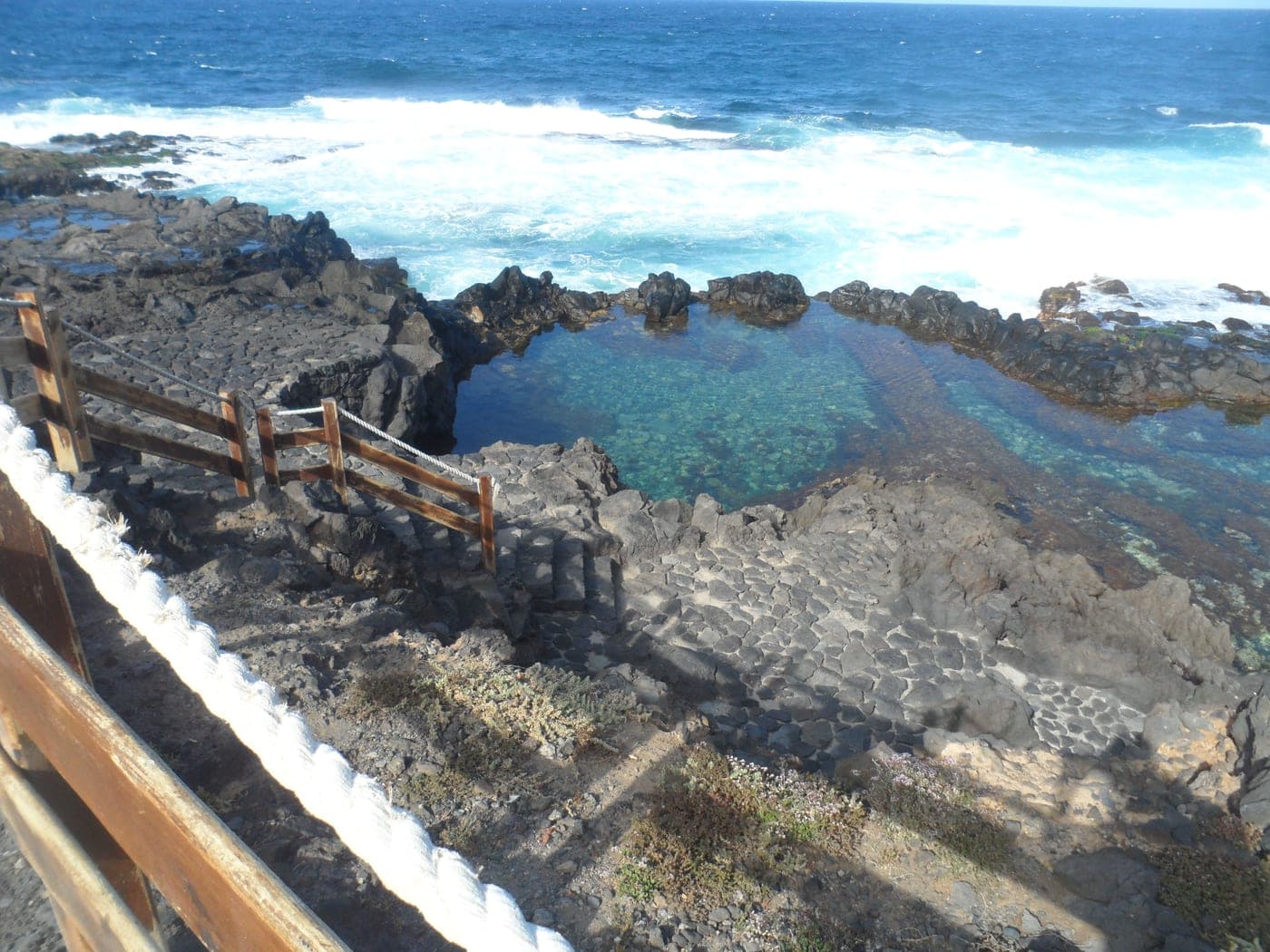
Secret Natural Pools in Tenerife: The Ones Not in the Guides
Tenerife's most secret natural pools: volcanic rock pools, hidden bathing spots and swimming holes known only to locals.

Rural Teno: Hiking, Masca and the Wild West of Tenerife
Discover the Teno massif: the Masca Ravine trail, rural villages, spectacular cliffs and Tenerife's westernmost lighthouse.