Architecture & Landmarks
Iconic buildings and historical monuments
38 places
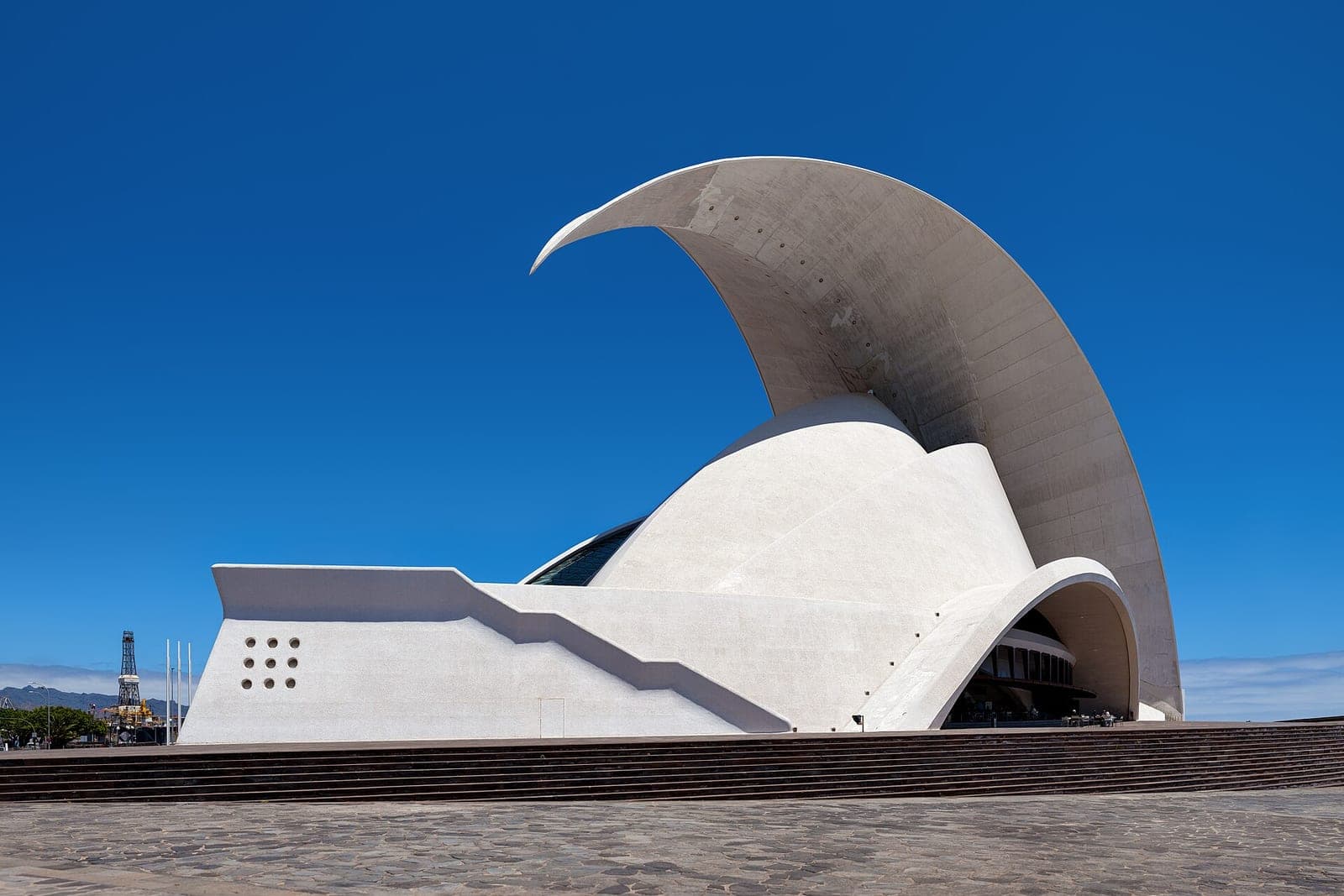
Tenerife Auditorium Adán Martín
Iconic Calatrava auditorium by the sea
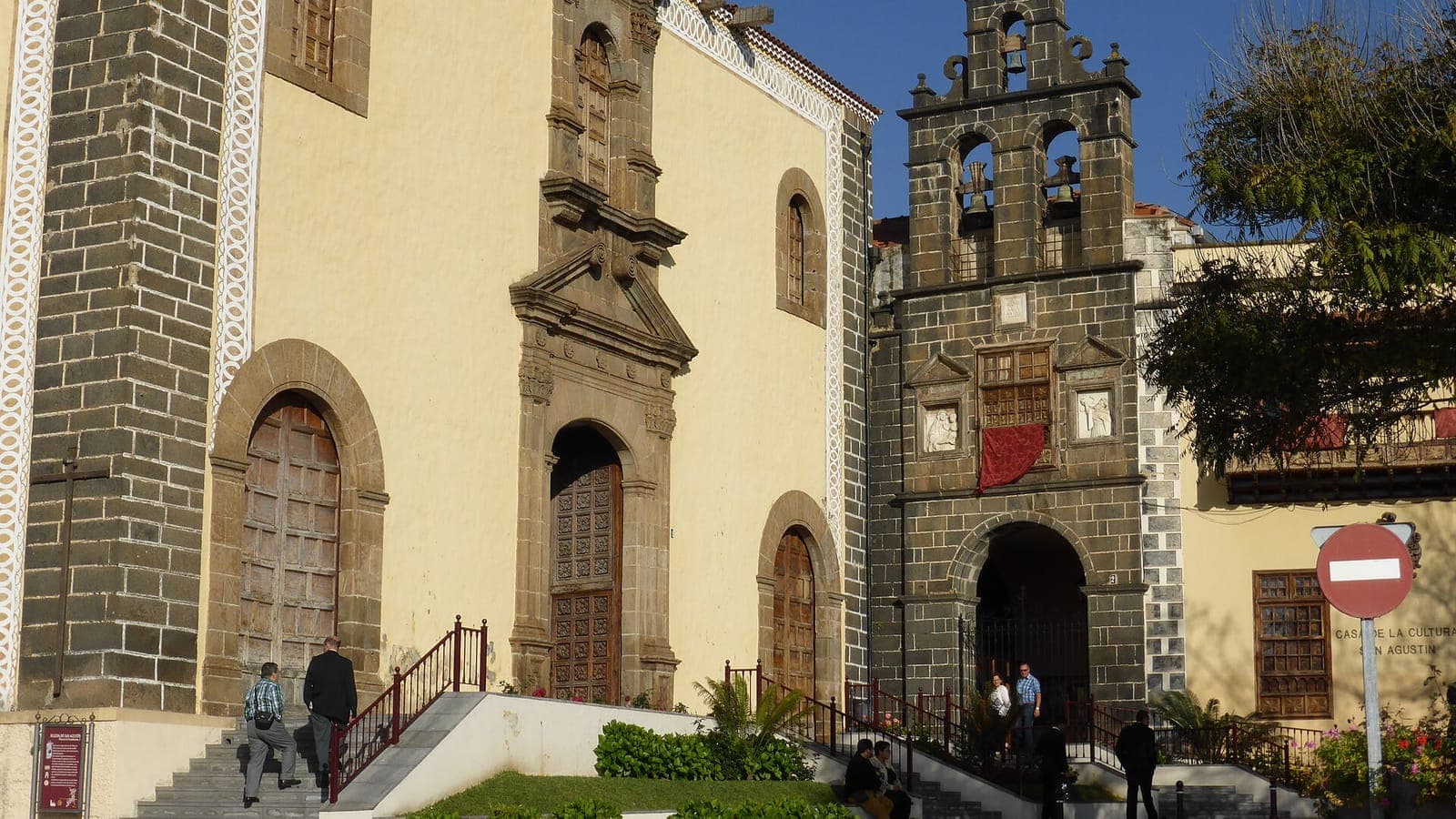
Iglesia de San Agustín
Baroque church of the former Augustinian monastery of Nuestra Señora de Gracia, built between 1671 and 1694; the convent complex is now a cultural centre.
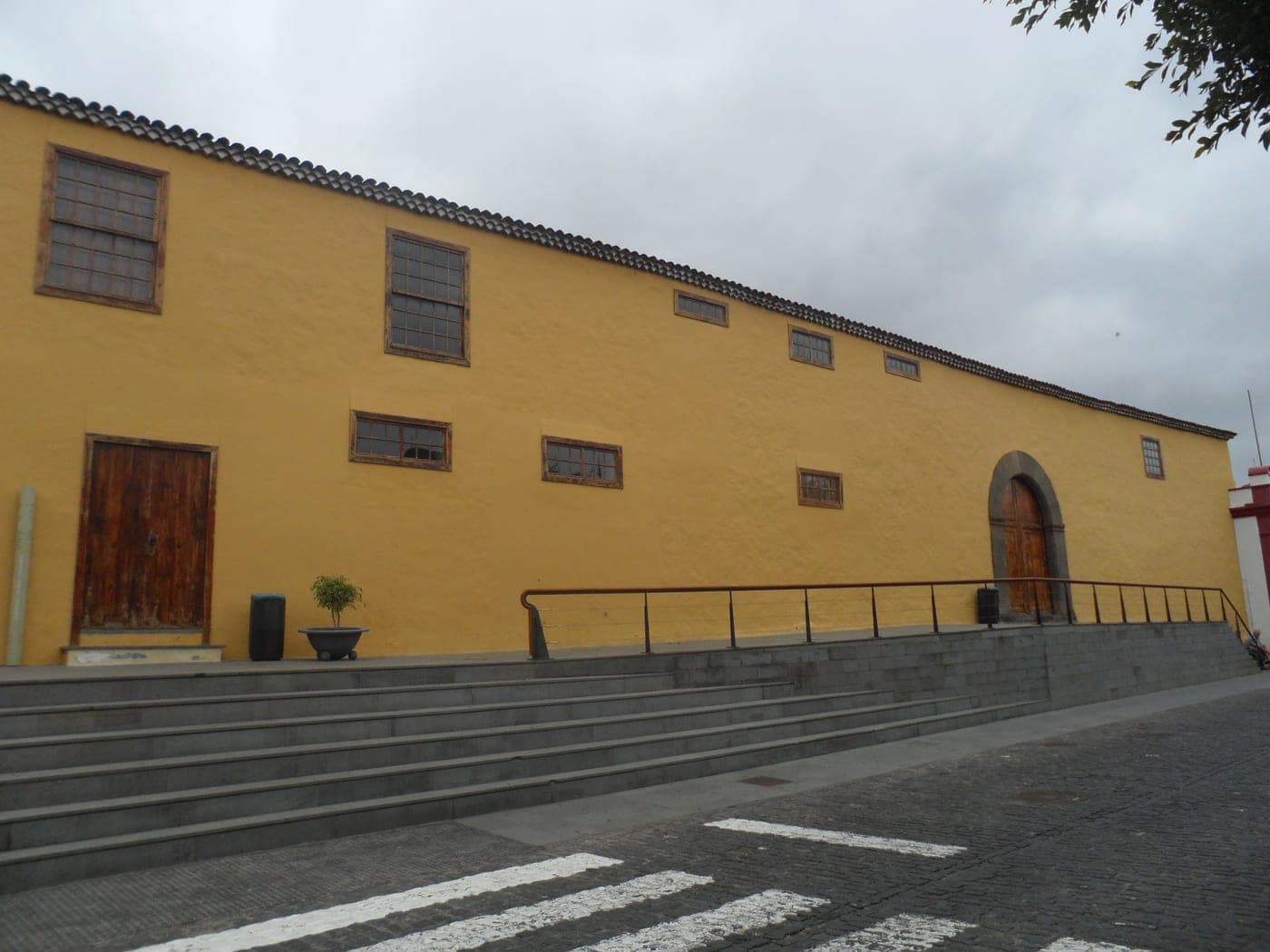
Antiguo Convento de San Sebastián
One of the town's most emblematic buildings, facing the church and the main square. It was founded on 31 August 1649 by Captain Sebastián Pérez Enríquez and his wife Luisa Francisca Montañés as a convent of Cistercian nuns, using houses and plots belonging to the founder. Cloistered life began with eight nuns —three of them the founder's daughters— and the community reached self-sufficiency in 1658, becoming known for its silk and ribbon production. After the disentailment of 1836, the building passed through the Ministry of War, the Treasury and the municipal schools, and between 1912 and 1980 it housed the Town Hall. It was declared a historic-artistic monument on 7 February 1986. Today it is a cultural and exhibition space, a benchmark of Los Silos's heritage.
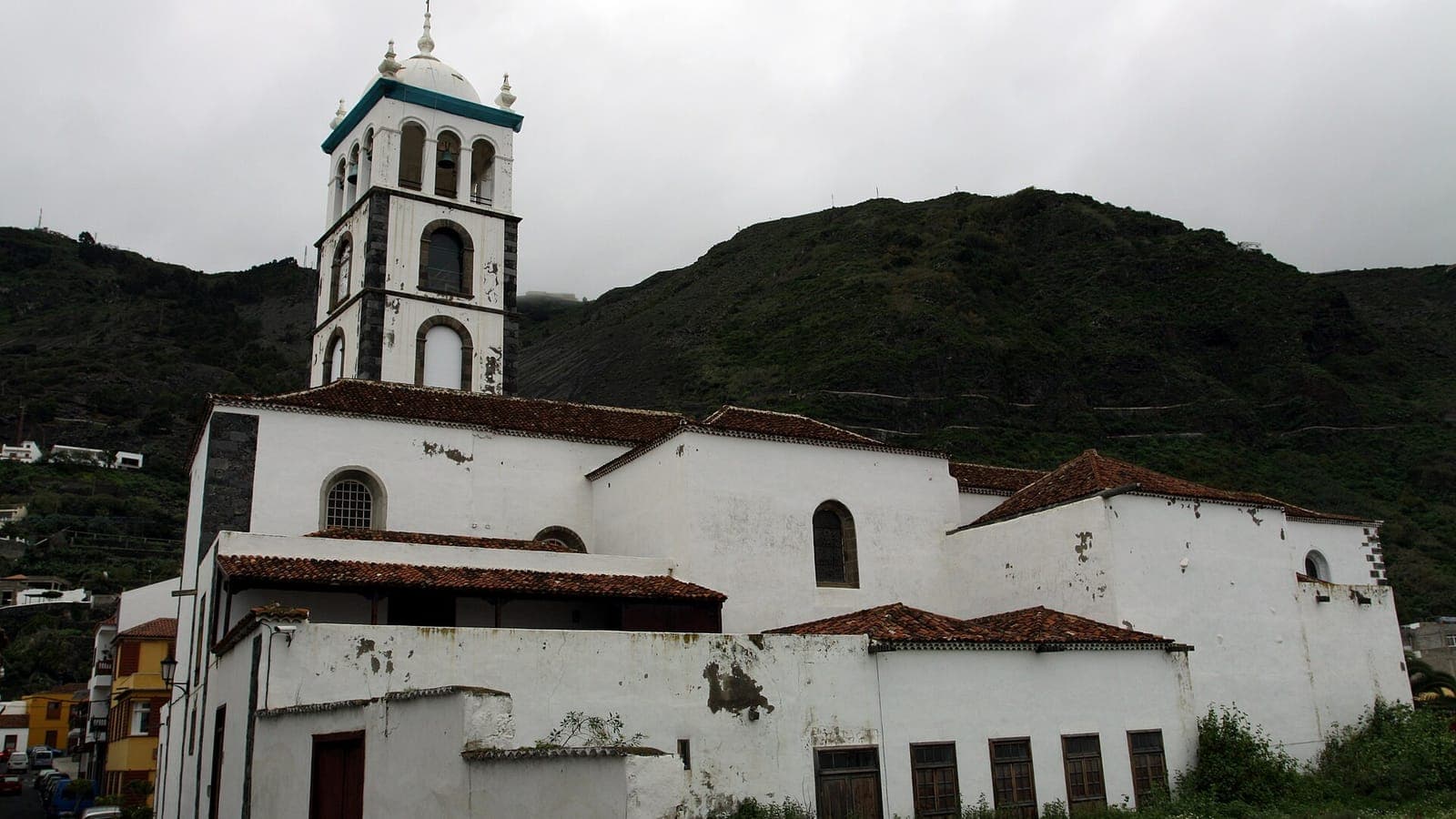
Iglesia de Santa Ana
The main parish church of Garachico beside Plaza de la Libertad, originally built around 1520 and rebuilt after the 1706 volcanic eruption.
Ermita de San Antonio Abad
A small temple whose tradition links it directly to the Battle of Acentejo, fought just a few metres away in the ravine. Legend holds that one of the first scribes of the archipelago, Anton Vallejo, vowed to build a hermitage if he survived or won that battle; the shrine is documented around 1539. It is dedicated to Saint Anthony the Abbot, protector of animals, and its surroundings host one of the island's most distinctive livestock celebrations. It is a simple, endearing spot that brings together popular devotion, historical memory and rural roots in a single place.
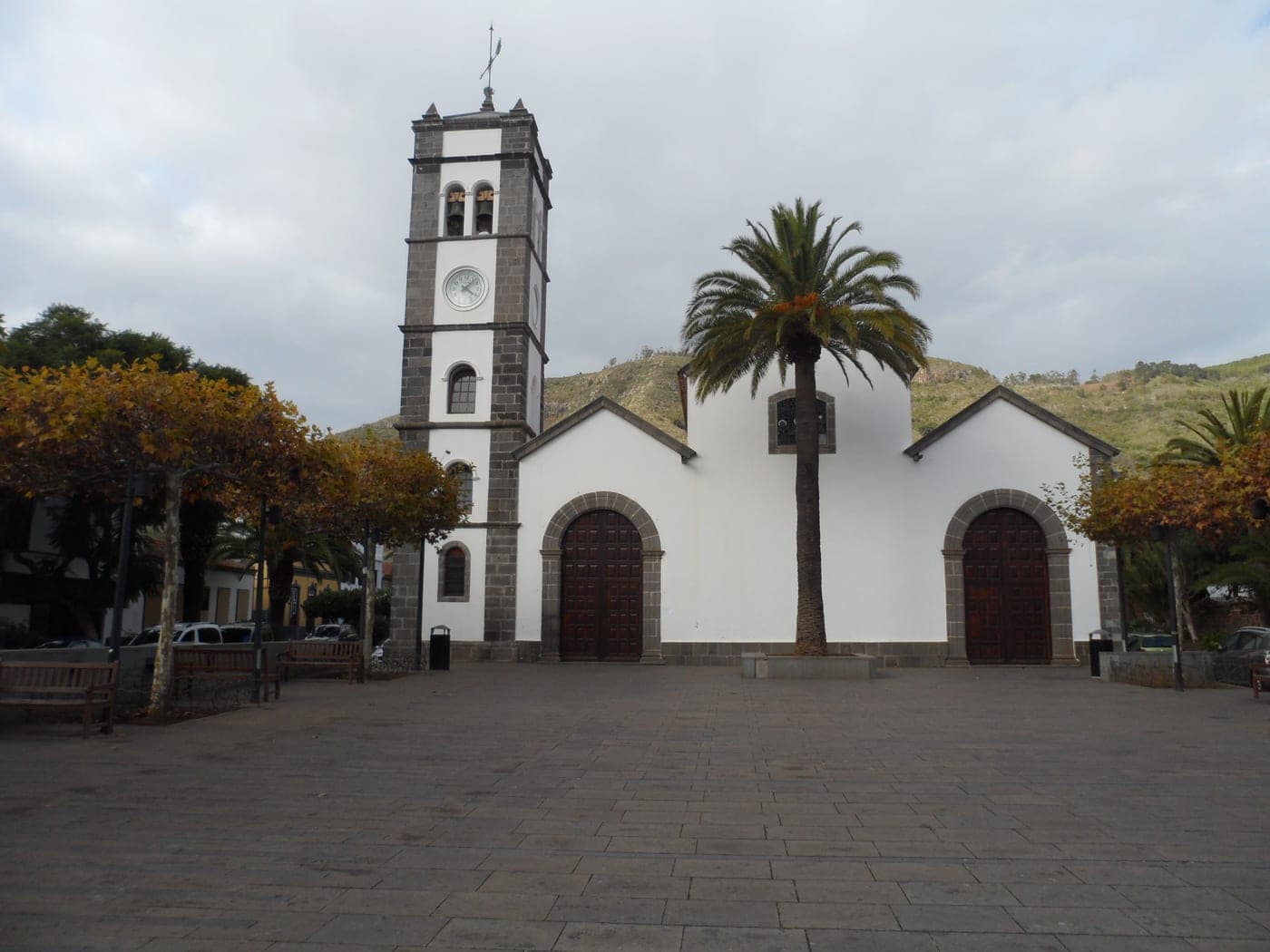
Iglesia de San Marcos Evangelista
This is the monumental and spiritual heart of Tegueste. Dedicated to the municipality's patron saint, it succeeds a first modest church built around 1530; San Marcos was established as a parish in 1606. The present building began to rise in 1699, was enlarged during the 18th century and completed in 1847. It has a three-nave plan in a Latin cross —the central nave, the Nave of the Souls and the Nave of the Rosary— and a slender tower some twenty-five metres high that dominates the historic centre. Inside it preserves valuable religious sculpture and altarpieces. The urban ensemble around it was declared a Site of Cultural Interest in 1986. Every 25 April marks the feast of Saint Mark, the town's patron; the massive Romería takes place on the last Sunday of April.
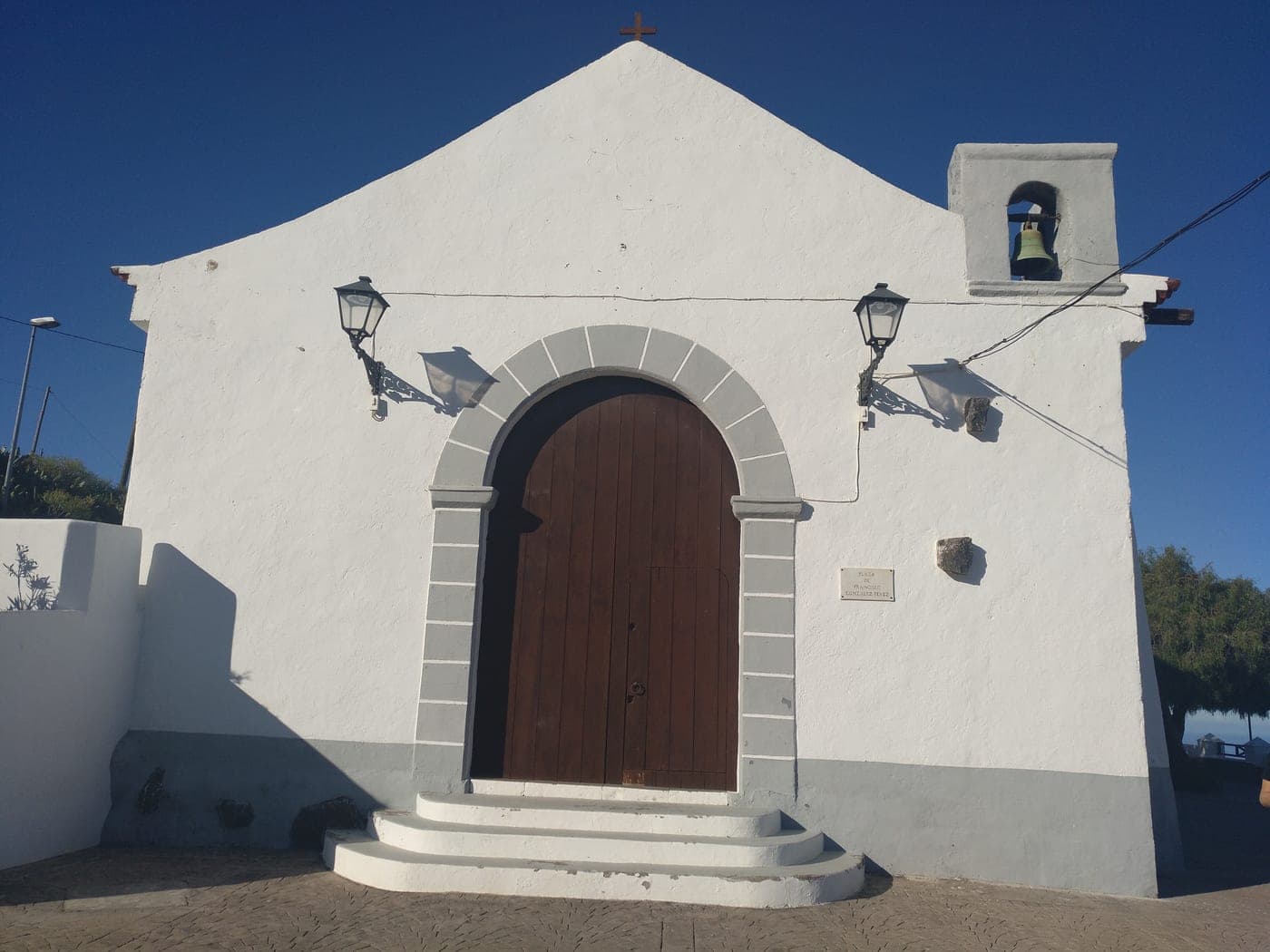
Ermita de Nuestra Señora del Rosario (Machado)
The hermitage of Our Lady of the Rosary, in the hamlet of Machado, is the very origin of the municipality's name. Built beside the old Royal Road to Candelaria, it arose in connection with the pilgrimage route that from the 16th century led the faithful towards the Patroness of the Canary Islands: historical sources place around 1534 a chapel that served as a resting place for pilgrims on their way to the coastal sanctuary. From that devotion to the Rosary, one of the great Marian devotions, the town council established in 1813 would take its name, still honouring her as patroness and depicting the mysteries of the Rosary on its coat of arms. Modest and of traditional Canarian style, the hermitage preserves the flavour of the old pilgrim roads and stands as a spiritual landmark in the municipality's midlands, recalling El Rosario's role as a land of passage towards Candelaria.
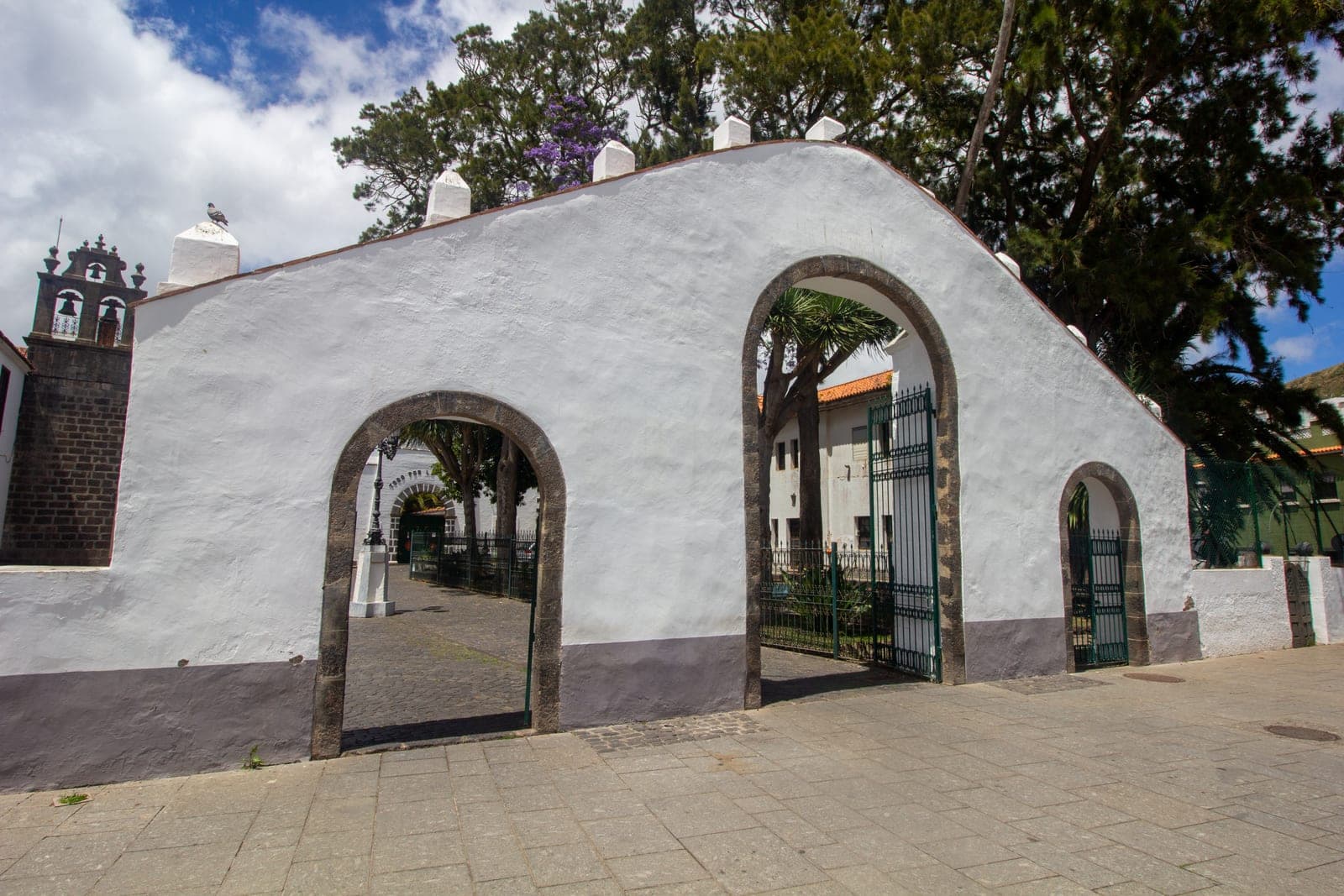
Sanctuary of the Christ of La Laguna
Franciscan sanctuary housing the venerated carving of the Holy Christ of La Laguna, one of the most important religious images in the Canary Islands.
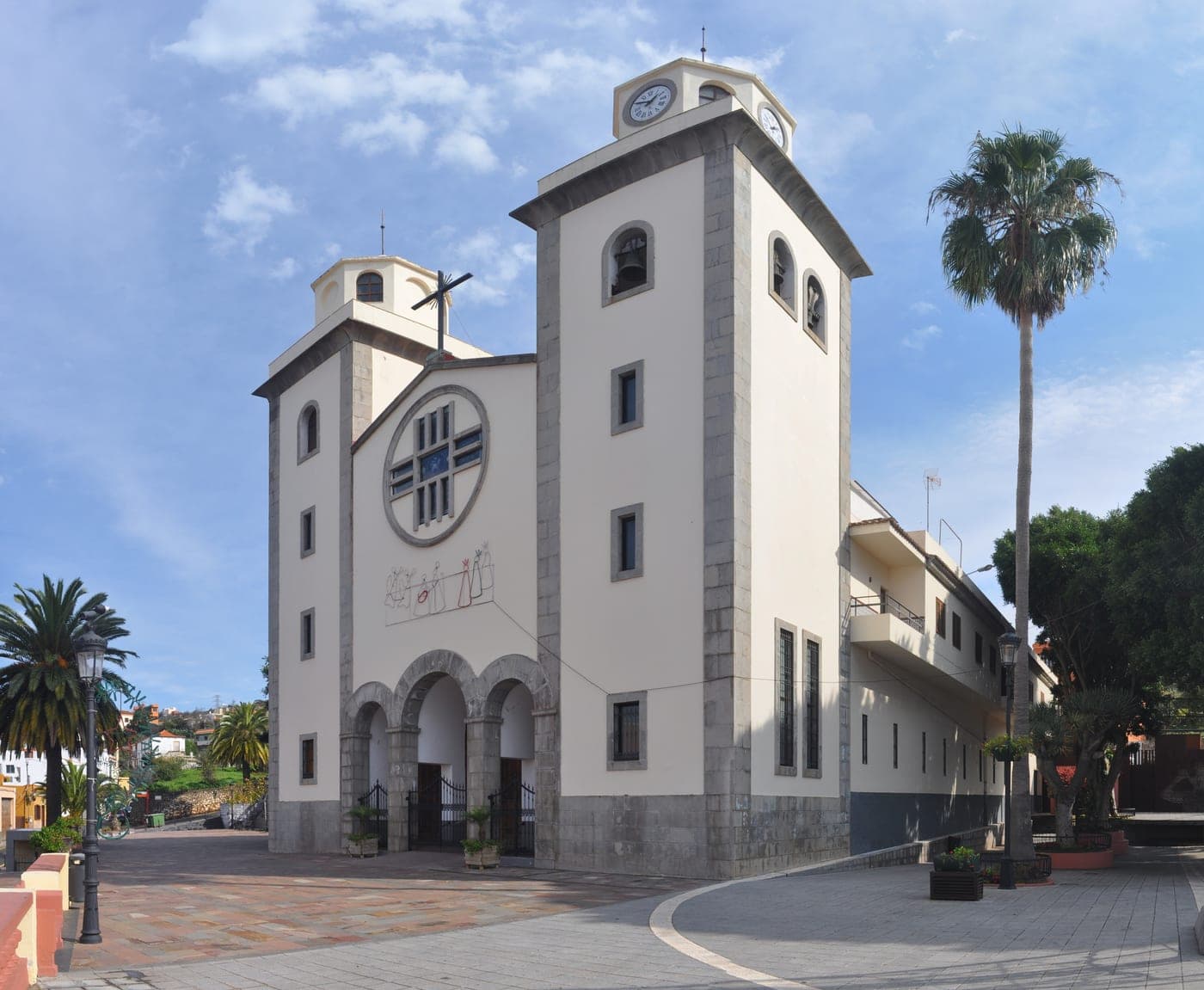
Iglesia Parroquial de El Salvador
The municipality's main church and the centre of religious life in La Matanza, dedicated to El Salvador (The Saviour). Its origins go back to a modest 16th-century hermitage which, separated from the jurisdiction of El Sauzal, was raised to an independent parish in 1614-1615. Greatly enlarged in the 17th century with side naves, the historic church was destroyed by fire in June 1936. After years of work, the new temple reopened in 1942, with a Greek-cross plan of three naves and two towers, incorporating elements salvaged from the earlier building. It presides over the village square and is the setting for the patron-saint festivities of San Salvador in August. It is an essential stop for understanding the history and devotion of La Matanza.
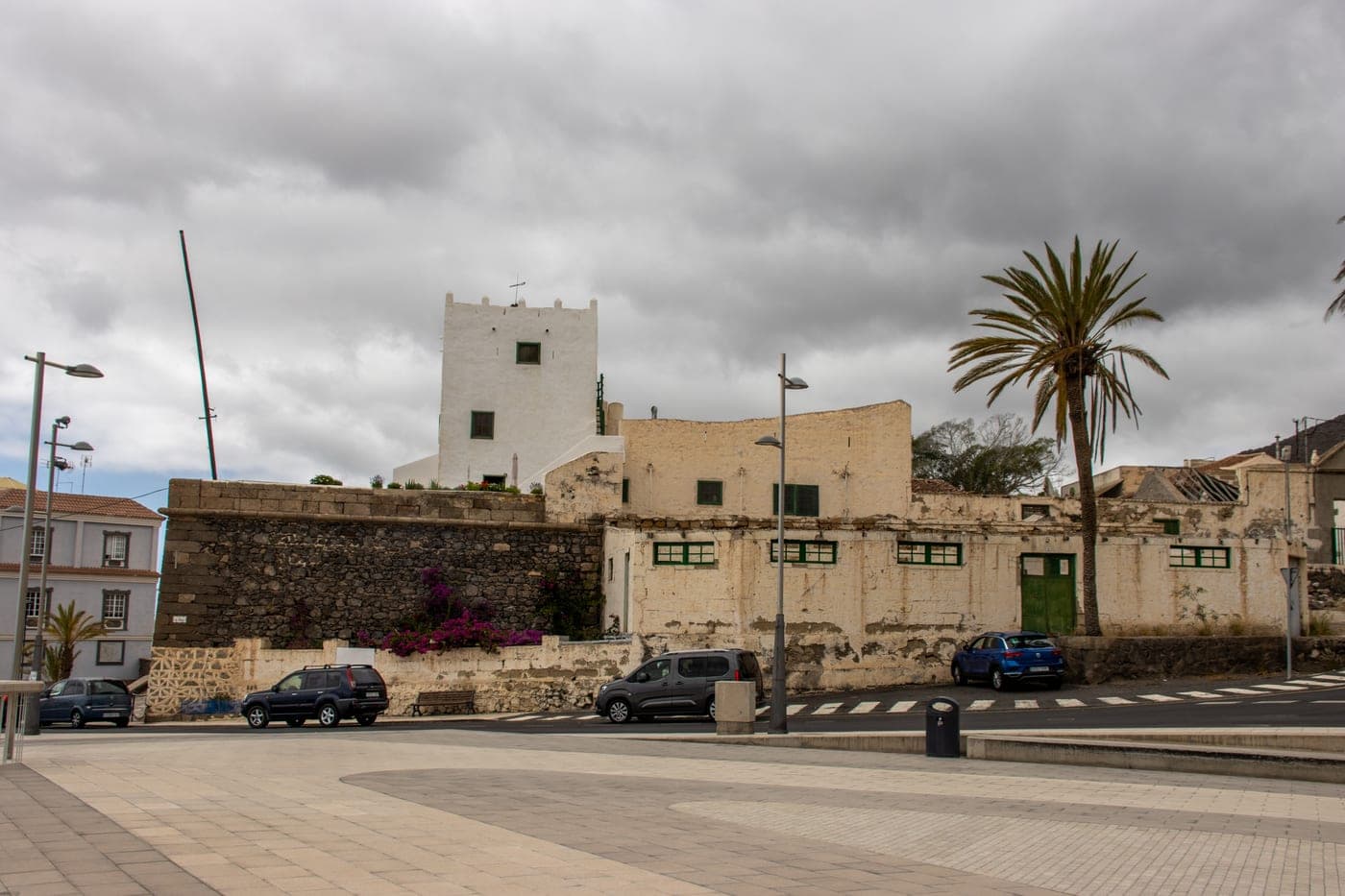
Casa Fuerte de Adeje
The Casa Fuerte (Strong House) was the seat of power of the Lordship of Adeje for more than three centuries.
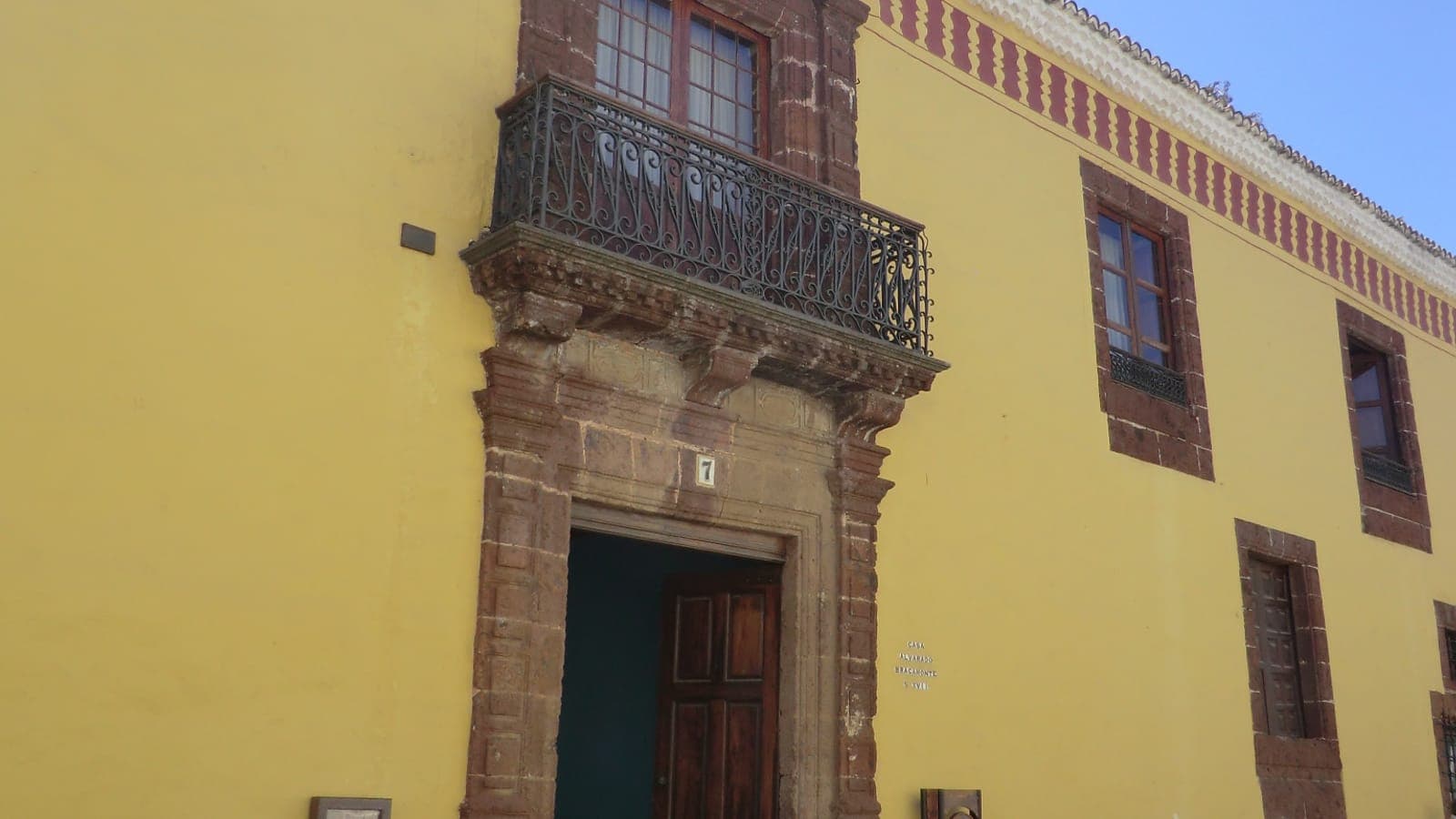
Casa de los Capitanes Generales
17th-century manor house (1624-1631) once home to several Captains General of the Canaries; today the seat of La Laguna's town hall and a listed cultural heritage monument.
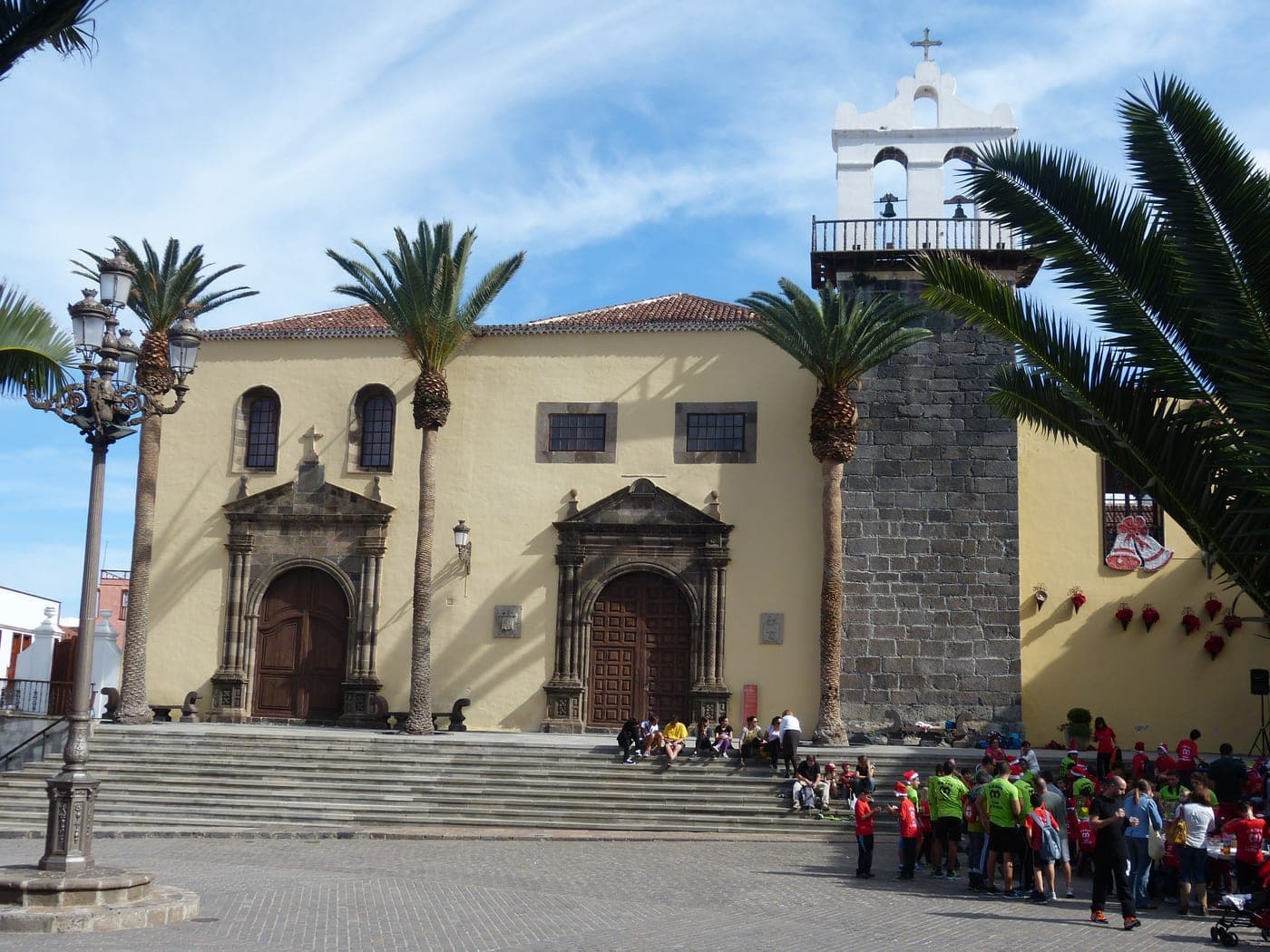
Convento de San Francisco
A former Franciscan convent whose origins go back to the 16th century, built next to the hermitage of Nuestra Señora de los Ángeles during the town's most splendid times.
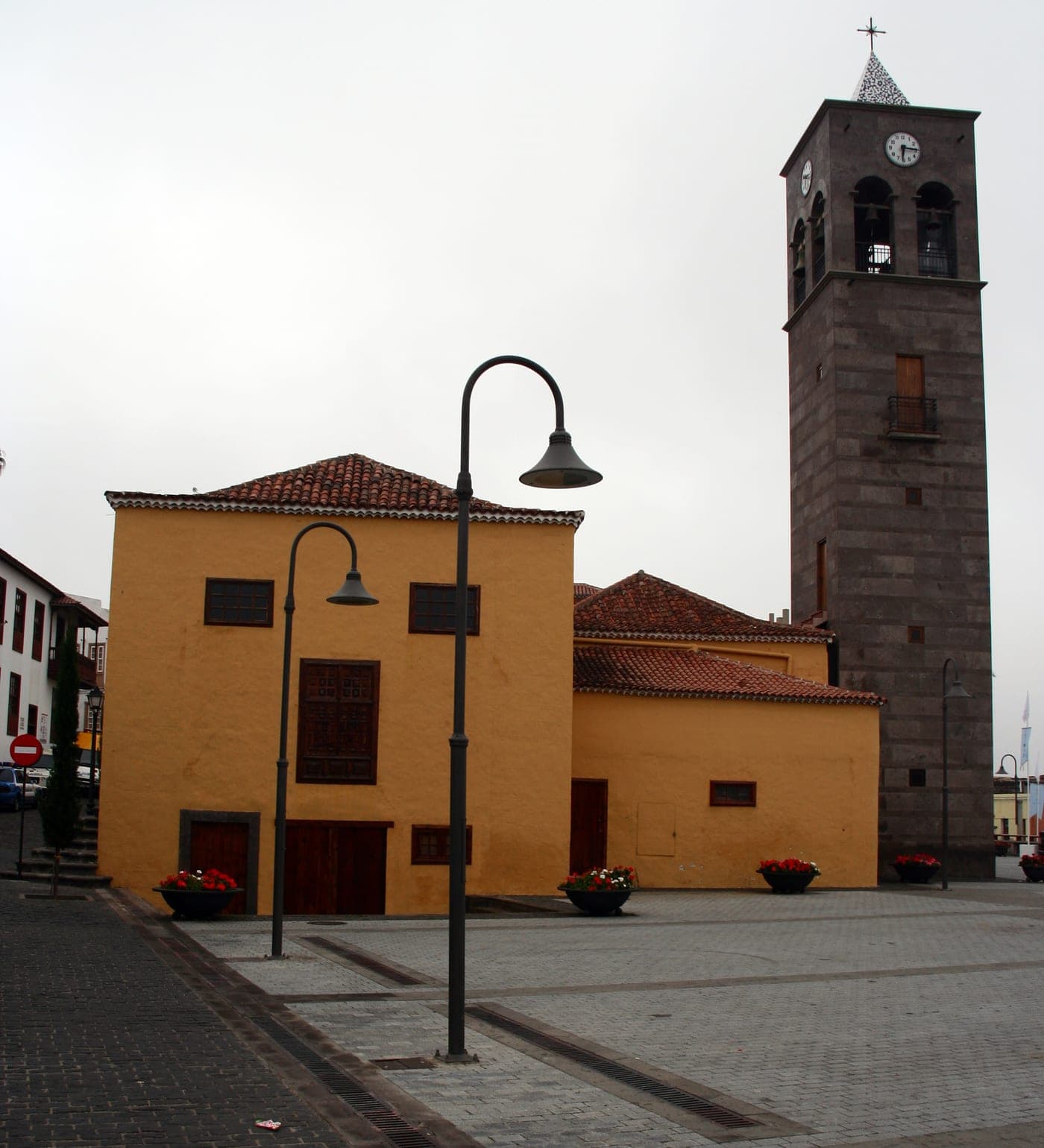
Iglesia del Dulce Nombre de Jesús
Parish church and spiritual heart of La Guancha. Its origins date back to 1579, when a hermitage dedicated to the Sweet Name of Jesus was raised around the Fuente de la Guancha.
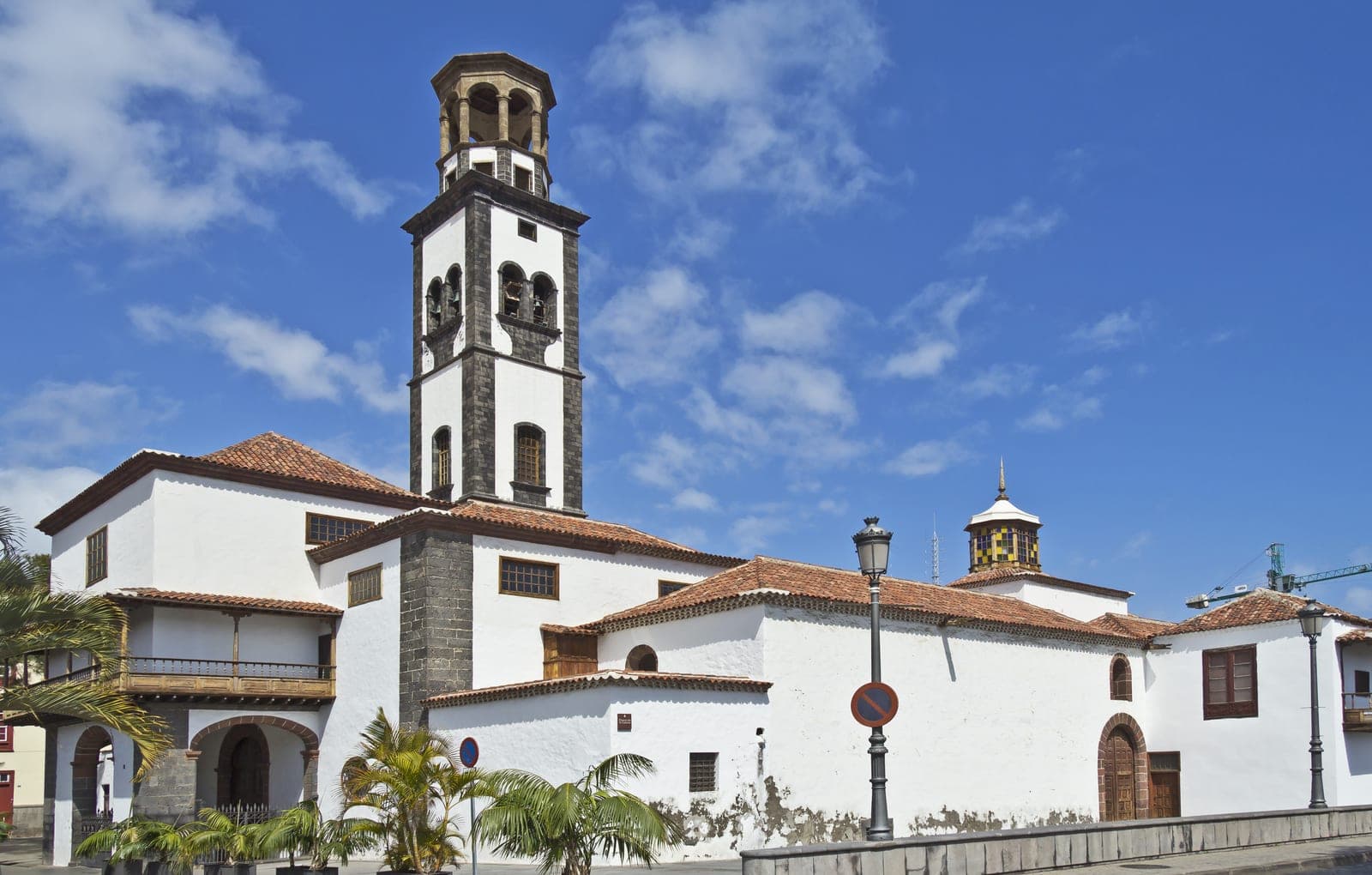
Church of the Conception (Santa Cruz)
The oldest and mother church of Santa Cruz de Tenerife, famous for its tower, one of the city's symbols.
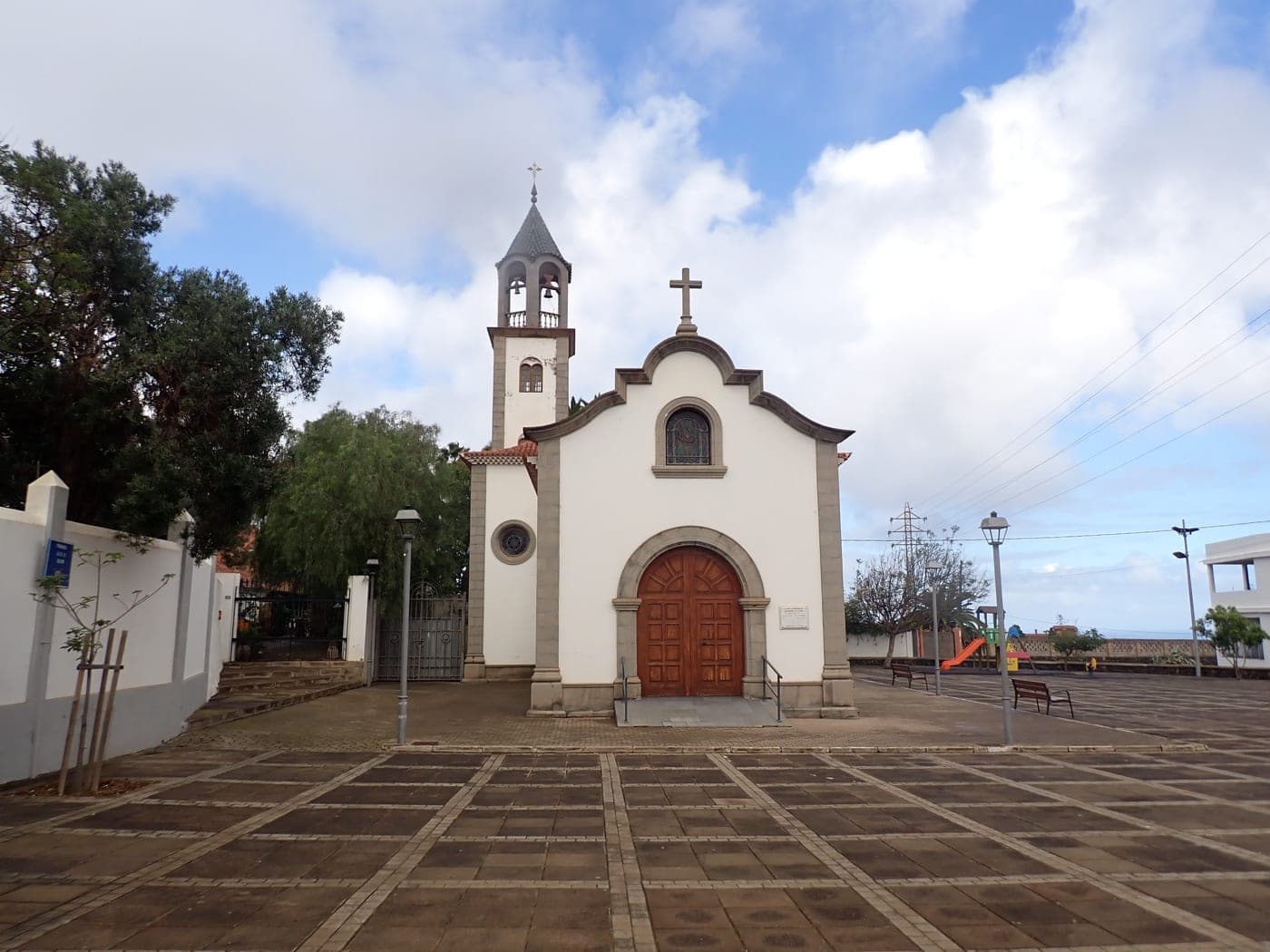
Ermita de Nuestra Señora del Socorro
Located in the El Socorro neighbourhood, on the boundary between Tegueste and Tejina, this chapel was one of the great centres of Marian devotion in the district. It gained notable fame as a miraculous shrine, even rivalling the parish of San Marcos itself in wealth and veneration. Its cult grew especially strong from the 18th century onwards, driven by donations from the area's large landowners and, according to tradition, by the protection of the famous corsair Amaro Rodríguez Felipe, known as Amaro Pargo. Its festivities, held in late September in honour of the Virgen del Socorro, keep that old devotion alive and feature celebratory elements shared with nearby Tejina, in a rural setting of orchards and vineyards highly characteristic of Tegueste.
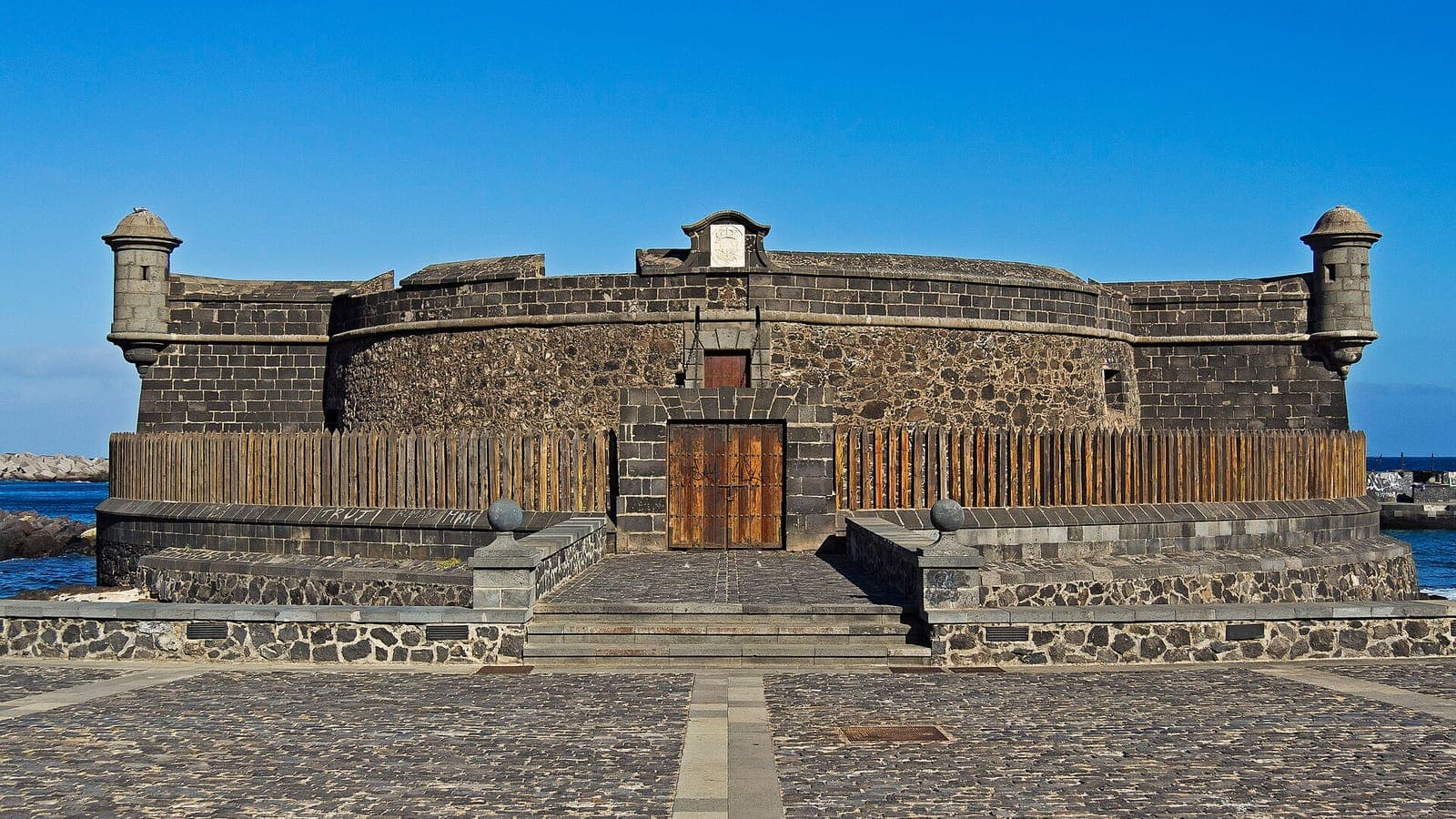
Castillo de San Juan Bautista (Castillo Negro)
Circular fortress built in 1641-1643 from dark volcanic stone, located next to the Auditorio; declared a Site of Cultural Interest in 1993.
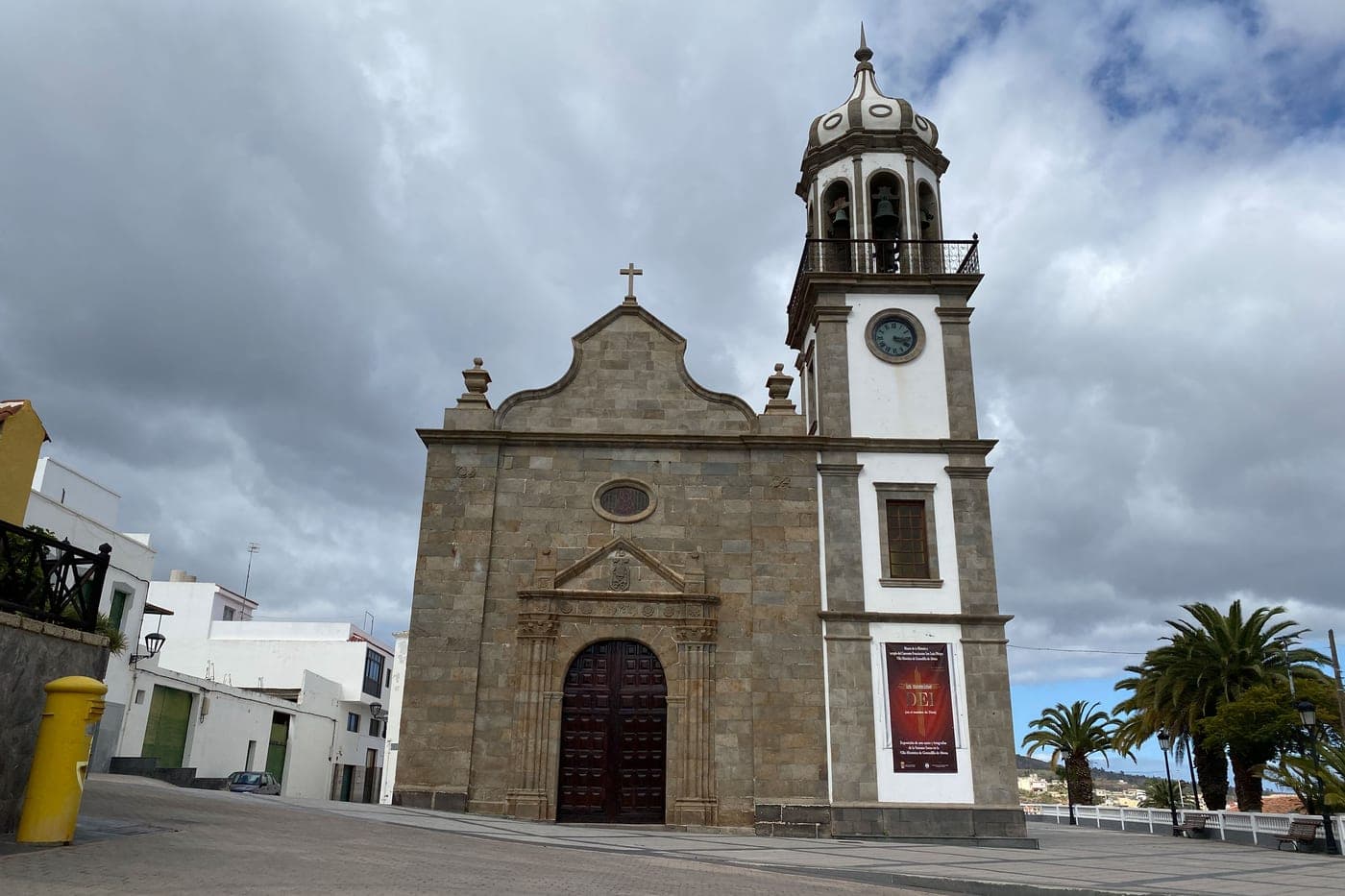
Iglesia de San Antonio de Padua
The church of San Antonio de Padua is the main monument of Granadilla de Abona and one of the most notable in southern Tenerife.
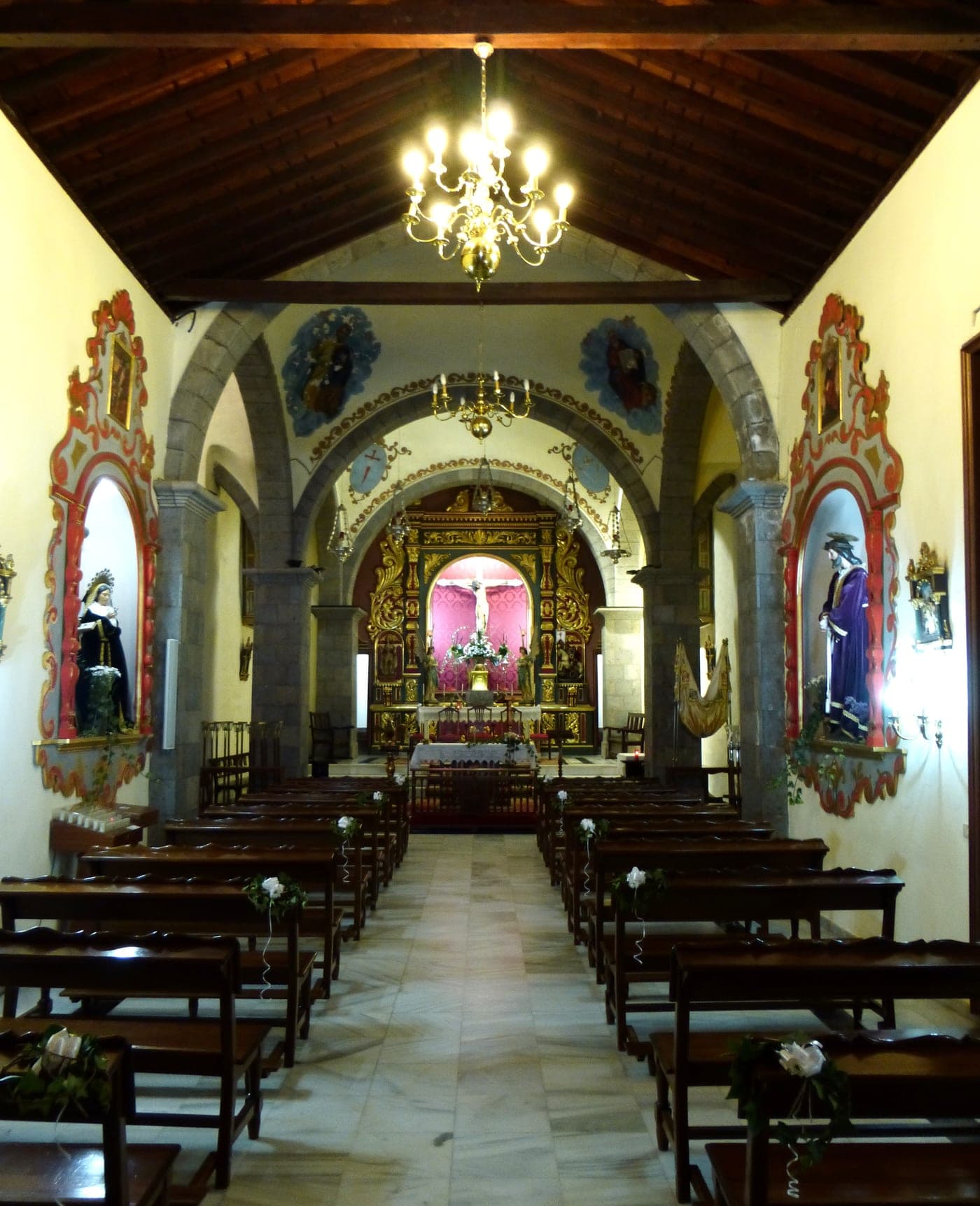
Iglesia de San Fernando Rey
The parish church of San Fernando Rey presides over the central square of Santiago del Teide, next to the Town Hall.
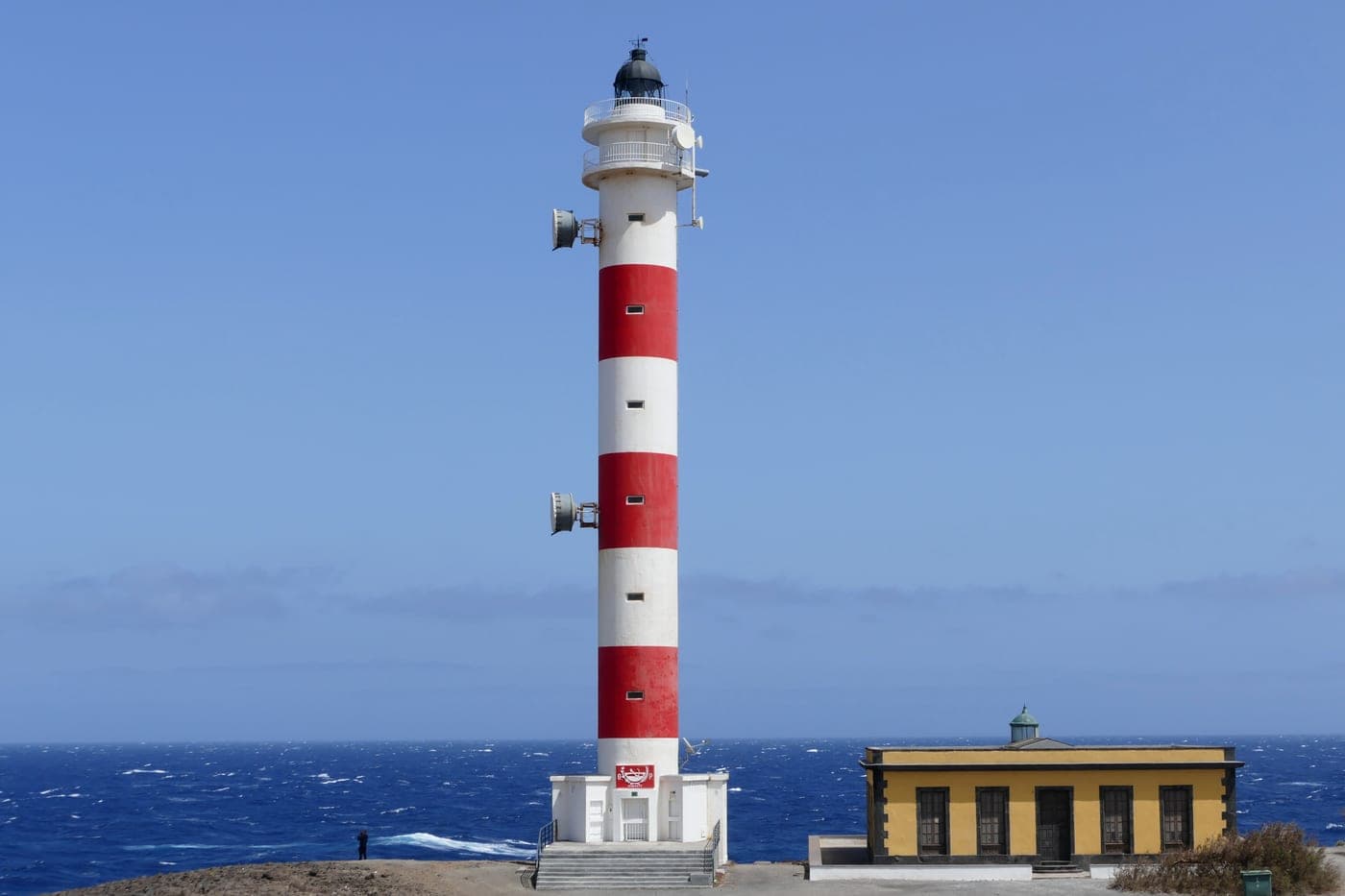
Faro de Punta de Abona
The Punta de Abona lighthouse rises on a low, rocky headland on the southeastern coast of Arico, between Porís de Abona and the Abades area. It was inaugurated in 1902 to guide ships on the busy maritime route between Santa Cruz de Tenerife and the western ports of the islands, with an initial range of around 16 miles. In 1978 the original tower was replaced by the present one, taller and with recognisable horizontal red and white bands, which considerably increased its light range. Beyond its function as a navigation aid, the lighthouse has become a scenic emblem of the municipality: its silhouette against the sea and clear sky makes it especially photogenic at sunset and during starry nights.
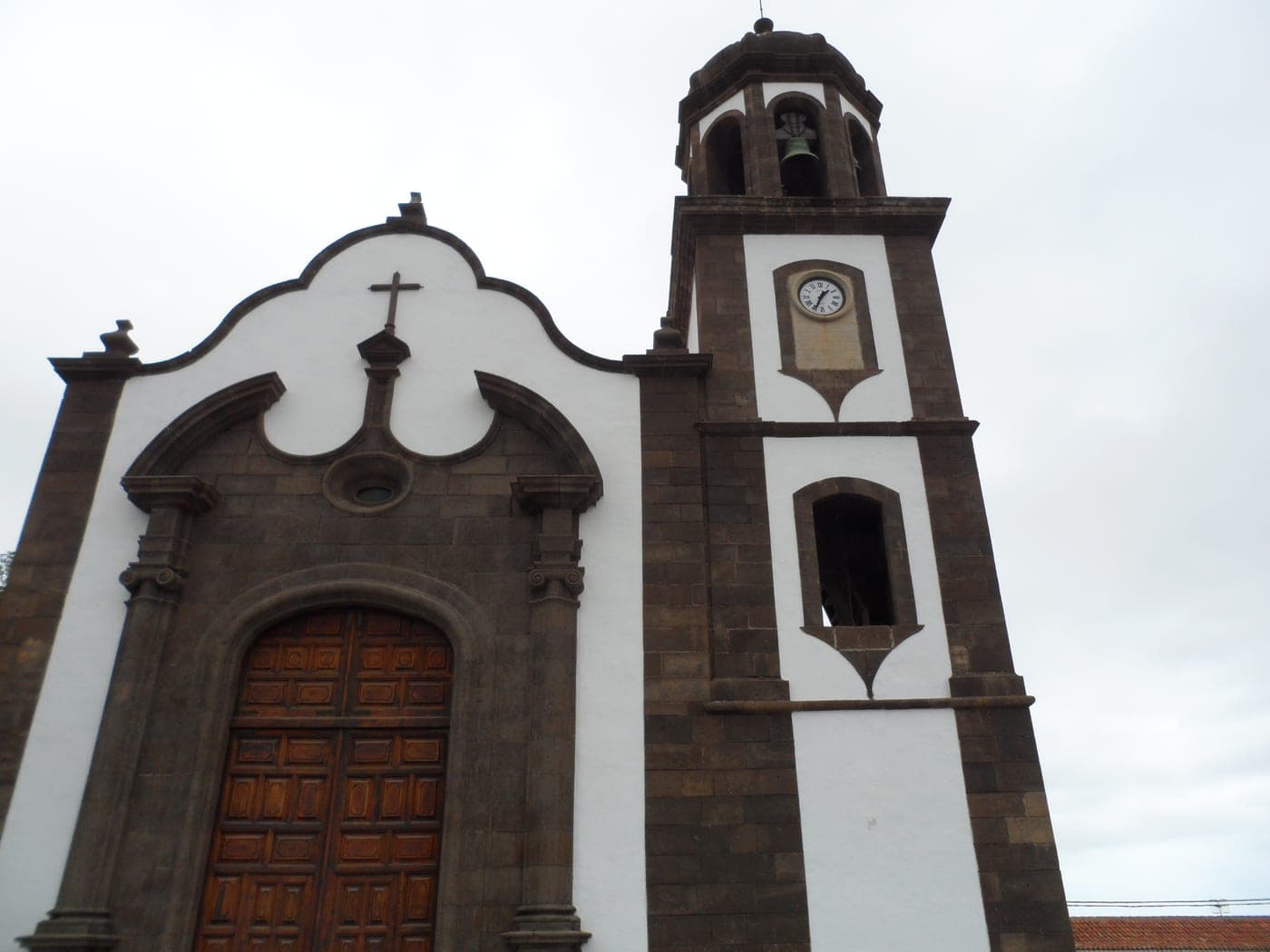
Iglesia de San Juan Bautista (Villa de Arico)
The municipality's main church and the heart of Villa de Arico, the church of San Juan Bautista has its origins in a hermitage built in the late 16th century by Captain Juan González Gómez. In 1639 it was elevated to a parish, separating from Vilaflor. The present building, with a Latin-cross plan featuring a main nave and side chapels, was begun around 1747 by master builder Juan de Armas and combines the sobriety of Canarian architecture with timber ceilings and a Baroque façade. It safeguards the venerated Gothic image of Nuestra Señora de Abona, patroness of southern Tenerife and perpetual mayoress of Arico, found according to tradition on the coast in 1722, as well as a remarkable collection of silverwork and religious imagery from the 17th and 18th centuries. It was declared a Historic-Artistic Monument (Site of Cultural Interest) in 1985.
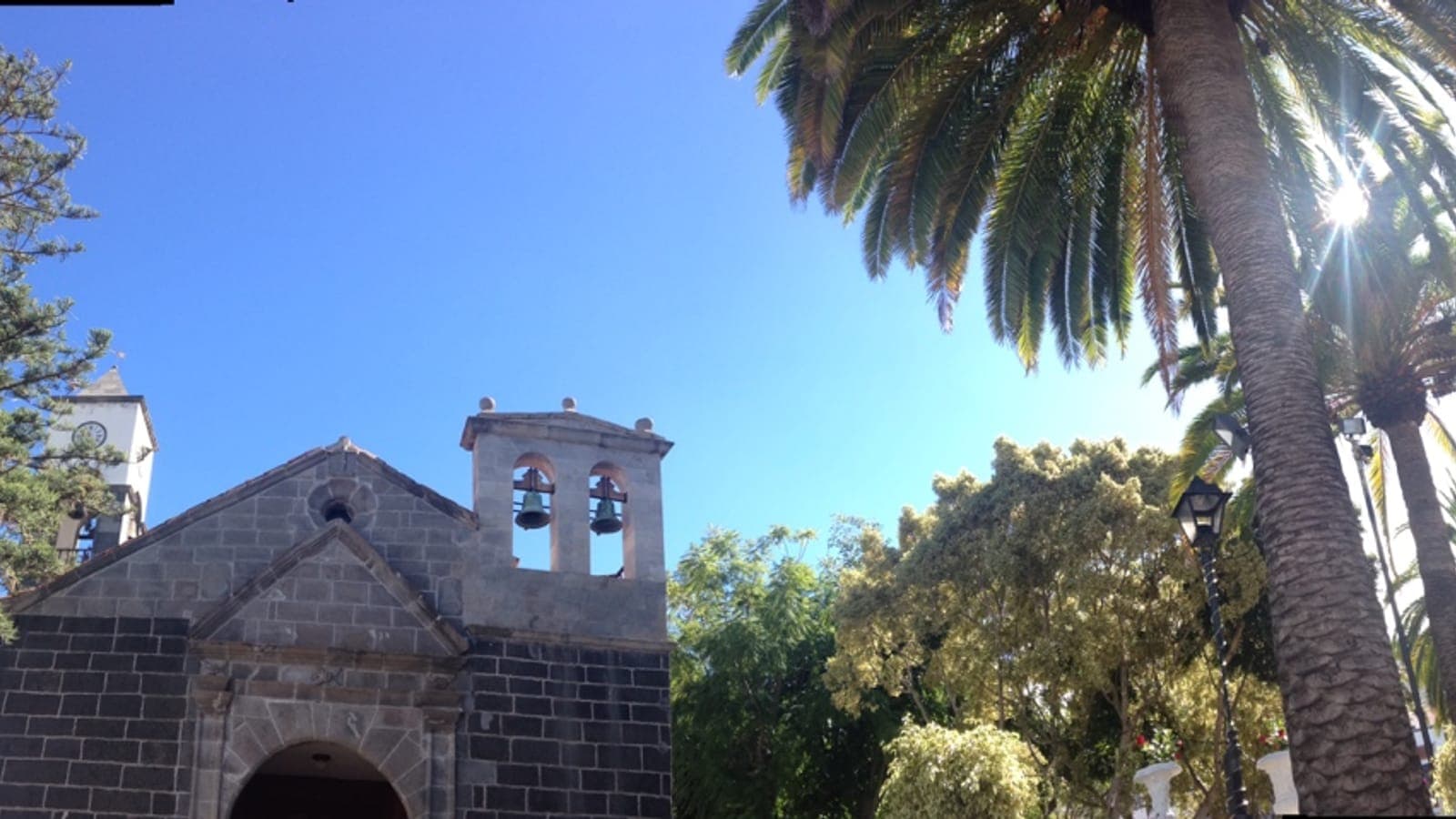
Iglesia de Santa Úrsula
The oldest church in the municipality, single-nave with a Latin-cross plan; a parish since 1612 and a listed cultural heritage monument since 2006.
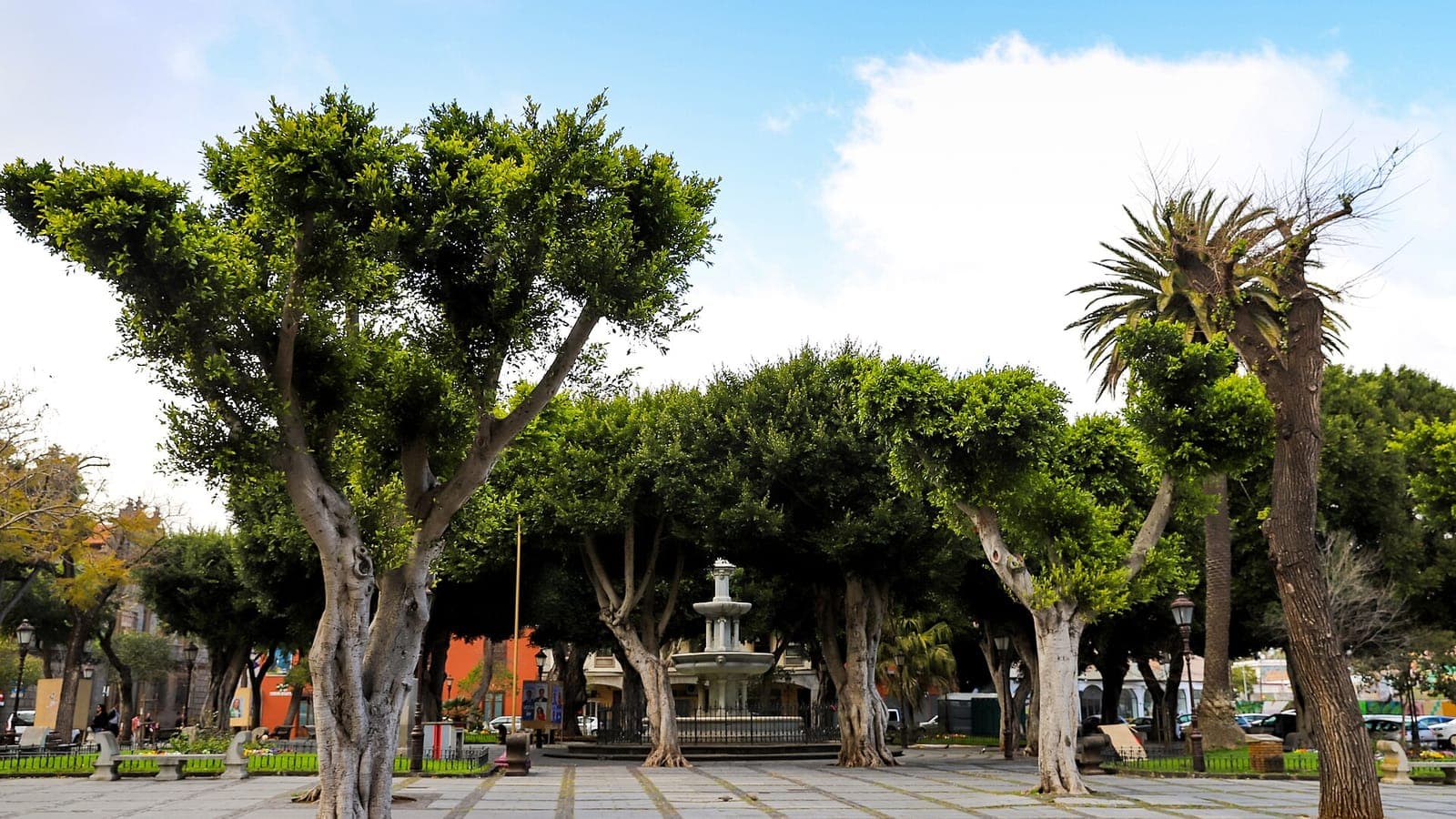
Plaza del Adelantado
The main square of La Laguna's historic centre, created in the 16th century and named after the conqueror Alonso Fernández de Lugo; surrounded by historic buildings.
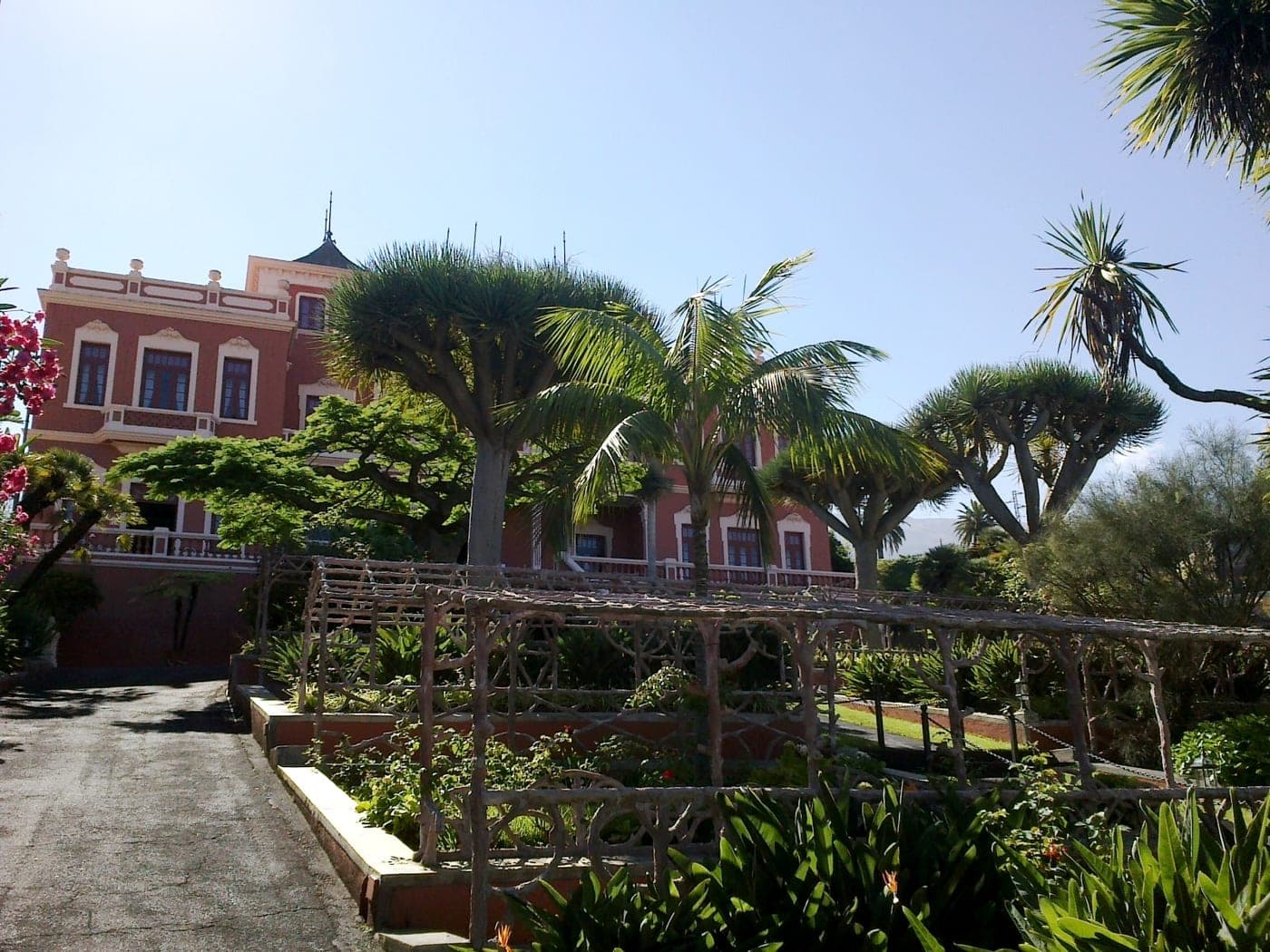
Liceo de Taoro
An imposing palatial building from the early twentieth century that houses one of the most prestigious cultural societies in Tenerife, the Sociedad Liceo de Taoro, founded in 1855 as the Falansterio…
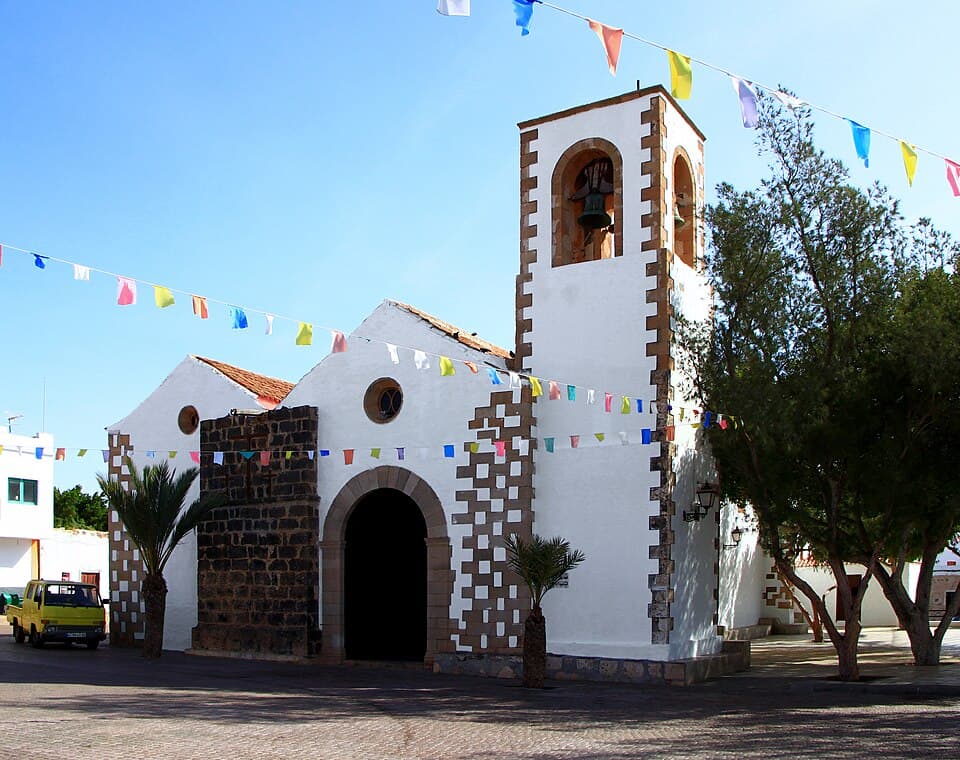
Conjunto Histórico (calle de la Iglesia)
The historic centre of San Miguel de Abona, declared a Site of Cultural Interest in the category of Historic Ensemble in 2013, is one of the best preserved traditional centres in southern Tenerife. It follows the linear layout typical of the uplands: the buildings are aligned along Calle de la Iglesia, the old royal road that connected Granadilla and San Miguel with the Valle de San Lorenzo. Along this axis stand terrace houses and stately homes from the 18th to the 20th centuries, with inner courtyards, sash windows, tiled or flat roofs and classicist influences, the result of the drive of the agrarian bourgeoisie. The ensemble also preserves orchards and terraced plots within the urban fabric itself, reinforcing its authenticity and its close relationship with the agricultural landscape that gave rise to it. To walk through it, between the church, the Casa de El Capitán and El Calvario, is to travel through the living memory of the town.
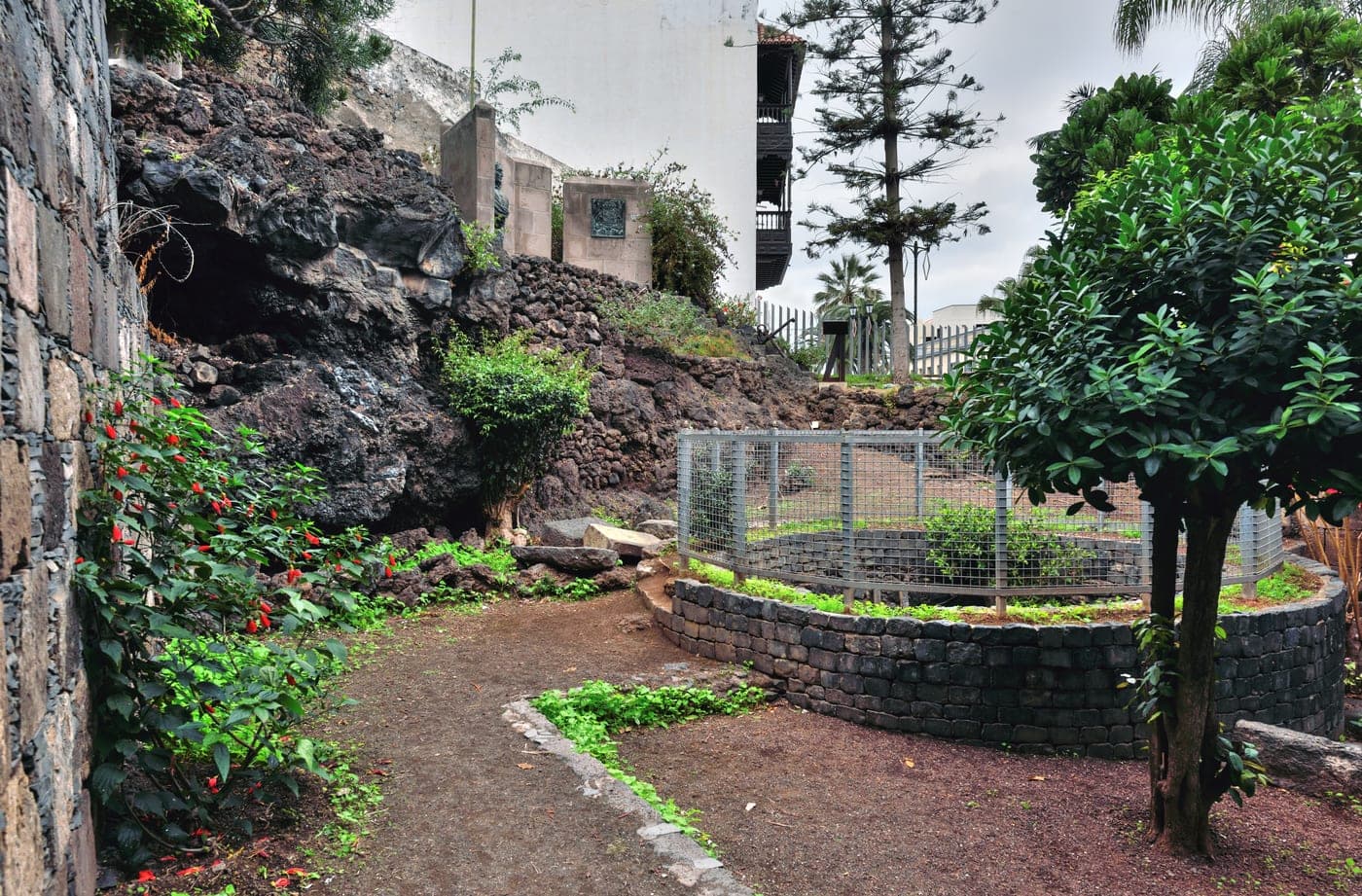
Puerta de Tierra
The old harbour gate, located near the Castle of San Miguel and beside the square popularly known as plaza de Abajo.
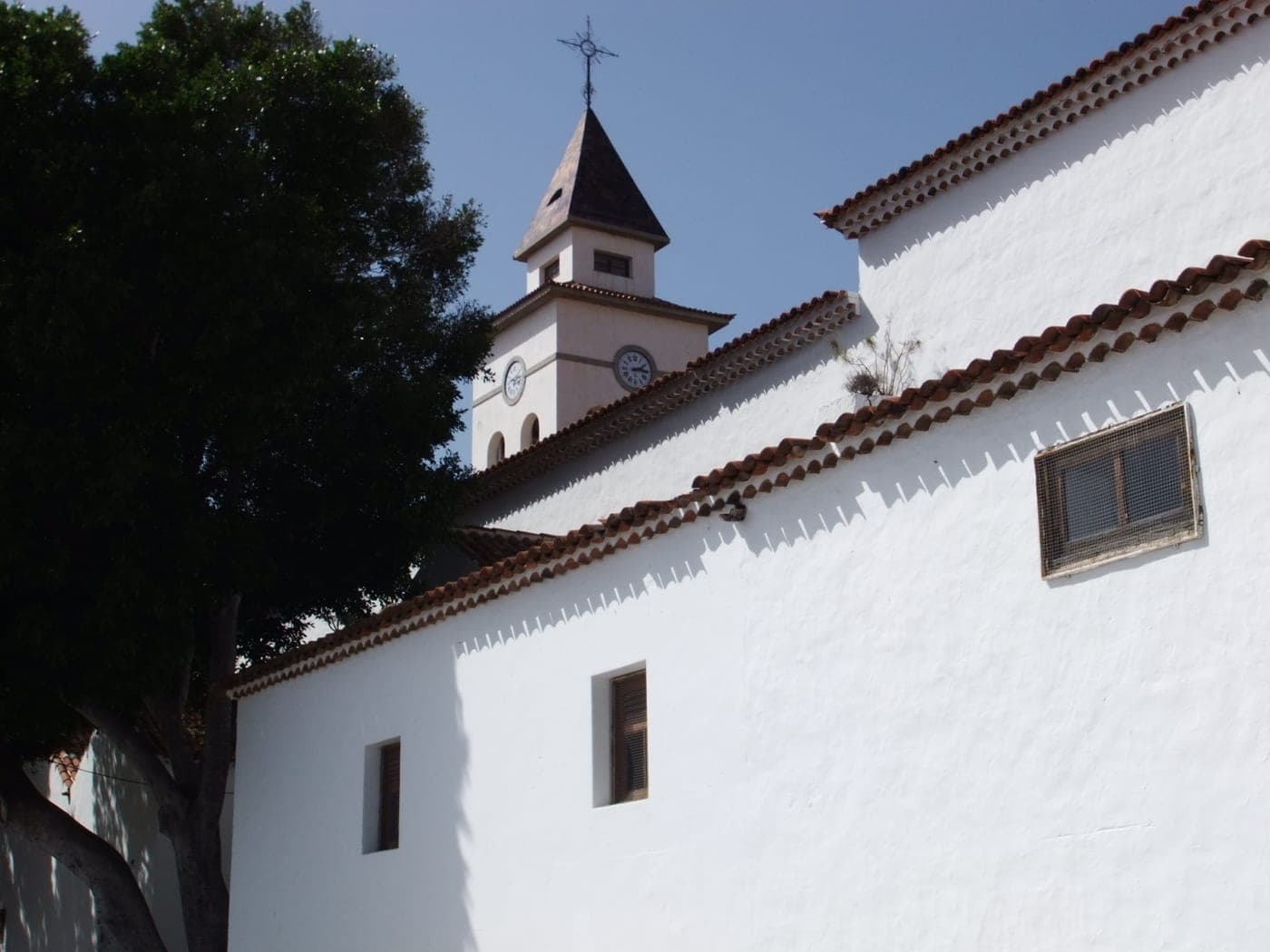
Iglesia de San Miguel Arcángel
Known as the "Cathedral of the South" for its stature, the parish church of San Miguel Arcángel is the heart of the historic centre and the very origin of the town. Its beginnings go back to a modest hermitage raised around 1665 by descendants of the conqueror Fernando García del Castillo and dedicated to the archangel Saint Michael, patron of the town. In 1796 the temple was raised to the status of parish, two years before San Miguel broke away from Vilaflor. The building, of sober lines and traditional Canarian architecture, presides over the square and the linear layout of Calle de la Iglesia, around which the urban ensemble declared a Site of Cultural Interest in 2013 was arranged. Inside it houses a valuable heritage of religious imagery and is the central stage for the patronal festivities of San Miguel Arcángel, every 29 September.
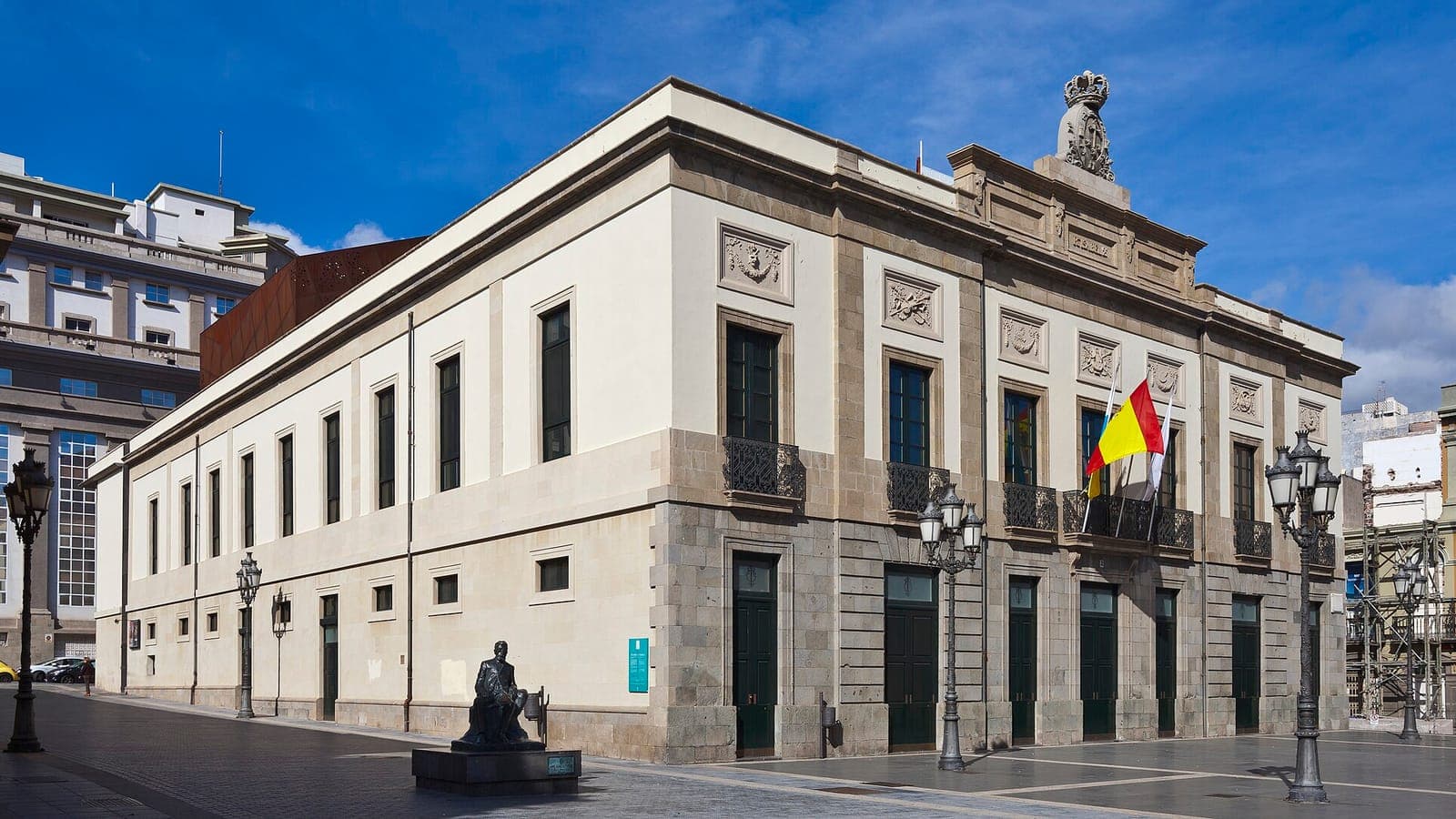
Teatro Guimerá
Opened in 1851, it is the oldest theatre in the Canary Islands, designed by architect Manuel de Oráa and built on the site of the former Santo Domingo convent.
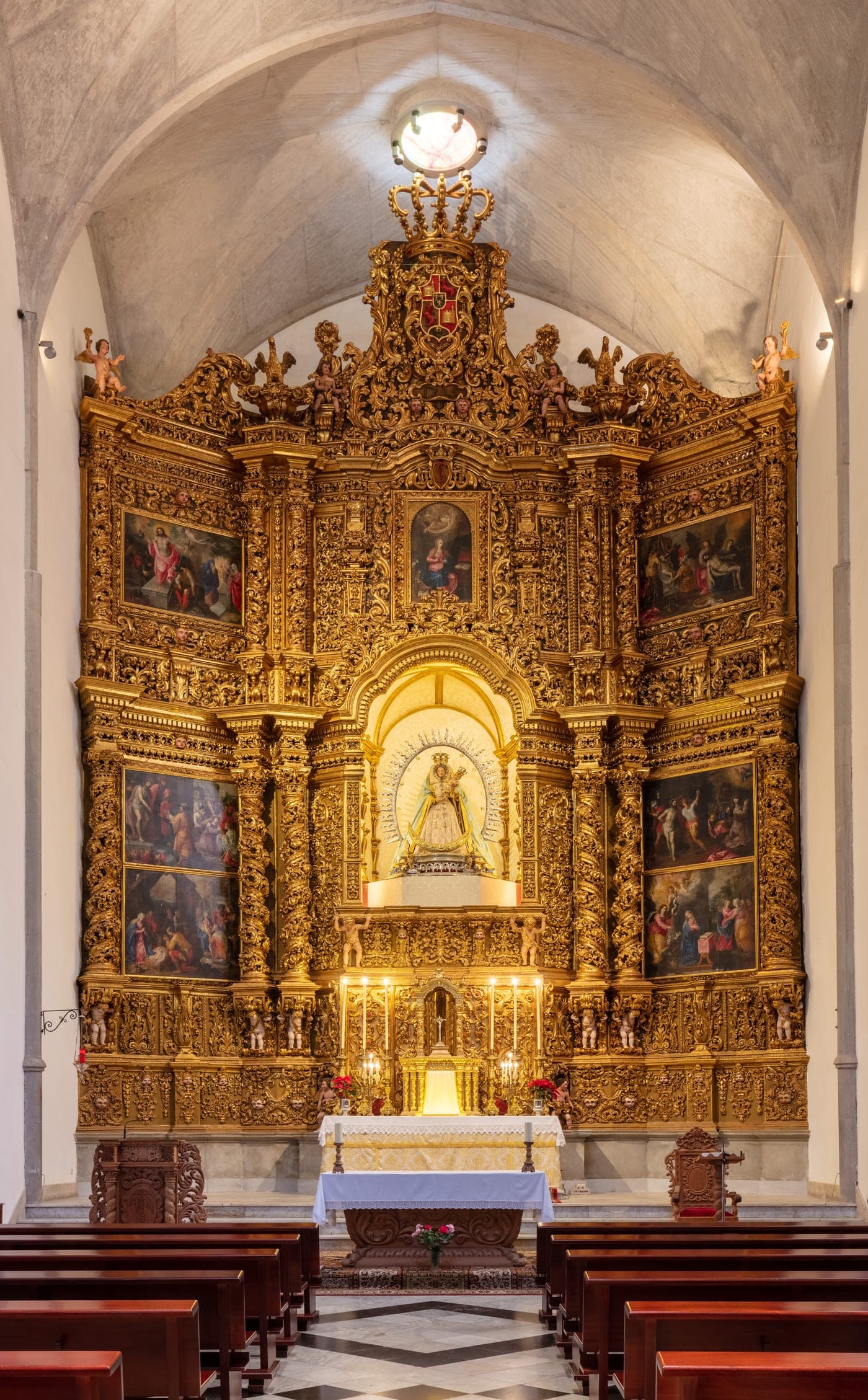
Catedral de La Laguna
Seat of the Nivariense diocese and consecrated to Our Lady of the Remedies, patron of the city, the cathedral combines a neoclassical façade inspired by Pamplona Cathedral with a neo-Gothic interior…
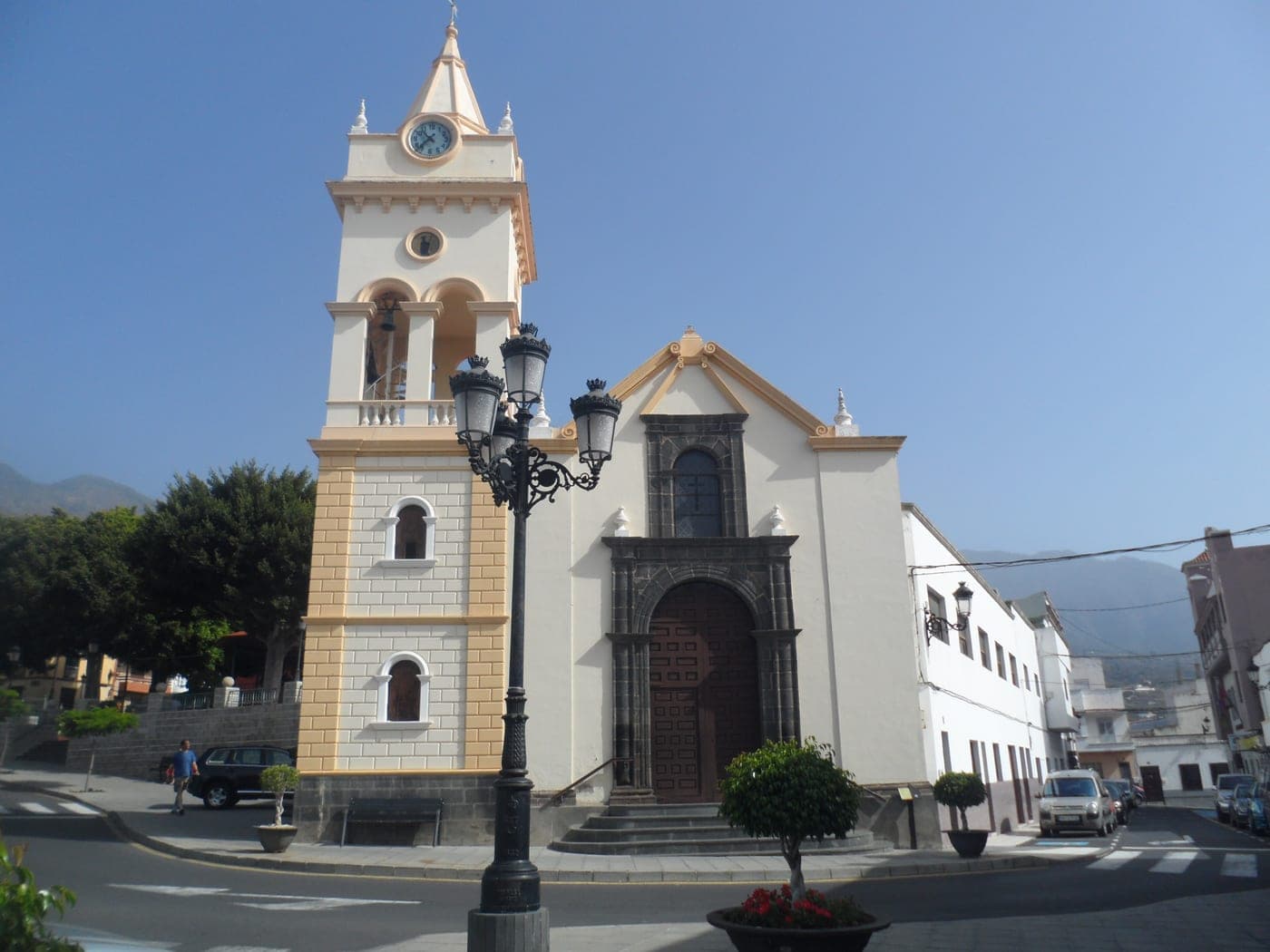
Iglesia de San Juan Degollado
The main church of Arafo and the heart of its historic centre. Its origins go back to a hermitage built between 1672 and 1690, enlarged until it became an independent parish on 17 October 1795. It is dedicated to San Juan Degollado, that is, the Beheading of Saint John the Baptist, a dedication that distinguished it from the church of San Juan in Güímar. Inside, the carving of María Auxiliadora is venerated, an image canonically crowned and named Honorary and Perpetual Mayoress of the Town, along with altarpieces dedicated to the Souls, Saint Joseph, Our Lady of Sorrows and the Immaculate Conception, and carvings of Saint John, Saint Bernard and Saint Augustine. The church, of traditional Canarian layout, presides over a landscaped square that hosts the main festivities and the Corpus Christi carpets.
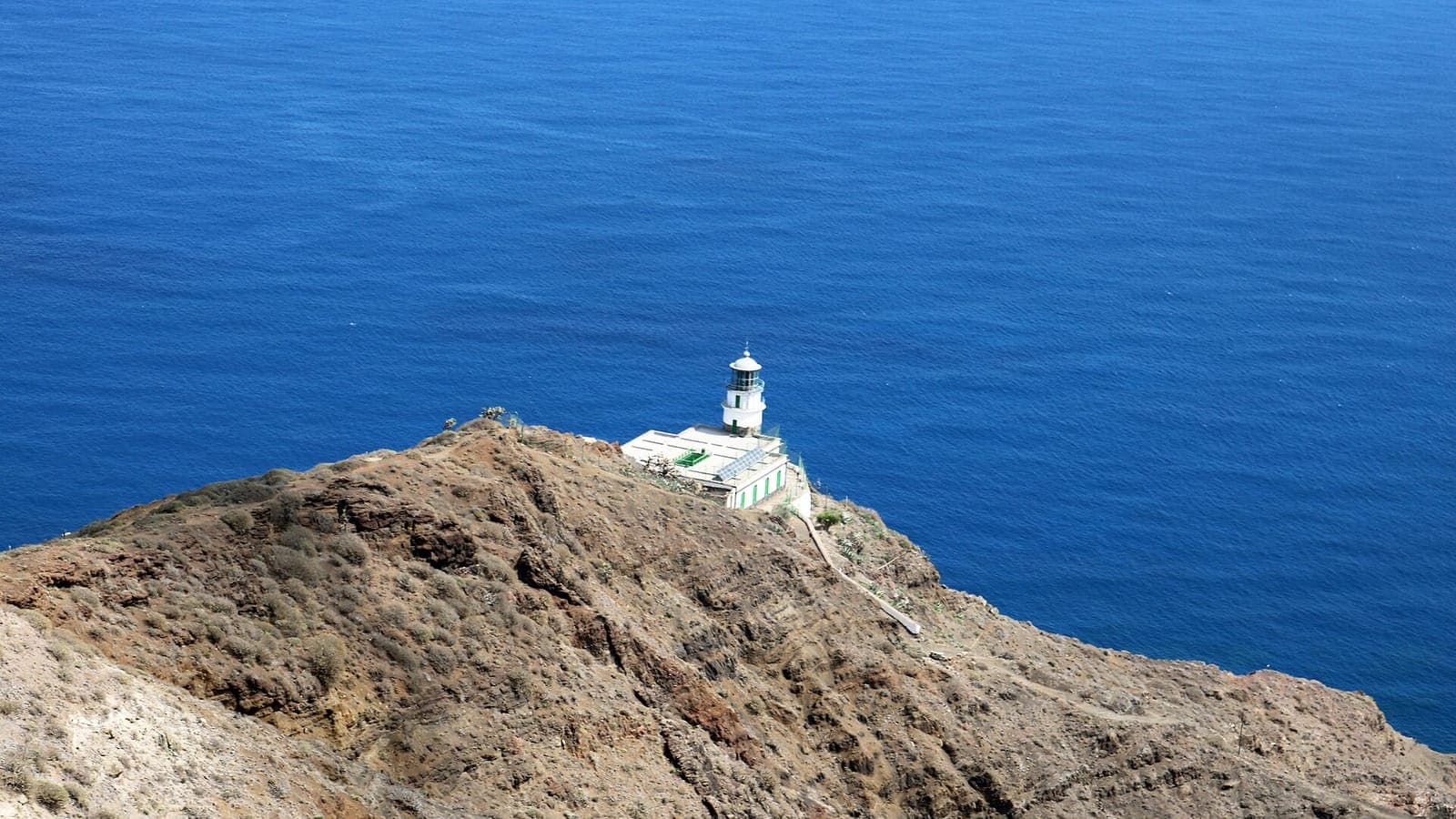
Faro de Anaga (Punta de Anaga)
Historic lighthouse built between 1861 and 1863 at Roque Bermejo in the Anaga massif; regarded as the oldest in the Canary Islands and reachable on foot from Chamorga.
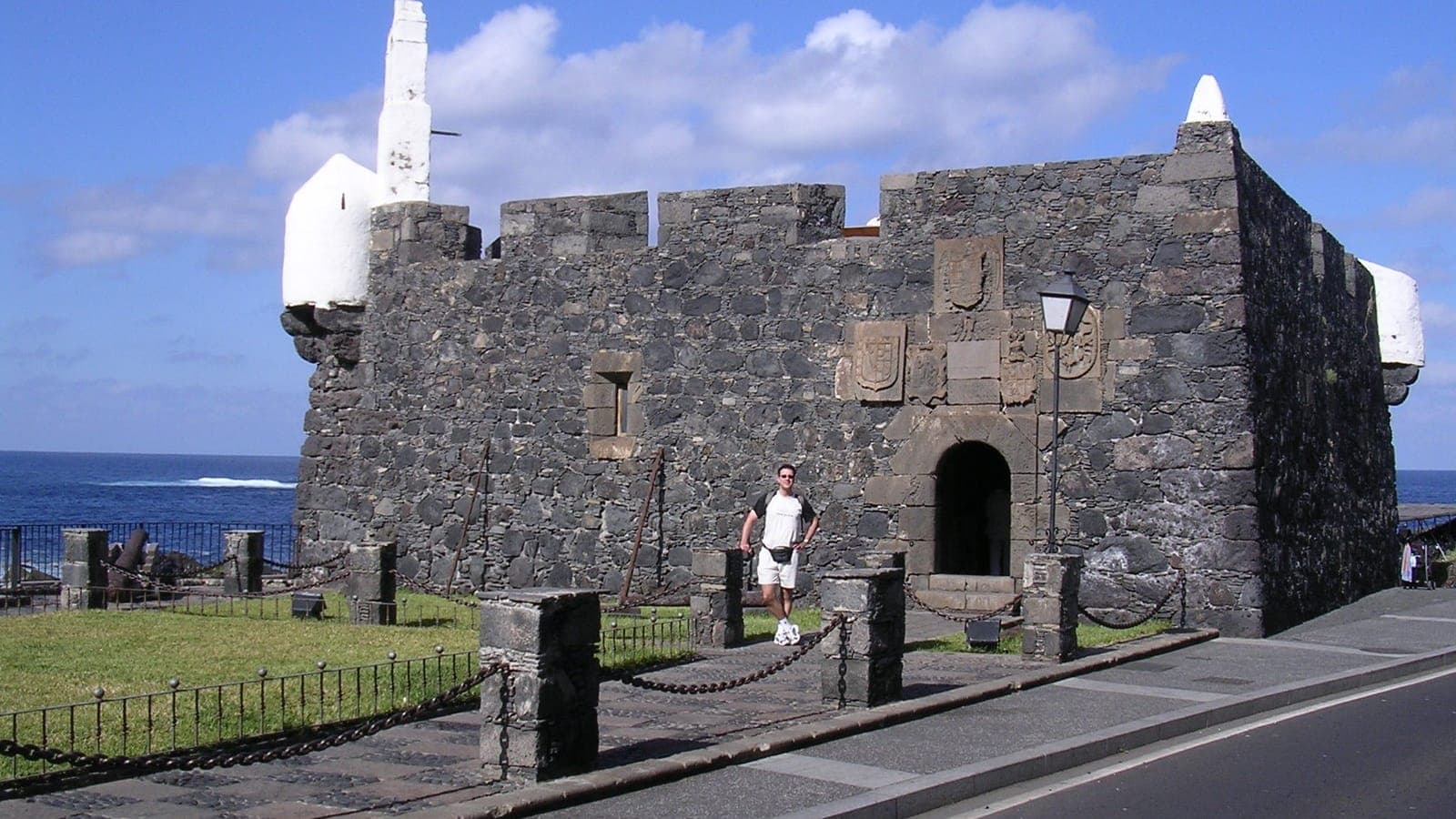
Castillo de San Felipe
17th-century coastal fortress built to defend the shoreline against pirate attacks; a listed cultural heritage monument now used as a cultural venue.
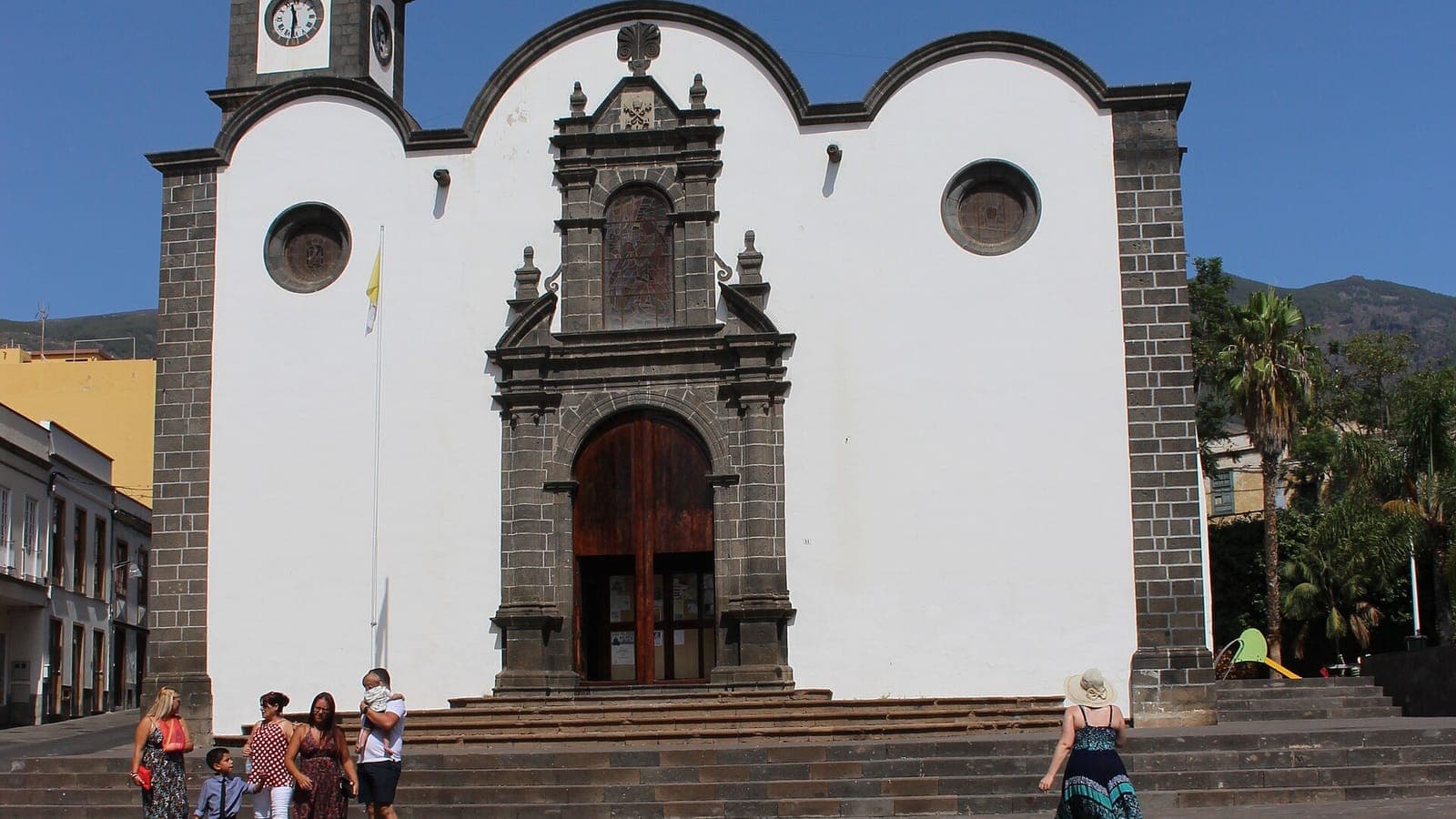
Iglesia de San Pedro Apóstol
The main parish church of Güímar, begun in 1606 and enlarged until 1794, featuring a Baroque stone doorway and a 19th-century bell tower.
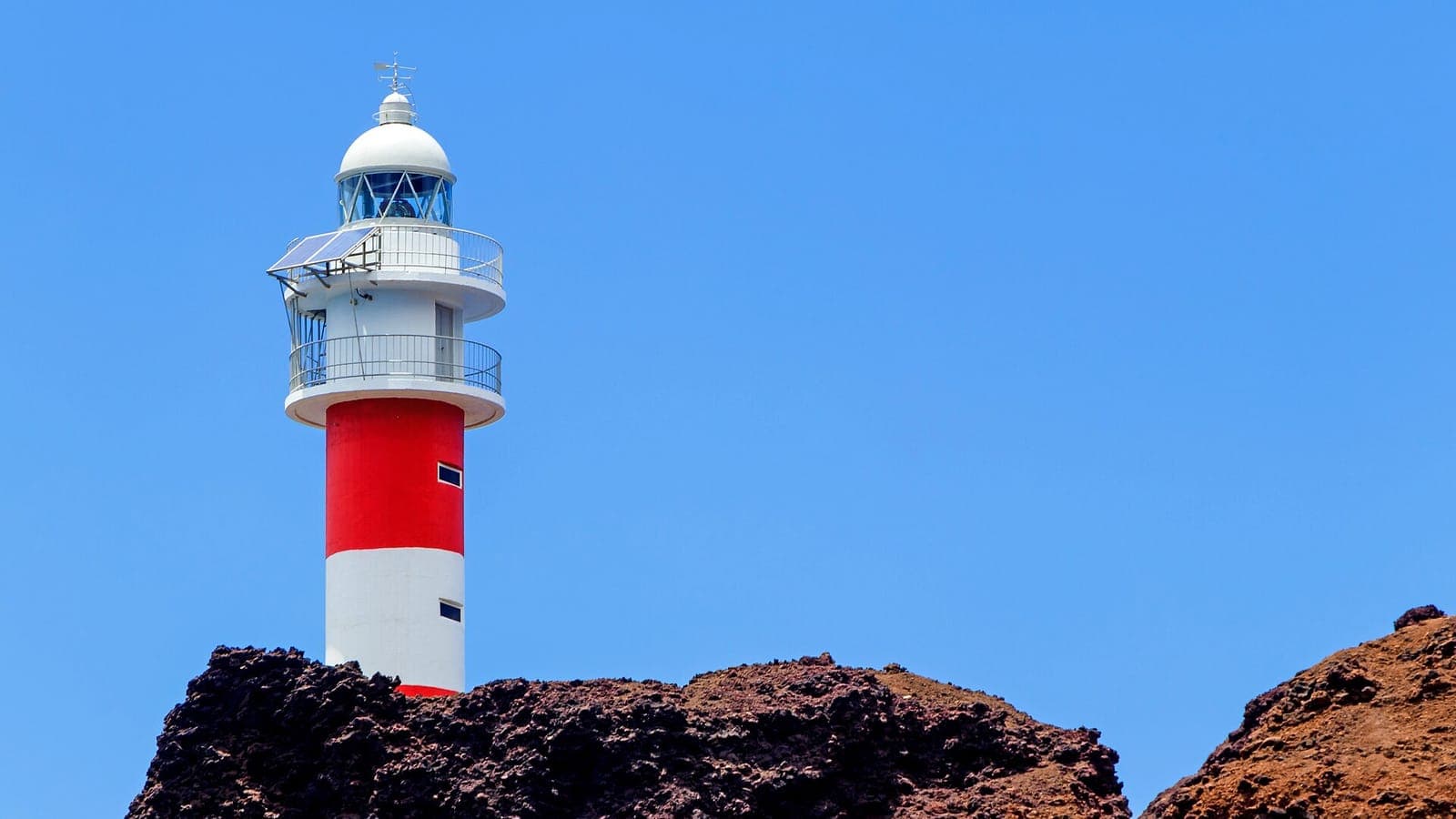
Faro de Punta de Teno
Lighthouse at the north-western tip of Tenerife, at Punta de Teno within the Teno rural park, overlooking the cliffs and the ocean.
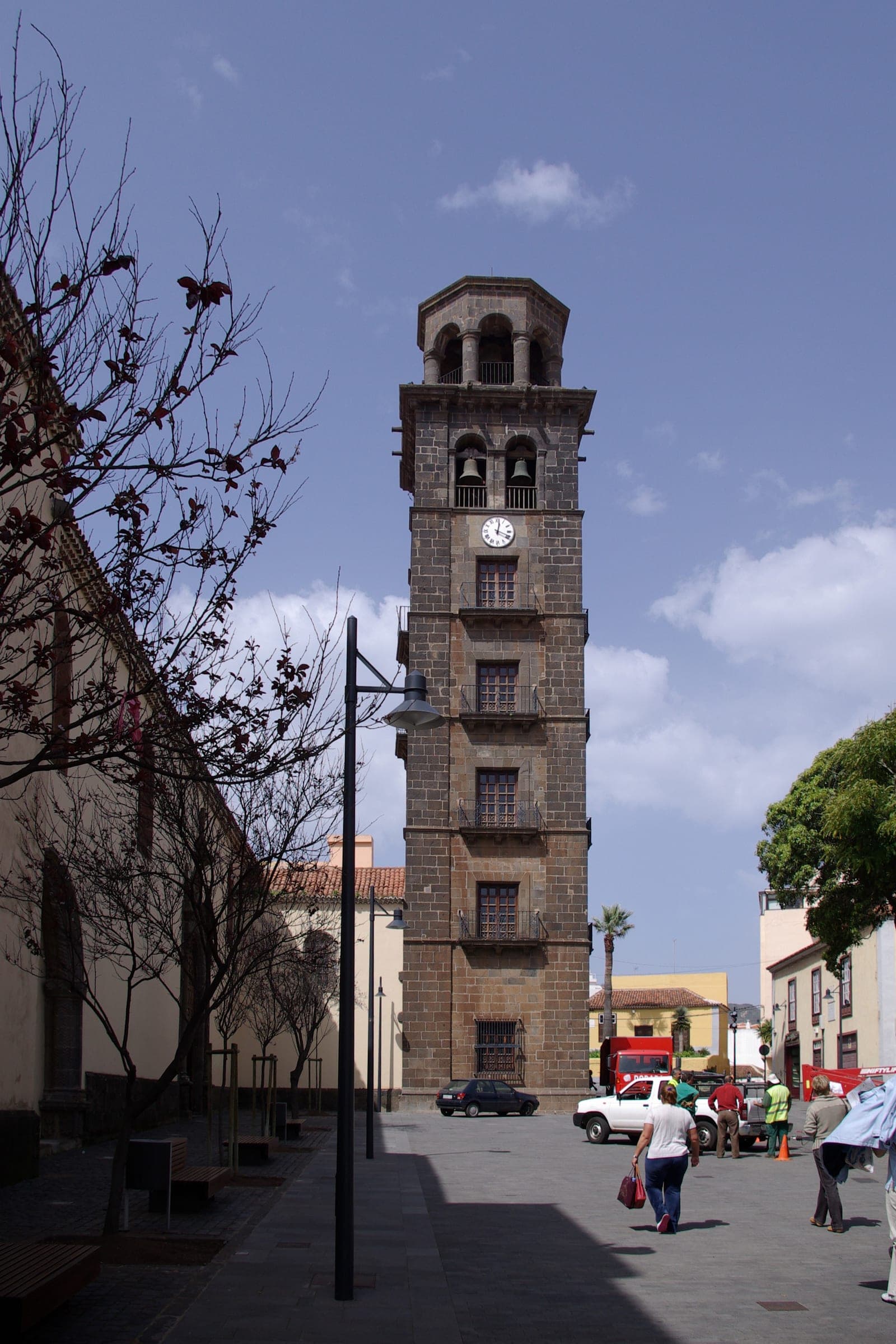
Church of the Conception (La Laguna)
One of the oldest churches in Tenerife, whose bell tower is the most emblematic symbol of La Laguna.
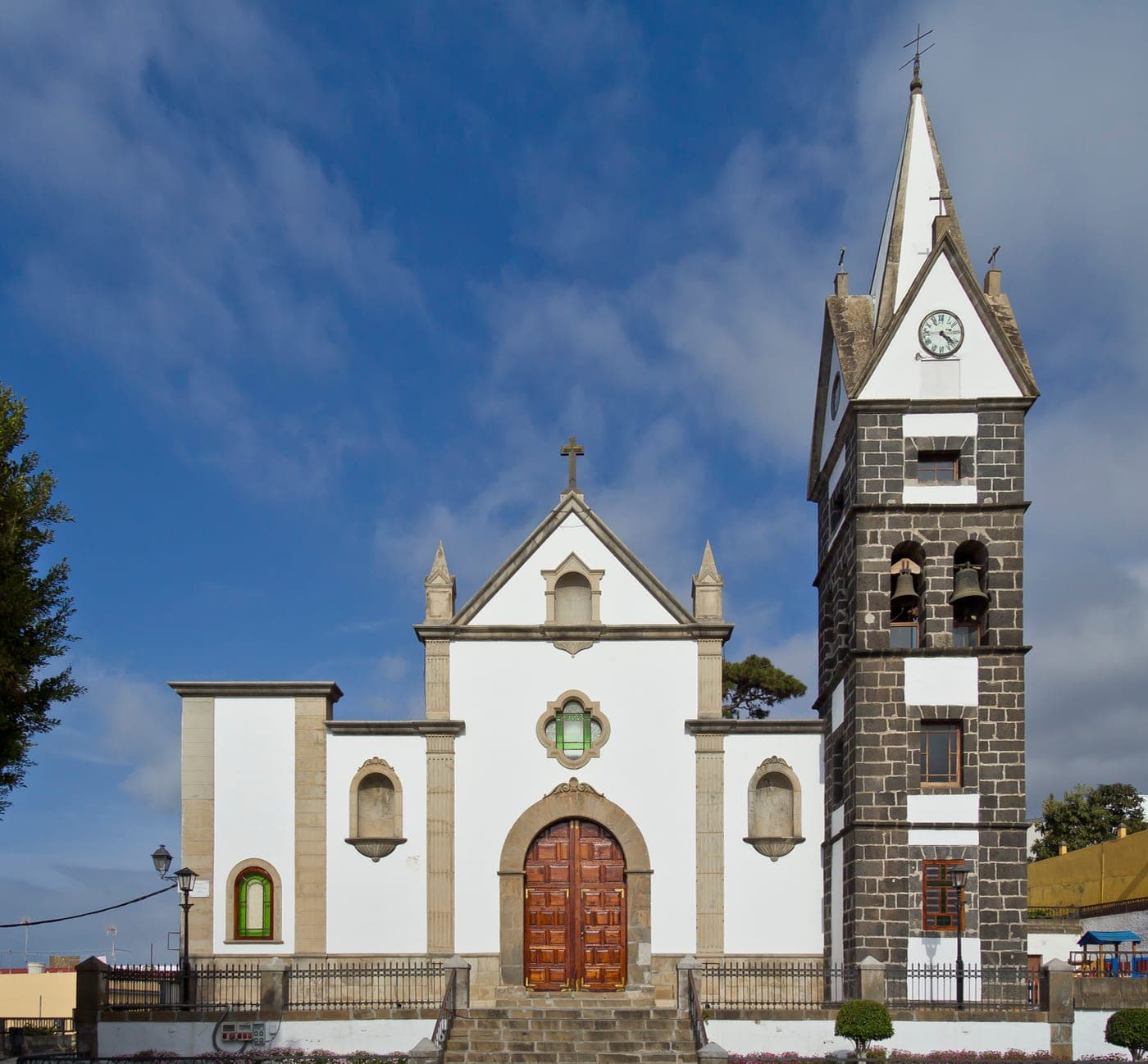
Iglesia de Nuestra Señora de la Encarnación
The principal monument of La Victoria de Acentejo, this parish church stands on the spot where the Second Battle of Acentejo (1495) was fought. It began as a votive hermitage ordered by the adelantado Alonso Fernández de Lugo after the victory and was rebuilt in solid masonry around 1537, with 18th-century enlargements following the fire of 1589. Made a parish in 1578, it preserves one of the finest Mudéjar coffered ceilings in the Canary Islands and valuable 16th- to 18th-century sacred art. It was declared a Cultural Heritage Asset, Monument category, by the Government of the Canary Islands in December 1985.
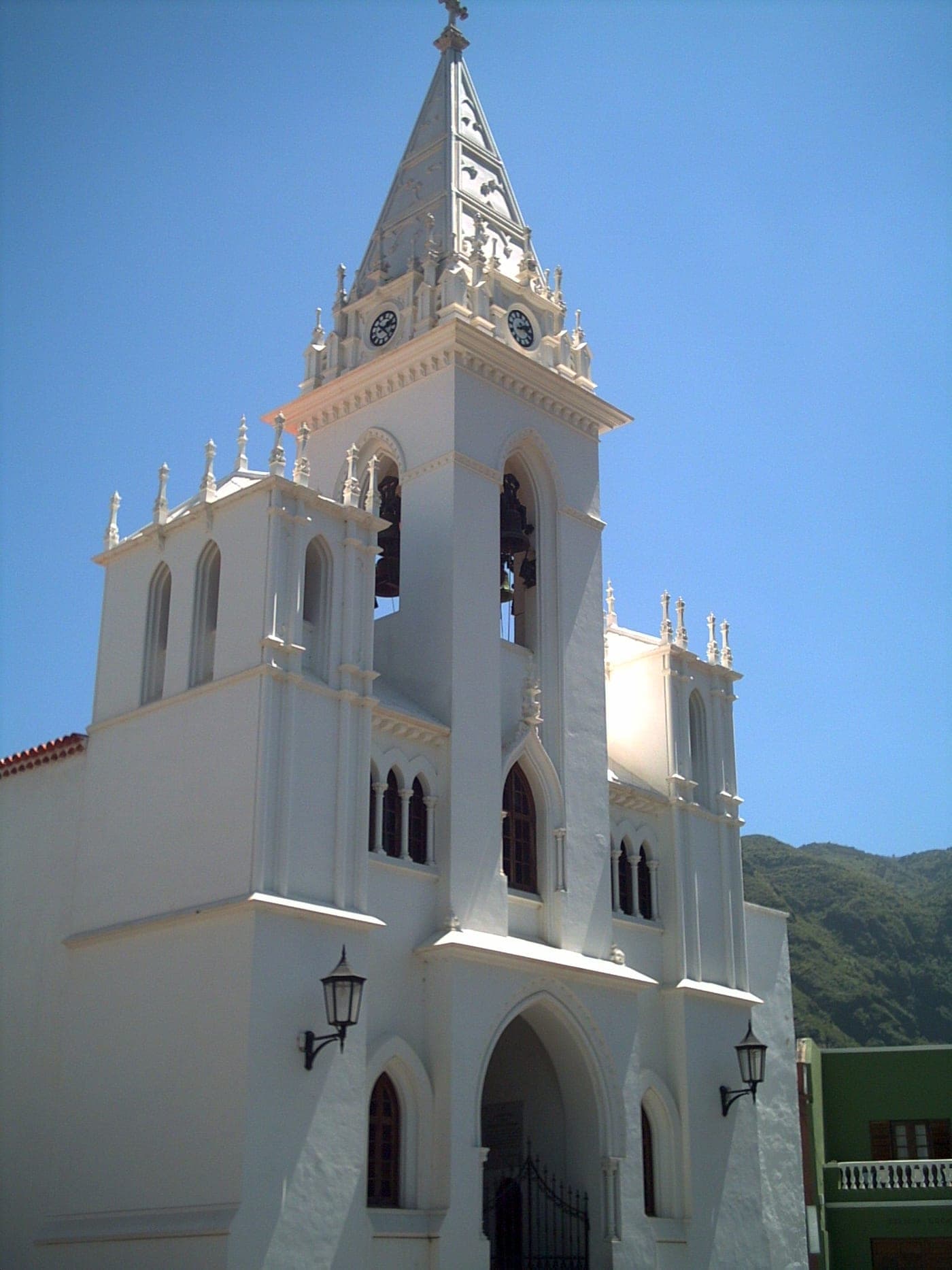
Iglesia de Nuestra Señora de la Luz
The parish church and religious heart of Los Silos, dedicated to the municipality's patron saint. It rose on an earlier chapel: the church was completed in 1570 and, in September 1605, the locals managed to raise it to a parish, separating it from Buenavista, which required installing the choir and enlarging the main chapel. In 1930 the architect Mariano Estanga renovated its exterior, giving it the striking neo-Gothic look of its towers, today a recognisable image of the old town. Inside it preserves works of great value, such as the Holy Christ of Mercy, a Baroque carving attributed to the Andalusian Francisco de Ocampo, the Lord of Humility and Patience, and the image of the Virgin of the Light which, according to tradition, was found on the coast by a Portuguese fisherman. Every 8 September it is the stage for the patron-saint festivities and the moving "Elevation of the Virgin".
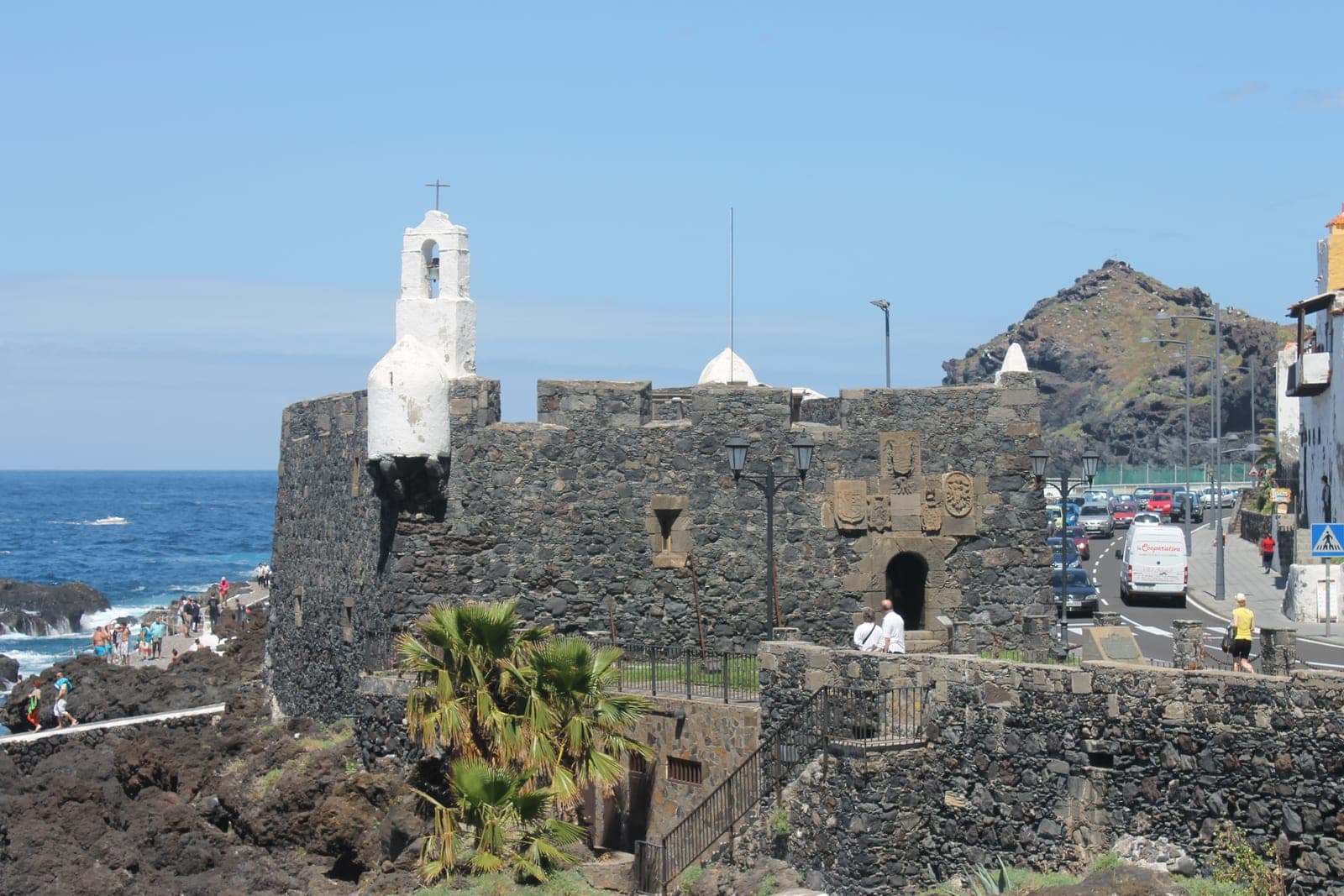
Castle of San Miguel
A 16th-century seaside fortress, survivor of the 1706 volcanic eruption that destroyed the port of Garachico.
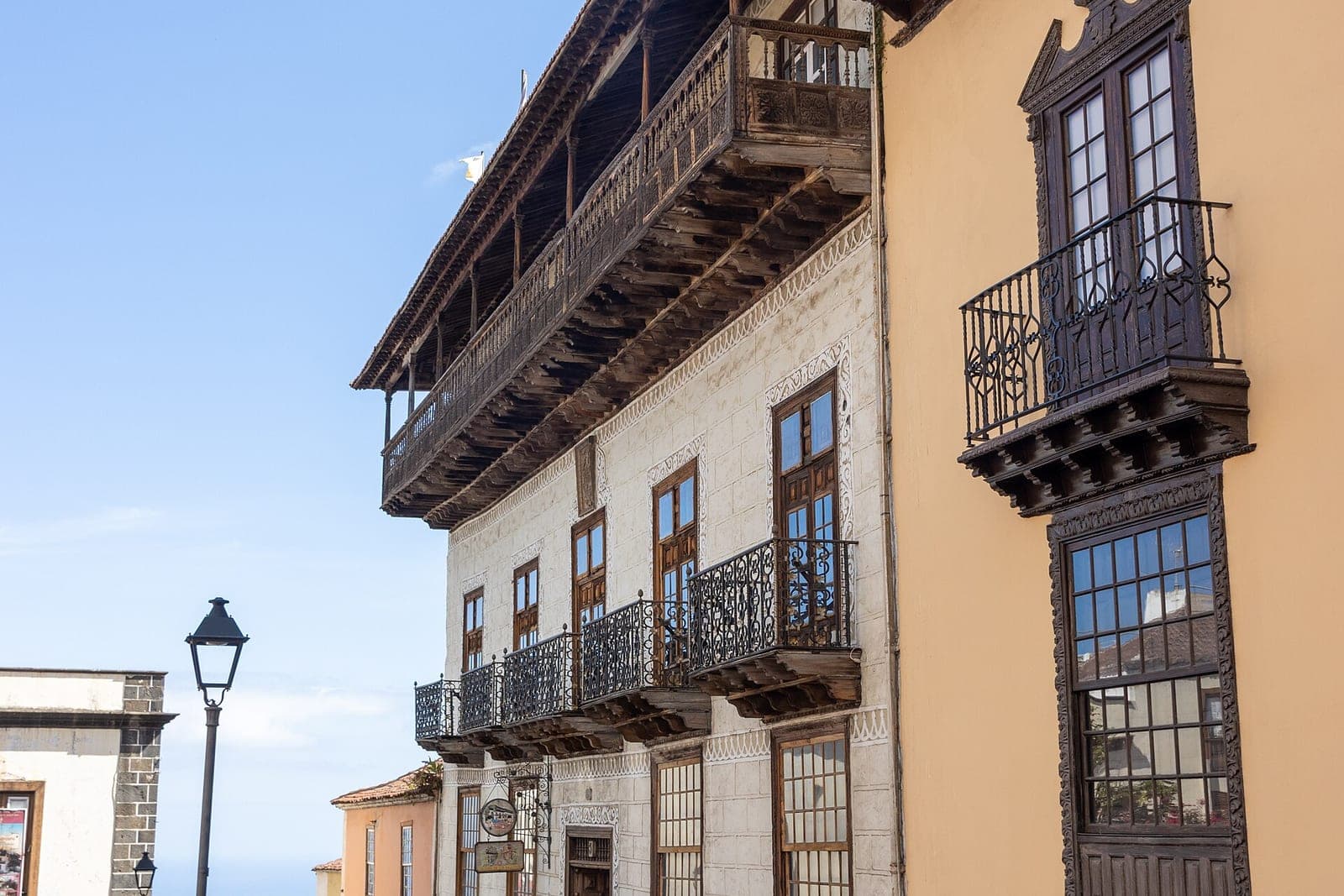
House of the Balconies
17th-century mansion with traditional wooden balconies