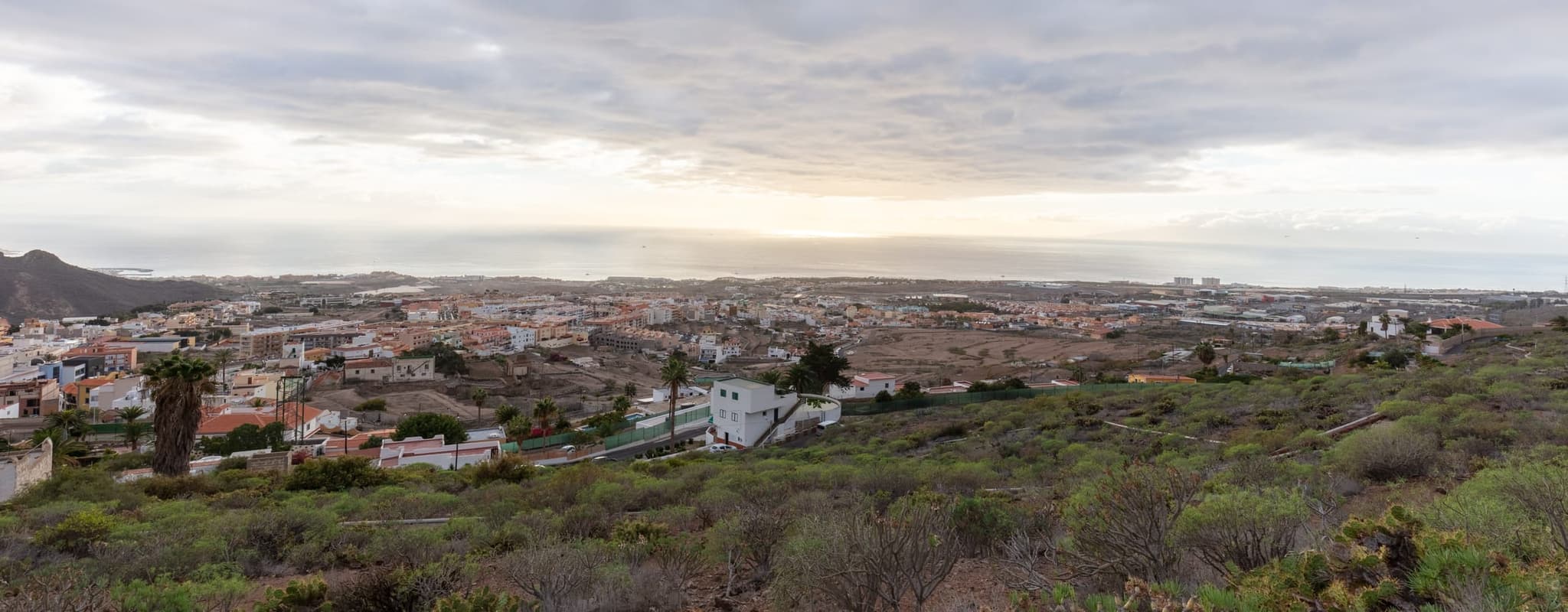
Adeje
The tourist heart of the southwest: Costa Adeje, El Duque and Fañabé beaches, luxury hotels and the boat-trip hub.
History
The history of Adeje runs back to the time of the Guanches, when this southwestern district of Tenerife was the head of one of the nine menceyatos into which the island was divided. The tradition recorded by the chroniclers places here the court of Tinerfe the Great, the powerful mencey who, a generation before the conquest, came to rule the whole island from Adeje. On his death, his sons split the territory into menceyatos, and Adeje fell, according to the chronicles, to the lineage of Atbitocazpe; on the eve of the conquest the mencey Pelinor reigned. The very place name comes from the aboriginal language and has been interpreted as "mountain" or "rugged massif," a reference to the imposing relief that dominates the municipality.
During the Castilian conquest of Tenerife (1494-1496), led by the adelantado Alonso Fernández de Lugo, Adeje belonged to the so-called peace faction: it offered no armed resistance and even cooperated with the conquerors. The island's incorporation into the Crown of Castile was completed in 1496. Yet the memory of Guanche resistance survives in the legendary figure of Ichasagua, a mencey who, according to tradition, held out in the heights of the Adeje massif after the general surrender; his memory remains tied to the Roque del Conde, also known as the fortress of Ahíyo. A distinction must be drawn here between the documented and the legendary: much of the story of Tinerfe and Ichasagua comes from later chroniclers and is treated cautiously by modern historians.
After the conquest, the lands of Adeje passed to the powerful Ponte family, of Genoese origin, who established the Lordship (Señorío) of Adeje, one of the few seigneurial regimes in the Canary Islands. Its heart was the Casa Fuerte, a fortified residence whose construction was authorized by Princess Juana in 1555 and built around 1556 on the initiative of Pedro de Ponte. For more than three centuries the Casa Fuerte was the political, economic and social centre of the Adeje jurisdiction, a symbol of Ponte power.
The engine of that wealth was sugar. Adeje was home to one of the last sugar mills in Tenerife, driven by the waters of the Barranco del Infierno, with output that ranked among the island's largest and was exported to mainland Spanish and northern European ports. To sustain the business, the Ponte family brought in enslaved African labour —they even traded with the English corsair John Hawkins— so that the lordship's economy rested for generations on cane, the mill and slavery. The English traveller George Glas, in the 18th century, left a record of the many slaves in the marquis's service. This African heritage left a deep imprint on the area's population.
The prestige of the seigneurial house kept rising: in 1666 King Charles II granted the Pontes the title of Marquis of Adeje. The Casa Fuerte came to hold a valuable documentary archive that the historian José de Viera y Clavijo described as "the Treasure of the Canaries." But the decline of sugar, replaced by the vine and later by other crops, gradually eroded the splendour of the lordship. The complex suffered a severe fire in 1902 that left it in ruins; today the gateway, the tower and various walls survive as witnesses of that era.
For centuries Adeje lived off an agricultural and fishing economy. In the midlands, cane, vines and cereals were grown and, in modern times, bananas and tomatoes for export; on the coast, small settlements such as La Caleta were born from the work of fishermen who lived in caves and humble huts. It was a rural, quiet and sparsely populated municipality, still unaware of its future destiny.
The great transformation came in the second half of the 20th century. From 1965 onwards, the businessman Rafael Puig Lluvina acquired land on the coast of Adeje and Arona —then a wasteland with no water, electricity or roads— and drove the tourist development that would give rise to Playa de las Américas. Along that shoreline emerged Costa Adeje, today one of the leading destinations of southern Tenerife, with its enclaves of El Duque, Fañabé and La Caleta. Luxury hotels, seafront promenades and serviced beaches turned this former sugar lordship into an international tourist powerhouse, with nearly 300 days of sunshine a year, without entirely losing the traces of its rich Guanche, seigneurial and seafaring past.
Points of interest
Barranco del Infierno
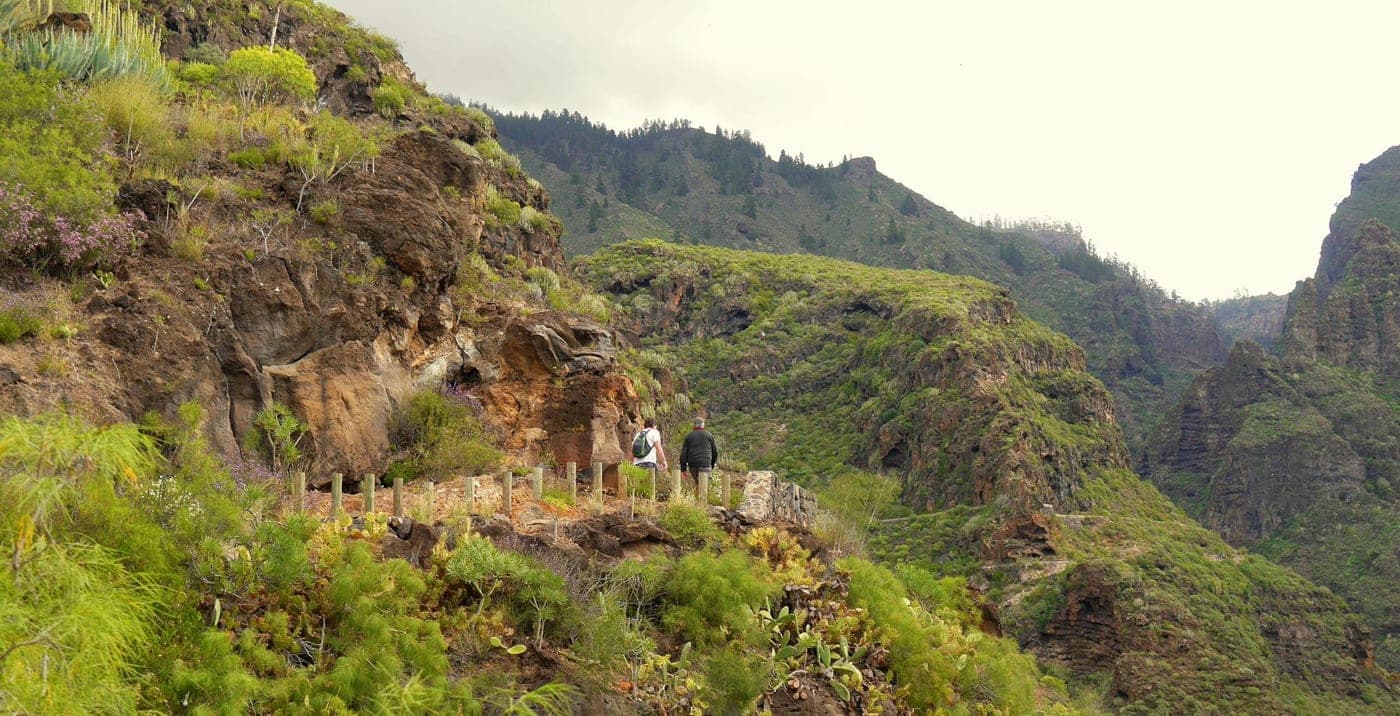
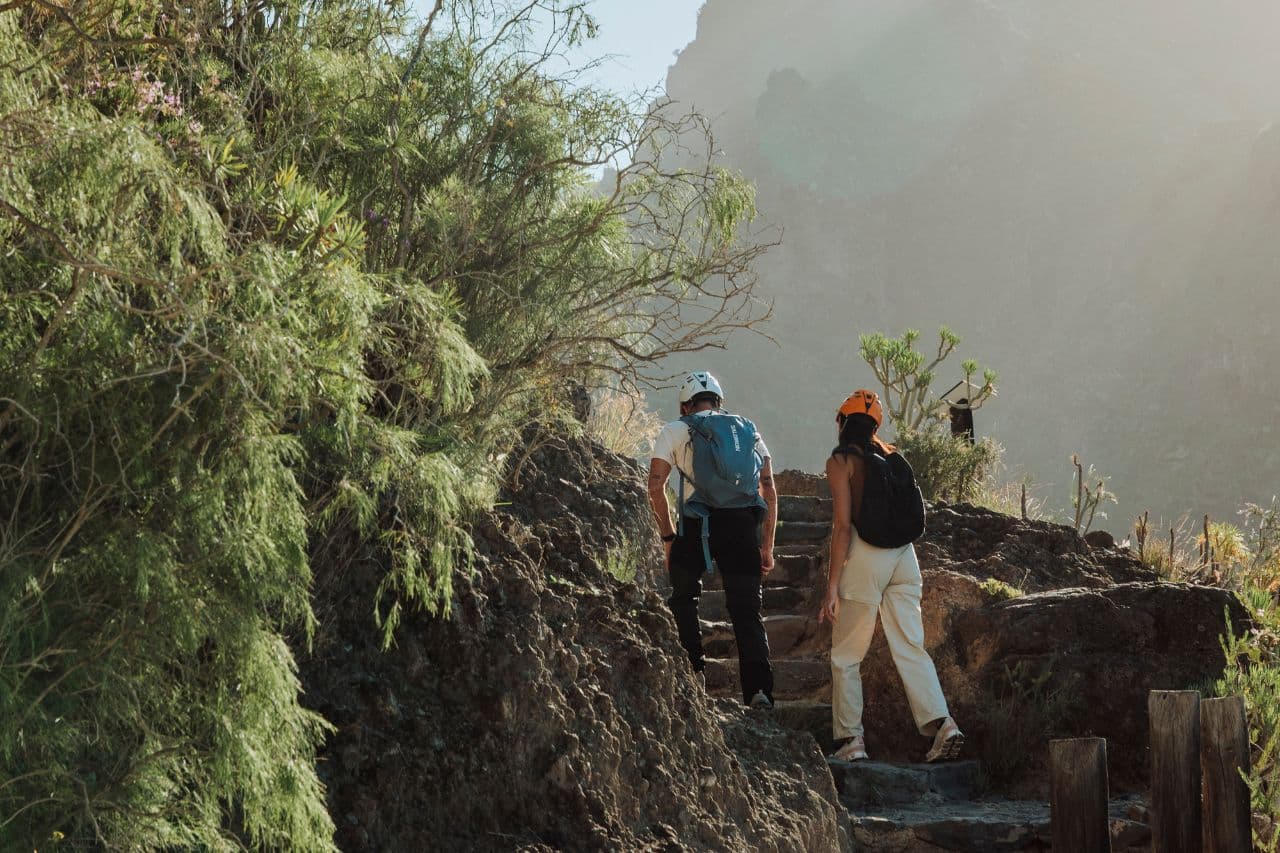
The Barranco del Infierno (Ravine of Hell) is one of the most emblematic natural spots in southern Tenerife and forms part of a Special Nature Reserve. Hemmed in by steep rocky walls, this gorge holds one of the island's few permanent watercourses, which has allowed a valuable ecosystem to survive, with endemic Canarian plant species and birds of prey. The hiking trail, about 6.5 km round trip and roughly three hours long, is well maintained and access is regulated: advance booking is compulsory, as visitor numbers are capped, and a helmet must be worn. In rainy periods the route ends before a spectacular waterfall, one of the tallest in Tenerife. Its waters once powered the Adeje sugar mill, uniting nature and history in a single place.
Casa Fuerte de Adeje
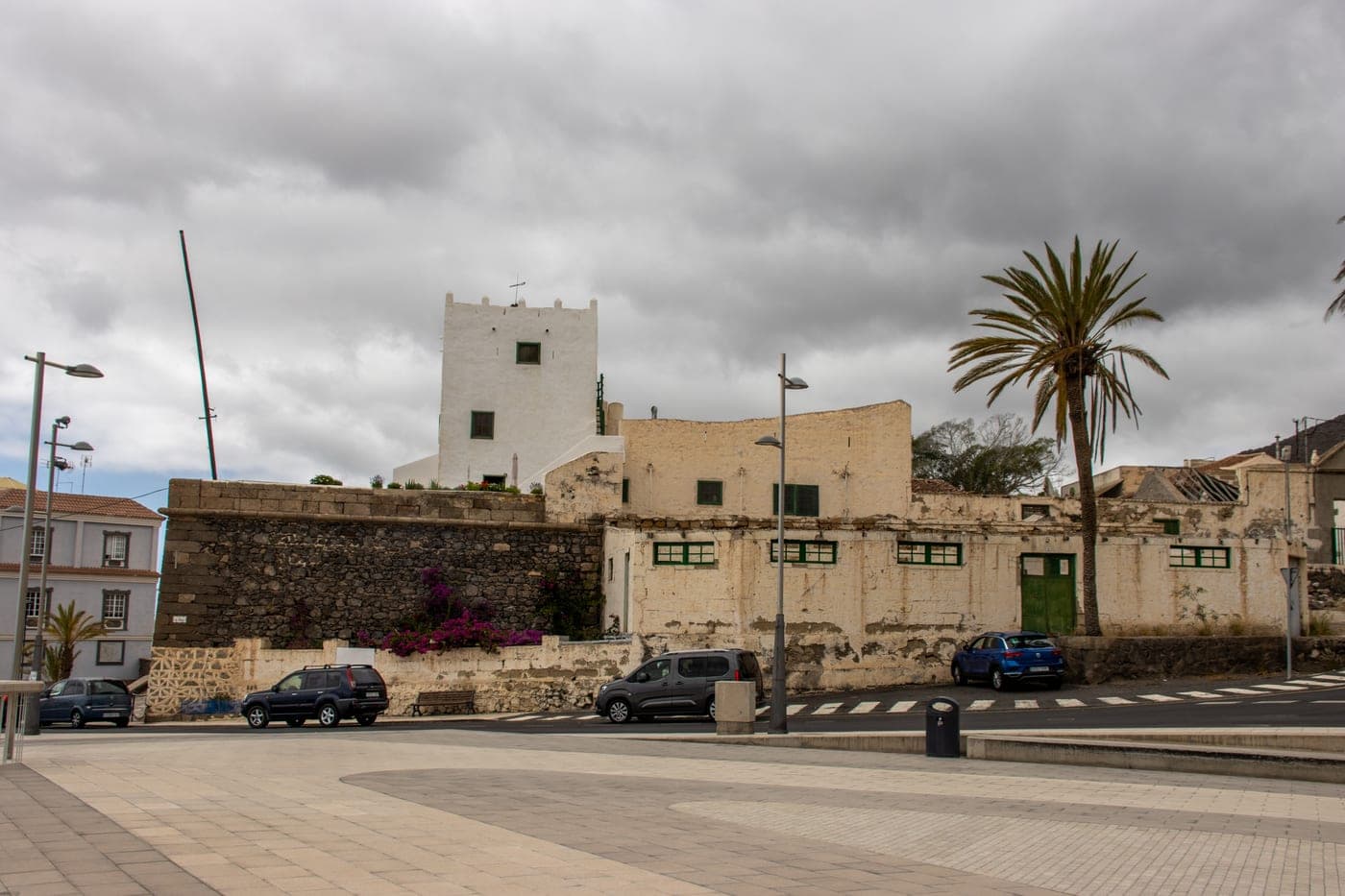
The Casa Fuerte (Strong House) was the seat of power of the Lordship of Adeje for more than three centuries. Its construction was authorized by Princess Juana in 1555 and it was built around 1556 on the initiative of Pedro de Ponte, of the influential Genoese family that dominated the municipality. More than a palace, it was a fortified residence and at once a large agro-industrial complex: around a courtyard stood the lordly dwelling, warehouses, granaries, a chapel and quarters for servants and slaves. From here the Pontes —marquises of Adeje from 1666— ran the sugar business, sustained by enslaved African labour, and kept an archive that Viera y Clavijo called "the Treasure of the Canaries." A severe fire in 1902 left it in ruins; today the gateway, the tower and various walls survive as witnesses of that seigneurial past.
Iglesia de Santa Úrsula
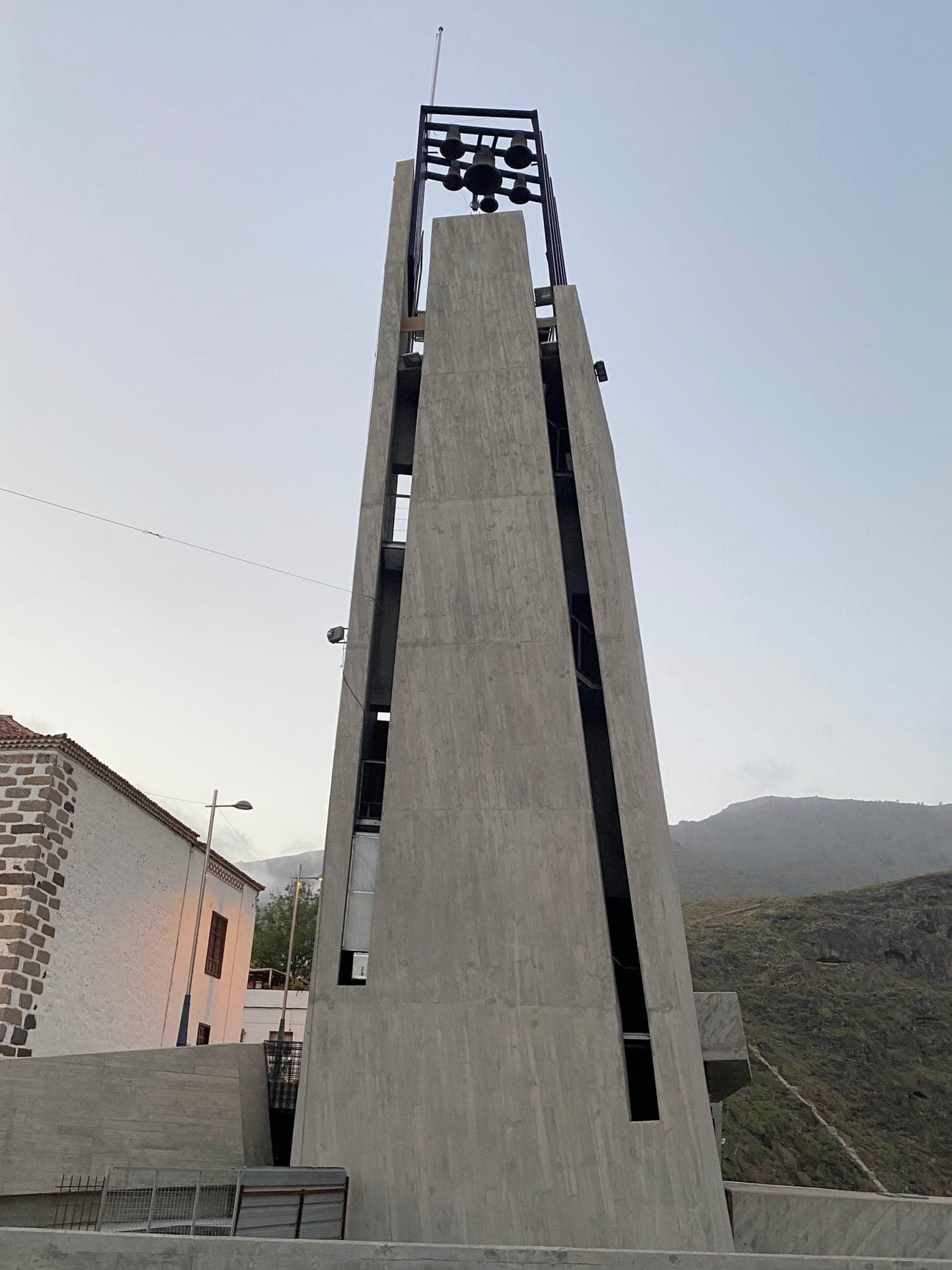
The Church of Santa Úrsula is the main historic church of Adeje and one of the oldest in southern Tenerife. It originated as a small 16th-century hermitage, already documented in 1530, which in 1560 was raised to a parish when the benefice of Adeje was created by Royal Decree, split off from that of Daute. The building, rectangular in plan with two naves of differing length, reveals several construction phases. Inside, a remarkable set of altarpieces stands out: that of the Candelaria, a Sevillian work of 1596 brought from the former church of the Patron Saint of the Canaries in Candelaria; and that of Our Lady of the Rosary, with Solomonic columns and the coat of arms of the Marquis of Adeje, linked to the Casa Fuerte. Santa Úrsula, co-patron of the municipality, was first venerated through a painting, before the arrival of her sculpted image in 1743.
Roque del Conde
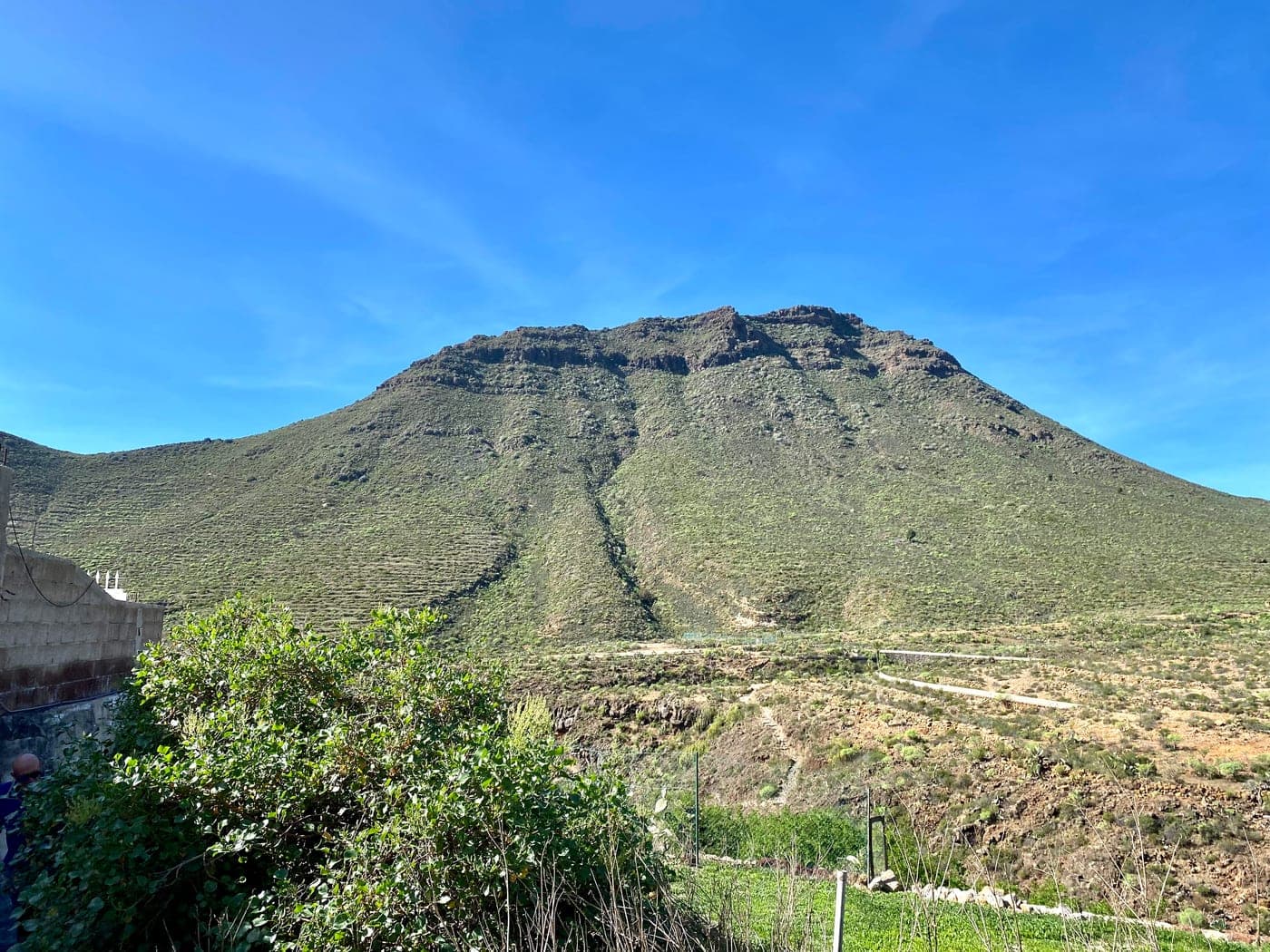
The Roque del Conde is an imposing flat-topped mountain rising to about 1,001 metres above sea level, dominating the Adeje massif within the area of the Barranco del Infierno Special Nature Reserve. It is one of the great landscape landmarks of the south of the island and a privileged natural viewpoint, from whose upper plateau there are sweeping panoramas of the coast of Adeje, Arona and neighbouring municipalities. Also known by the aboriginal names of Ahíyo or Hío, it is steeped in historical symbolism: tradition links it to Ichasagua, the mencey who, according to the chronicles, held out on these heights after the Castilian conquest, which is why it is also called the fortress of Ahíyo. The climb, demanding but accessible, rewards visitors with spectacular views and the evocative power of Guanche memory.
Costa Adeje (El Duque, Fañabé)
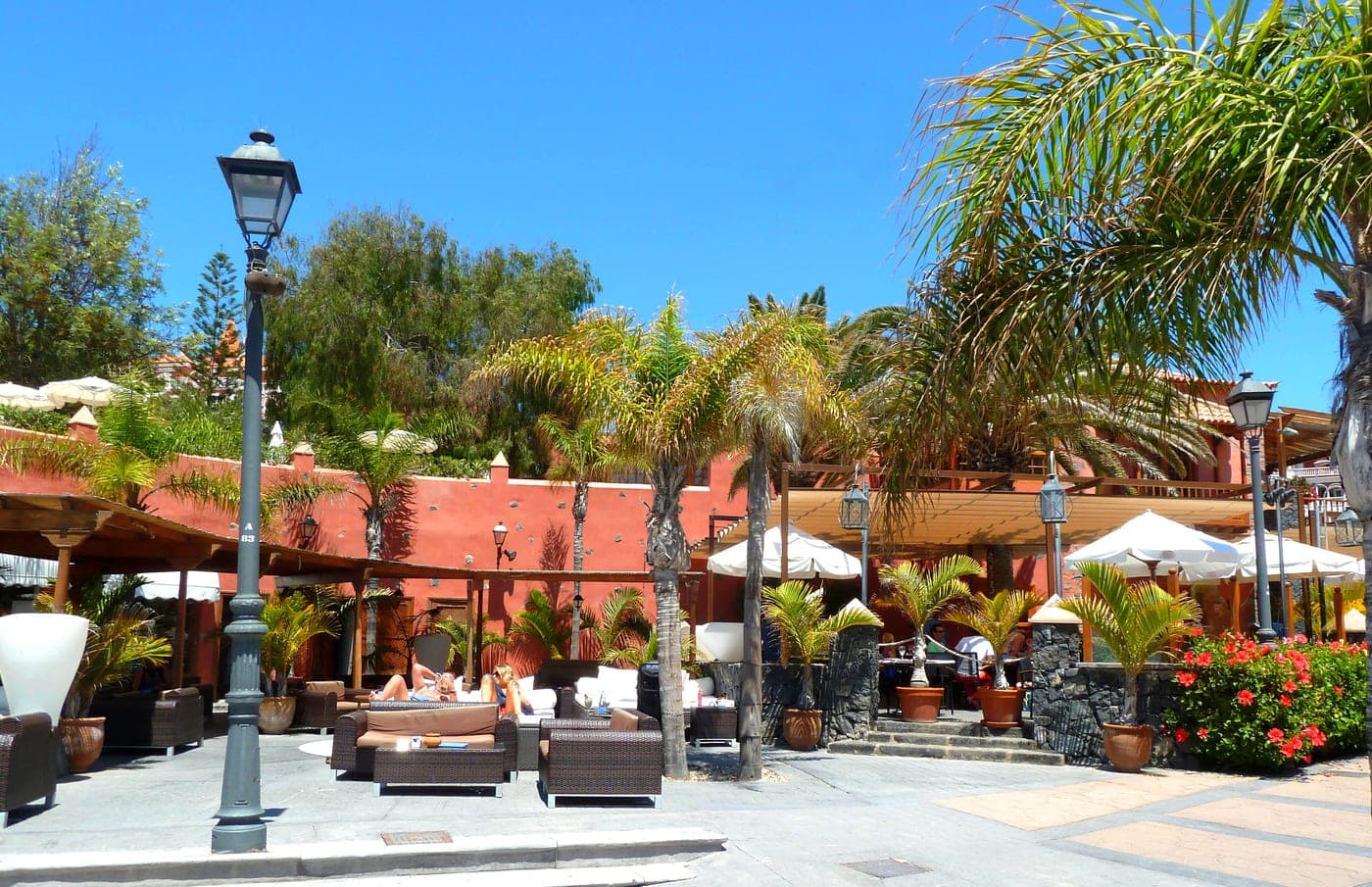
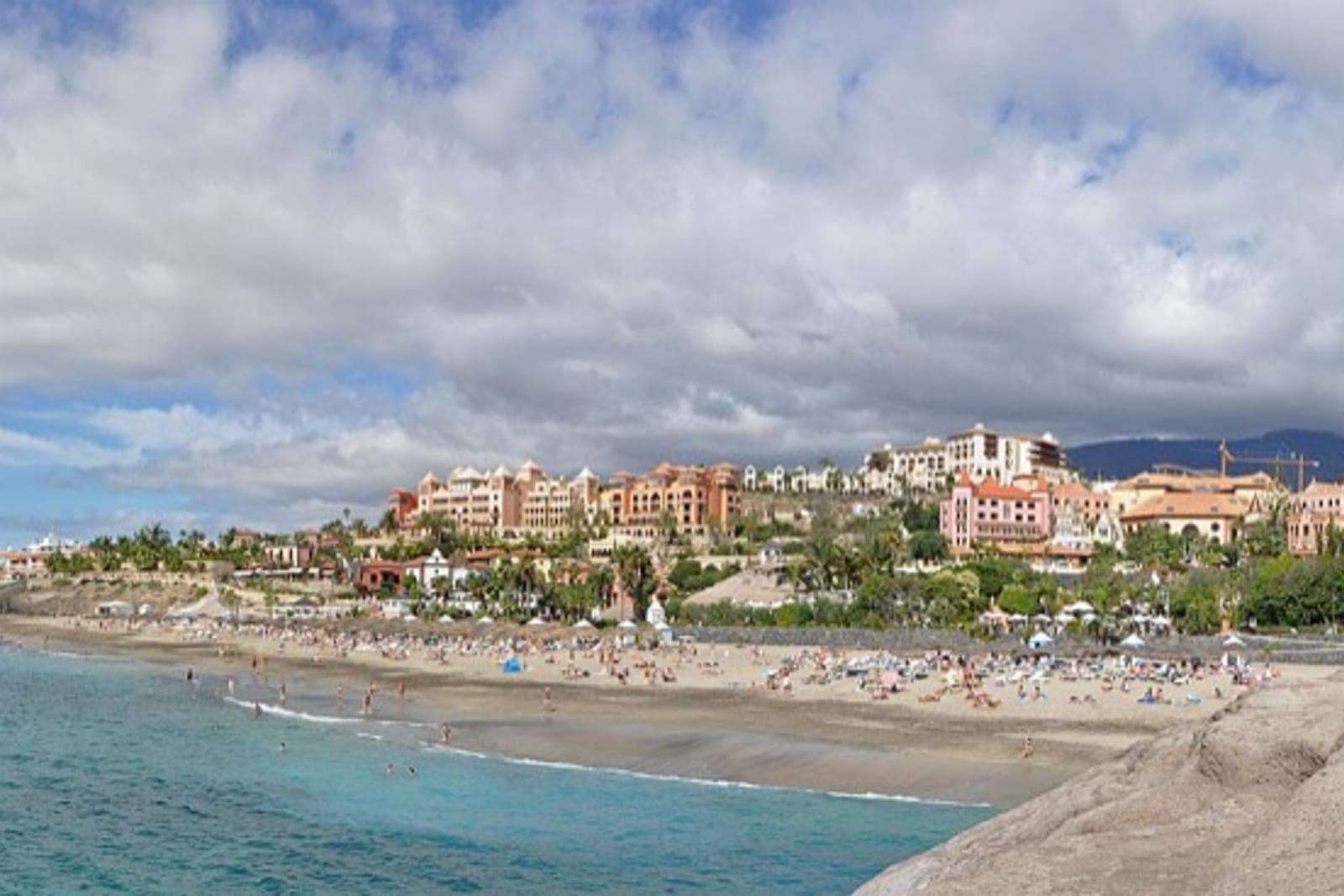
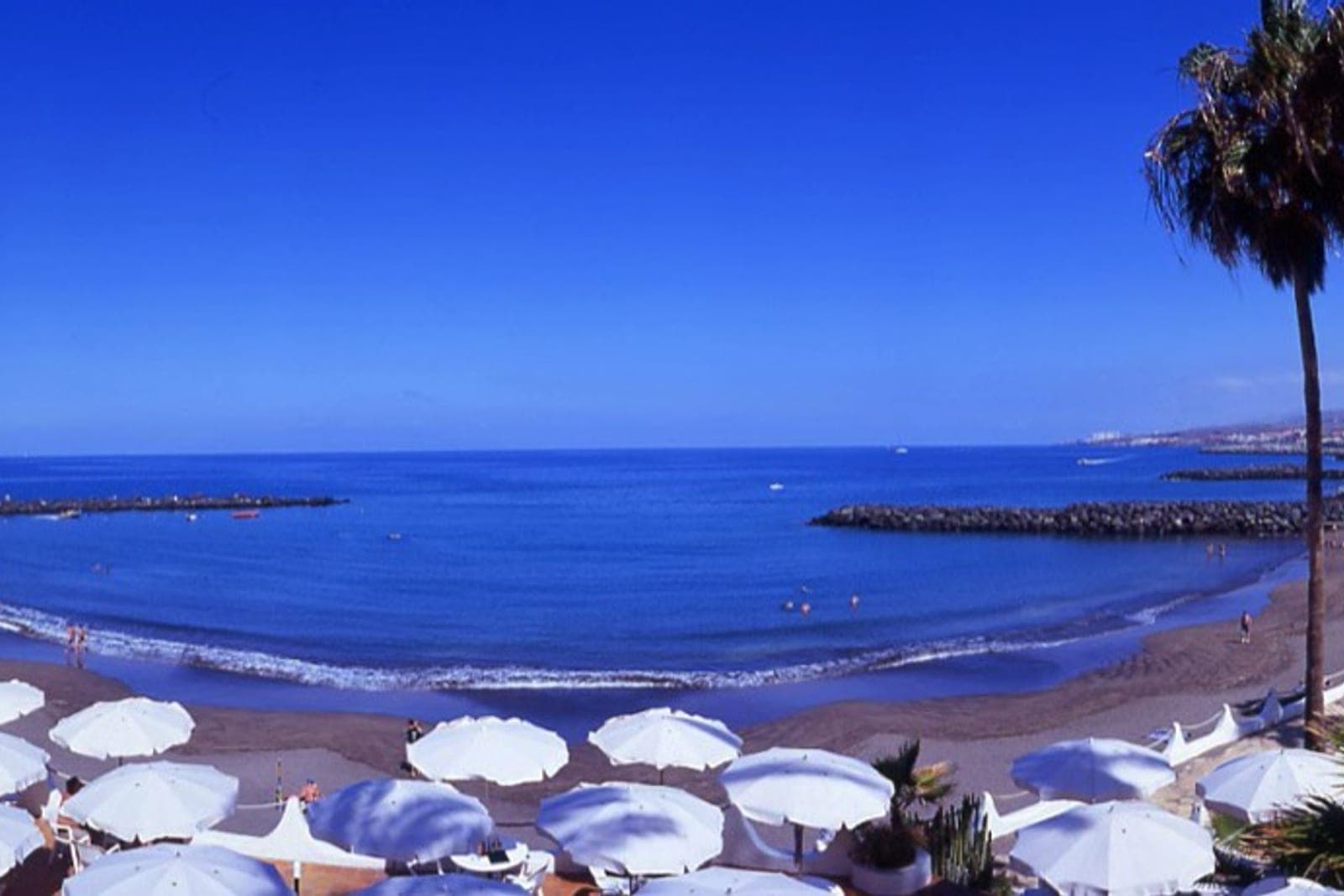
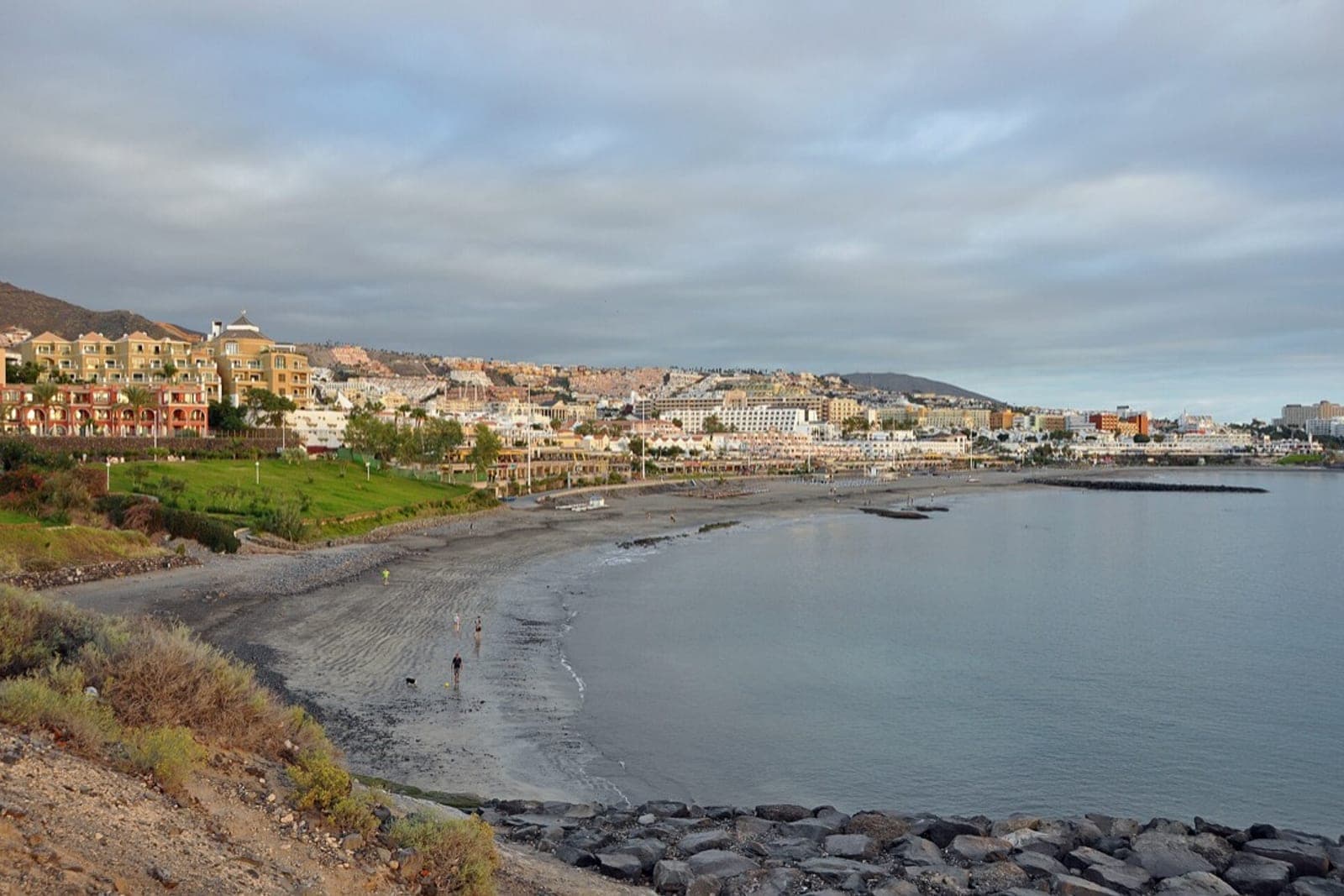
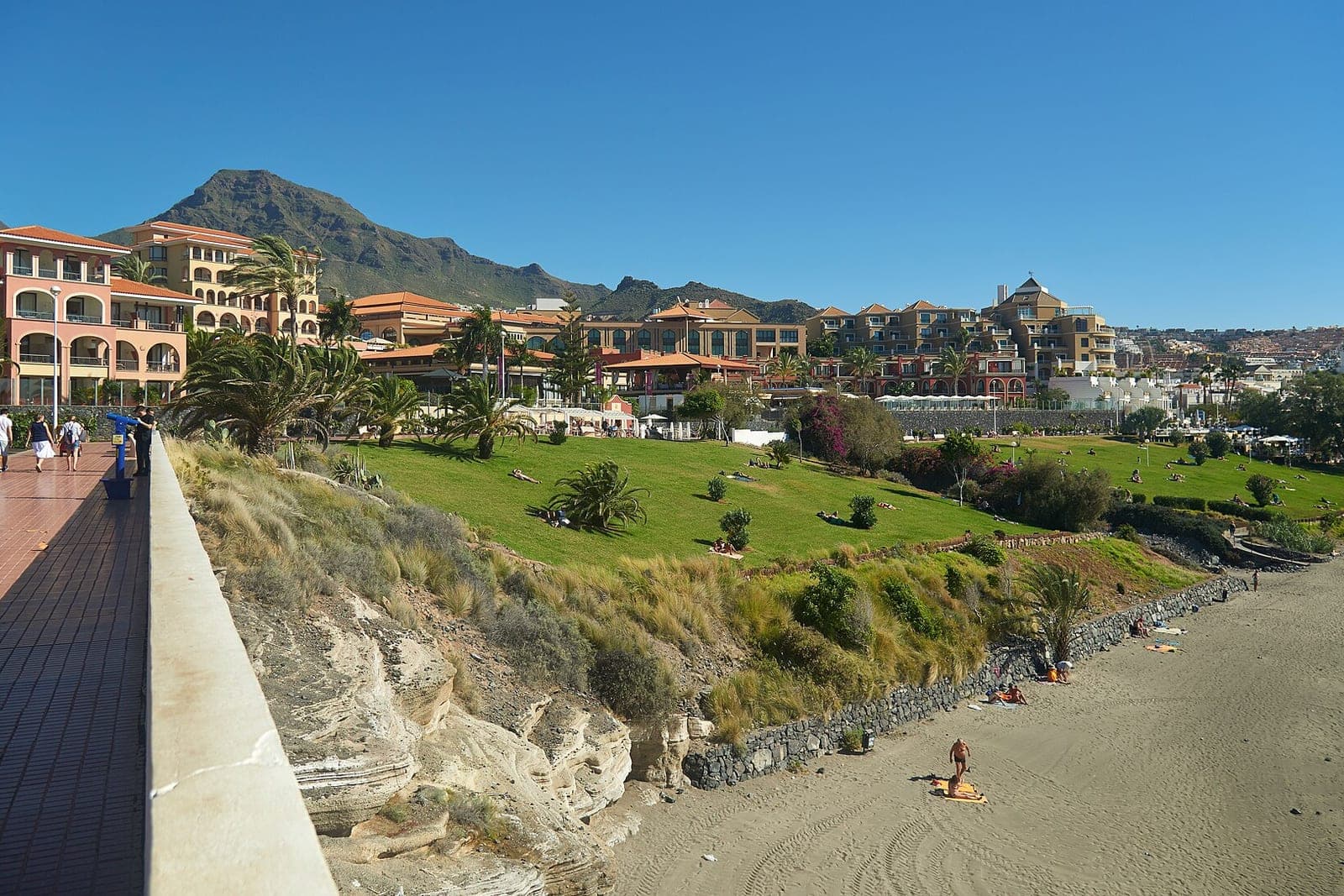
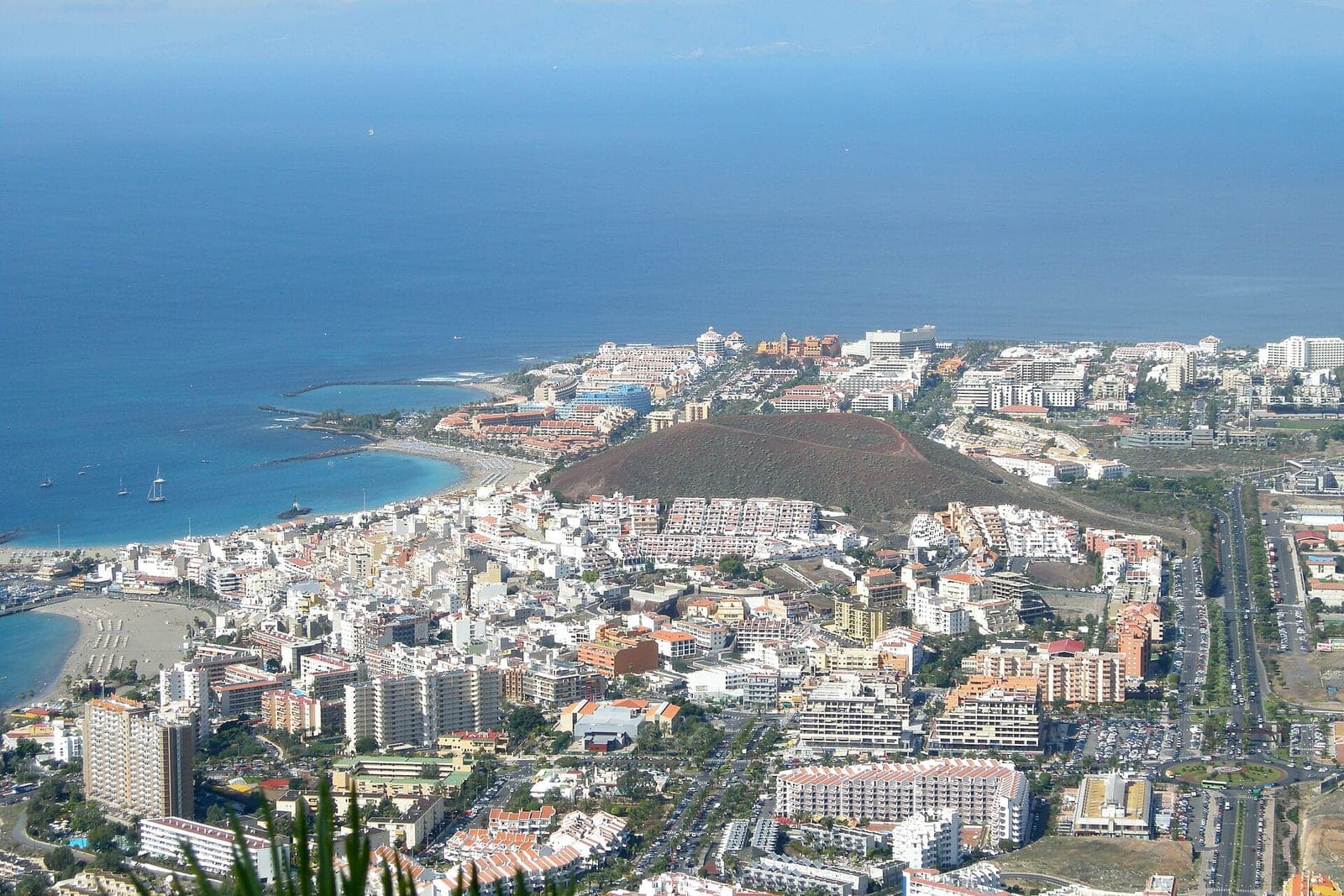
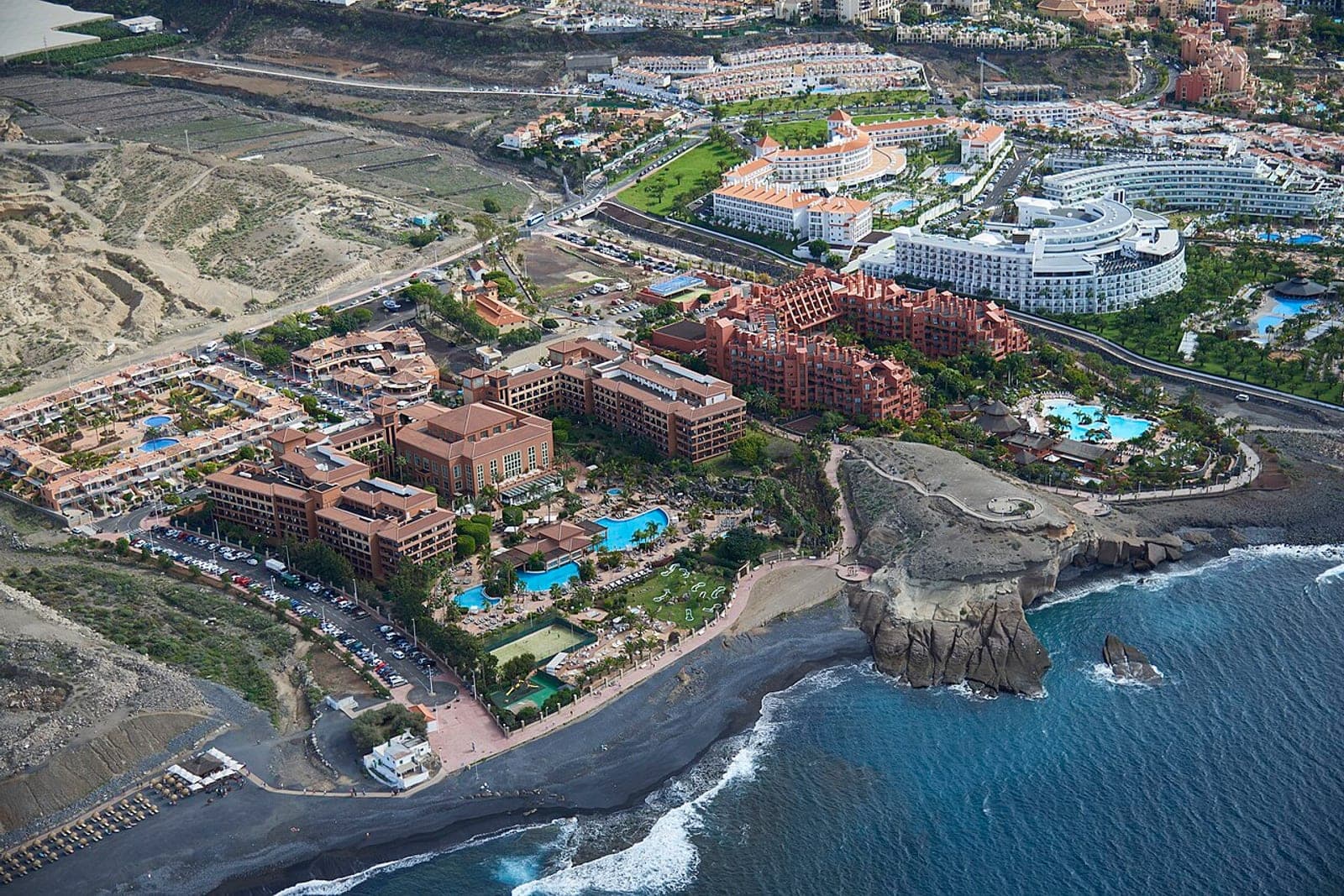
Costa Adeje is the great tourist engine of the municipality and one of the leading destinations in southern Tenerife. It emerged in the second half of the 20th century, when a once-arid shoreline was transformed into a powerful holiday area thanks to tourist development driven from the mid-1960s onwards. With nearly 300 days of sunshine a year, it brings together kilometres of coast, serviced beaches, seafront promenades, shops and a notable range of hotels. El Duque is its most elegant and exclusive enclave, with luxury hotels and the well-kept Playa del Duque, beside the historic Casa del Duque. Adjoining Fañabé offers a wider, livelier beach, very popular with families. Together they embody the modern image of Adeje: an international destination of sun, sea and high-end services, risen over the lands of the former sugar lordship.
La Caleta
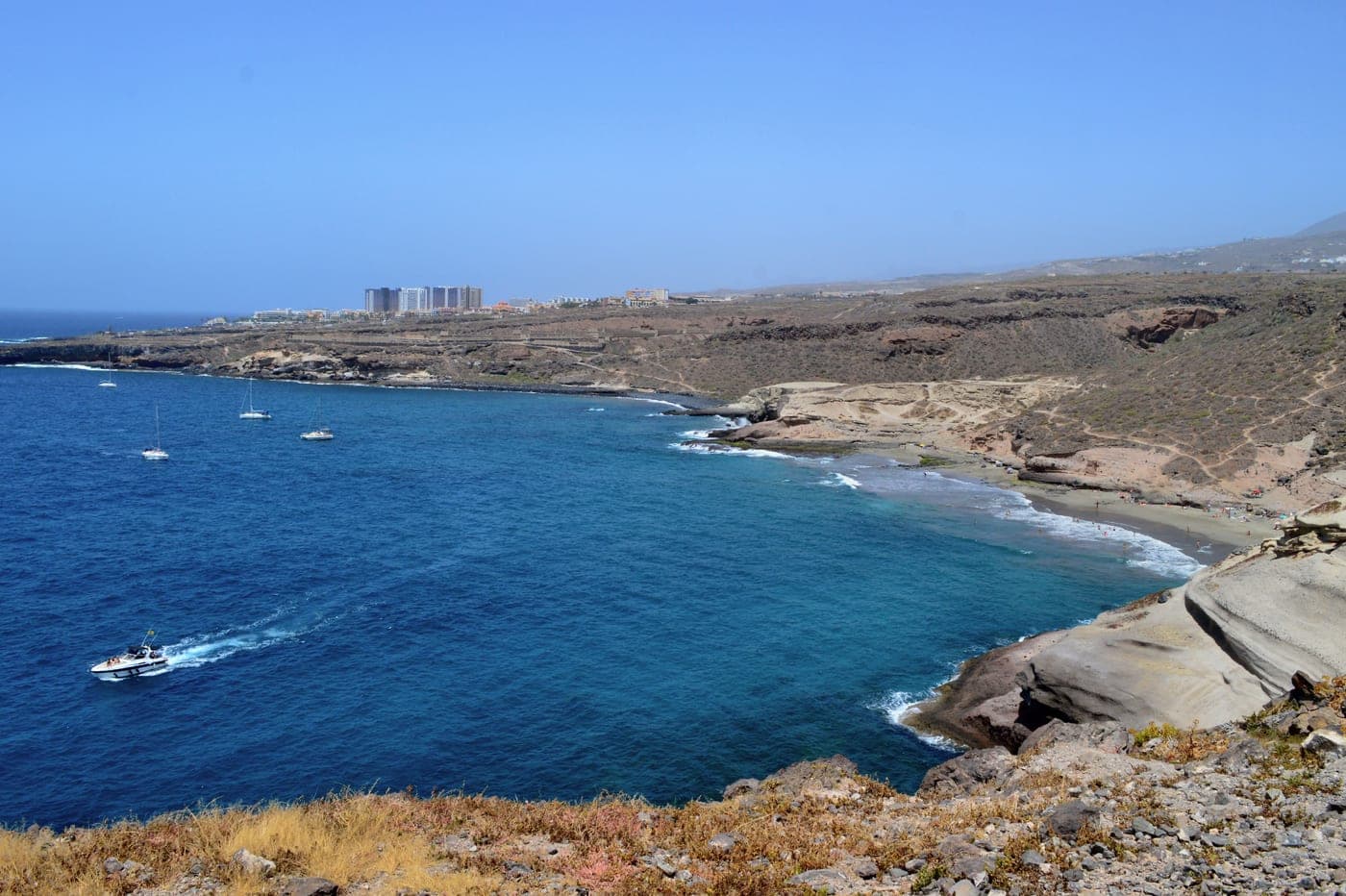
La Caleta is a former fishing enclave of Costa Adeje that has managed to preserve part of its seafaring character despite the surrounding tourist development. Its origins lie in fishing and farming: during the 20th century, humble settlers lived here in caves and huts, and the place served as a small harbour and embarkation point, even for exporting fruit. Today its picturesque seafront is famous for its fresh fish and seafood restaurants, which have made La Caleta a gastronomic landmark of the south of the island. Strolling along its coves, watching the sunsets and savouring the cuisine of the sea are its main attractions. It also retains strong ties to local religious tradition, such as the hermitage of San Sebastián and the festivities in honour of the Virgen del Carmen.
Map of Adeje
Things to do in Adeje
Siam Park
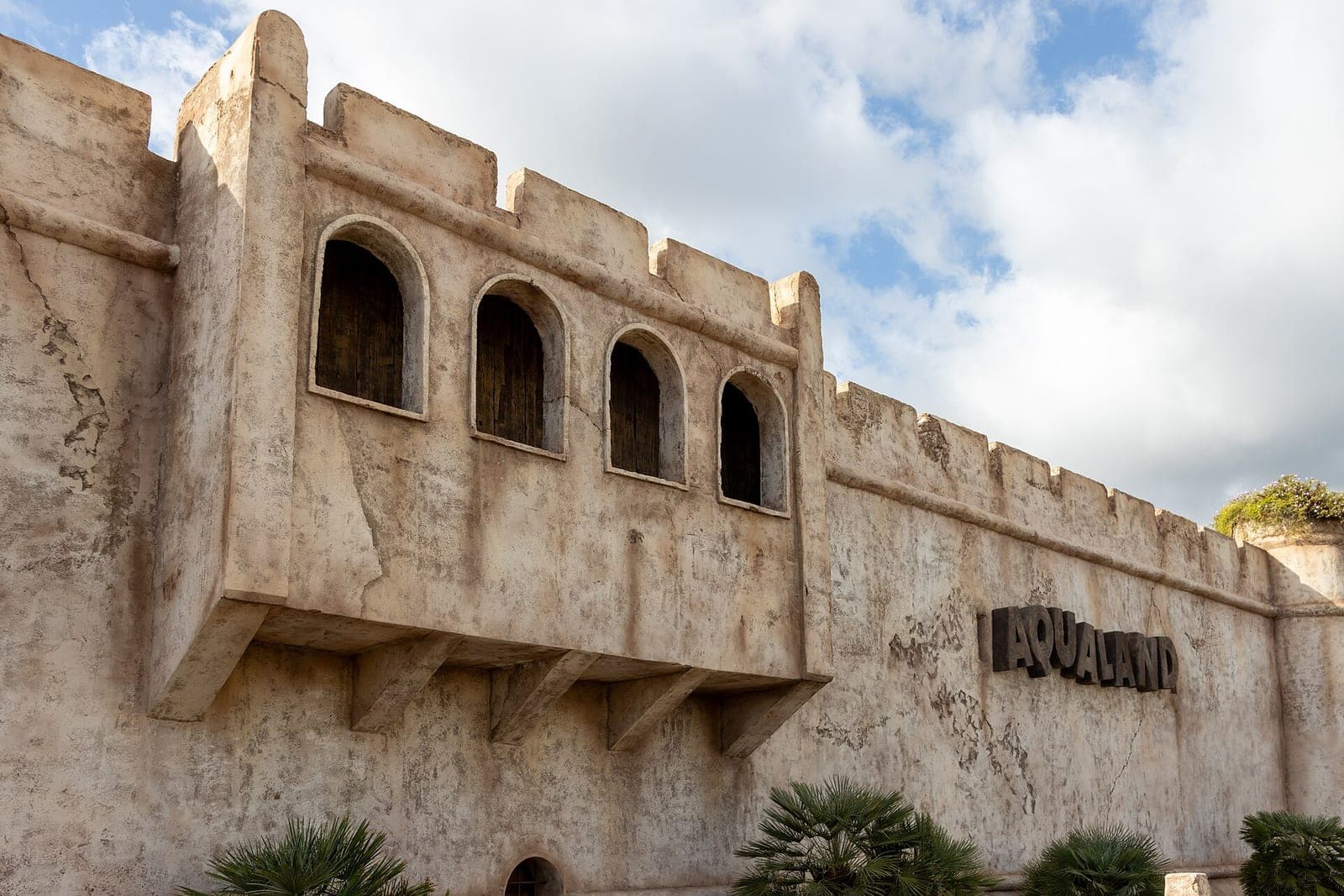
Aqualand Costa Adeje
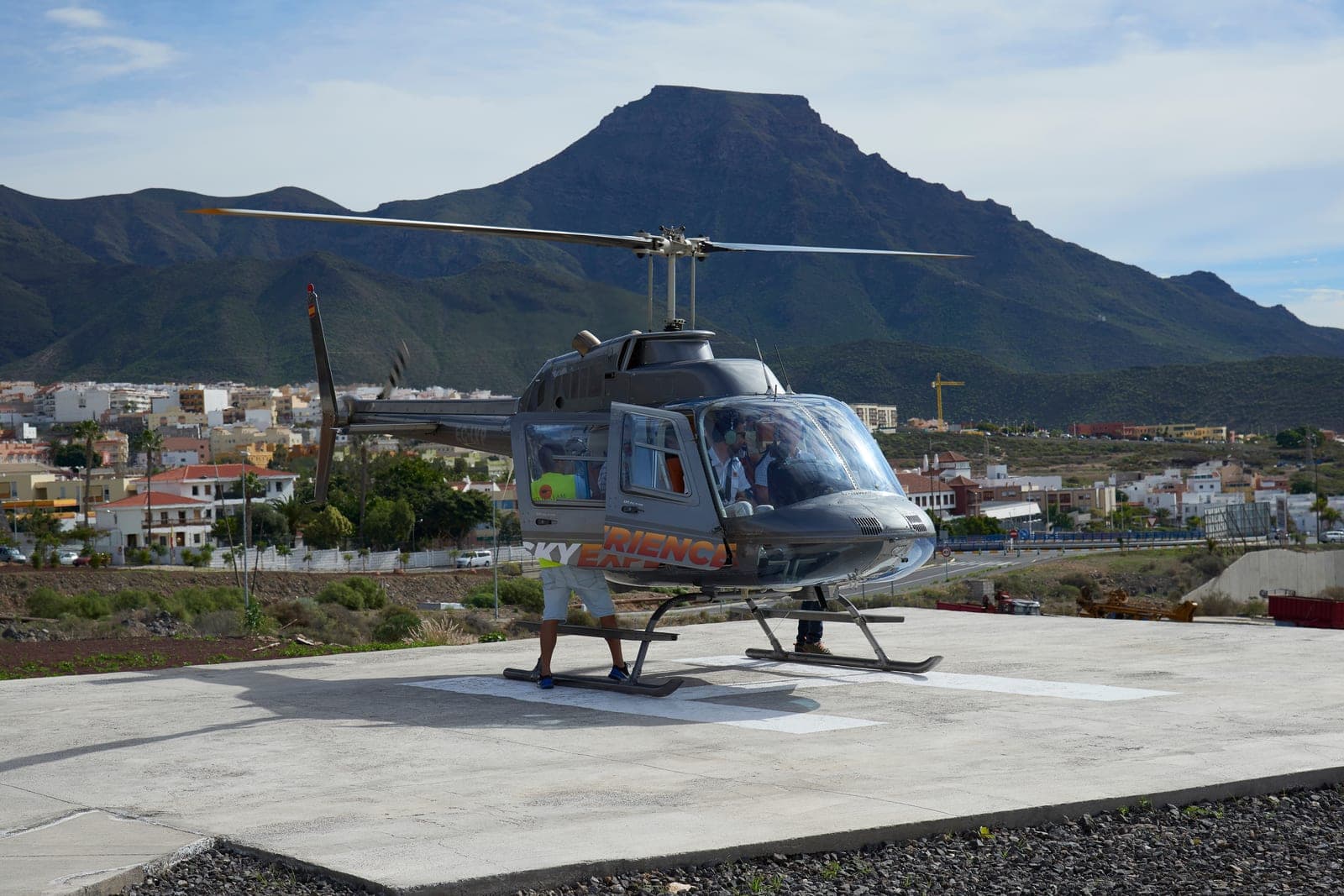
Private Helicopter Tour over Tenerife
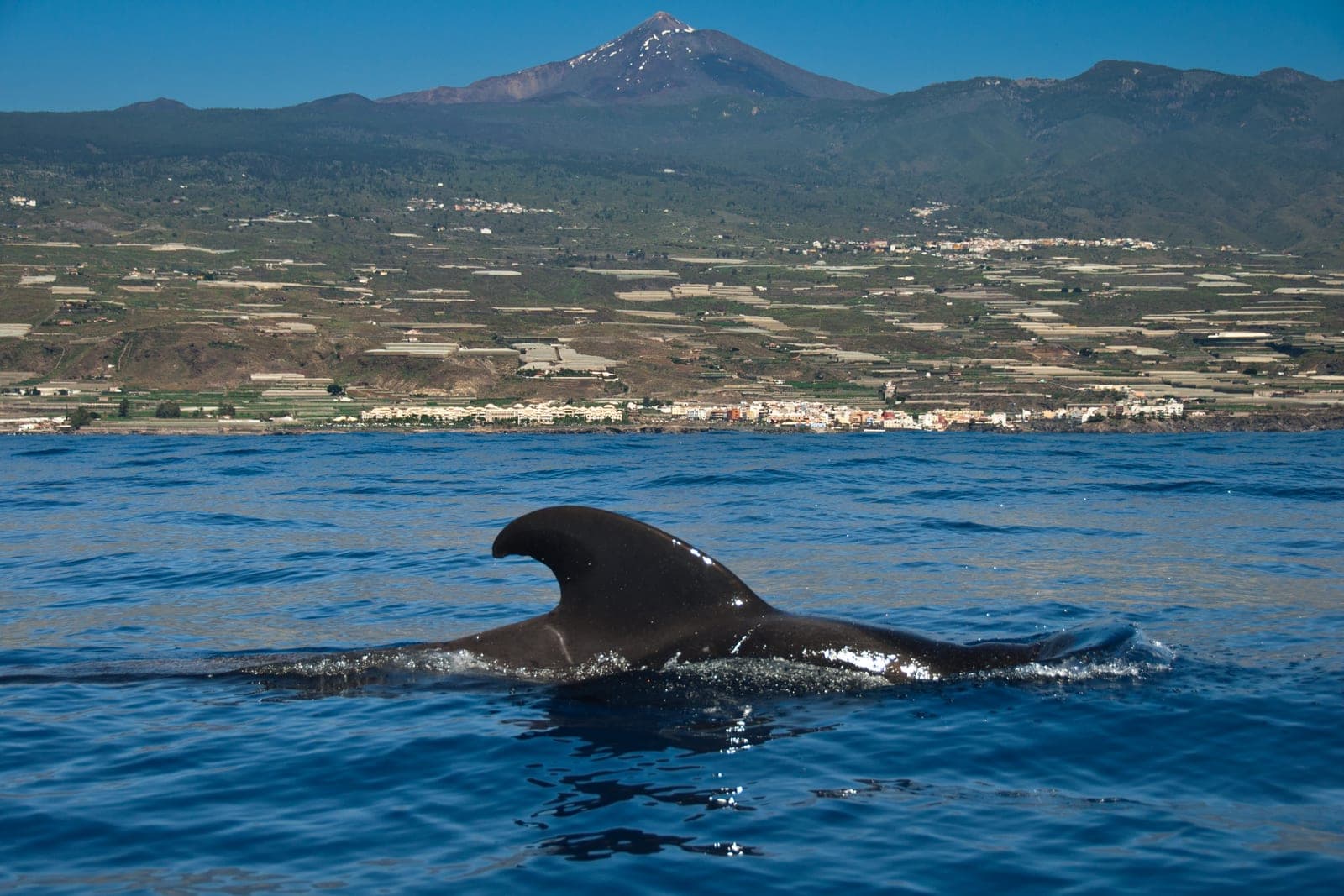
Eco Whale Watching Premium
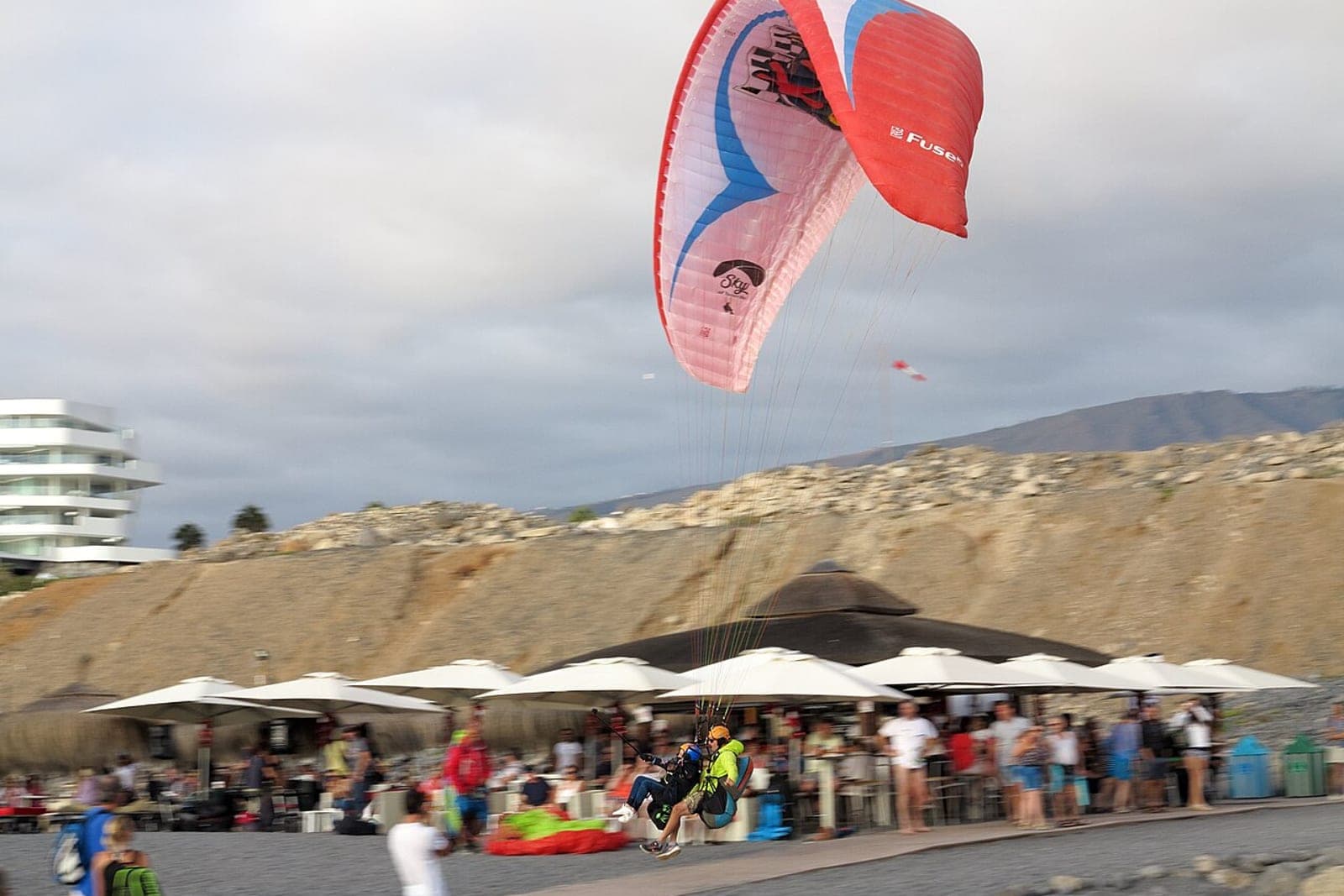
Paragliding
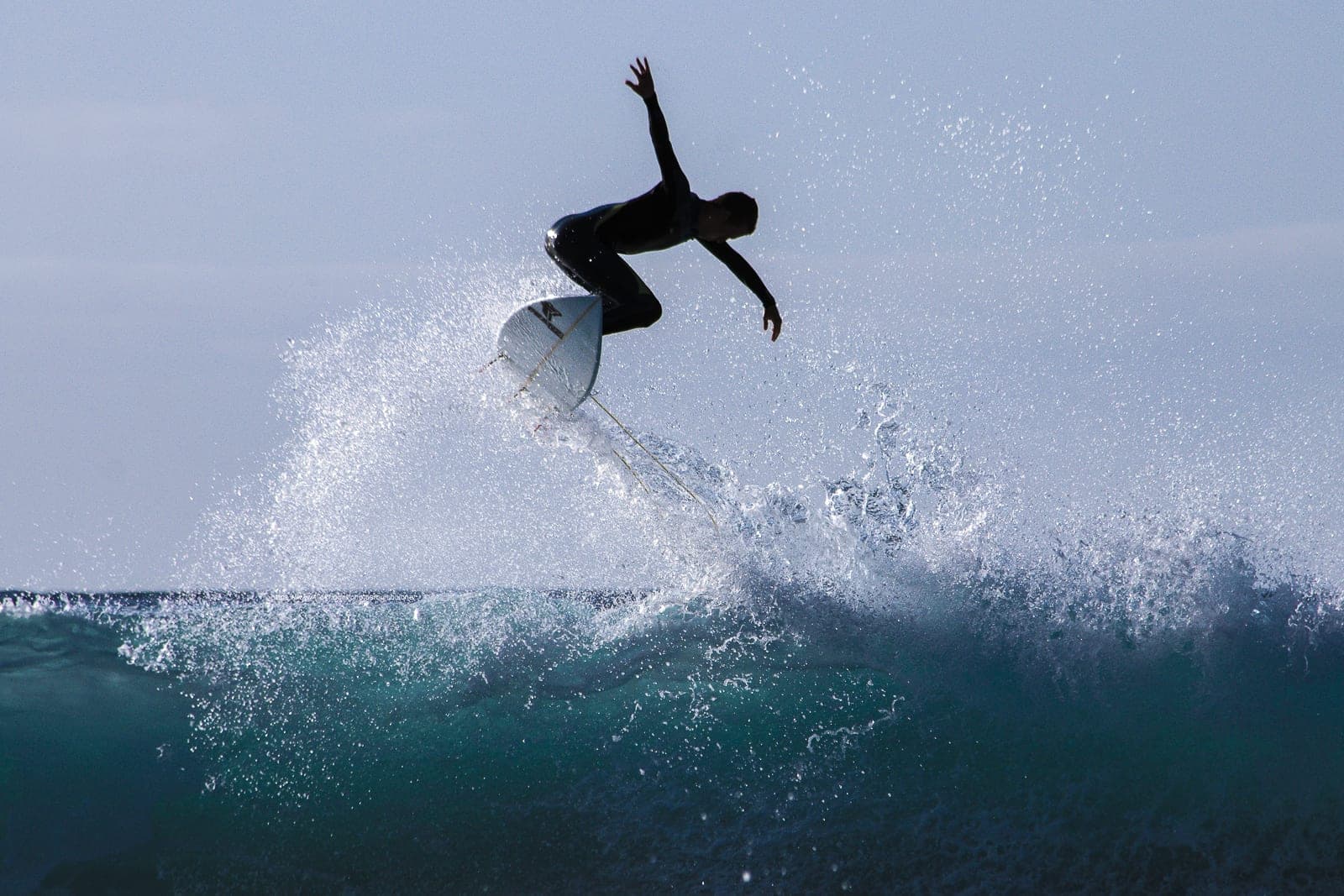
Surfing in Playa de las Américas
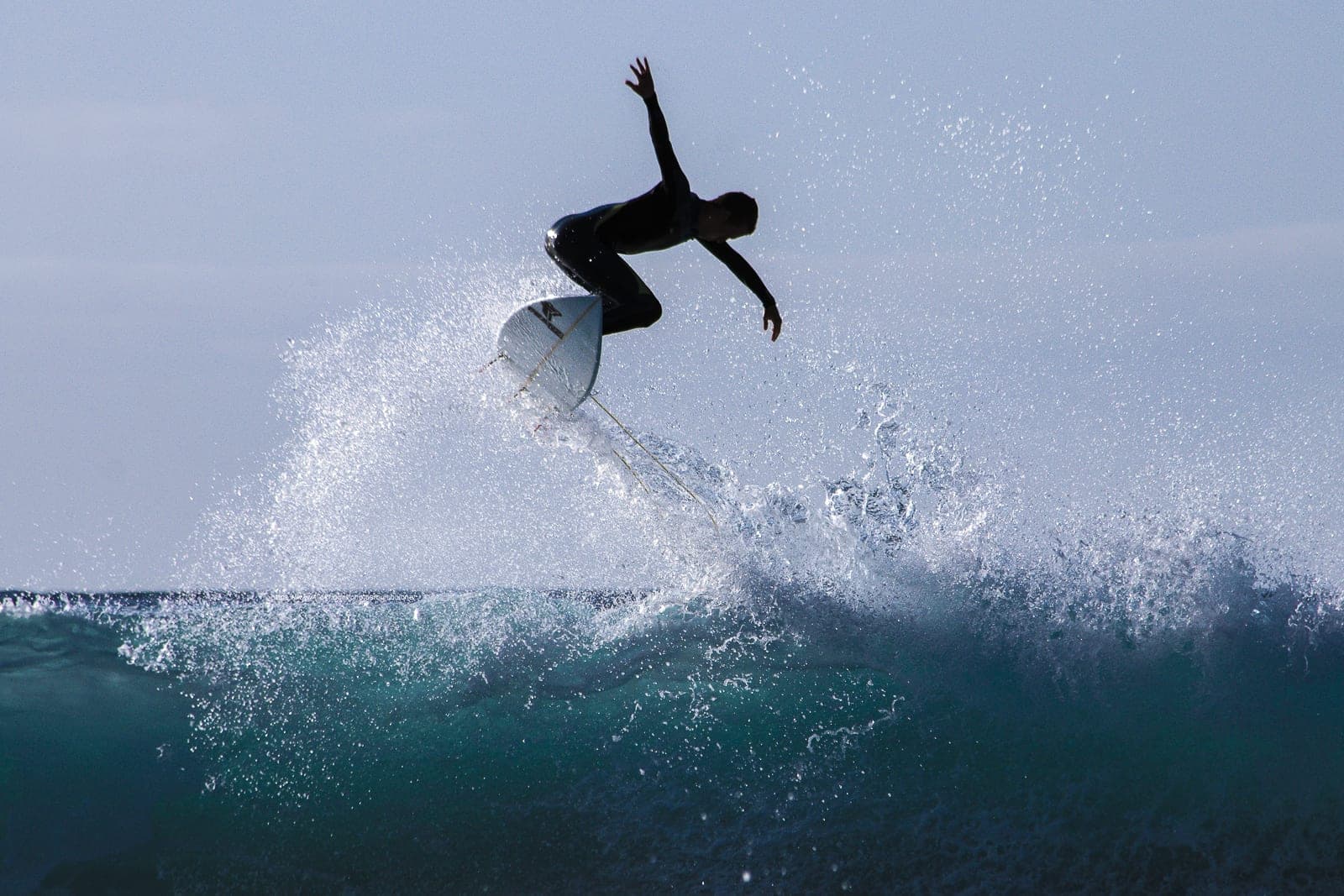
Surf & Yoga Combo
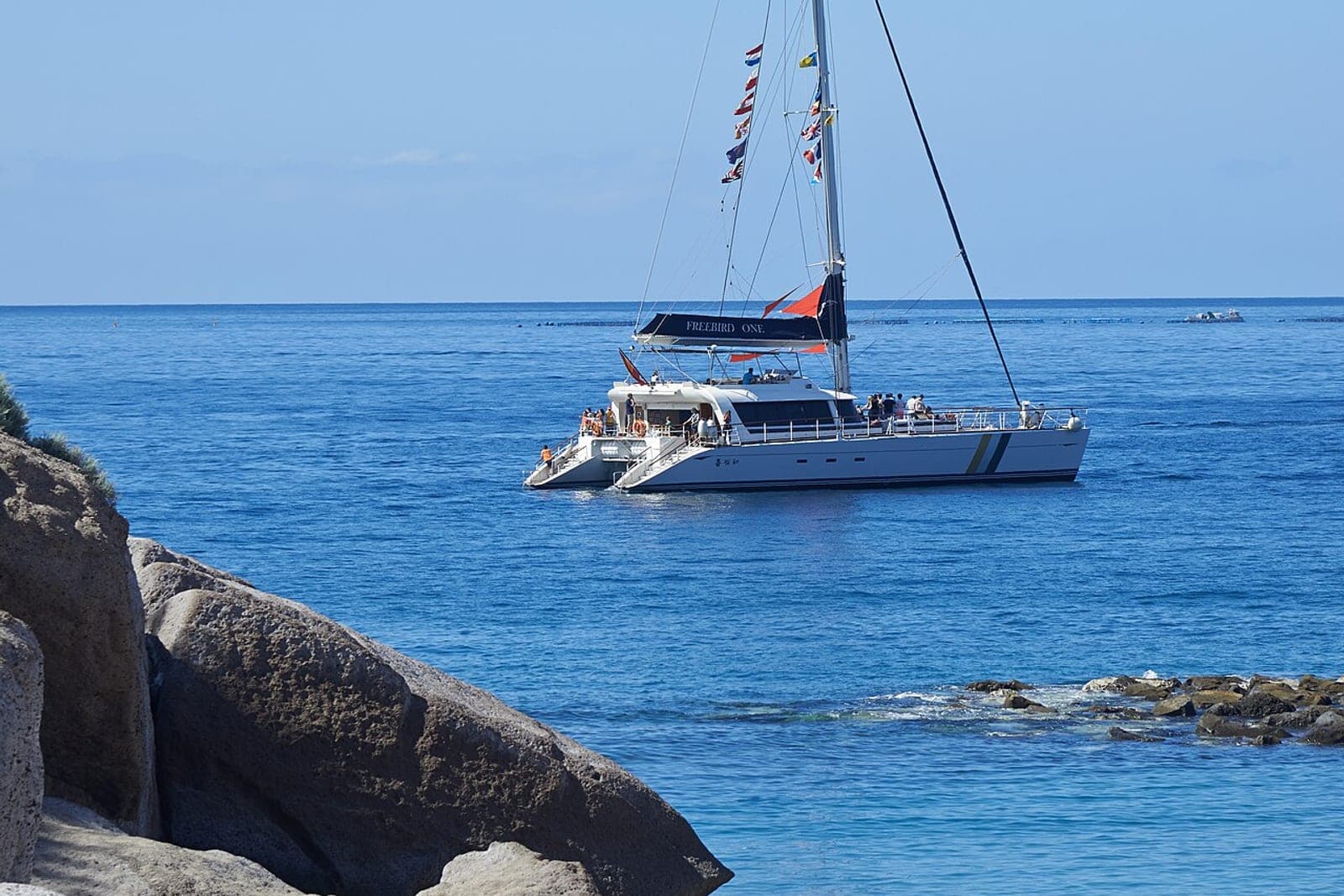
Sunset Yacht Dinner
Tours & activities
Book tours and excursions with free cancellation.
Browse on GetYourGuideHave a business here?
Get featured on this page and reach thousands of travellers.
Advertise hereWhere to eat in Adeje
What to see in Adeje
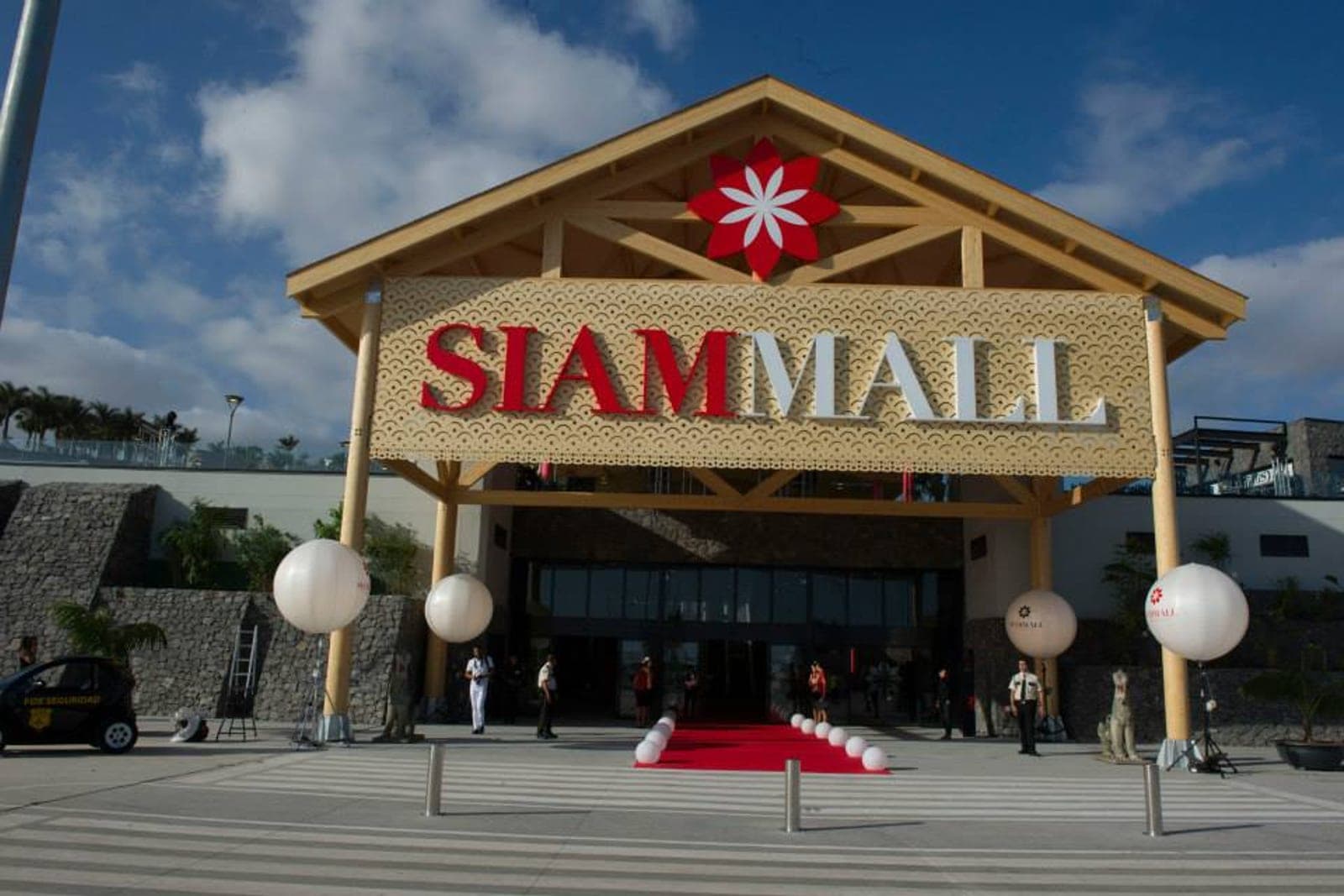
Nightlife in Adeje
Where to stay in Adeje
Official data
Published by the Cabildo de Tenerife and reused here unmodified.
Waymarked trails7
- GR-131Anaga - Chasna85.5 km+5290 mOn footlinear
- PR-TF 71Adeje – Área Recreativa Las Lajas (Camino de Teresme)18 km+2046 mOn footlinear
- PR-TF 71.2Ifonche - La Quinta (Camino de Ifonche)6.5 km+425 mOn footlinear
- Barranco del Infierno3 km+522 mOn footlinear
- SL-TF 71Camino de la Virgen2.1 km+118 mOn footlinear
- PR-TF 71.1Boca del Paso - La Quinta1.7 km+87 mOn footbranch
and 1 more
Recreation areas and viewpoints4
- Las LajasCar park
- Las LajasRecreation area
- Las LajasCampsite
- Las LajasCaravan area
Tourist office
- Adeje - Playa de FañabéOpenAvda. Litoral, s/n. Playa de FañabéLunes-Viernes: 10:00h a 17:00h. Julio y agosto una hora menos.922716539
- Adeje - Playa de TroyaOpenAvda. Rafael Puig Lluvina, nº1, Playa de Troya, Costa AdejeLunes a domingo de 10:00 a 17:00. Julio y Agosto una hora menos. Cerrado: 25 de diciembre, 1 y 6 de enero.922750633
- Adeje - Playa ParaísoOpenAvenida 300, pasaje Las Galgas, 38678 Playa Paraíso, Costa AdejeLunes-Viernes: 10:00h a 17:00h. Julio y agosto una hora menos.922691908
Listed heritage sites5
- ANTIGUO CONVENTO FRANCISCANO DE NTRA. SRA. DE GUADALUPE Y SAN PABLOMonumentOfficial gazette
- CASA FUERTEMonumentOfficial gazette
- CASERIO DE TAUCHOHistoric ensembleOfficial gazette
- IGLESIA DE SANTA URSULAMonumentOfficial gazette
- MORRO GRUESOArchaeological siteOfficial gazette
Source: Cabildo Insular de Tenerife · CC BY · data from 2026-08-01 · How we use open data
Folklore & traditions
Adeje's most famous tradition is the Representation of the Passion, an impressive open-air theatrical work that each Good Friday at noon re-enacts the passion and death of Jesus Christ. Born in 1995 from a parish initiative, it has grown to involve more than three hundred amateur actors and actresses from the municipality itself, who bring the scenes to life along the Calle Grande, in the historic centre. Today it is one of the most renowned Holy Week events in the Canary Islands, with wide media coverage, and a singular example of how Adeje has managed to fuse religiosity and popular tradition into a cultural manifestation of the first order.
The festive calendar also revolves around the Patron Saint Festivities, which fill October with events in honour of the Virgin of the Incarnation, Santa Úrsula and San Sebastián. Among its most heartfelt moments is the Romería, established since the late 1970s as the climax of the festivities: an explosion of colour, folklore and Canarian gastronomy in which ox-carts, traditional costumes, folk music and local produce parade along the Calle Grande. The traditional rogation is also preserved, linking the church of Santa Úrsula with the hermitage of San Sebastián in La Caleta, fulfilling an old vow related, according to popular memory, to a plague of locusts.
Gastronomy is another hallmark. In La Caleta, a former fishing village, the seafront restaurants have made fresh fish and seafood their great draw, within the rich Canarian cuisine of papas arrugadas with mojo, salt-baked fish and produce of the sea. To this seafaring heritage is added the imprint of an agricultural and seigneurial past —sugar, the vine, cane— and the deep Guanche and African memory that, between legend and document, still permeates the living culture of the municipality.
Photos: Diego Delso (CC BY-SA 4.0) · Ronny Siegel (CC BY 3.0) · Mike Peel (www.mikepeel.net) (CC BY-SA 4.0) · -wuppertaler (CC BY 4.0) · 9002Jack (CC0) · giggel (CC BY 3.0) · AndyScott (CC BY-SA 4.0) · Wikimedia Commons