Saltar al contenido
Experiences

Culture & History

Historic towns, museums, traditions and Guanche heritage

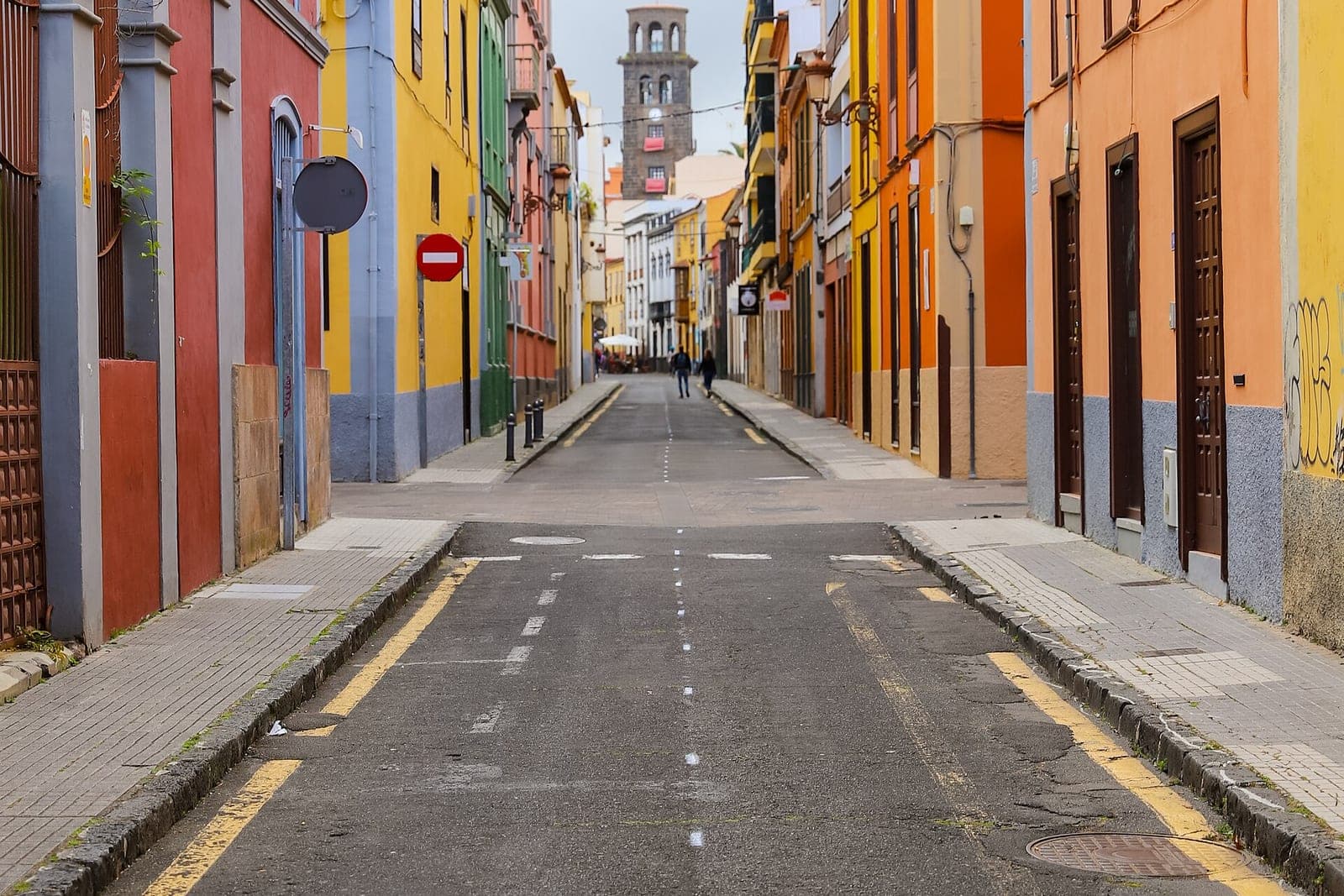
Tenerife's culture weaves together Guanche heritage, a colonial past and very much living traditions. Stroll through La Laguna, a UNESCO World Heritage Site, discover the aboriginal legacy in its museums and experience festivals like the Santa Cruz Carnival, one of the world's largest.
Top rated

The highest-rated places and experiences in this category

Iglesia de Nuestra Señora de la Luz

Iglesia de Nuestra Señora de la Luz

The parish church and religious heart of Los Silos, dedicated to the municipality's patron saint. It rose on an earlier chapel: the church was completed in 1570 and, in September 1605, the locals managed to raise it to a parish, separating it from Buenavista, which required installing the choir and enlarging the main chapel. In 1930 the architect Mariano Estanga renovated its exterior, giving it the striking neo-Gothic look of its towers, today a recognisable image of the old town. Inside it preserves works of great value, such as the Holy Christ of Mercy, a Baroque carving attributed to the Andalusian Francisco de Ocampo, the Lord of Humility and Patience, and the image of the Virgin of the Light which, according to tradition, was found on the coast by a Portuguese fisherman. Every 8 September it is the stage for the patron-saint festivities and the moving "Elevation of the Virgin".

Los Silos
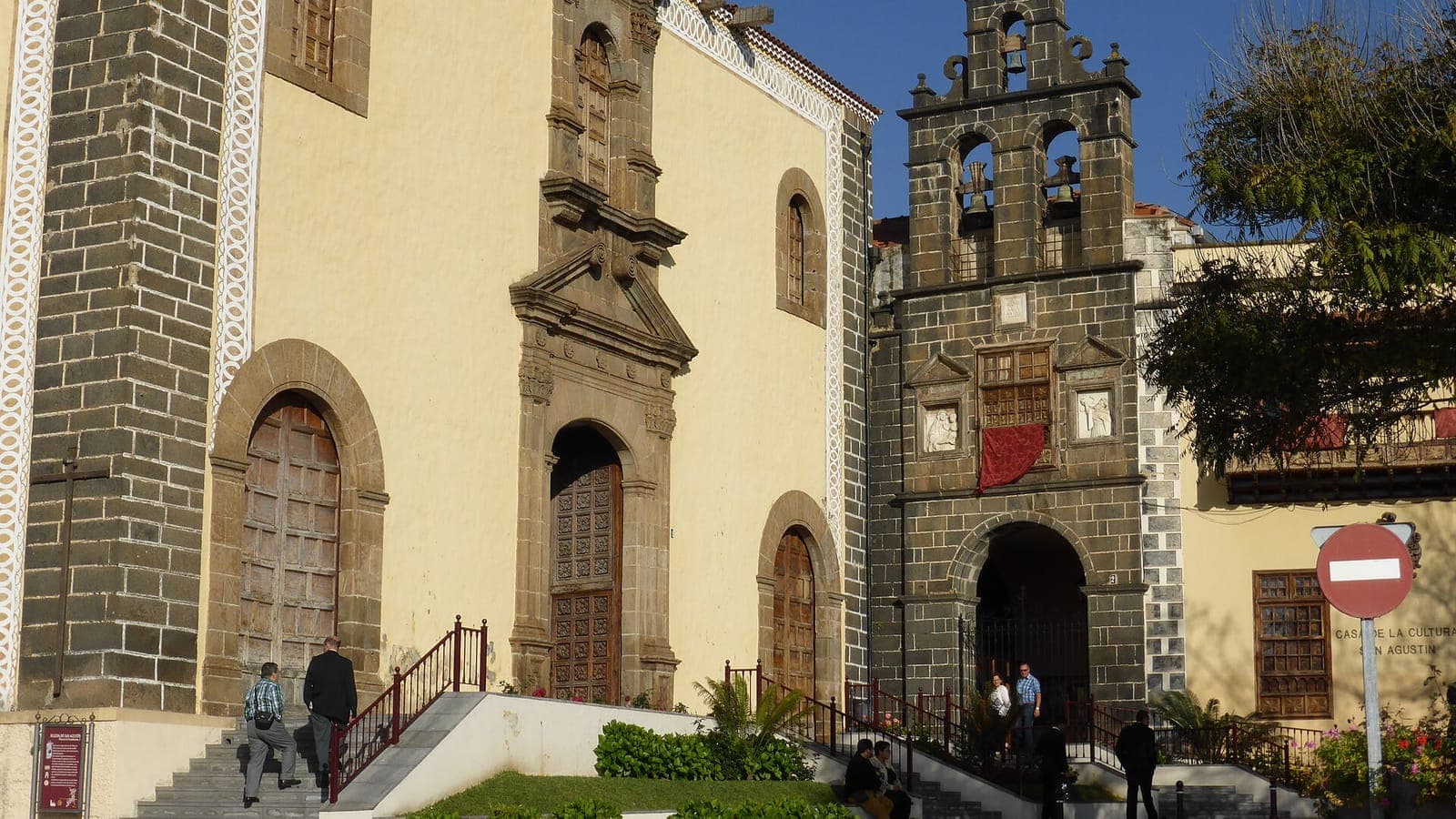
Iglesia de San Agustín

Iglesia de San Agustín

Baroque church of the former Augustinian monastery of Nuestra Señora de Gracia, built between 1671 and 1694; the convent complex is now a cultural centre.

Antiguo Convento de San Sebastián

Antiguo Convento de San Sebastián

One of the town's most emblematic buildings, facing the church and the main square. It was founded on 31 August 1649 by Captain Sebastián Pérez Enríquez and his wife Luisa Francisca Montañés as a convent of Cistercian nuns, using houses and plots belonging to the founder. Cloistered life began with eight nuns —three of them the founder's daughters— and the community reached self-sufficiency in 1658, becoming known for its silk and ribbon production. After the disentailment of 1836, the building passed through the Ministry of War, the Treasury and the municipal schools, and between 1912 and 1980 it housed the Town Hall. It was declared a historic-artistic monument on 7 February 1986. Today it is a cultural and exhibition space, a benchmark of Los Silos's heritage.

Los Silos
Iglesia de Santa Ana

Iglesia de Santa Ana

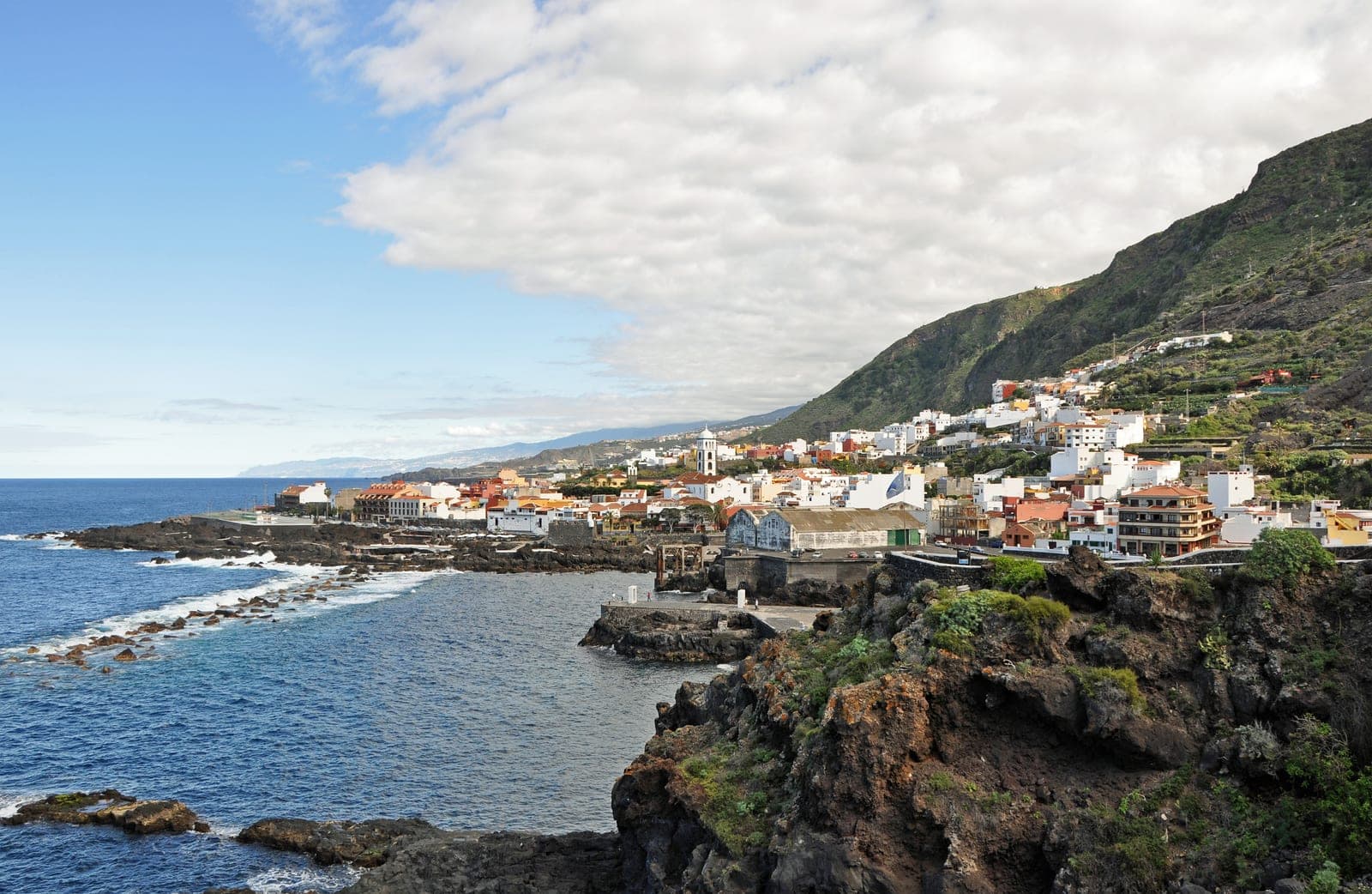
The main parish church of Garachico beside Plaza de la Libertad, originally built around 1520 and rebuilt after the 1706 volcanic eruption.

Ermita de San Antonio Abad

A small temple whose tradition links it directly to the Battle of Acentejo, fought just a few metres away in the ravine. Legend holds that one of the first scribes of the archipelago, Anton Vallejo, vowed to build a hermitage if he survived or won that battle; the shrine is documented around 1539. It is dedicated to Saint Anthony the Abbot, protector of animals, and its surroundings host one of the island's most distinctive livestock celebrations. It is a simple, endearing spot that brings together popular devotion, historical memory and rural roots in a single place.
La Matanza de Acentejo

Aldea Blanca

Aldea Blanca is one of the population centres on the middle and lower strip of the municipality of San Miguel de Abona, set in the transition between the agricultural uplands and the tourist coast. Like other hamlets in the area, it grew especially from the second half of the 20th century, when the rural exodus and the boom in tourism and the service sector shifted the population's weight from the historic centre towards the south of the district. Its name —"White Village"— evokes the traditional hamlet of whitewashed houses that gave character to these upland settlements. Today Aldea Blanca combines its rural roots —with terraced plots, crops and the memory of an agricultural economy of potatoes and cereals— with residential growth linked to the nearby coast, golf courses and the commercial and service areas that shape the municipality's daily life.

San Miguel de Abona

Frequently asked questions

Which UNESCO World Heritage sites are in Tenerife?

The historic centre of San Cristóbal de La Laguna has been a UNESCO World Heritage Site since 1999 as an outstanding example of an unwalled colonial town. Teide is a Natural World Heritage Site.

Which museums are worth visiting?

The Museum of Nature and Archaeology (MUNA) in Santa Cruz, which holds Guanche mummies, and the Museum of Science and the Cosmos in La Laguna are among the most recommended.

What are the most important traditional festivals?

The Santa Cruz Carnival (February), declared a Festival of International Tourist Interest, and the Corpus Christi in La Orotava, with its carpets of flowers and Teide sand, are among the most famous.

Ready to experience Tenerife?

Discover unique experiences, tours and activities on the island