El Sauzal
Des belvédères spectaculaires sur la côte nord et la Casa del Vino.
Histoire
El Sauzal plonge ses racines dans le monde aborigène guanche. Avant la conquête castillane, ces terres du nord-est de Tenerife appartenaient au menceyato de Tacoronte, l'un des neuf royaumes en lesquels se divisait l'île, et faisaient partie de la région d'Acentejo, théâtre de certains des épisodes les plus décisifs de la résistance indigène. Le toponyme même de la commune rappelle son paysage originel : "Sauzal" évoque l'abondance de saules des Canaries (Salix canariensis) qui poussaient près des sources et des ravins de la zone, sur un territoire escarpé qui descend des sommets jusqu'aux falaises surplombant l'Atlantique.
Après la conquête de l'île, achevée en 1496, le partage des terres et des eaux attira les premiers colons européens. Le christianisme s'implanta rapidement : en 1505, l'Adelantado Alonso Fernández de Lugo, conquérant de La Palma et de Tenerife, fonda l'ermitage de Nuestra Señora de los Ángeles, considéré comme l'un des temples les plus anciens de l'île. Peu après s'éleva l'église de San Pedro Apóstol, dressée au bord de la falaise face à la mer, qui devint l'une des premières paroisses de Tenerife. Le rôle historique d'El Sauzal atteignit son apogée en 1572, lorsqu'une épidémie de peste contraignit à transférer le siège du Cabildo de La Laguna dans l'église de San Pedro : durant ces mois, le petit bourg devint le centre politique et administratif de l'île.
La prospérité d'El Sauzal fut, depuis l'origine, liée au vin. Le climat, les sols volcaniques et l'orientation de ses coteaux firent de la région d'Acentejo l'une des grandes zones viticoles de Tenerife, dont les crus (les célèbres "Canary wines") s'exportaient en Europe. Dans ce contexte, vers le milieu du XVIIe siècle, le marchand sévillan Simón de Herrera Leiva acquit des terres et édifia la Hacienda de San Simón, connue sous le nom de Quinta de San Simón, une exploitation agricole complète dotée de caves, de pressoirs, d'une demeure seigneuriale et de maisons de métayers autour d'une cour. Cette demeure du XVIIe siècle est aujourd'hui la Casa del Vino de Tenerife, restaurée et ouverte au public en 1995 comme musée, cave et emblème des vins de l'île.
El Sauzal est aussi le berceau de l'une des figures religieuses les plus vénérées des Canaries : Sœur María de Jesús de León y Delgado, affectueusement appelée "la Siervita". Elle naquit dans la commune le 23 mars 1643, au sein d'une famille modeste d'ancien lignage, et entra en 1668 comme sœur converse au couvent dominicain de Santa Catalina de Siena, à La Laguna. Femme d'une profonde vie mystique et pénitente, elle mourut le 15 février 1731 à l'âge de 87 ans. Trois ans après sa mort, son corps fut découvert incorrompu. Elle repose aujourd'hui dans le chœur bas de ce couvent de La Laguna et, chaque 15 février, elle est exposée à la vénération de centaines de fidèles qui viennent la contempler. En 1992, son procès de béatification fut engagé, raison pour laquelle l'Église la reconnaît comme Servante de Dieu.
Le bourg conserve en outre des recoins qui en ont fait une destination de paysage et de quiétude. Le Parque de los Lavaderos, aménagé autour d'une source où jadis les femmes lavaient le linge, s'est transformé en un jardin de végétation autochtone parcouru de fontaines et de cascades, avec vue sur la côte et sur le Teide. À quelques pas, le Mirador de la Garañona offre l'un des panoramas les plus spectaculaires du nord de Tenerife, surplombant les falaises d'Acentejo et l'océan, parmi les dragonniers, les palmiers et les bougainvilliers.
En 1812, sous l'égide de la Constitution de Cadix, El Sauzal accéda au statut de commune, et en 1985 le Gouvernement des Canaries lui octroya le titre de Villa. Aujourd'hui, avec près de 9 300 habitants entre le centre-ville et le quartier haut de Ravelo, elle conjugue son héritage agricole et viticole avec un attrait touristique croissant, fidèle à son image de village blanc dressé au-dessus de la falaise.
Points d'intérêt
Casa del Vino de Tenerife (Hacienda de San Simón)
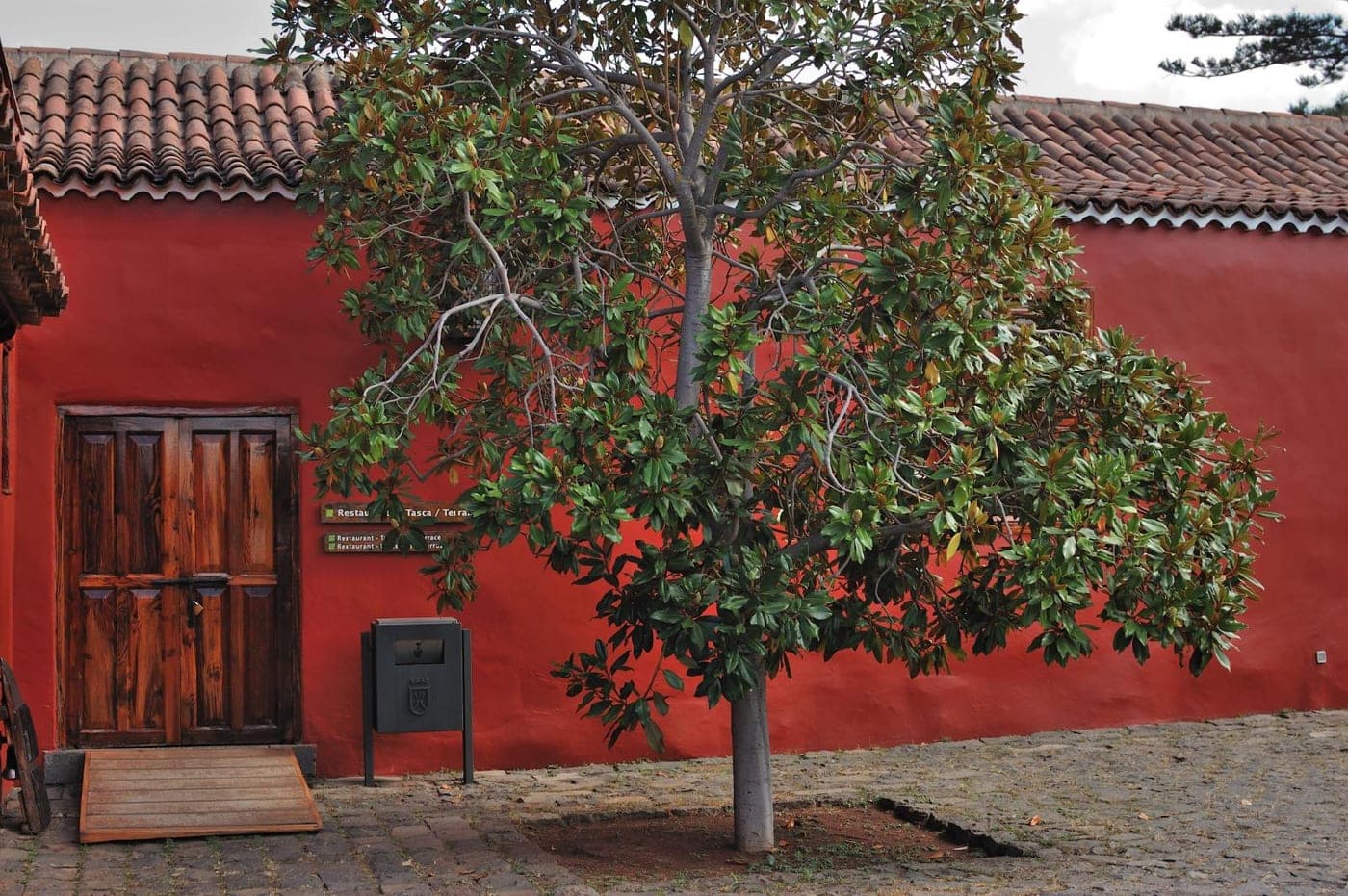
Installée dans une demeure du XVIIe siècle, la Casa del Vino de Tenerife occupe l'ancienne Hacienda de San Simón, édifiée vers le milieu du XVIIe siècle par le marchand sévillan Simón de Herrera Leiva, qui reconnut le potentiel viticole d'El Sauzal. Connue sous le nom de Quinta de San Simón, c'était une exploitation agricole complète dotée de caves, de pressoirs, d'une demeure seigneuriale et de maisons de métayers disposées autour d'une cour. Acquise par la municipalité en 1989 puis cédée au Cabildo de Tenerife en 1992, elle fut restaurée et ouverte au public en 1995 comme grand emblème des vins de l'île. Elle abrite aujourd'hui un musée du vin, une salle de dégustations, un restaurant et une boutique, le tout entre balcons, cours et pressoirs traditionnels, avec vue sur la mer et sur le Teide. C'est la meilleure porte d'entrée vers la culture viticole de Tenerife.
Iglesia de San Pedro Apóstol
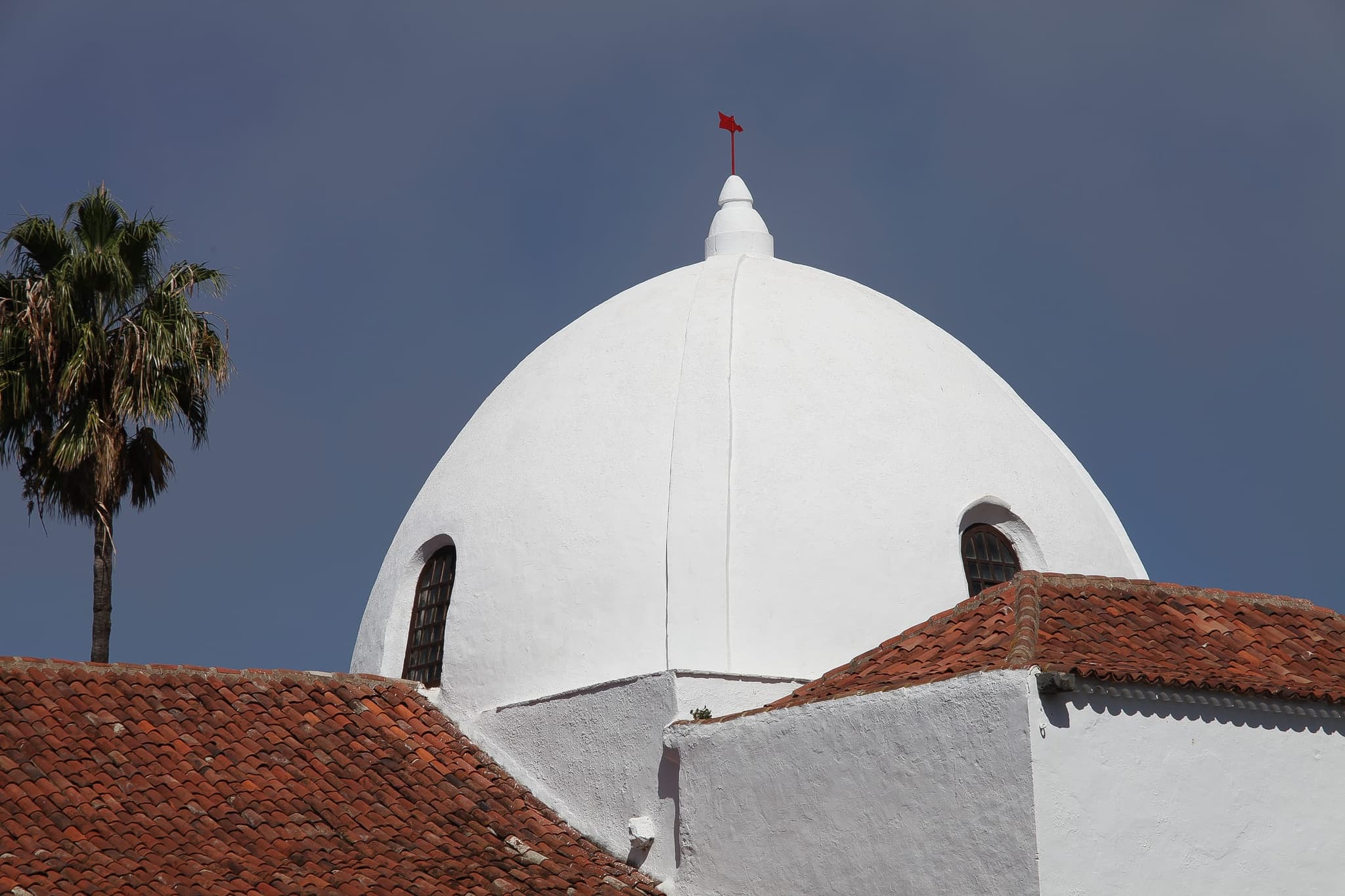
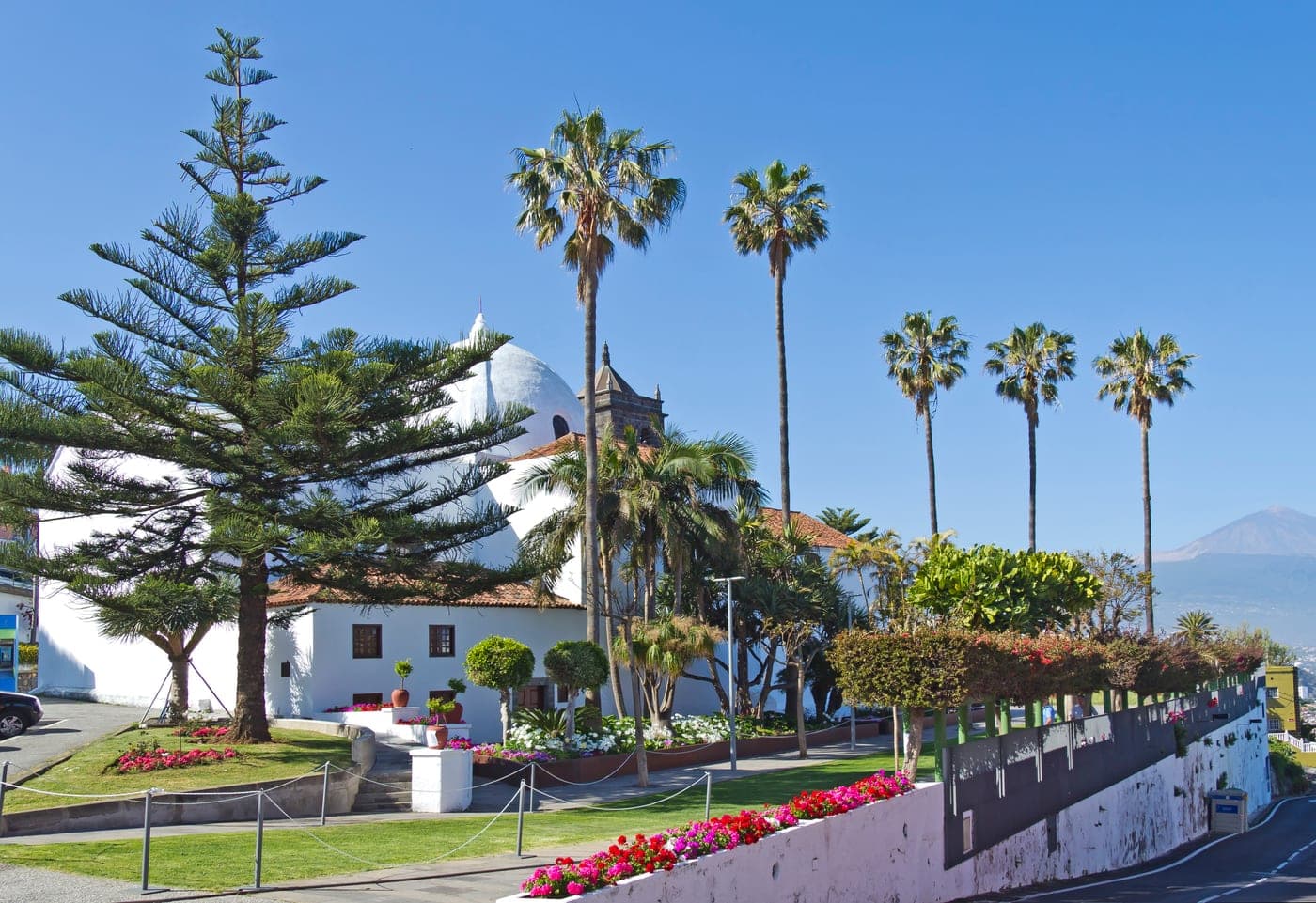
Dressée au bord de la falaise, sa coupole devenue symbole du village, l'église de San Pedro Apóstol est le cœur historique d'El Sauzal. Ses travaux débutèrent au commencement du XVIe siècle et elle fut l'une des premières paroisses de Tenerife. Son moment de plus grande importance survint en 1572, lorsqu'une épidémie de peste à La Laguna contraignit à y transférer le siège du Cabildo, faisant brièvement du bourg le centre politique de l'île. L'édifice présente un plan en croix latine, une sacristie rectangulaire et une tour du XVIIIe siècle aux angles de pierre noire. Il conserve à l'intérieur un tabernacle baroque en argent réalisé par des orfèvres de La Laguna, une sculpture flamande de saint Sébastien du XVIe siècle et des fonts baptismaux néoclassiques en marbre. Depuis 2015, l'une de ses nefs latérales accueille un Musée d'Art Sacré abritant des sculptures et des retables de grande valeur.
Parque de los Lavaderos
Le Parque de los Lavaderos est l'un des recoins les plus chers à El Sauzal. Il s'élève autour d'une abondante source naturelle où, autrefois, les femmes du village venaient laver le linge, d'où son nom. Aujourd'hui, ce lieu s'est transformé en un jardin soigné de végétation autochtone, parcouru de fontaines, de bassins et de cascades qui emplissent l'air du bruit de l'eau. Depuis ses terrasses et ses belvédères, on contemple un vaste panorama de la côte nord de Tenerife et, par temps clair, la silhouette du Teide. C'est un endroit idéal pour une promenade tranquille, pour lire ou se reposer à l'ombre de sa végétation luxuriante, alliant nature, eau et vues en plein centre de la commune. Une petite oasis qui résume le caractère serein et verdoyant d'El Sauzal.
Mirador de la Garañona
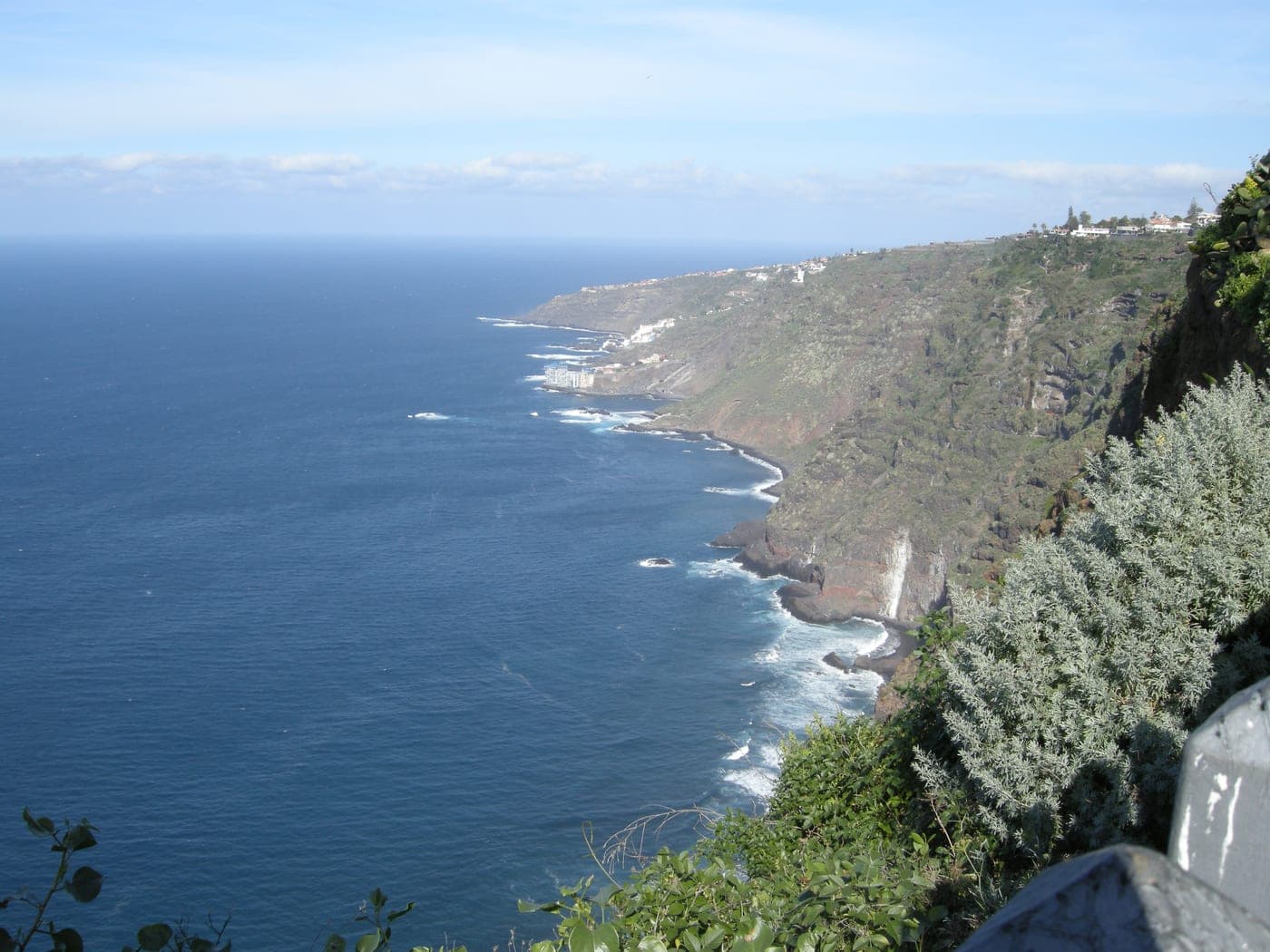
Le Mirador de la Garañona offre l'un des panoramas les plus spectaculaires du nord de Tenerife. Surplombant les falaises d'Acentejo, il offre une vue impressionnante sur l'Atlantique et sur la côte abrupte qui se déploie à ses pieds. On y accède par un sentier bordé de bougainvilliers et entouré de végétation canarienne, avec des dragonniers, des palmiers et des bancs de pierre depuis lesquels s'arrêter pour contempler l'horizon. C'est un balcon naturel parfait pour profiter du coucher de soleil, photographier le littoral ou simplement ressentir la force de la mer contre les rochers. Son nom, lié au toponyme de la Garañona, l'identifie comme l'un des belvédères emblématiques de la commune, dans un cadre où le paysage sauvage de la côte nord se montre dans toute sa splendeur.
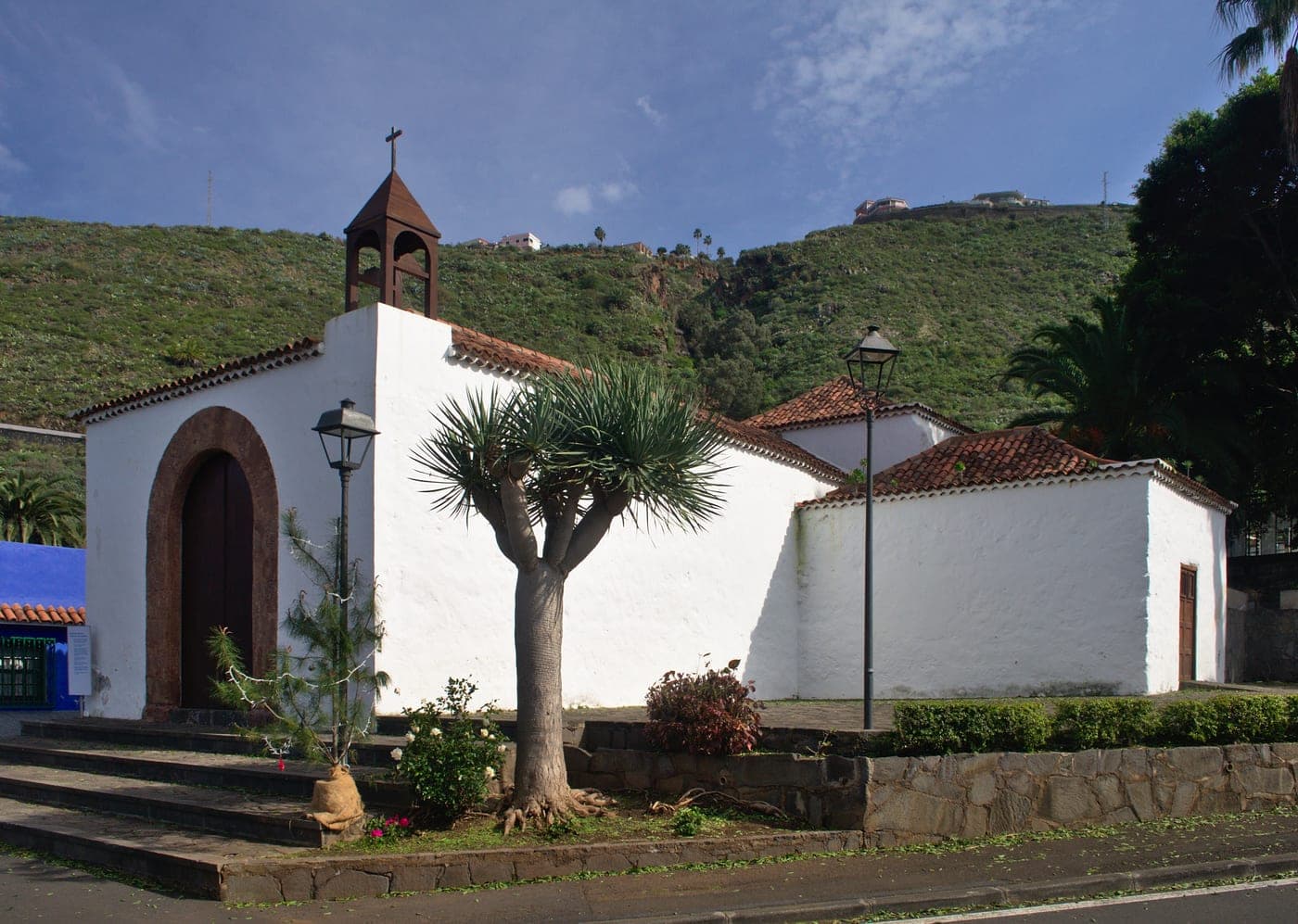
Ermita de Nuestra Señora de los Ángeles
L'ermitage de Nuestra Señora de los Ángeles est l'un des temples les plus anciens de Tenerife. Il fut fondé en 1505 par l'Adelantado Alonso Fernández de Lugo, conquérant de La Palma et de Tenerife, ce qui le place parmi les premiers édifices religieux de l'île. Il est dédié à la Virgen de los Ángeles, copatronne d'El Sauzal aux côtés de San Pedro Apóstol, et depuis le 20 août 1955 la Vierge porte en outre le titre de maire honoraire de la commune. De style canarien traditionnel, l'ermitage conserve à l'intérieur un retable de bois polychrome du XVIIIe siècle, une image baroque de saint Antoine de Padoue attribuée à la sculptrice Luisa Roldán et des brancards d'argent de 1795. Chaque été, ses fêtes se célèbrent en même temps que celles de San Pedro, entre fin juin et début juillet, au cœur dévotionnel du bourg.
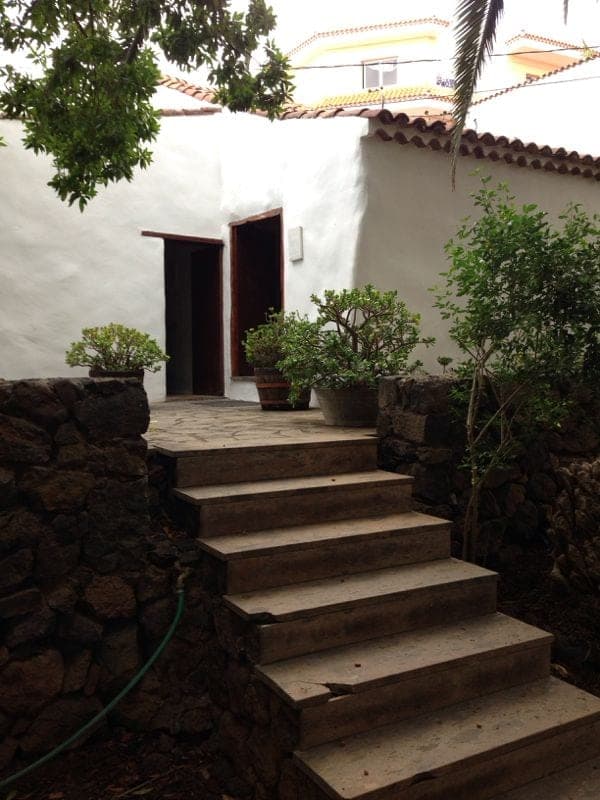
Cuna de Sor María de Jesús, 'la Siervita'
El Sauzal est le berceau de Sœur María de Jesús de León y Delgado, affectueusement appelée "la Siervita", l'une des figures religieuses les plus vénérées des Canaries. Elle naquit dans la commune le 23 mars 1643, au sein d'une famille modeste d'ancien lignage, et entra en 1668 comme sœur converse au couvent dominicain de Santa Catalina de Siena, à La Laguna. Femme d'une intense vie mystique et pénitente, elle mourut le 15 février 1731 à l'âge de 87 ans ; trois ans plus tard, son corps fut découvert incorrompu. Elle repose aujourd'hui dans le chœur bas de ce couvent de La Laguna et, chaque 15 février, elle est exposée à la vénération de centaines de fidèles. En 1992, son procès de béatification fut engagé, raison pour laquelle l'Église la reconnaît comme Servante de Dieu. Dans son village natal, la Maison-Musée Sierva de Dios, inaugurée en 2007, rappelle sa vie et sa mémoire.
Carte de El Sauzal
Que faire à El Sauzal
Où manger à El Sauzal
À voir à El Sauzal
Données officielles
Publiées par le Cabildo de Tenerife et reprises ici sans modification.
Sentiers balisés9
- GR-131Anaga - Chasna85.5 km+5290 mÀ piedlinéaire
- BC-1Ruta Forestal del Norte84.8 km+4600 mVélo et chevallinéaire
- PR-TF 25Área Recreativa Las Raíces - Área Recreativa Lomo de La Jara10.6 km+657 mÀ piedlinéaire
- VM-1Pista de Fuente Fría7.6 km+583 mVéhicules à moteurlinéaire
- VM-6Pista La Vica, Las Aguilillas, Montaña El Pozo, Carril del Polvo, Baja Camella y Las Calderetas7.3 km+313 mVéhicules à moteur
- PR-TF 25.3Las Lagunetas - Los Nateros6.2 km+82 mÀ pieddérivation
et 3 de plus
Aires de loisirs et belvédères5
- Fuente FríaAire de repos
- Las CalderetasParking
- Las CalderetasAire de loisirs
- Las CalderetasCamping
- Las Calderetas 2Parking
Biens d’intérêt culturel1
- IGLESIA DE SAN PEDRO APÓSTOLMonumentJournal officiel
Source: Cabildo Insular de Tenerife · CC BY · données du 2026-08-01 · Comment nous utilisons les données ouvertes
Folklore & traditions
Les fêtes patronales sont le grand moment du calendrier d'El Sauzal. Entre fin juin et début juillet, El Sauzal célèbre ses saints patrons, San Pedro Apóstol et la Virgen de los Ángeles, avec un intense programme religieux et populaire : la solennelle Eucharistie en l'honneur des deux, la procession aux flambeaux jusqu'à l'ermitage accompagnée par l'Agrupación Musical San Pedro et la traditionnelle bénédiction des animaux et du bétail, geste de gratitude pour les fruits de la terre et le travail des agriculteurs et des éleveurs. À cela s'ajoutent des bals, des pèlerinages et des manifestations culturelles qui emplissent de vie les rues du centre dressé au-dessus de la falaise.
La dévotion à Sœur María de Jesús, "la Siervita", imprègne elle aussi l'identité de la commune. Bien que son corps incorrompu soit vénéré au couvent dominicain de La Laguna, où chaque 15 février des centaines de fidèles viennent la contempler, El Sauzal maintient vivante sa mémoire en tant que village natal de cette religieuse du XVIIe siècle. La Maison-Musée Sierva de Dios, ouverte en 2007, conserve son souvenir et attire dévots et curieux, entretenant le lien entre le bourg et l'une des figures spirituelles les plus chères des Canaries.
Le vin est l'autre grand pilier de la culture d'El Sauzal. Héritière d'une tradition viticole de plusieurs siècles, la région d'Acentejo produit des crus protégés par l'Appellation d'Origine Tacoronte-Acentejo, et la Casa del Vino de Tenerife, dans l'ancienne Hacienda de San Simón, en est devenue le temple : on y déguste les vins et les miels de l'île et l'on y découvre la culture du pressoir. La gastronomie locale accompagne cette tradition avec les produits du terroir, les fromages, le miel et la cuisine canarienne de toujours, qui trouve à El Sauzal un décor de balcons, de cours et de vues sur l'Atlantique difficile à oublier.
Pour aller plus loin
Photos: Rick Ligthelm (CC BY 2.0) · bea & txema (CC BY 2.0) · Koppchen (CC BY-SA 3.0) · jfreire (CC BY-SA 3.0) · Paweł 'pbm' Szubert (CC BY-SA 3.0) · CanaryIslands (CC BY-SA 3.0) · Wikimedia Commons