Meilleure période pour voyager à Tenerife : le climat mois par mois
Meilleure période pour voyager à Tenerife : le climat mois par mois
On surnomme Tenerife l'île du printemps éternel, et à juste titre : son climat subtropical maintient des températures douces tout au long de l'année, sans grands extrêmes. Cela signifie que presque chaque mois est un bon mois pour la visiter. L'essentiel n'est pas quand venir, mais ce que vous voulez faire et dans quelle zone de l'île vous allez, car Tenerife possède plusieurs microclimats à la fois.
Les températures au fil de l'année
Les températures restent agréables en toute saison. À titre indicatif, dans les zones côtières :
- Hiver (décembre–février) : 18–23 °C en journée; la nuit, les minimales avoisinent les 15 °C.
- Printemps (mars–mai) : 20–25 °C en journée; nuits autour de 17 °C.
- Été (juin–septembre) : 25–30 °C en journée; nuits autour de 21 °C.
- Automne (octobre–novembre) : 22–27 °C en journée; nuits autour de 18 °C.
La mer suit le mouvement : la température de l'eau oscille approximativement entre 19 °C en hiver et 23–24 °C à la fin de l'été, si bien que la baignade est possible toute l'année.
Le contraste nord–sud (le plus important)
Tenerife n'a pas un seul climat, elle en a plusieurs. Les alizés du nord-est se heurtent au Teide et déchargent leur humidité dans le nord, qui est donc plus vert, plus frais et plus nuageux et pluvieux, surtout en hiver. Le sud, à l'abri de la montagne, est plus sec et plus ensoleillé : c'est la zone du soleil garanti et du tourisme balnéaire. Il peut bruiner à La Laguna, le soleil briller à Los Cristianos et neiger au Teide, le tout le même jour.
La calima
De temps à autre, le plus souvent en hiver et au printemps (bien que cela arrive aussi en été), arrive la calima : un vent du Sahara qui apporte un air chaud et des poussières en suspension. Elle réduit la visibilité, fait monter la température et laisse le ciel blanchâtre. Elle dure généralement quelques jours et n'est pas habituelle, mais il est bon de savoir qu'elle existe.
Quand partir selon ce que vous recherchez ?
- Plage et soleil garanti : de mai à octobre, dans le sud. L'été est chaud mais la brise marine le rend supportable.
- Échapper au froid : l'hiver est la haute saison pour de nombreux Européens; le sud reste autour de 20–22 °C.
- Randonnée : le printemps et l'automne sont idéaux (ni chaleur extrême ni calima); en été, levez-vous tôt et choisissez des itinéraires en altitude ou à Anaga.
- Monter au Teide : toute l'année, mais couvrez-vous : en haut, il peut geler et neiger en hiver (l'accès est parfois fermé pour cause de neige).
- Observer les étoiles : toute l'année; les ciels du Teide comptent parmi les meilleurs du monde.
- Observer les cétacés : il y a des globicéphales et des dauphins toute l'année au large de la côte sud-ouest.
- Carnaval de Santa Cruz : février ou mars, l'une des plus grandes fêtes du monde.
Que mettre dans la valise
La règle est de s'habiller par couches. Des vêtements légers pour la côte, une veste ou une polaire pour les nuits et pour le nord, et un vrai manteau si vous comptez monter au Teide. Des chaussures confortables si vous pensez marcher, une protection solaire toute l'année (le soleil tape même quand il fait frais) et un coupe-vent pour les belvédères.
En résumé
Il n'y a pas de mauvaise période pour Tenerife. Si vous voulez du soleil et de la plage sans risque, visez le sud entre mai et octobre. Si vous fuyez l'hiver européen, l'île est un refuge tempéré. Et si votre projet est la nature et la randonnée, le printemps et l'automne vous offriront le meilleur équilibre.
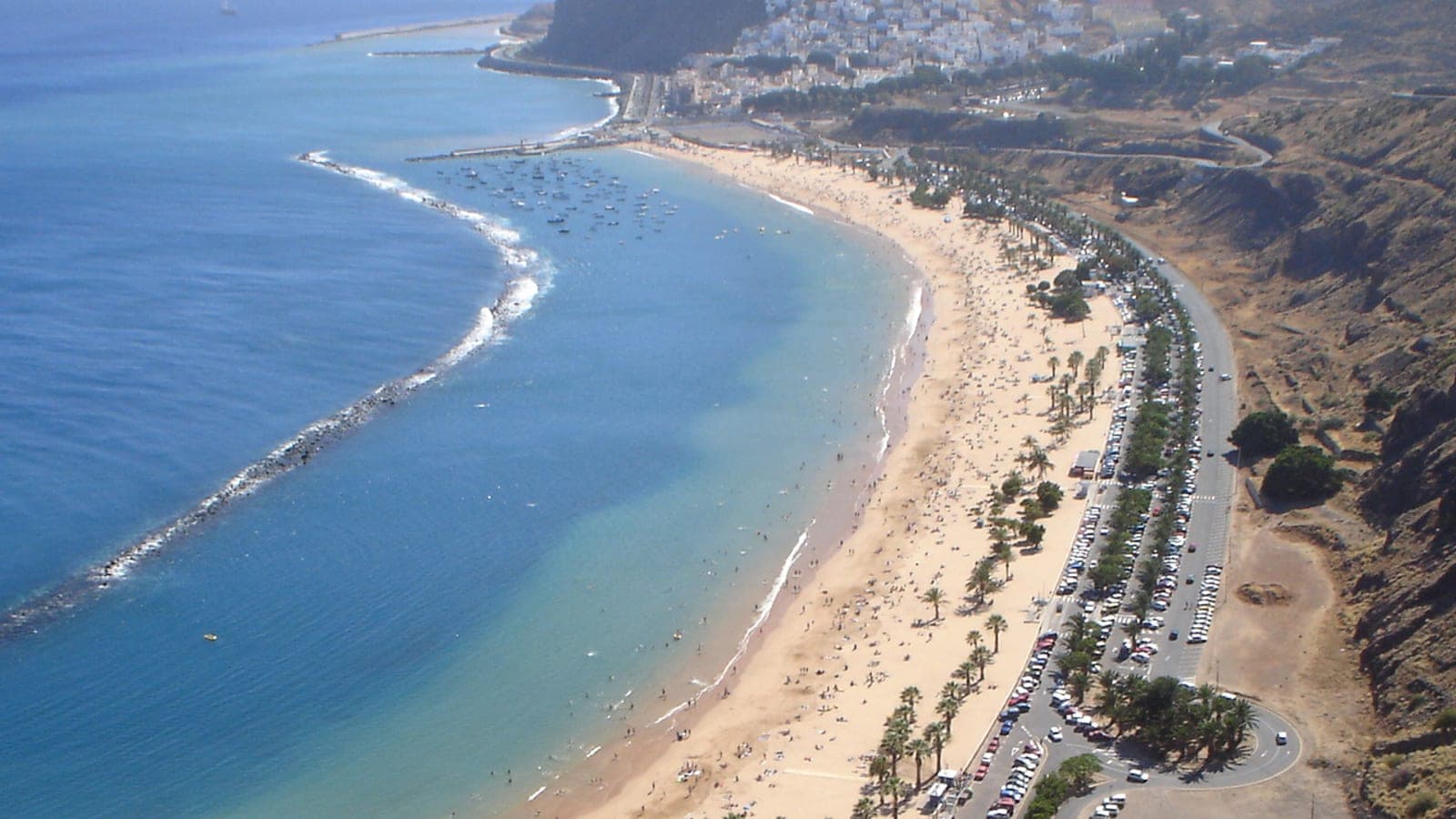
Photo de couverture : Playa de Las Teresitas (Santa Cruz de Tenerife) — domaine public, via Wikimedia Commons.
Réserve ton expérience à Tenerife
Activités, visites et billets avec annulation gratuite.
Liens d'affiliation : si tu réserves via ce bloc, GetYourGuide nous verse une commission. Cela ne te coûte pas plus cher.
Voir les activités et billets sur GetYourGuideRelated Articles
Excursion à La Gomera depuis Tenerife : guide du voyage d'une journée
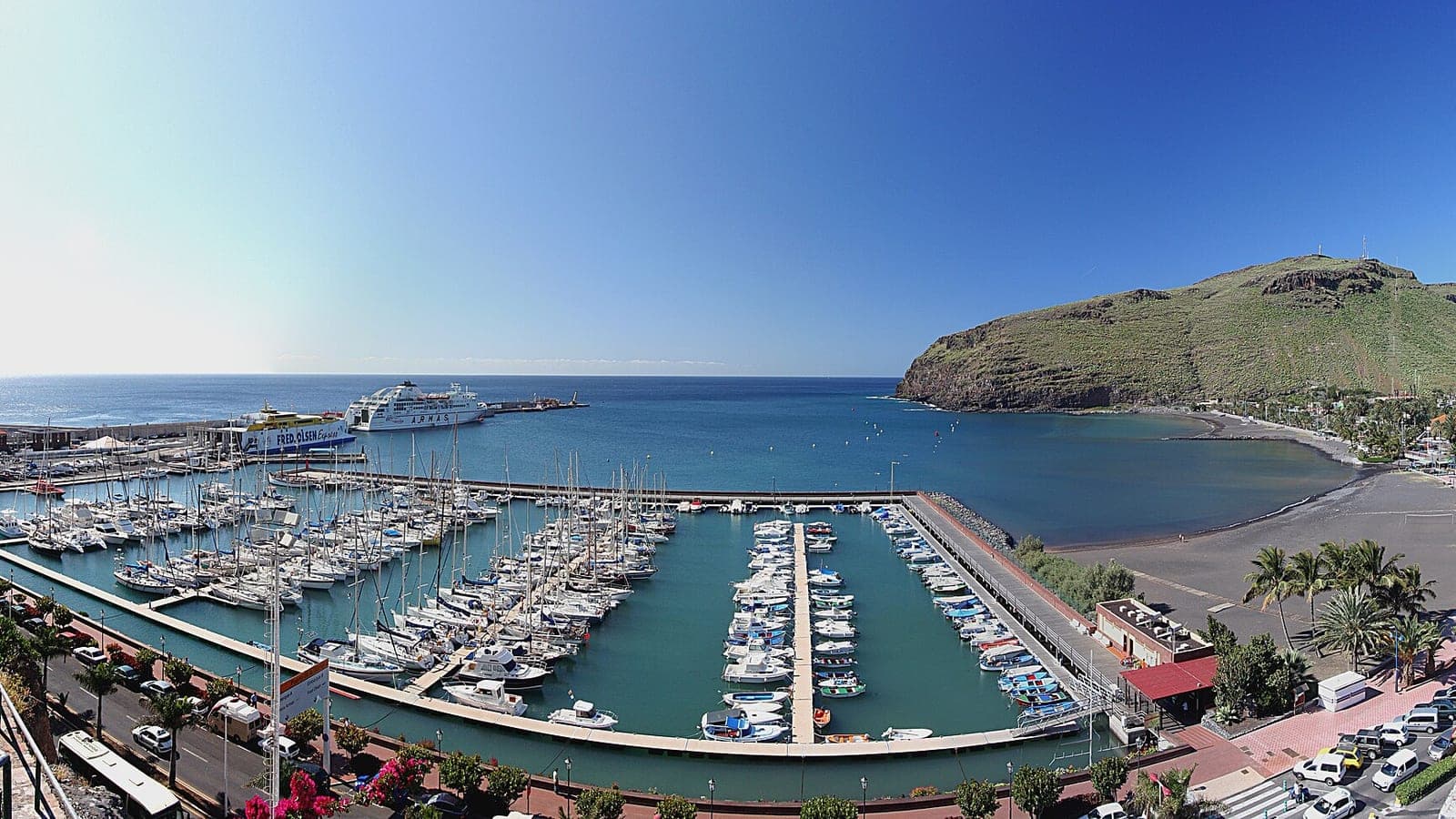
Comment faire une excursion d'une journée à La Gomera depuis Tenerife : le ferry depuis Los Cristianos, que voir à San Sebastián et Garajonay, le silbo gomero et la gastronomie de l'île.

Erreurs courantes des touristes à Tenerife
Évitez les erreurs courantes lors de votre visite à Tenerife. Apprenez d'un voyageur chevronné comment explorer cette belle île au-delà des pièges à touristes.
Plongée en apnée à Tenerife : les spots sous-marins les plus spectaculaires
Plongez dans les eaux cristallines de Tenerife et explorez sa vie marine vibrante. Découvrez les meilleurs spots de plongée en apnée et des conseils locaux pour améliorer votre aventure sous-marine.