Anaga Mountains: What to See and Best Trails

Contents
- Why Anaga will change your view of Tenerife
- Must-visit viewpoints
- Charming historic villages
- Best hiking trails
- Wild northern beaches
- Where to eat in Anaga
- Unique flora and fauna
- Getting there and around
- Practical tips
- Frequently asked questions
Why Anaga will change your view of Tenerife
If you think Tenerife is all about sun, beaches and resorts, you haven't visited Anaga yet. This mountain massif at the island's far northeast is a world apart: ancient laurel forests shrouded in mist, ravines plunging vertically into the ocean, hamlets where time seems frozen and a biodiversity that earned it UNESCO Biosphere Reserve status in 2015.
While southern Tenerife buzzes with mass tourism, Anaga offers raw authenticity. Here, locals still tend their terraced plots, guachinches open only when the harvest allows, and trails wind through giant ferns and centuries-old heather trees. This is the Tenerife that Canarians keep to themselves.
Fascinating fact: Anaga's laurel forest is a relic from the Tertiary period — 20 million years ago, these forests covered the entire Mediterranean basin. When Europe's climate dried out, they vanished from the continent and survived only on Atlantic islands (Canaries, Madeira, Azores) thanks to the trade winds. Walking through Anaga is literally walking through a prehistoric forest.The must-visit viewpoints of Anaga
Anaga boasts some of the most spectacular viewpoints in all of the Canary Islands, and many are conveniently right off the main road.
Mirador de Jardina
Set at the entrance to the Anaga Rural Park, on the TF-12 road (km 25, within the municipality of San Cristobal de La Laguna). It offers sweeping views over the city and the valley (Vega) of La Laguna in the foreground, with cultivated fields, villages and vegetation, and, on clear days, the silhouette of Mount Teide in the distance. There is a car park and interpretive panels, with direct access from the road.
Mirador Cruz del Carmen
Next to the visitor centre, this viewpoint looks over the northern slope of Anaga and the sea of clouds that frequently covers the coastline. It's the perfect place to start your day and plan your itinerary. There's a restaurant with a terrace and an exhibition about the local ecosystem right next door.
Mirador Pico del Ingles
At 989 metres elevation, this is the highest point accessible by car in Anaga. Views stretch from Santa Cruz and its harbour to the Roques de Anaga on one side, and the forested interior on the other. It's a popular starting point for several hiking trails. Arriving early is essential — the car park fills quickly on weekends.
Mirador de Bailadero
Located at the junction towards Taganana, this viewpoint has a curious history: legend says this is where Anaga's witches gathered for their rituals. Beyond the legend, the views over the Taganana valley with the ocean beyond are postcard-perfect. There's a small bar for coffee.
Charming villages you can't miss
Taganana
Anaga's most iconic village, tucked into a green valley between steep mountains. The 16th-century church presides over the hamlet, and the seafood restaurants along the coastal road (San Roque and Roque de las Bodegas) are legendary. Don't leave without trying vieja a la plancha (grilled parrotfish) with papas arrugadas and mojo — pure Tenerife on a plate.
Taborno
One of the most spectacular villages on the island. Taborno perches on a knife-edge ridge with the Roque de Taborno — Tenerife's "Matterhorn" — dominating the skyline. The hike to the rock formation is short (30 minutes) but steep, and the 360-degree views make every step worthwhile.
Chinamada
Famous for its inhabited cave houses — not a museum, but real homes where people still live carved into the rock. The village has a guachinche serving homemade food and local wine. A 7 km circular trail starting here offers spectacular views of the north coast.
Afur
A tiny hamlet that serves as the starting point for the descent to Playa de Tamadite, one of the island's most remote and dramatic beaches. The village itself has quiet charm and a bar where you can refuel after the steep climb back up.
Las Carboneras
Named after the charcoal burners who once worked in the surrounding forests. Today it's a sleepy village where Guachinche Casa Alvaro is the main draw — real Canarian food at prices from another era. Irregular opening hours, so ask around before making the trip.
Best hiking trails in Anaga
Anaga is a hiker's paradise with dozens of trails for every level. Here are the ones you absolutely shouldn't miss:
Sendero de los Sentidos (Trail of the Senses)
The perfect introduction to the laurel forest. A 1-1.3 km circular route starting from Cruz del Carmen that immerses you in an enchanted forest of mosses, ferns and mist. Ideal for families — easy, short and utterly magical. Allow 45 minutes.
Get the full details in our Sendero de los Sentidos guide.
Cruz del Carmen to Punta del Hidalgo
Anaga's classic long-distance route: 10 km of descent from the ridge to the coast. You pass through laurel forest, open ridges with panoramic views, deep ravines and arrive at the coastal town of Punta del Hidalgo. Elevation drop: 950 m. Duration: 4-5 hours. Level: moderate to challenging. Organise return transport in advance.
Chinamada circular loop
7 km through agricultural terraces, dense forest and the cave-house village. North coast views are spectacular and you can stop for lunch at the village guachinche. Duration: 3-4 hours. Level: moderate.
Taganana to Benijo coastal path
A 3.5 km coastal walk connecting both villages past wild beaches. Perfect for a half-day, especially combining the hike with a swim at Benijo and lunch in Taganana. 1.5 hours one way. Level: easy to moderate.
Safety note: Anaga trails can be slippery when wet and fog can severely reduce visibility. Always wear proper hiking boots, bring warm layers (it can be 10°C cooler than the coast), carry enough water and download offline maps before setting out. Tell someone your planned route.Wild northern beaches
Anaga's beaches aren't made for sunloungers and parasols — they're wild, dramatic and spectacular. Black volcanic sand, powerful waves and jaw-dropping landscapes.
Playa de Benijo
The most famous and photographed. The Roques de Anaga rising from the sea, gleaming black sand and legendary sunsets make Benijo an essential stop. There's a small restaurant perched above the beach. Warning: strong currents — swim only in calm conditions and never alone.
Benijo features in our selection of the best beaches in Tenerife.
Playa de Almaciga
Slightly more sheltered than Benijo and popular with local surfers. Several simple, honest fish restaurants line the road. Easy car access — no hiking required.
Playa de Tamadite
Only reachable on foot (40-minute descent from Afur). A wild cove framed by cliffs that feels like the edge of the world. Bring everything you need — there's nothing here.
Where to eat in Anaga
Anaga's food scene is rustic, honest and delicious. No Michelin stars, but the quality of ingredients and authenticity more than compensate.
Fresh fish in Taganana
The restaurants at San Roque and Roque de las Bodegas (Taganana's coastal area) serve fish of the day — grilled or fried with papas arrugadas and mojo. The classics: vieja, cherne or sama. Expect to pay €12-18 per person. Sundays get busy — arrive early.
Learn all about Tenerife's most iconic dish in our Papas Arrugadas con Mojo guide.
Mountain guachinches
Guachinches are Anaga's culinary treasure. These informal restaurants in private homes serve homemade dishes and their own wine at unbeatable prices. In Las Carboneras, Casa Alvaro is the reference. Along the Anaga road, handwritten signs announce guachinches — pull over when you see one.
Discover this unique tradition in our Guachinche guide.
Top pick: Always order the Ropa Vieja if they have it — a hearty chickpea and meat stew that Anaga's guachinches prepare exceptionally well. Pair it with a glass of house wine and you need nothing more. Explore the recipe and history in our Ropa Vieja Canaria guide.Unique flora and fauna
Anaga harbours exceptional biodiversity with numerous endemic species found nowhere else on Earth.
The laurel forest (Laurisilva)
Anaga's star ecosystem. An evergreen cloud forest dominated by laurel species (Laurus novocanariensis), Canary holly (Ilex canariensis), til (Ocotea foetens) and tree heather (Erica arborea). Draped in mosses, lichens and ferns, these trees form a canopy so dense that sunlight barely penetrates. Walking through feels like stepping onto a fantasy film set.
Endemic birds
The stars are the laurel pigeon (Columba bollii) and Bolle's pigeon (Columba junoniae) — both Canary Islands endemics found almost exclusively in laurel forest habitat. You'll also spot the Canary Islands chiffchaff, the local blue tit subspecies and various raptors. Best time for sightings: 7:00-9:00 AM with binoculars.
Reptiles and more
The Tenerife lizard (Gallotia galloti) is everywhere in Anaga. Less visible but equally fascinating are the endemic invertebrates — beetles, snails and arachnids that draw scientific interest from around the world for their evolutionary significance.
Getting there and around
By rental car
The most convenient option. From Santa Cruz, take the TF-12 and you're at Cruz del Carmen in 25 minutes. From La Laguna, just 15 minutes. Roads are well-surfaced but narrow and winding — a small car is ideal. Parking can be tricky on weekends.
Compare prices and book ahead with our Tenerife car rental guide.
By public bus (guagua)
Line 946 (Intercambiador de Santa Cruz - San Andres - Cruce El Bailadero - Taganana - Almaciga) departs from the Intercambiador de Santa Cruz bus station and ends in Almaciga; it runs 8 times a day, on weekdays (05:10 to 19:35) as well as Saturdays, Sundays and public holidays (06:45 to 19:55), and the last return from Almaciga is at 20:35 on weekdays and 21:00 on holidays. To reach Benijo you need line 948 (Azanos - Playa de Almaciga - Benijo), which runs only on Saturdays, Sundays and public holidays, with 7 services between 12:10 and 18:25 (last return from Benijo at 18:50). Line 945 goes to Igueste de San Andres, not to Anaga's north coast. Check schedules at titsa.com before going.
Cruz del Carmen Visitor Centre
Your base of operations. Maps, trail information, an ecosystem exhibition and a restaurant with terrace. Open Monday to Sunday from 9:30 AM to 4:00 PM, free entry. It is worth confirming the opening hours before going (922 633 576 / cvisitantes@cabtfe.es), as they change with the season and the centre closes on some public holidays.
Practical tips for your visit
Best time to visit
Anaga can be visited year-round. Spring (March-May) brings the lushest vegetation. Summer is pleasant in the forest though hot on the coast. Autumn offers harvest atmosphere in the villages. Winter means more rain and fog, but that's when the laurel forest is at its most mystical.
What to bring
Essential: hiking boots, waterproof jacket (even if it's sunny on the coast), warm layers, at least 1.5 litres of water per person, sun protection, snacks and a portable charger. Download offline maps before setting out — mobile coverage in Anaga is patchy.
Time needed
Minimum one full day. In a single day you can manage one medium trail, one village and a restaurant. For the complete experience (multiple trails, guachinche, beaches, photography), two days are ideal. Start early — before 9:00 AM you'll have Anaga almost to yourself.
Frequently asked questions
Do I need a permit for hiking in Anaga?No, Anaga's trails are freely accessible. Unlike the Teide summit, no permits are required. Some trails may be temporarily closed in bad weather — check at the visitor centre for current conditions.
Is Anaga suitable for children?Yes, especially the Sendero de los Sentidos — short, easy and like something from a storybook. The visitor centre is educational and fun for kids too. Longer hikes and steep beach descents are better suited to children over 8.
Can you swim at Anaga's beaches?Yes, but with caution. North coast beaches have strong waves and currents. Benijo and Almaciga are the most popular swimming spots. Never swim alone and check sea conditions. Calmer days are more common in summer.
How does Anaga compare to the Teide National Park?They're opposite worlds on the same island. Teide is volcanic, arid and lunar. Anaga is green, lush and forested. Both are spectacular — ideally visit both. See our complete Teide guide for comparison.
How much time should I spend in Anaga?At least one full day, ideally two. One day covers a trail, a village and a beach with lunch. For the complete experience, book two days. Serious hikers could easily spend a week here without getting bored.
Are there guided tours of Anaga?Yes, several operators offer guided hikes ranging from half-day forest walks to full-day adventures. Especially recommended for first-timers — guides share local knowledge about flora, fauna and history that immensely enriches the experience. Typical prices: €35-60 per person.
Discover the Tenerife that few know
Anaga offers raw nature, authentic gastronomy and breathtaking landscapes. Plan your visit and immerse yourself in one of Europe's most valuable ecosystems.
Book your Tenerife experience
Activities, tours and tickets with free cancellation.
Affiliate links: if you book through this block, GetYourGuide pays us a commission. It costs you no more.
See activities and tickets on GetYourGuideRelated Articles

Tenerife Gorges: The Most Exciting Adventure Trails
Discover the thrilling adventure trails of Tenerife's gorges, offering breathtaking views and challenging hikes. Perfect for outdoor enthusiasts.
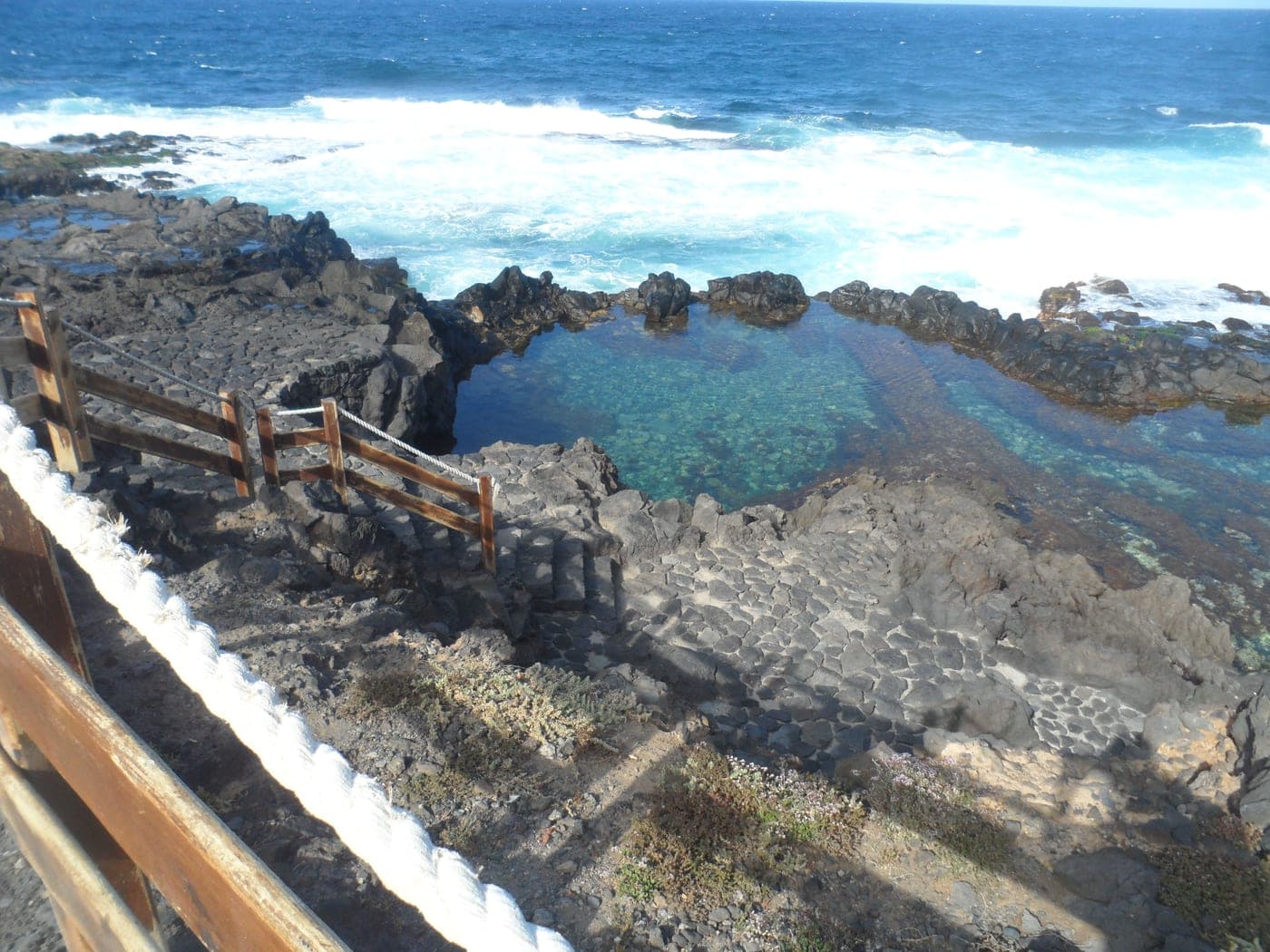
Secret Natural Pools in Tenerife: The Ones Not in the Guides
Tenerife's most secret natural pools: volcanic rock pools, hidden bathing spots and swimming holes known only to locals.

Rural Teno: Hiking, Masca and the Wild West of Tenerife
Discover the Teno massif: the Masca Ravine trail, rural villages, spectacular cliffs and Tenerife's westernmost lighthouse.