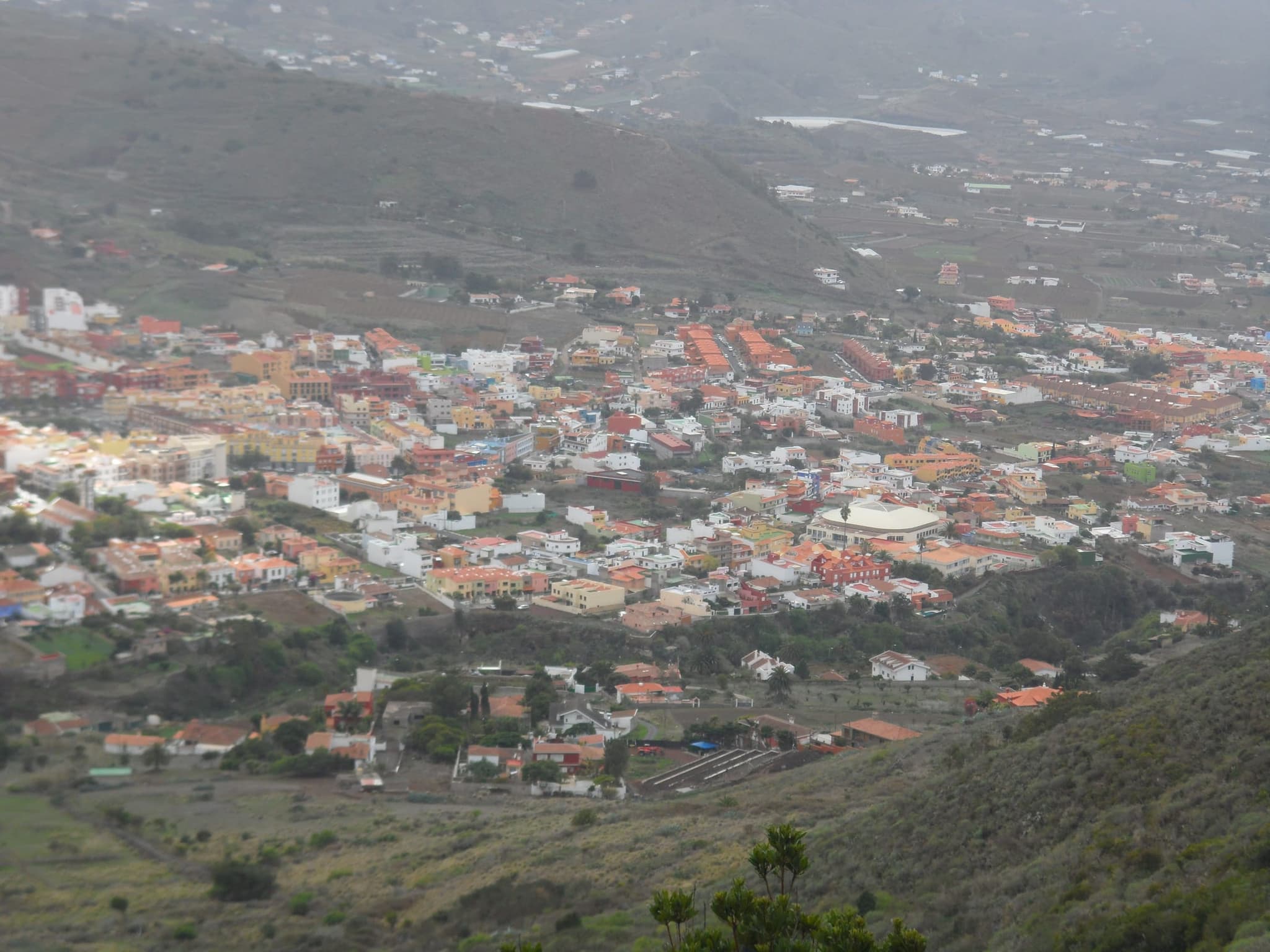
Tegueste
A rural municipality near La Laguna, known for its pilgrimages and wines.
History
Long before the Castilian conquest, the territory of Tegueste was one of the nine menceyatos into which Tenerife was divided, ruled by its own mencey (chief). Its importance is attested by one of the island's most valuable archaeological sites: the Barranco de Agua de Dios, and in particular the Los Cabezazos site, declared a Zone of Archaeological Heritage. Dwelling caves, funerary spaces and abundant tools have been documented there. Research by the University of La Laguna made public in 2024 dated at least six hundred years of continuous Guanche occupation in the Cueva de los Cabezazos, roughly between the mid-7th and the 13th century, with pottery, remains of consumed fauna, necklace beads, millstone fragments and awls that make it one of the richest sources for understanding aboriginal life in Tenerife.
During the conquest, the menceyato of Tegueste allied with Taoro and Tacoronte —and later with Icode and Daute— on the warring side, taking part in decisive battles such as Acentejo and Aguere. When the conquest concluded in 1496, some Guanches resisted in the mountains for years. After incorporation into the Crown of Castile, the Adelantado distributed land through datas among conquistadors and settlers; the area supplied timber at Pedro Álvarez and stone at El Portezuelo for the construction of neighbouring La Laguna.
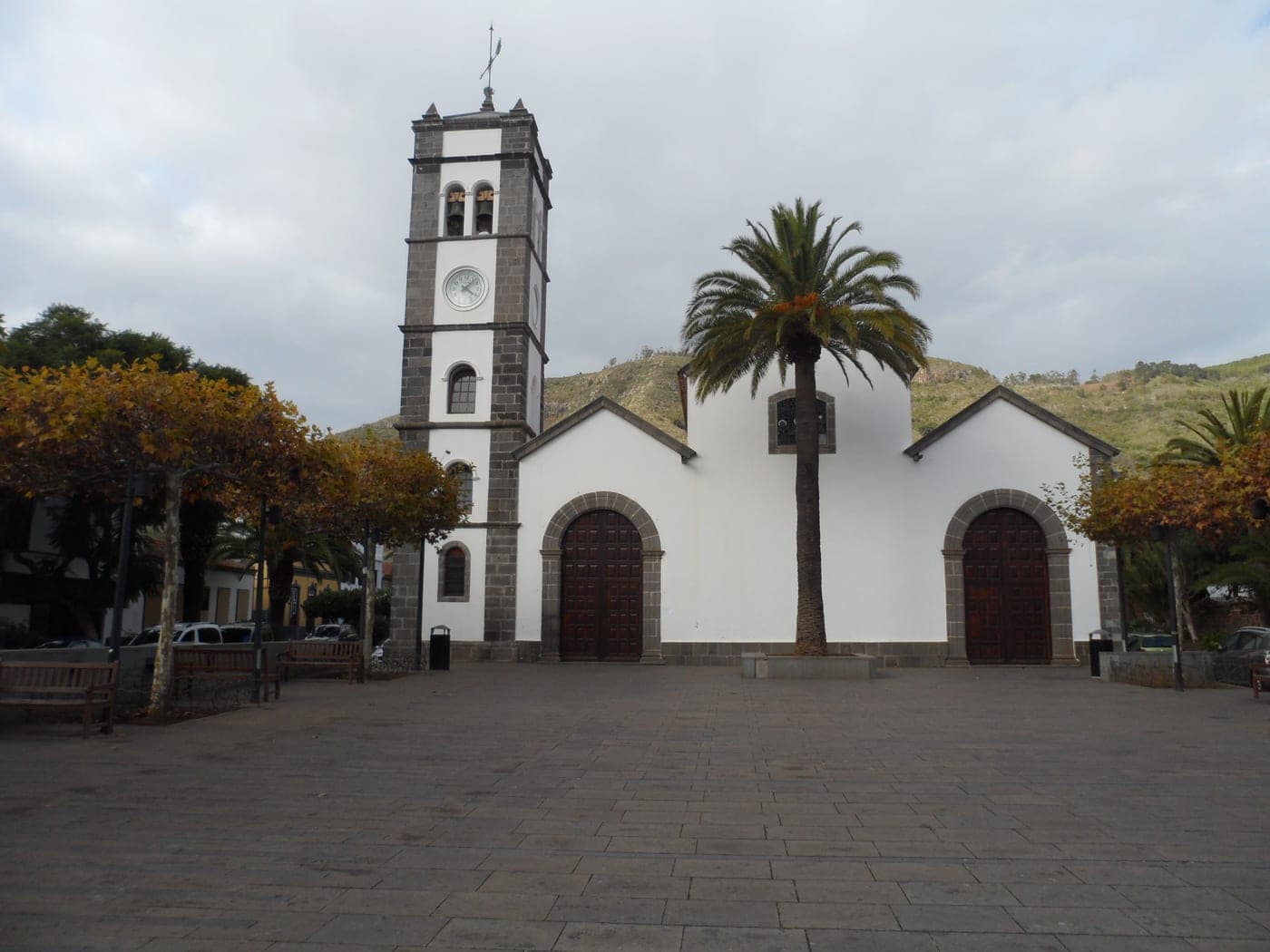
Religious and community life developed around San Marcos Evangelista (Saint Mark the Evangelist), to whom a first, modest church was dedicated around 1530. In 1606 San Marcos was established as a parish. The present church began to be built in 1699, was enlarged throughout the 18th century and completed in 1847; it has three naves in a Latin-cross plan and a slender tower. The historic ensemble surrounding it was declared a Site of Cultural Interest in 1986.
Politically and administratively, Tegueste was constituted as a constitutional municipality in 1813, under the Cortes of Cádiz. In the mid-19th century, the figure of Prebendado Pacheco promoted local education and infrastructure, building the town hall and cemetery. The Mendizábal disentailment and emigration, however, encouraged the concentration of land ownership and an absenteeism that hampered agricultural development for decades.
Tegueste has always been a deeply rural municipality, devoted to agriculture, livestock and the use of its woodlands. Its most recognisable hallmark is the vine: its vineyards belong to the Tacoronte-Acentejo Designation of Origin, the first wine Designation of Origin created in the Canary Islands, in 1992, famous for its young listán negro reds grown on the northern slope of Tenerife.
Geographically, Tegueste presents a singular peculiarity: it is completely surrounded by the municipality of San Cristóbal de La Laguna, with whose historic centre —a World Heritage Site— it maintains a close relationship. To the north, its mid-slopes climb towards the Anaga massif, of which the municipality shares a portion within the Anaga Rural Park, declared a Biosphere Reserve by UNESCO in 2015. Covering about 26.4 km², at around 550 metres of altitude and with nearly 11,500 inhabitants, Tegueste received the title of Villa (town) in 1996.
Today Tegueste combines its agricultural and wine-growing character with its role as a commuter town within the metropolitan area. It preserves remarkable traditional vitality, which culminates each spring in the famous Romería de San Marcos —one of the most popular in the archipelago— and is sustained throughout the year by its renowned Farmers' Market, a showcase for local produce.
Points of interest
Iglesia de San Marcos Evangelista
This is the monumental and spiritual heart of Tegueste. Dedicated to the municipality's patron saint, it succeeds a first modest church built around 1530; San Marcos was established as a parish in 1606. The present building began to rise in 1699, was enlarged during the 18th century and completed in 1847. It has a three-nave plan in a Latin cross —the central nave, the Nave of the Souls and the Nave of the Rosary— and a slender tower some twenty-five metres high that dominates the historic centre. Inside it preserves valuable religious sculpture and altarpieces. The urban ensemble around it was declared a Site of Cultural Interest in 1986. Every 25 April, the feast of Saint Mark, the church is the starting point of the massive Romería.
Barranco de Agua de Dios (yacimiento de Los Cabezazos)
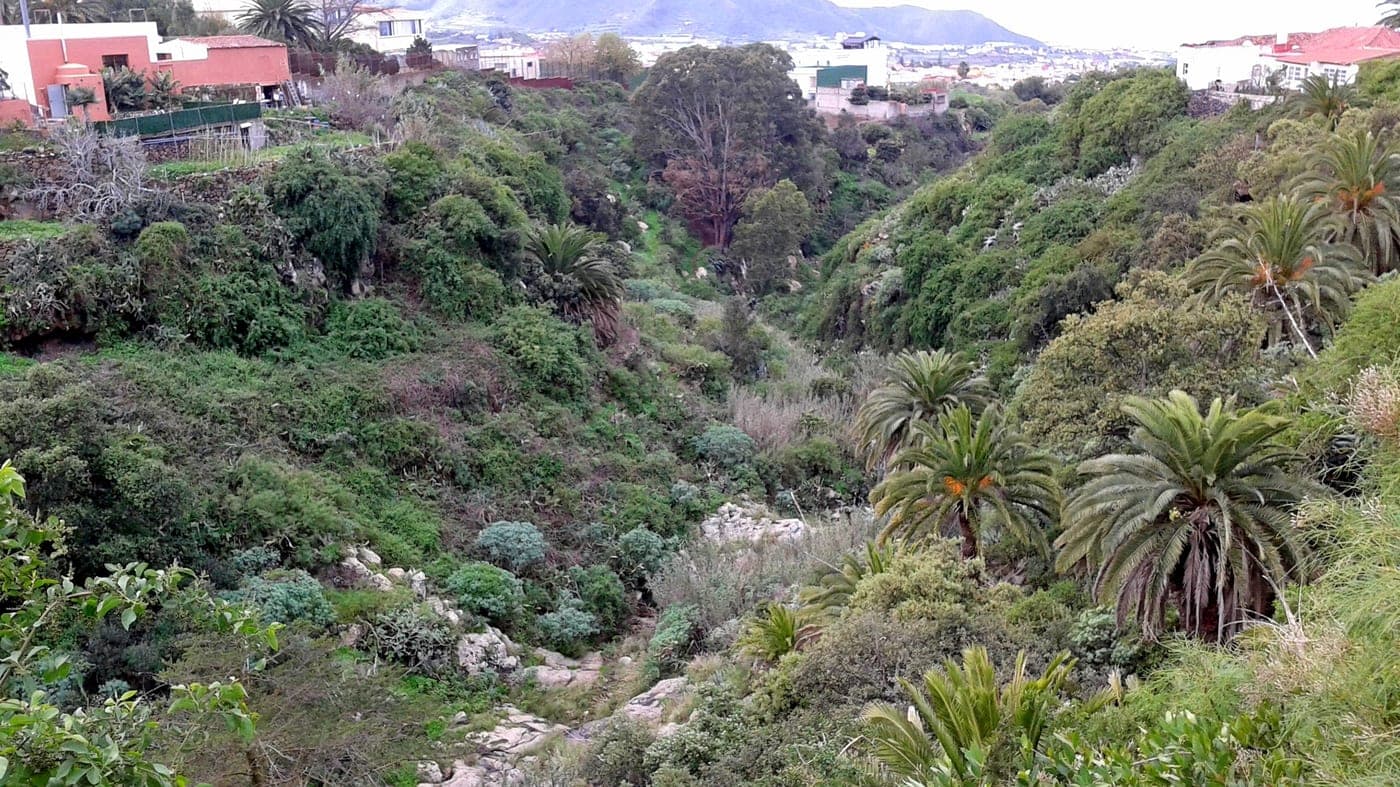
This ravine is one of the most important archaeological sites in Tenerife and living proof of the ancient menceyato of Tegueste. It contains the Los Cabezazos site, declared a Zone of Archaeological Heritage, where dwelling caves, funerary spaces and rock engravings are preserved. Excavations by the University of La Laguna made public in 2024 dated at least six hundred years of continuous Guanche occupation in the Cueva de los Cabezazos, between the mid-7th and the 13th century. Pottery, remains of consumed animals, necklace beads, millstone fragments and awls have appeared there, materials that make it one of the richest sources on the island's aboriginal life. The surroundings, of great natural value, also invite a walk on foot, with respect for their fragility.
Mercadillo del Agricultor de Tegueste
Opened in 2004, the Farmers' and Craftsmen's Market of the Villa de Tegueste has become one of the great gastronomic attractions of northern Tenerife and a social meeting point for the municipality. It opens on Saturday and Sunday mornings, generally from 8:00 to 14:00, next to the historic centre, opposite the Zamorano estate. It brings together dozens of local producers offering freshly harvested seasonal fruit and vegetables, organic products, artisan bread, wine from the Tacoronte-Acentejo Designation of Origin, meat, cheeses, honey, flowers and crafts. Its relaxed atmosphere, with a tasting area and children's playground, lets you chat with the farmers and experience first-hand Tegueste's rich agricultural tradition.
Parque Rural de Anaga
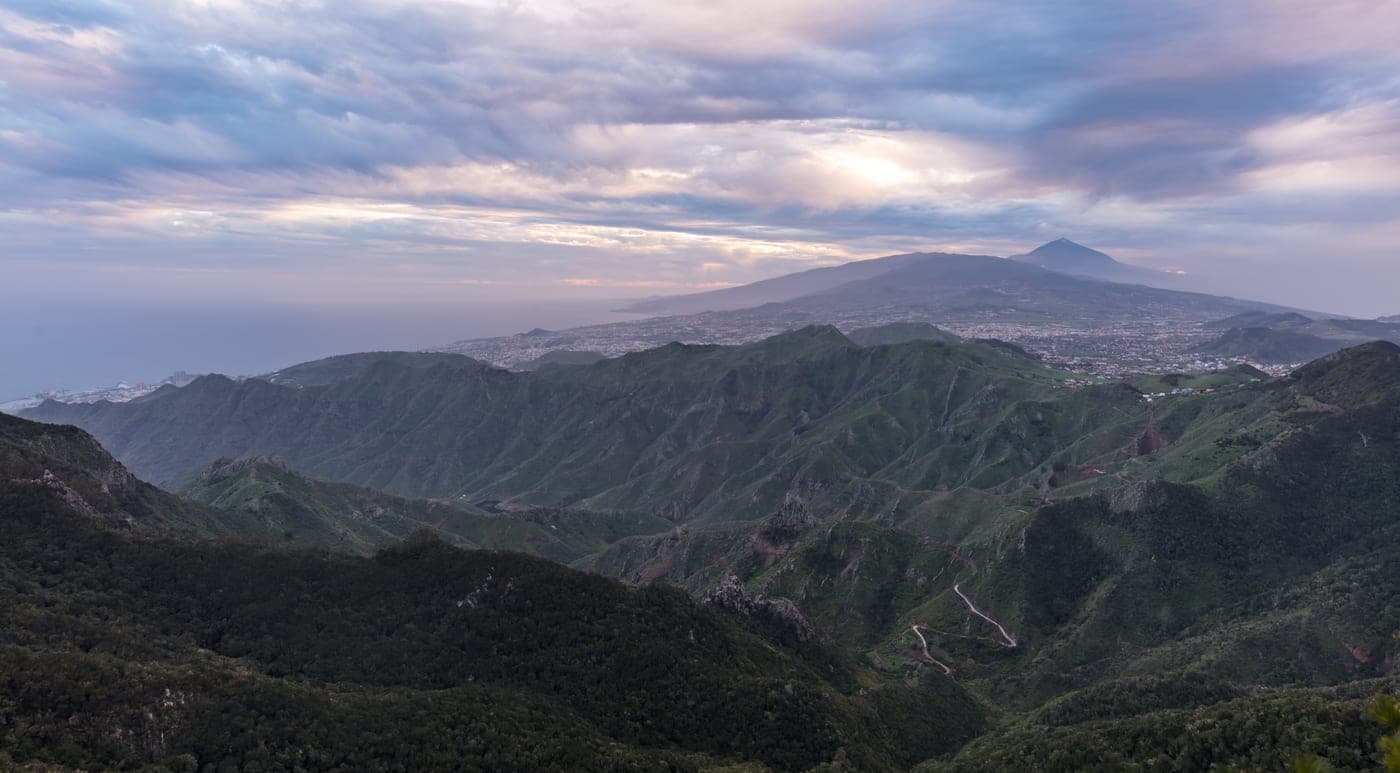
To the north, Tegueste's mid-slopes climb towards the Anaga massif, one of the oldest formations in Tenerife, which emerged between seven and nine million years ago. Tegueste shares a small portion of this protected area —around 6.5% of the Anaga Rural Park— together with Santa Cruz de Tenerife and La Laguna. Declared a Biosphere Reserve by UNESCO in 2015, Anaga stands out for its laurel forest (laurisilva), its rugged ravines and ridges, and an extraordinary biodiversity with numerous endemic species. A dense network of well-marked trails, accessible from Tegueste's mid-slopes such as Pedro Álvarez or Las Toscas, allows you to enter this humid-forest landscape and enjoy spectacular views over the valley and the coast.
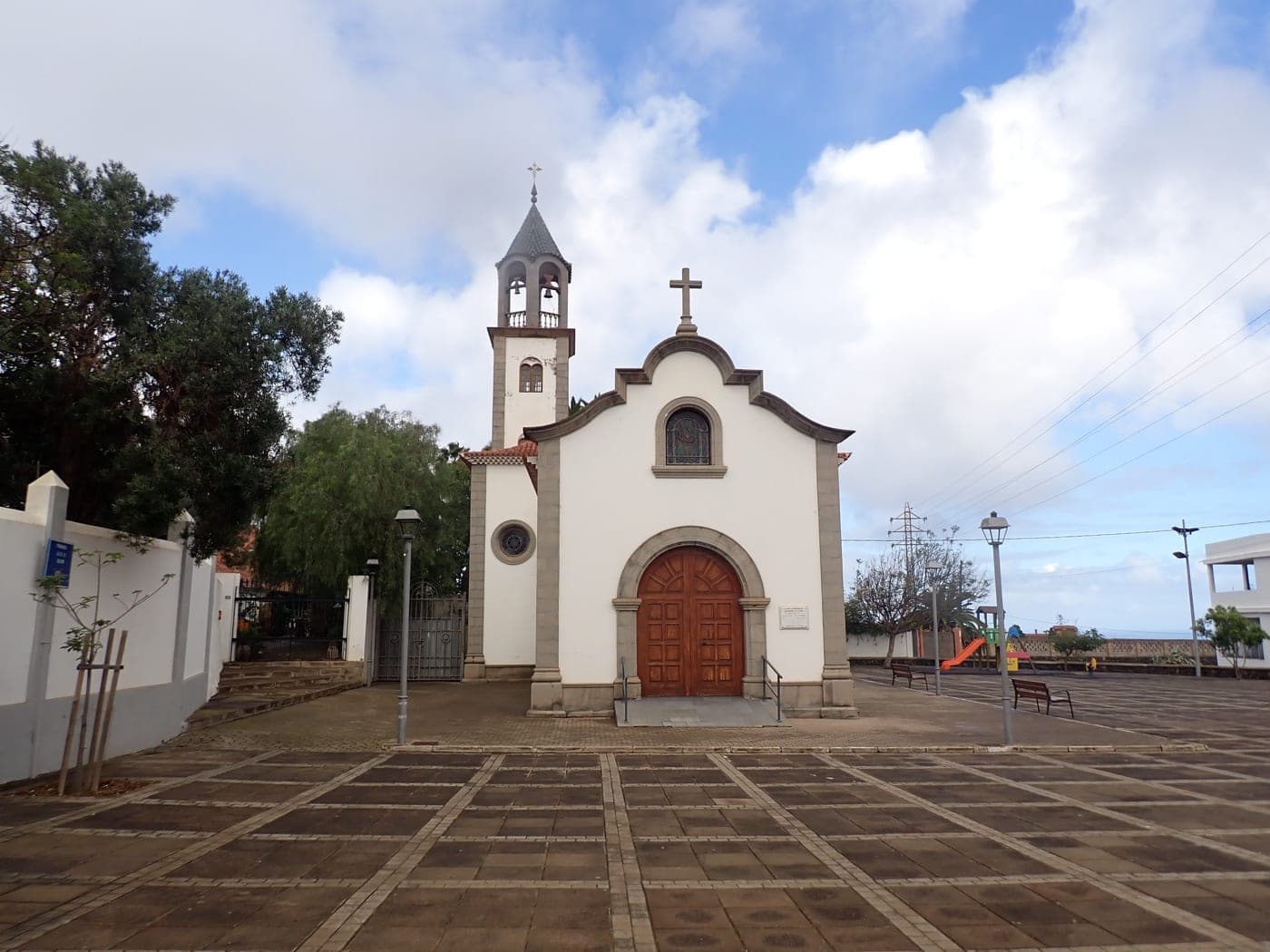
Iglesia de Nuestra Señora del Socorro
Located in the El Socorro neighbourhood, on the boundary between Tegueste and Tejina, this chapel was one of the great centres of Marian devotion in the district. It gained notable fame as a miraculous shrine, even rivalling the parish of San Marcos itself in wealth and veneration. Its cult grew especially strong from the 18th century onwards, driven by donations from the area's large landowners and, according to tradition, by the protection of the famous corsair Amaro Rodríguez Felipe, known as Amaro Pargo. Its festivities, held in late September in honour of the Virgen del Socorro, keep that old devotion alive and feature celebratory elements shared with nearby Tejina, in a rural setting of orchards and vineyards highly characteristic of Tegueste.
Viñedos de la D.O. Tacoronte-Acentejo
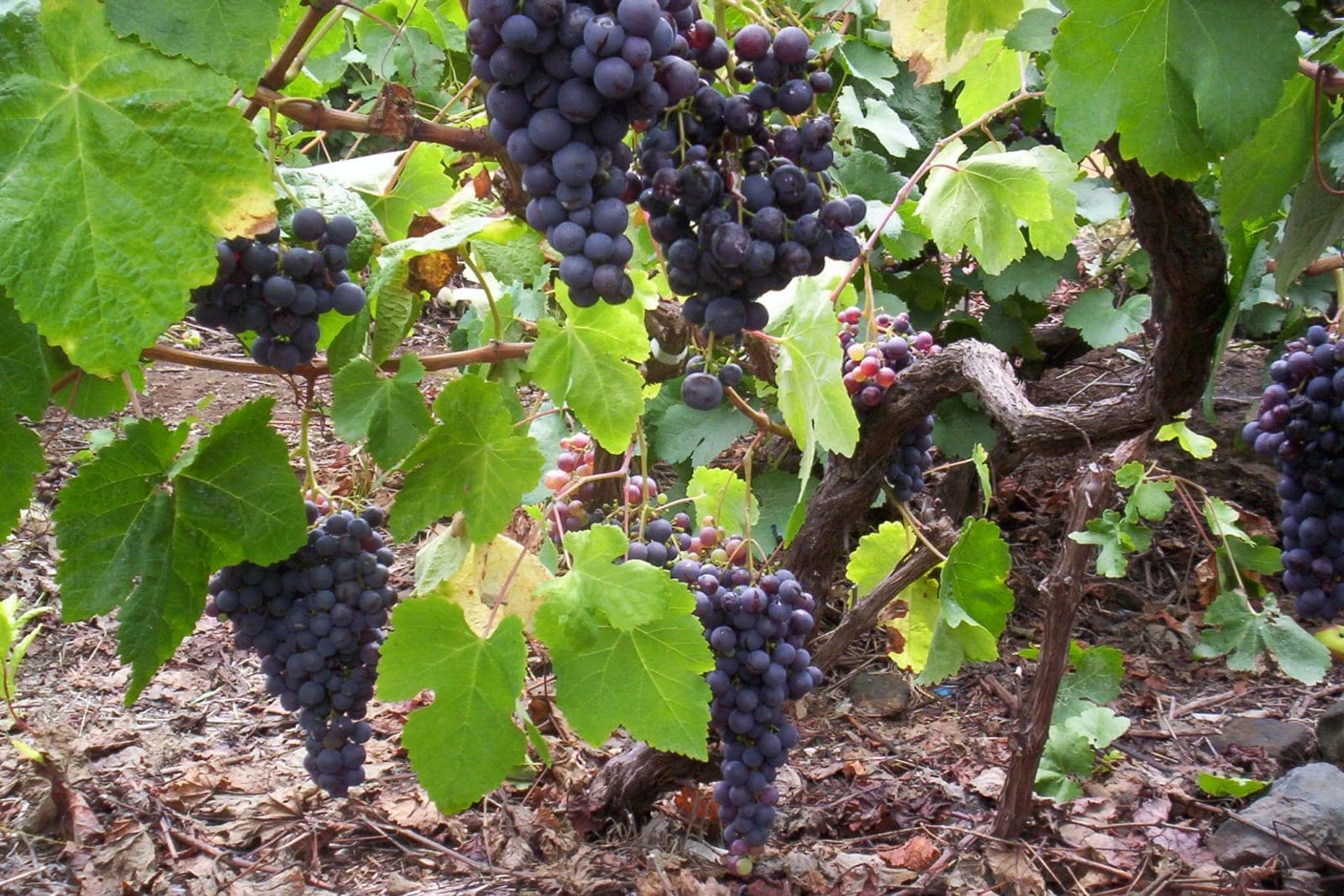
Tegueste's agricultural landscape is shaped by the vine. Its vineyards belong to the Tacoronte-Acentejo Designation of Origin, the first wine D.O. recognised in the Canary Islands, created in 1992. This designation extends across the northern slope of Tenerife, covering municipalities such as La Laguna, Tacoronte, El Sauzal, La Matanza, La Victoria, Santa Úrsula, El Rosario and Tegueste itself. Its flagship variety is listán negro, the basis of young, fruity reds with a volcanic character, accompanied by other grapes such as negramoll, tintilla and castellana. Walking the Tegueste mid-slopes among the vines, visiting its wineries and tasting its wines is one of the municipality's most authentic experiences, deeply linked to its rural identity and to celebrations such as the Romería de San Marcos.
Things to do in Tegueste
Where to eat in Tegueste
What to see in Tegueste
Official data
Published by the Cabildo de Tenerife and reused here unmodified.
Waymarked trails4
- PR-TF 12Cruz del Carmen - Bajamar10.5 km+182 mOn footlinear
- PR-TF 12.1Derivación a Tegueste (desde el Sendero PR TF 12)5.3 km+132 mOn footbranch
- Interpretado Autoguiado Circular Bosque de Los Enigmas4.8 km+233 mOn footcircular
- PR-TF 12.2Derivación a Pedro Álvarez (desde el Sendero PR TF 12)3.5 km+52 mOn footbranch
Recreation areas and viewpoints1
- La QuebradaRecreation area
Tourist office
- TeguesteOpenPlaza San Marcos, s/nDe Martes a Sábado: 08:00-14:30922316102
Listed heritage sites2
- BARRANCO DE AGUA DE DIOSArchaeological siteOfficial gazette
- TEGUESTEHistoric ensembleOfficial gazette
Source: Cabildo Insular de Tenerife · CC BY · data from 2026-08-01 · How we use open data
Folklore & traditions
Tegueste's great festive event is the Romería de San Marcos, considered one of the most traditional and best-attended in the Canary Islands. It is held on the last Sunday of April, around the patron saint's feast day on 25 April. In its current form it dates from 1969, when a group of Tegueste folklore enthusiasts gave it fresh impetus, though its roots lie in the old spring festivals. Thousands of people from all over the island accompany the spectacular decorated carts —Tegueste's distinctive hallmark— adorned with true mosaics made from grains such as wheat, barley, rice and poppy. Oxen, parrandas (folk music groups), pilgrims dressed in traditional Canarian costume and the offering of local produce pay homage to Saint Mark as protector of the fields and livestock, in a day that blends religious devotion, gastronomy and rural pride.
Tegueste also preserves other expressions of deep ethnographic value, such as the Danza de las Flores (Dance of the Flowers), of ancient origin, and the festivities of the Virgen del Socorro in late September. Very close by, in the neighbouring village of Tejina —which belongs to the municipality of La Laguna— the famous Corazones de Tejina (Hearts of Tejina) are raised each August for Saint Bartholomew: enormous heart-shaped structures, up to twelve metres tall and weighing hundreds of kilos, decorated by hand with flowers, fruit, sweets and breads by the three neighbourhoods (El Pico, Calle Arriba and Calle Abajo). Declared a Site of Cultural Interest in 2003, they are one of the district's great festive landmarks and a perfect complement to a visit to Tegueste.
Tegueste's identity is rounded off at the table and in the winery. The wine of the Tacoronte-Acentejo Designation of Origin, with its listán negro, accompanies a simple, flavourful cuisine based on produce from the orchards and the Farmers' Market: potatoes with gofio, meats, cheeses, honey, seasonal fruit and traditional sweets. Eating and drinking in Tegueste is, in itself, a way to discover its rural character, its attachment to the land and the traditions that spring revives every year to the rhythm of the carts.
Photos: Noemi M.M (User:Martely) (CC BY-SA 3.0) · Noemi M.M (User:Martely) (CC BY-SA 3.0) · Wmclupe2 (CC BY-SA 4.0) · Diego Delso (CC BY-SA 4.0) · Patrice78500 (CC BY-SA 4.0) · Wikimedia Commons