Santiago del Teide
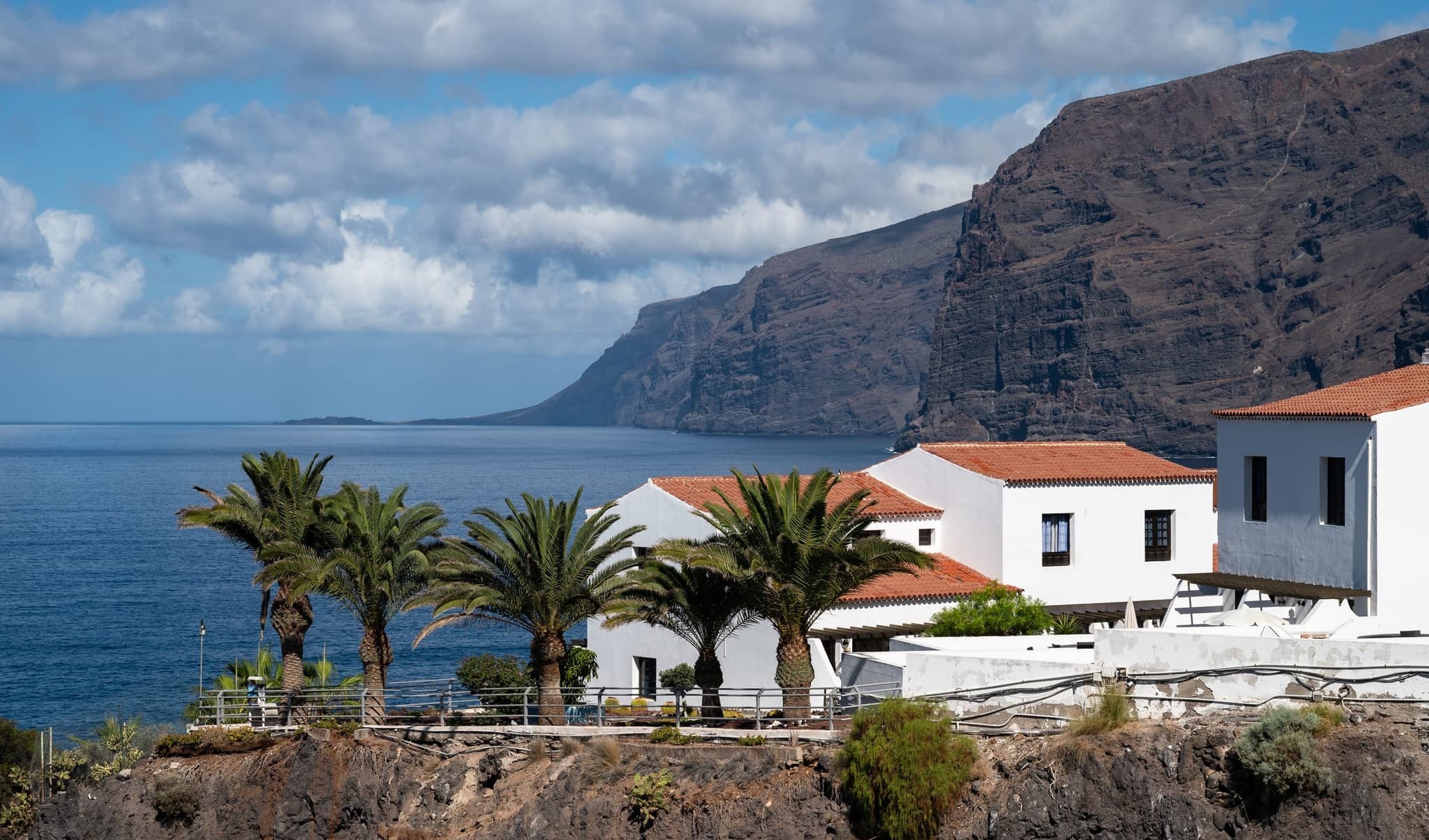
Los Gigantes et ses falaises impressionnantes, le village de Masca et un ouest sauvage entre mer et montagne.
Histoire
Bien avant la conquête castillane, les terres de l'actuelle commune de Santiago del Teide étaient habitées par les anciens Canariens, les Guanches. La vallée de Santiago s'intégrait au menceyato d'Adeje, l'un des neuf royaumes aborigènes en lesquels se divisait Tenerife, dans un secteur limitrophe du puissant menceyato de Daute, qui dominait tout le massif de Teno à l'extrémité nord-ouest de l'île. De ce peuplement pastoral subsistent de nombreux toponymes guanches qui nomment encore le territoire : Arguayo, Bilma, Cherfe, Chinyero, Chimayachi, Sámara ou Tamaimo. C'étaient des terres de bergers et de medianías élevées, où l'eau et la montagne marquaient le rythme de la vie.
Après la conquête de Tenerife, achevée en 1496, l'adelantado Alonso Fernández de Lugo procéda au partage des terres. En 1503, don Diego, ancien mencey d'Adeje déjà baptisé, reçut cent fanègues dans le lieu-dit alors appelé Taxo. Au milieu du XVIe siècle, la vallée de Santiago était encore un lieu dépeuplé : vers 1552, elle comptait à peine une douzaine d'habitants dispersés dans des hameaux. À côté de l'agriculture naissante, la principale activité économique de ces premiers temps fut l'extraction de poix (brai) des pinèdes pour calfater les navires, que l'on exportait par les ports de Garachico et d'Adeje vers Lisbonne et Cadix.
Le grand jalon institutionnel vint au XVIIe siècle. Par décret royal du 3 juillet 1663, Fernando del Hoyo Solórzano obtint la seigneurie de la vallée de Santiago, avec juridiction civile et criminelle, en échange de servir la Couronne avec plusieurs milliers de ducats d'argent. Le nouveau seigneur fit ériger entre 1665 et 1668 la Casa del Patio, l'ensemble historique le plus remarquable de la commune, et favorisa la création de la paroisse de San Fernando Rey, érigée le 9 septembre 1679 sur l'ancienne chapelle dédiée à l'apôtre saint Jacques. Autour de ce noyau se consolida le hameau, voué aux céréales, à la pomme de terre et, tout particulièrement, à l'amandier, qui tapissa de blanc les versants et devint l'emblème de la vallée.
L'épisode qui marqua à jamais la mémoire collective fut l'éruption du volcan Chinyero, qui débuta le 18 novembre 1909 et se prolongea un peu plus d'une semaine. Ce fut la dernière éruption enregistrée à Tenerife jusqu'à aujourd'hui et celle qui émit le moins de lave parmi toutes celles connues aux Canaries, mais sa progression menaça directement les cultures et les maisons de Valle de Arriba et de Las Manchas. Face au danger, les habitants sortirent en rogation l'image du Très-Saint Christ de la Vallée et, selon la tradition profondément ancrée dans le village, la coulée arrêta sa progression, ce qui fut interprété comme un miracle qui sauva le village de la destruction. Chaque année, une procession commémore ces faits et la foi collective qui, dans le sentiment populaire, arrêta la lave.
Déjà au XXe siècle, la commune changea de physionomie. Le nom officiel passa de Valle de Santiago à Santiago del Teide le 2 juillet 1916. La route de contournement de l'île arriva vers 1930 et la galerie de San Fernando, inaugurée en 1957, garantit l'eau qui permit d'étendre les cultures. Mais la véritable transformation vint de la côte : à partir de 1960, la découverte touristique des imposantes falaises de Los Gigantes catalysa le développement de la frange littorale. Ainsi naquirent les noyaux de Los Gigantes, Puerto de Santiago et Playa de la Arena, qui transformèrent une commune agricole et de medianías en une destination touristique de premier ordre.
Aujourd'hui, Santiago del Teide vit de ce double visage : celui des medianías volcaniques, des amandiers en fleur, de la céramique guanche d'Arguayo et des sentiers du Chinyero et de Teno, et celui d'une côte ensoleillée aux eaux profondes au pied de la plus grande muraille marine des Canaries. Un territoire qui sait conjuguer la mémoire aborigène et seigneuriale avec un présent ouvert au visiteur.
Points d'intérêt
Acantilados de Los Gigantes
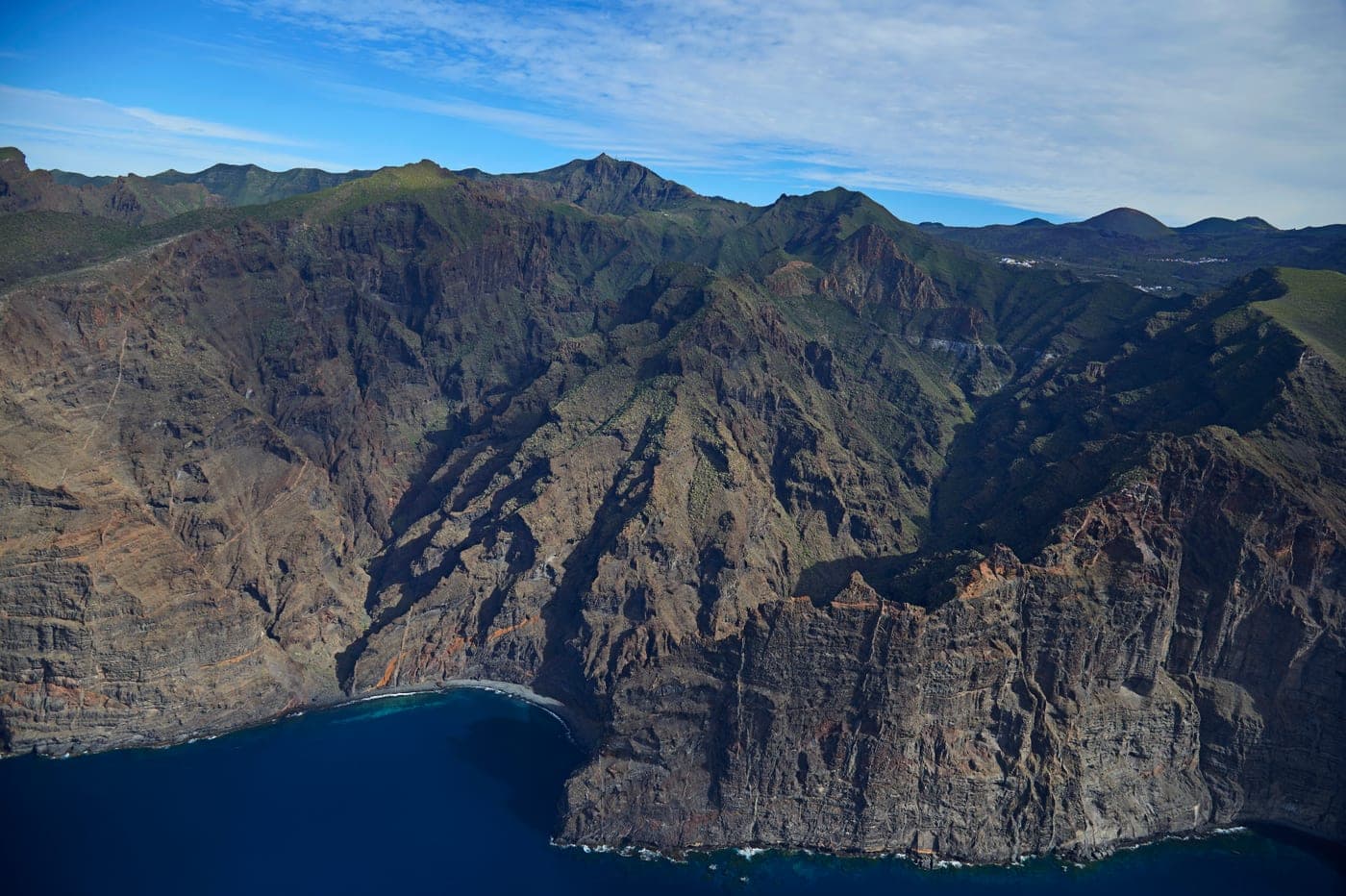
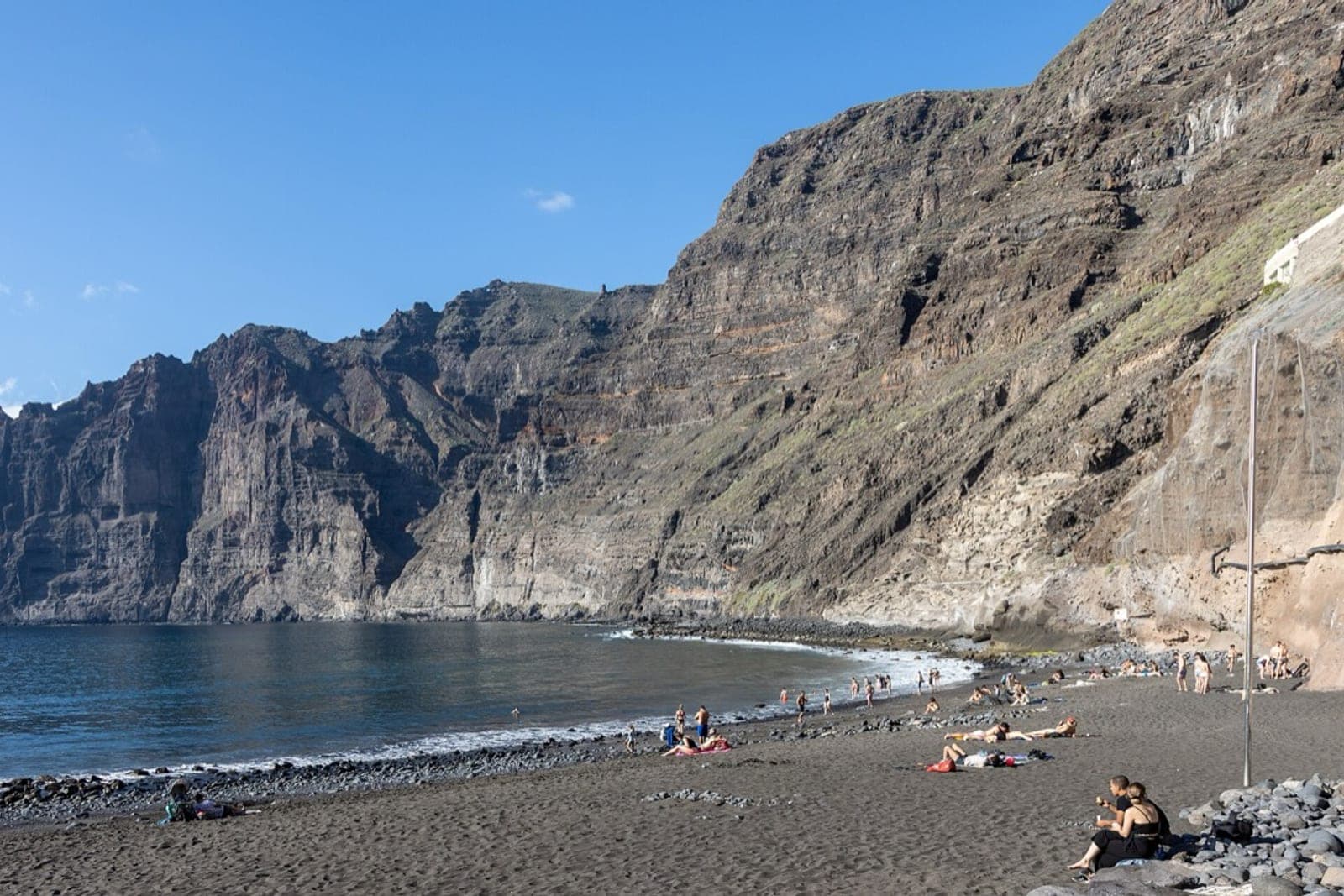
Les Acantilados de Los Gigantes sont les plus hautes des Canaries : une muraille de roche colossale qui plonge verticalement dans l'Atlantique, avec des hauteurs avoisinant les 450 mètres en moyenne et dépassant les 600 mètres par endroits. Elles forment le flanc sud-ouest du massif de Teno, l'un des trois secteurs les plus anciens de Tenerife, surgi il y a des millions d'années. Les anciens Guanches les appelaient la Muraille de l'Enfer en raison de leur caractère infranchissable. À leurs pieds, le fond marin recèle une grande richesse naturelle et des eaux profondes qui attirent plongeurs et pêcheurs. La meilleure façon de les admirer est depuis la mer, lors d'une excursion en bateau, ou depuis les belvédères du Puerto de Santiago, en contemplant comment la lumière change leur teinte dorée tout au long de la journée.
Volcán Chinyero
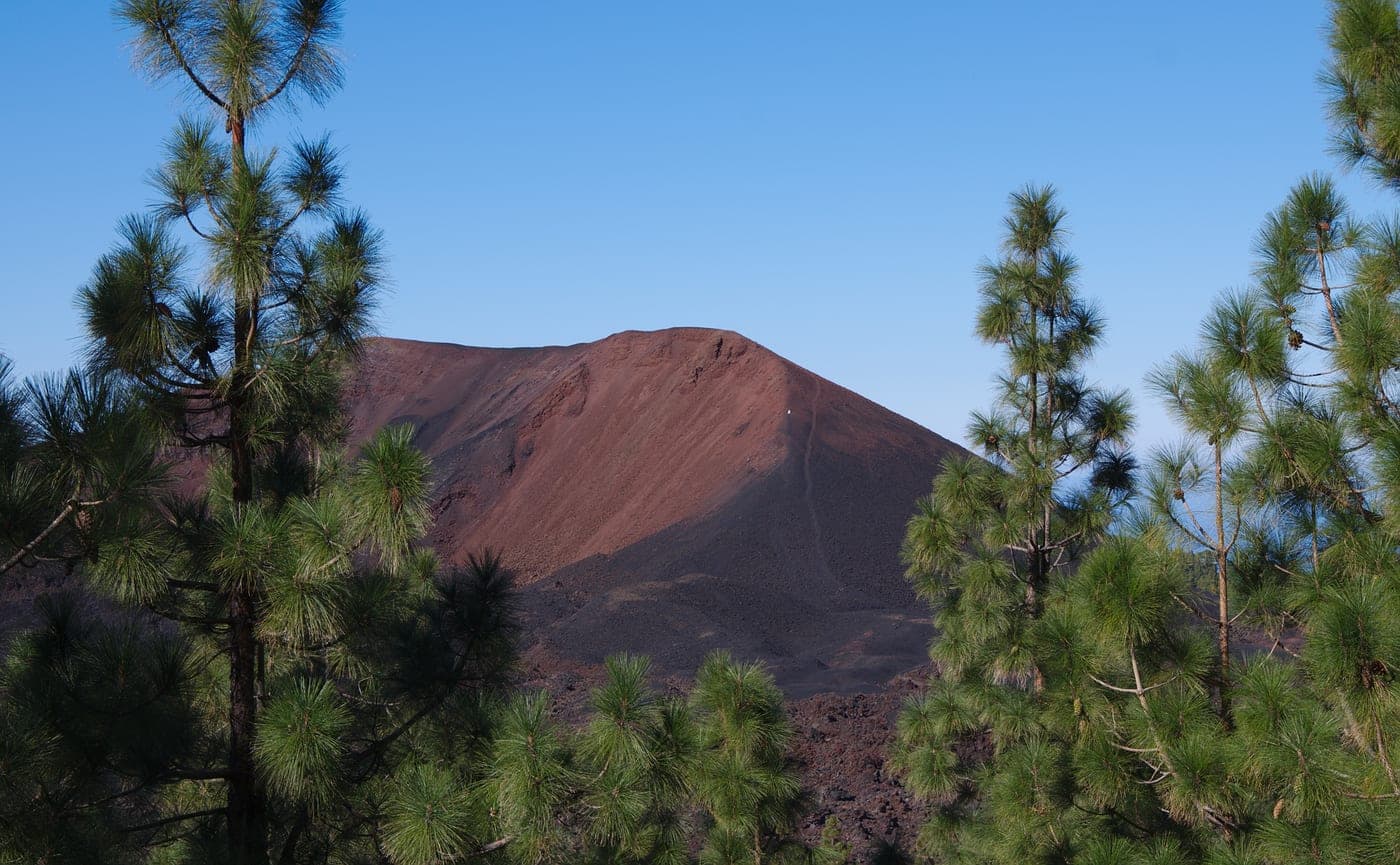
Le Chinyero fut le théâtre de la dernière éruption volcanique de Tenerife, débutée le 18 novembre 1909 et d'un peu plus d'une semaine de durée. Ce fut celle qui émit le moins de lave parmi les éruptions historiques des Canaries, mais ses coulées avancèrent vers le sud, menaçant les cultures et les maisons de Valle de Arriba et de Las Manchas, jusqu'à ce que, selon la tradition, elles s'arrêtent après la sortie en rogation du Très-Saint Christ de la Vallée. Aujourd'hui, le cône et ses coulées sont protégés au sein de la Réserve naturelle spéciale du Chinyero, d'environ 2 380 hectares répartis entre Santiago del Teide, El Tanque et Garachico. Un sentier circulaire parcourt le malpaís entre les pins canariens, montrant comment la nature recolonise peu à peu la roche noire.
Mirador de Cherfe
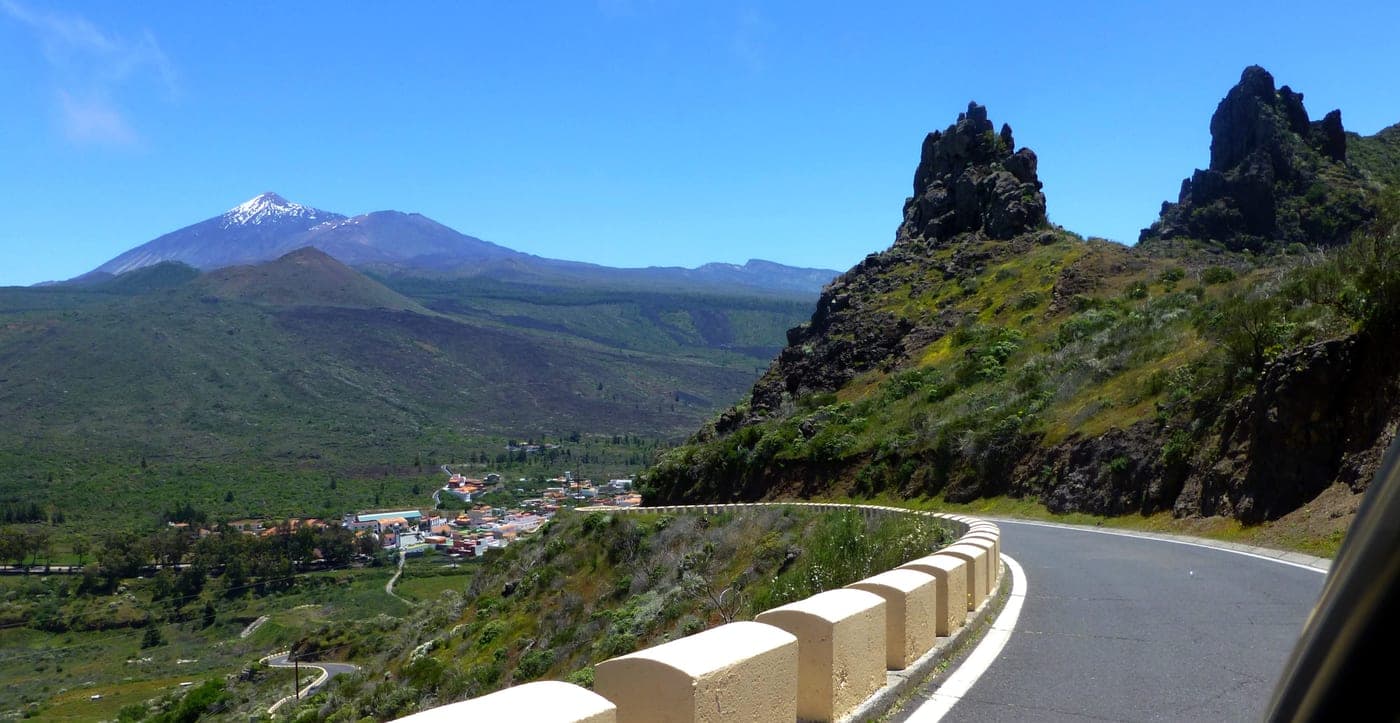
Perché à environ 1 100 mètres d'altitude sur la Degollada de Cherfe, ce belvédère est l'un des balcons panoramiques les plus spectaculaires de l'ouest de Tenerife. Il marque le passage entre Santiago del Teide et Buenavista del Norte, le long de la route qui descend vers le hameau de Masca (appartenant à Buenavista del Norte). De là, on contemple un paysage double et contrasté : d'un côté, le volcanisme récent du Teide-Pico Viejo et le cône du Chinyero présidant la verte vallée de Santiago ; de l'autre, les ravins abrupts de l'ancien massif de Teno, sculptés par l'érosion durant des millions d'années. Par temps clair, les îles de La Gomera et de La Palma se profilent à l'horizon sur l'Atlantique. C'est une halte incontournable au cœur du Parc rural de Teno.
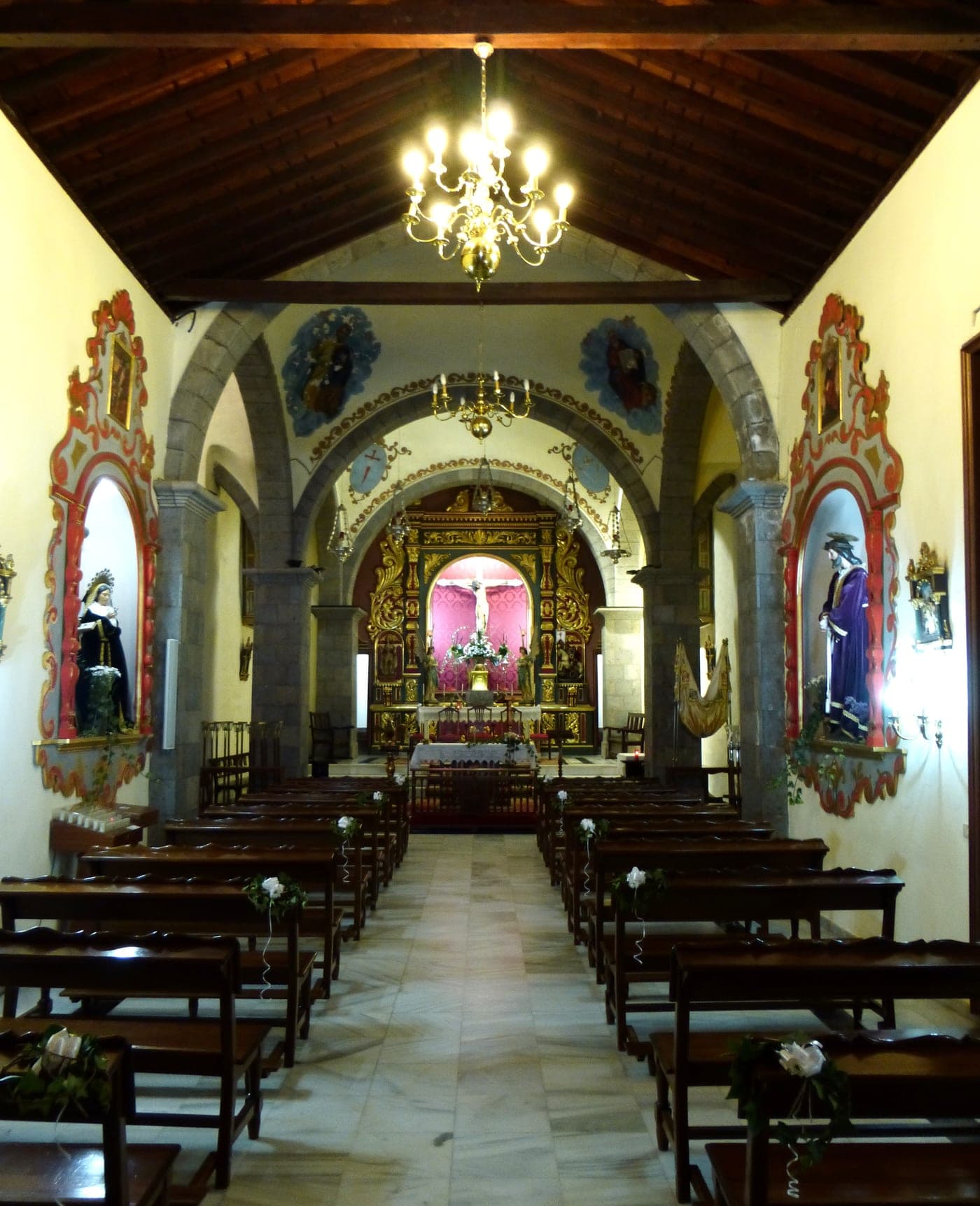
Iglesia de San Fernando Rey
L'église paroissiale de San Fernando Rey préside la place centrale de Santiago del Teide, à côté de la mairie. Son origine remonte à la fin du XVIIe siècle : la paroisse fut érigée le 9 septembre 1679 à l'initiative de Fernando del Hoyo Solórzano, seigneur de la Vallée, sur l'ancienne chapelle dédiée à l'apôtre saint Jacques. De plan rectangulaire et à nef unique, elle présente une coupole hémisphérique, une façade en blanc et gris, un beau balcon en bois de tradition canarienne et un clocher-mur surmonté de la croix. Dans son maître-autel est vénérée l'image du Très-Saint Christ de la Vallée, protagoniste de la rogation de 1909 qui, selon la tradition, arrêta les coulées du Chinyero. C'est le cœur spirituel de la commune et le théâtre de ses principales célébrations religieuses.
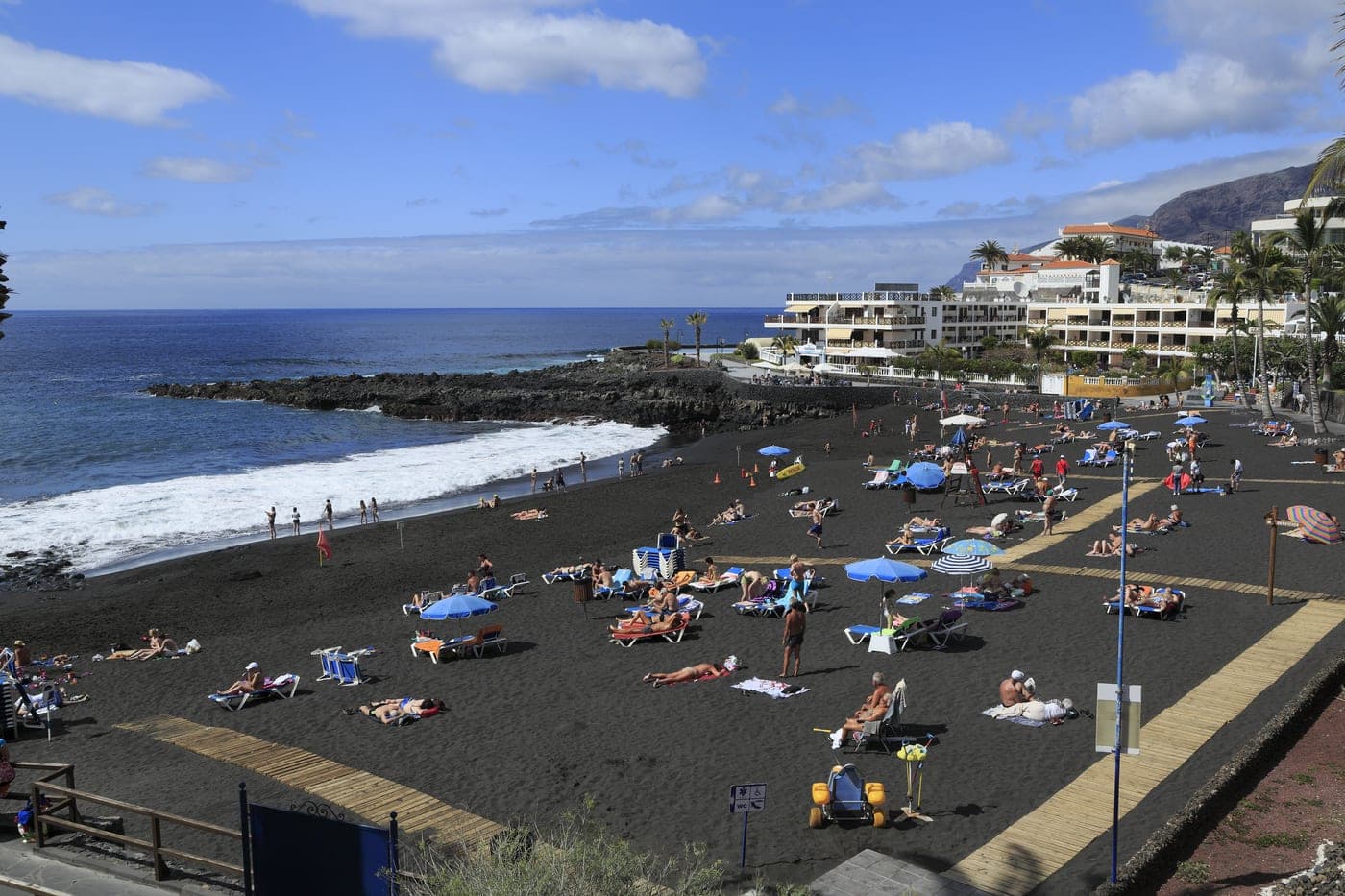
Puerto de Santiago y Playa de la Arena
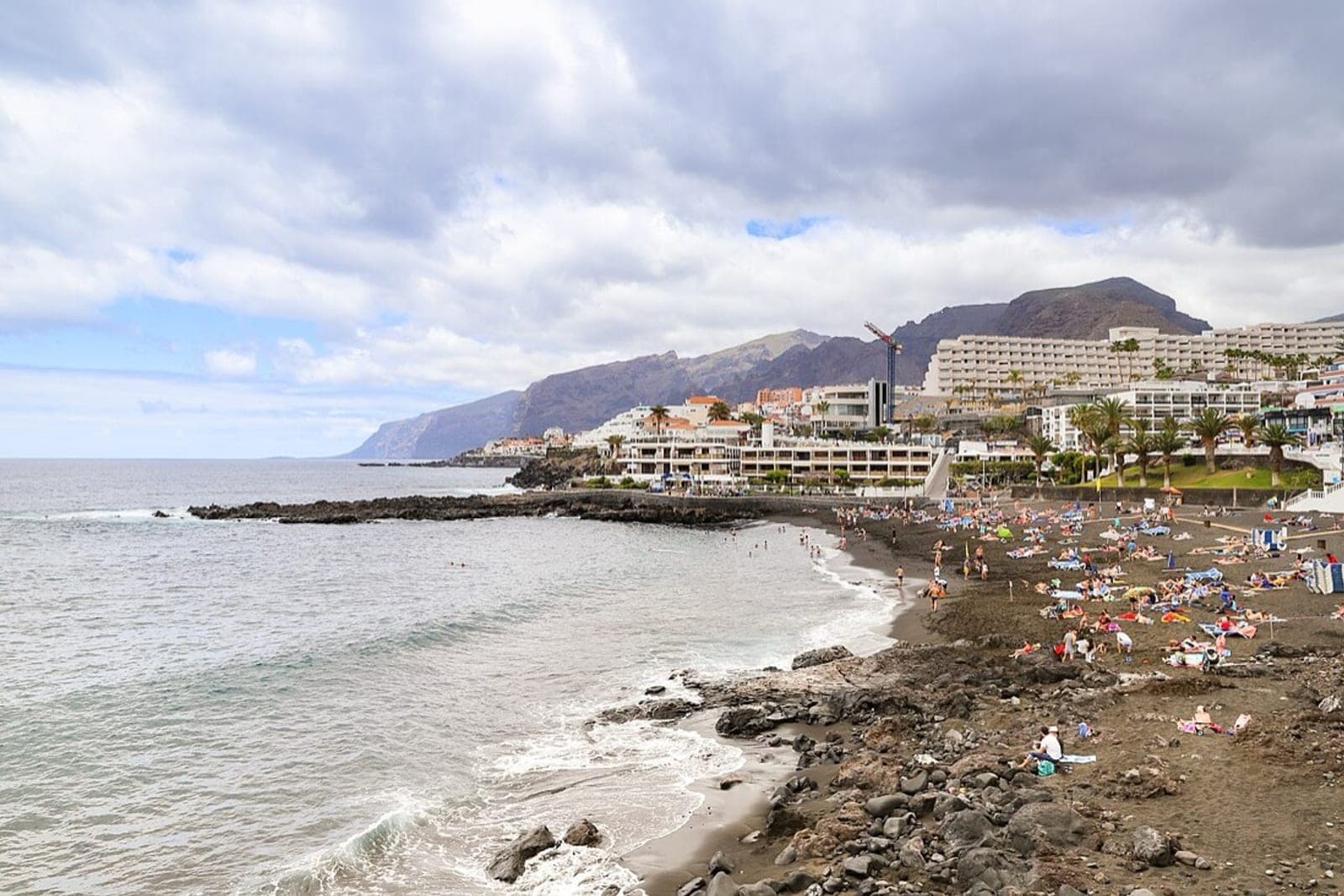
Sur la frange côtière de la commune, Puerto de Santiago conserve la saveur d'un ancien village de pêcheurs aux côtés d'un littoral aujourd'hui pleinement touristique, au pied des falaises de Los Gigantes. Son joyau est la Playa de la Arena, une crique abritée de sable noir volcanique encadrée de rochers, récompensée à plusieurs reprises par le Pavillon Bleu pour la qualité de ses eaux et de ses services. C'est un site idéal pour la baignade, le soleil et les sports nautiques, avec un climat doux tout au long de l'année. Depuis ses promenades maritimes et ses belvédères, comme celui d'Archipenque, on obtient des vues privilégiées sur la grande muraille de Los Gigantes. Une succession de restaurants de poisson frais complète l'attrait de cette côte ensoleillée du sud-ouest de Tenerife.
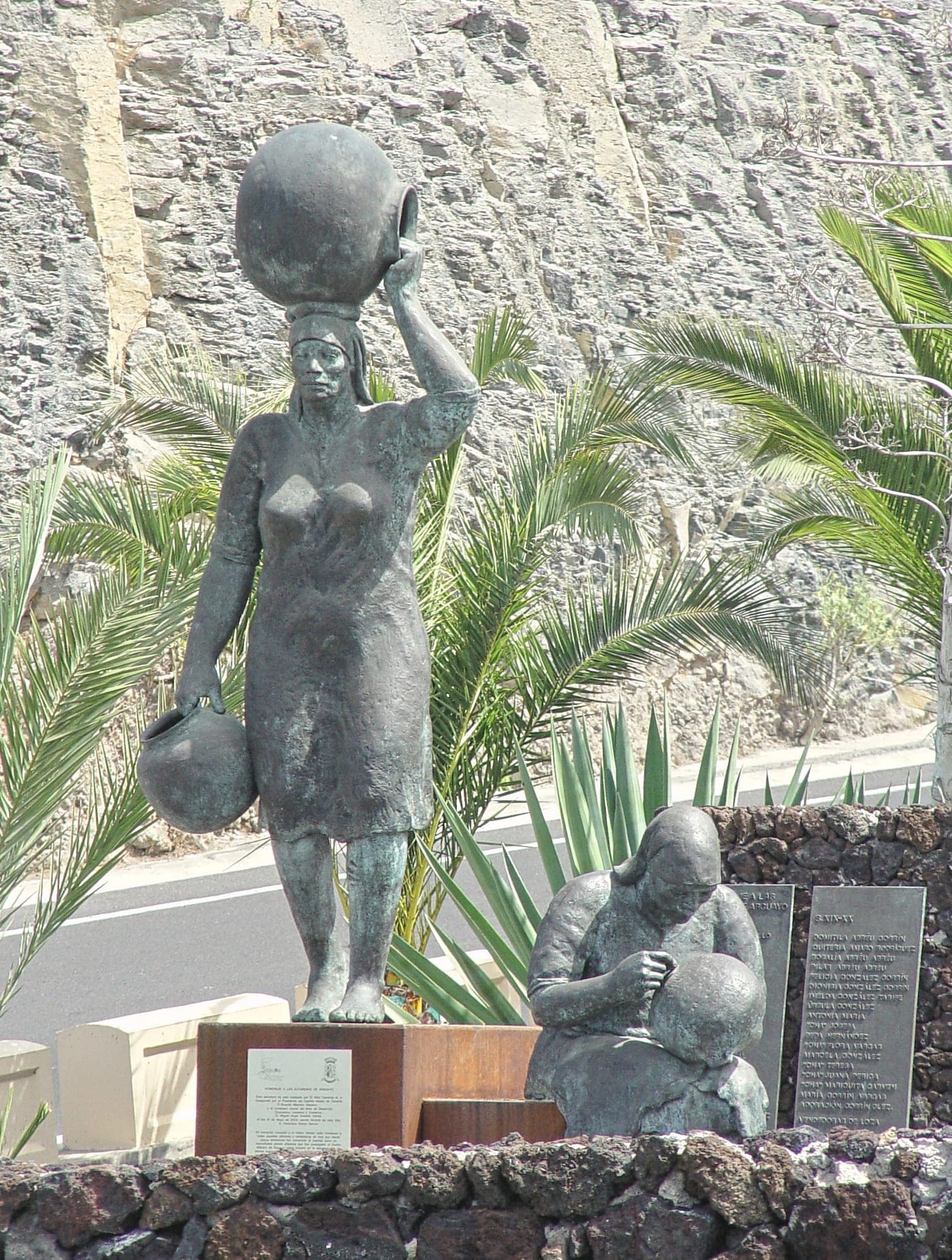
Arguayo
Arguayo est un petit village de medianías, ancien établissement de bergers guanches antérieur à l'arrivée des Castillans, situé à environ cinq kilomètres du bourg de Santiago del Teide, près du rocher du même nom. Il conserve avec fierté l'une des traditions les plus singulières de l'île : la poterie sans tour, d'origine aborigène, élaborée historiquement par des femmes. Son grand emblème est le Centre potier et Musée ethnographique Cha Domitila, fondé en 1986 et baptisé en l'honneur de l'une des potières les plus célèbres du lieu, où l'on continue de modeler à la main des pièces fidèles aux formes guanches : tasses, bernegales, gánigos, torréfacteurs et lebrillos. Entouré d'amandiers et de vignobles, Arguayo est la porte d'entrée vers la culture ancestrale de la commune et vers les sentiers menant au Chinyero.
Carte de Santiago del Teide
Que faire à Santiago del Teide
Où manger à Santiago del Teide

À voir à Santiago del Teide
Données officielles
Publiées par le Cabildo de Tenerife et reprises ici sans modification.
Sentiers balisés11
- BC-1Ruta Forestal del Norte84.8 km+4600 mVélo et chevallinéaire
- PR-TF 51San José de Los Llanos - Punta de Teno22.6 km+933 mÀ piedlinéaire
- PR-TF 43Garachico - Chinyero18.7 km+1810 mÀ piedlinéaire
- VM-20Pista de Arenas Negras y Pista de Montaña Cascajo14.2 km+812 mVéhicules à moteur
- BC-3Pinar de Chío9.3 km+306 mVélo et chevallinéaire
- Circular Erjos - Monte del Agua, por Fuente Los Loros9.3 km+758 mÀ piedcirculaire
et 5 de plus
Aires de loisirs et belvédères2
- Los PoleosBelvédère
- Los PoleosBelvédère
Office de tourisme
- Playa de la ArenaOuvertCtro. Com. Seguro de Sol, Avda. Marítima. Playa la ArenaDe Lun. a Vie. 07:30 - 15:00. Julio, agosto y septiembre: de Lun. a Vie. 07:30-14:00922860348
- Santiago del TeideOuvertAvenida la Iglesia, Santiago del Teide.Lunes a viernes 7:30-14:00h922839220
Biens d’intérêt culturel1
- CASA DEL PATIOMonumentJournal officiel
Source: Cabildo Insular de Tenerife · CC BY · données du 2026-08-01 · Comment nous utilisons les données ouvertes
Folklore & traditions
Le calendrier festif de Santiago del Teide gravite autour de la dévotion au Très-Saint Christ de la Vallée, dont l'image est vénérée dans l'église de San Fernando Rey. La tradition la plus émouvante naît de l'éruption du Chinyero de 1909 : lorsque les coulées menaçaient les hameaux, les habitants sortirent le Christ en rogation et, selon la croyance populaire fermement ancrée, la lave s'arrêta. Depuis lors, une procession et un pèlerinage commémorent chaque année cet événement et la foi collective considérée comme salvatrice du village. À ces célébrations s'ajoutent les fêtes en l'honneur de sainte Anne à Tamaimo et celles de Valle de Arriba, dédiées au Très-Saint Christ de la Vallée et à la Vierge de l'Étoile, avec leur ambiance caractéristique de pèlerinage canarien, costumes traditionnels, charrettes et offrande des produits de la terre.
La fête la plus singulière de la commune est, sans aucun doute, la Campagne de l'Amandier en Fleur, qui se célèbre entre fin janvier et février, lorsque les medianías de Santiago del Teide, Tamaimo, Valle de Arriba et Arguayo se couvrent du manteau blanc et rosé des amandiers. Pendant des semaines sont programmés des randonnées guidées, des marchés artisanaux, des concerts, des expositions, des concours de photographie et des routes gastronomiques qui mettent l'amande à l'honneur. C'est une célébration qui unit paysage, culture et tradition agricole, attirant de nombreux visiteurs venus contempler la floraison.
L'identité culturelle se complète par l'artisanat et la gastronomie. À Arguayo subsiste la poterie guanche sans tour, modelée à la main avec des techniques ancestrales au Centre potier Cha Domitila, l'un des joyaux ethnographiques de Tenerife. À table, les produits de l'amandier brillent dans les douceurs traditionnelles et dans les plats de la cuisine canarienne des medianías : potages, viande de chèvre, gofio, fromages et vins locaux, arrosés de la saveur d'une terre de bergers et d'agriculteurs qui a su conserver ses racines.
Photos: Tuxyso (CC BY-SA 4.0) · Wouter Hagens (CC BY-SA 4.0) · El Grafo (CC BY-SA 4.0) · Edgar El (CC BY 3.0) · Zitumassin (CC BY-SA 4.0) · Falk Arnhold (Falk2) (CC BY-SA 4.0) · Cb22hh (CC BY-SA 3.0 ES) · Wikimedia Commons