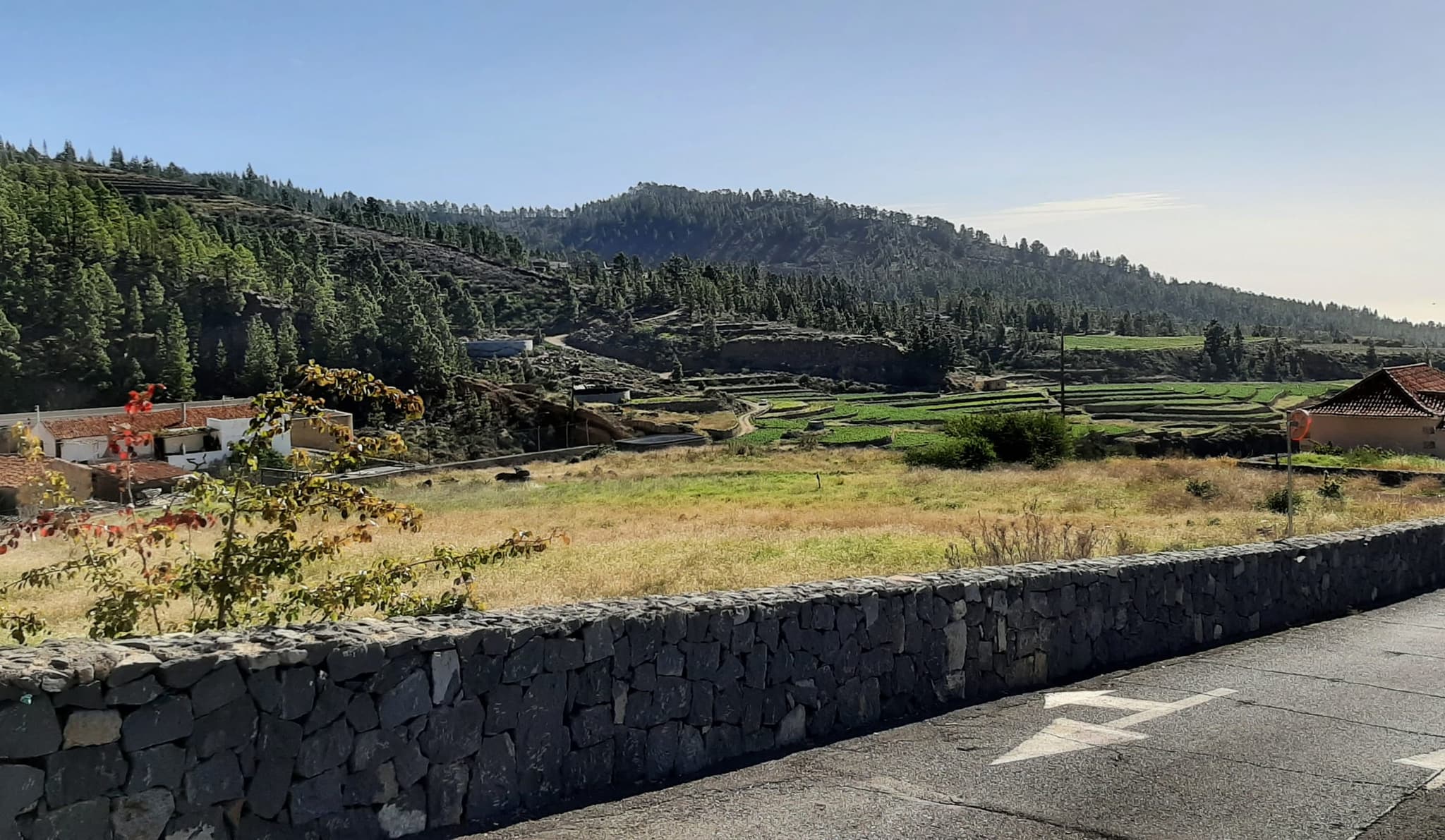
Vilaflor
The highest village in Spain, the southern gateway to Teide among pine forests and vineyards.
History
Long before the Castilian conquest, the highlands now occupied by Vilaflor de Chasna formed part of the menceyato of Abona, one of the nine Guanche kingdoms into which Tenerife was divided. The word "Chasna", of aboriginal origin, gives its name to this whole southern district of the island and has been interpreted as "step" or "terrace", in reference to the stepped relief that rises from the coast towards the summit. For the ancient Canarians, the pine forests and mid-altitude lands of Chasna were a place of grazing and seasonal transhumance, where livestock found fresh pasture in summer; that pastoral vocation would shape the character of the place for centuries.
After the island was incorporated into the Crown of Castile at the end of the 15th century, the area was gradually settled thanks to livestock, the timber of its pine forests and, above all, the water of its springs, a scarce and precious resource in the south. Tradition attributes the founding of the village to the Catalan settler Pedro Soler and his wife Juana de Padilla, daughter of the owner of the lands of Chasna, Juan Martín de Padilla, who around 1533 built a hermitage dedicated to Saint Peter the Apostle. That temple, raised to parish status in 1568, became the heart of the hamlet and the seed of today's historic centre, with its cobbled streets and traditional Canarian architecture.
Vilaflor holds one of its most famous titles thanks to its location: with its town centre lying at around 1,400 metres above sea level, it is considered one of the highest inhabited towns or settlements in Spain and the highest in the Canary Islands. The fact deserves a precise note: by total surface area there are municipalities whose territory reaches greater heights —on this very island, La Orotava encompasses the summit of Teide— but no consolidated urban centre in the islands sits as high as that of Vilaflor, earning it the reputation of "the highest town in the Canary Islands". This altitude shapes its climate, its landscape and its way of life.
On 21 March 1626, the most universal historical figure of the municipality was born in Vilaflor: Pedro de San José Betancur, known as the Holy Brother Pedro (Santo Hermano Pedro). A shepherd in his youth across these mountains, he emigrated to Guatemala, where he devoted his life to the sick, the poor and education, founded the first convalescent hospital and the first popular school in Spanish America, and created around 1656 the Order of the Brothers of Our Lady of Bethlehem (the Bethlemites). He died in Santiago de los Caballeros in 1667; he was beatified in 1980 and canonised by Pope John Paul II in 2002, becoming the first Canarian saint and the first Central American saint. His devotion still links Tenerife and Guatemala today.
Vilaflor's identity is inseparable from its natural surroundings. The municipality opens onto the Corona Forestal Natural Park, the most extensive protected area in the Canary Islands, home to one of the finest Canary pine forests (Pinus canariensis) on the island. There stands the famous Pino Gordo, a monumental specimen about 45 metres tall and nearly 9 metres in girth, several centuries old, a symbol of the town to the point of appearing on its coat of arms. Nearby lies the so-called Lunar Landscape of Los Escurriales, a cluster of chimneys and needles of white volcanic tuff sculpted by erosion, almost extraterrestrial in appearance.
Today Vilaflor de Chasna —its official name recovered in 2014 by adding its ancient Guanche toponym— is an essentially rural town of around 1,900 inhabitants that has turned its hallmarks into an economic engine. The Fuentealta natural mineral water, bottled in the municipality since 1975 from a spring in the highlands, and the high-altitude wine protected by the Abona Designation of Origin —with some of the highest vineyards in Europe— are its emblematic products. To these are added traditional agriculture, the craft of "rosetas" (Canarian openwork lace), and a tourism based on nature, hiking and pilgrimage that finds here silence, pine forests, clear skies for stargazing, and the living trace of a saint.
Points of interest
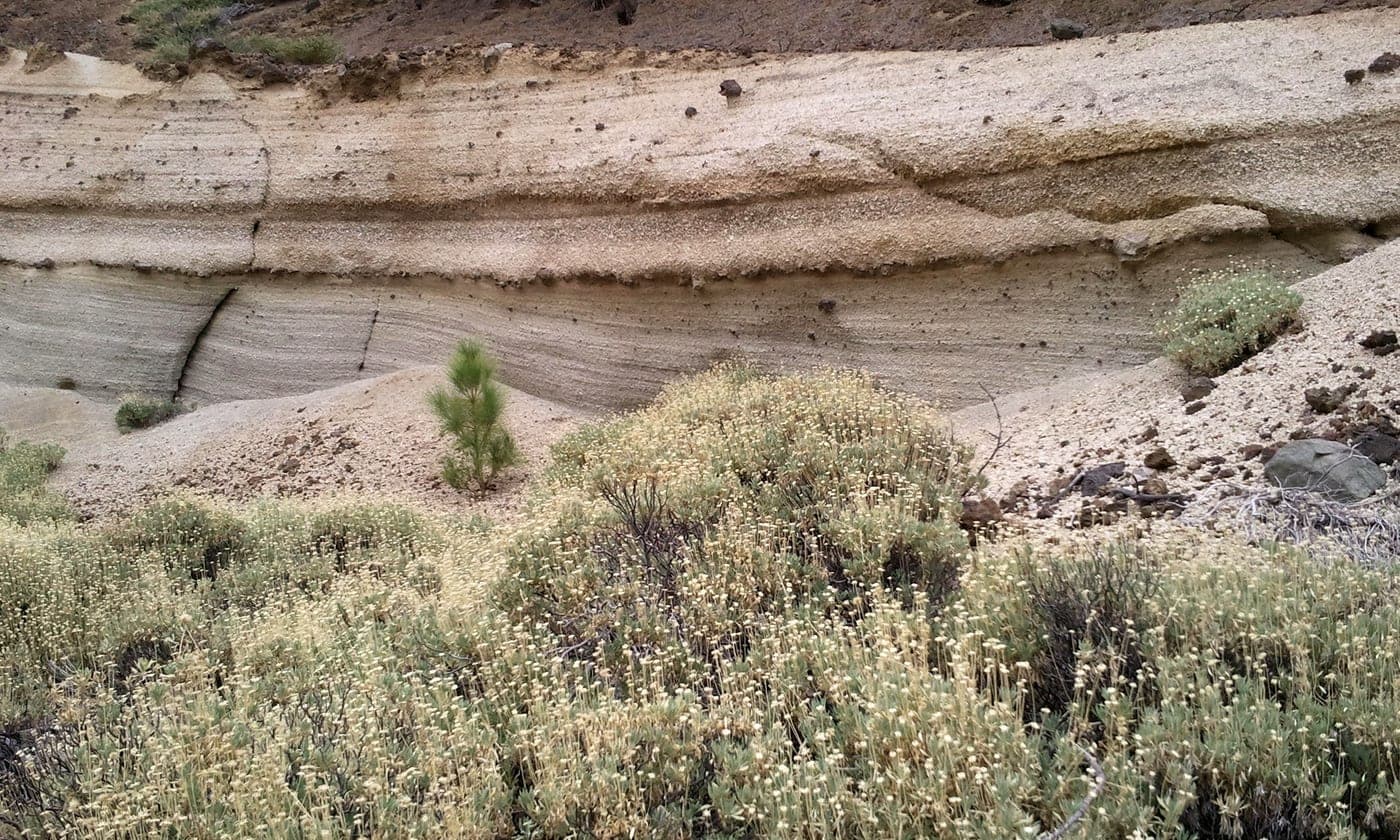
Paisaje Lunar (Los Escurriales)
Popularly known as the Lunar Landscape, Los Escurriales is one of the most extraordinary spots in Tenerife: a cluster of chimneys, cones and needles of whitish volcanic tuff, formed from ancient deposits of pumice and ash that water and wind have sculpted over millennia through differential erosion. The result is a relief of almost extraterrestrial appearance, hence its nickname. It lies in the Las Arenas ravine, deep within the Corona Forestal pine forest, in the shadow of Teide. The usual way to visit it is on foot, via the waymarked PR-TF 72 trail, a circular route from Vilaflor that crosses Canary pine forests before reaching the viewpoint over the formations. It is one of the great scenic icons of the municipality.
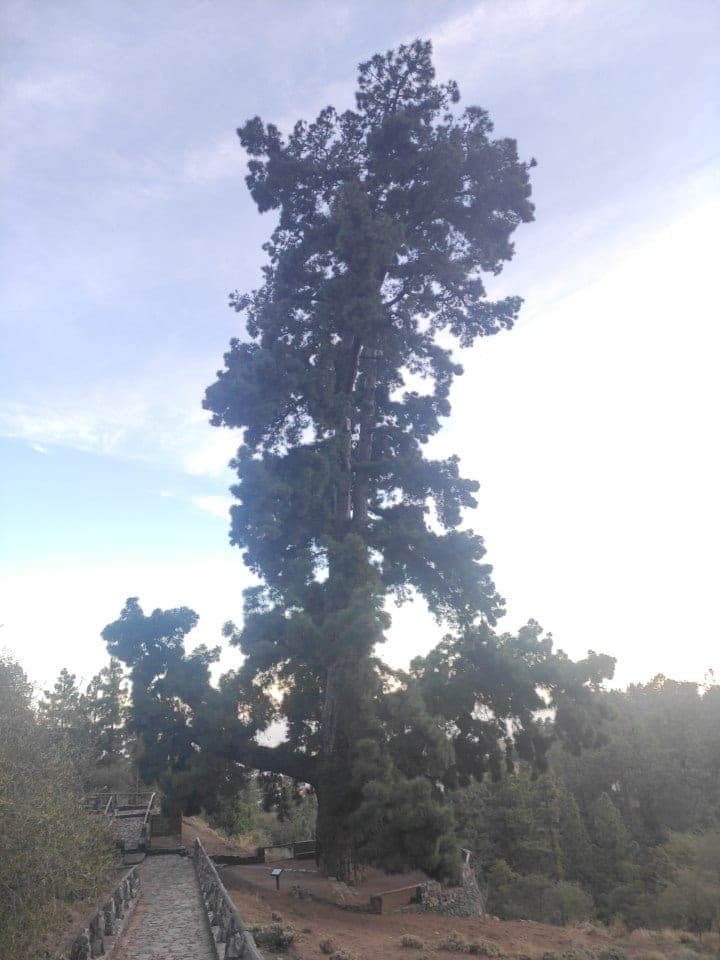
Pino Gordo
The Pino Gordo ("Fat Pine") is the most emblematic tree of Vilaflor and one of the most colossal Canary pines (Pinus canariensis) in existence. It rises in the Corona Forestal pine forest, above the town, within the Corona Forestal Natural Park. It stands out above all for its enormous trunk, with a girth of nearly 9 metres, and a height of about 45 metres, placing it among the most voluminous and tallest trees of its species in Spain. Dendrochronological studies attribute several centuries of life to it —around 700-800 years— during which it has survived fires and storms. Its silhouette is a hallmark of the municipality, to the point of appearing on its coat of arms. Very close by grows the Pino de las Dos Pernadas, another monumental specimen among the tallest in the country.
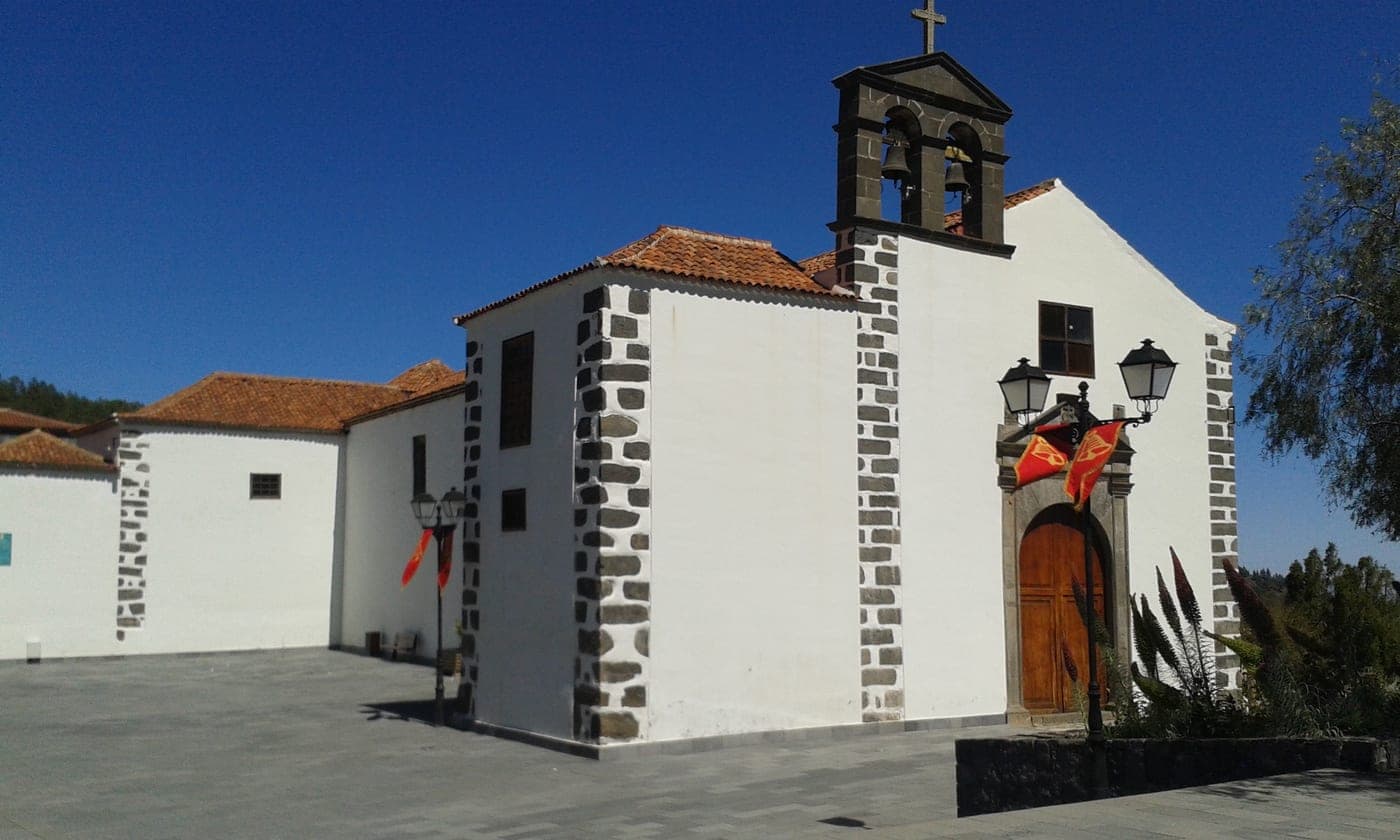
Iglesia de San Pedro Apóstol
The parish church of San Pedro Apóstol (Saint Peter the Apostle) is the main temple of Vilaflor and one of the oldest in southern Tenerife. It originates in the hermitage that the founding couple, Pedro Soler and Juana de Padilla, had built around 1533, raised to parish status in 1568. The present building, the result of successive enlargements, has a multi-nave plan and preserves a valuable heritage of religious sculpture, altarpieces and silverwork accumulated over the centuries. It presides over the traditional historic centre and is the spiritual heart of the town, the setting for the main religious celebrations, including the patronal feast of Saint Peter. Its antiquity and value make it an essential visit for understanding the origins of the municipality.
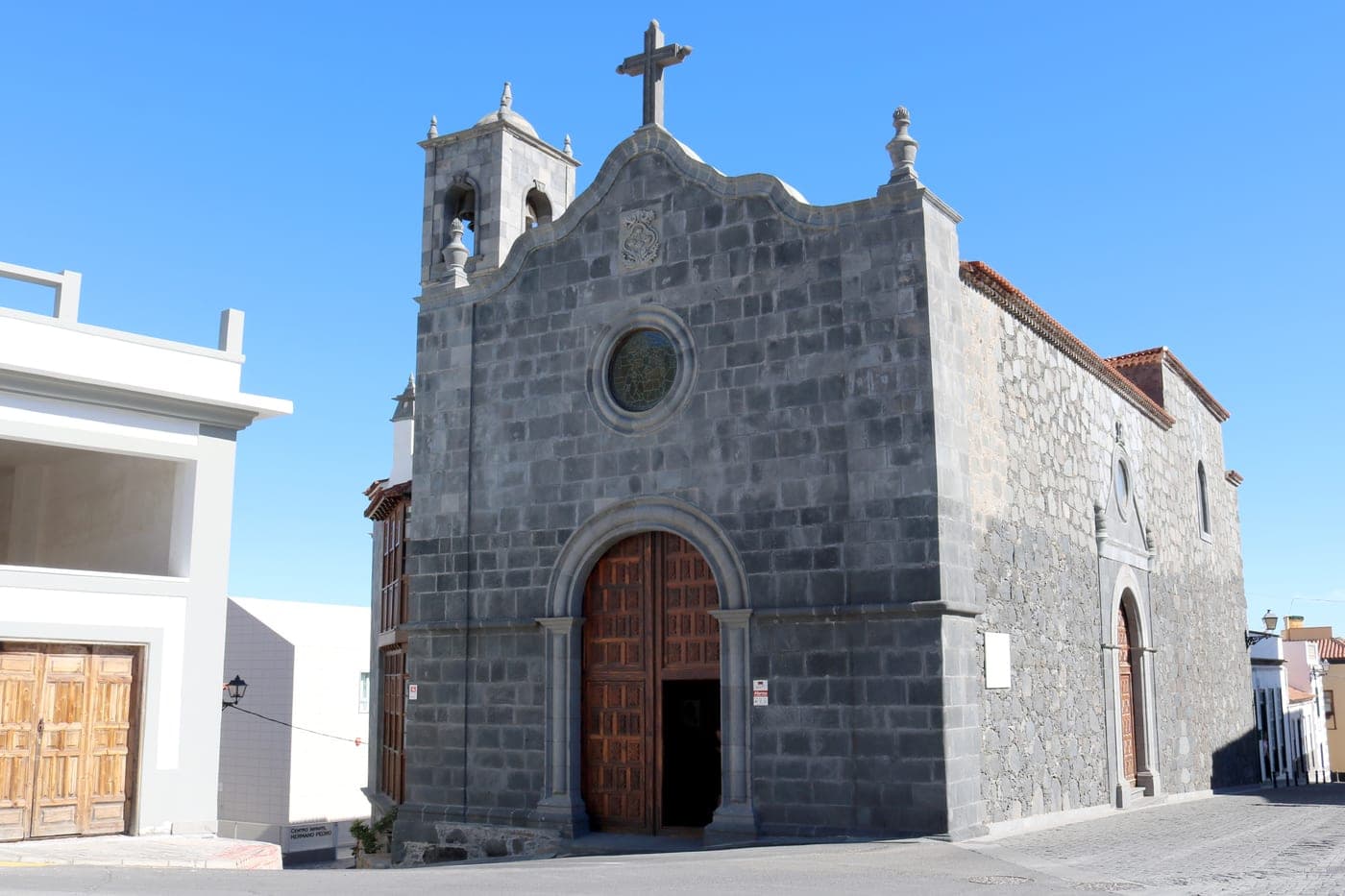
Santuario del Santo Hermano Pedro
The Sanctuary of the Holy Brother Pedro, in Vilaflor, is dedicated to Pedro de San José Betancur, the first Canarian and Central American saint, born in this town in 1626. The temple stands on the site once occupied by the saint's birthplace —no longer preserved but whose location was known— and is one of the main centres of devotion on the island. Inside it safeguards relics of the saint, including a vertebra and the bell he used to call the faithful. The sanctuary is the starting point of the Camino del Hermano Pedro, the pilgrimage route following the old droving paths of Chasna to the cave where the saint sheltered with his flock, near El Médano, in the neighbouring municipality of Granadilla de Abona.
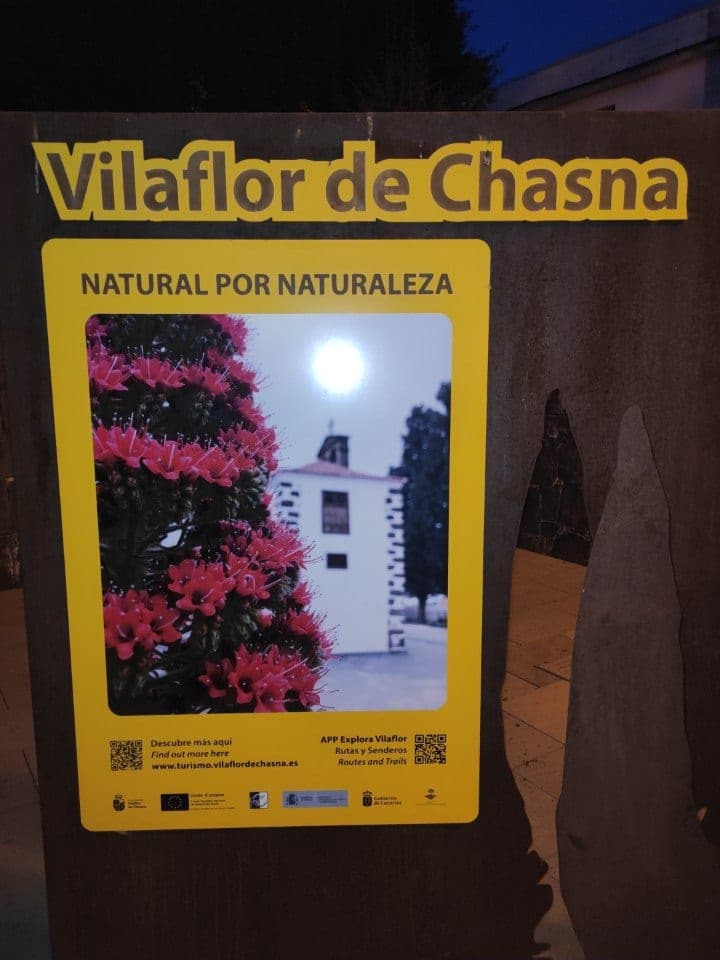
Casco histórico tradicional
The historic centre of Vilaflor preserves the flavour of a Canarian highland village. Its gently sloping cobbled streets are lined with traditional houses of whitewashed walls, gabled roofs, balconies and pine woodwork, arranged around the square and the church of San Pedro Apóstol. The ensemble reflects centuries of life linked to herding, high-altitude farming and the use of water and pine forest. Walking through it reveals quiet corners, fountains and the calm atmosphere of the highest-set town in the country. It is also the setting for local crafts, especially the "rosetas" or openwork lace, a needlework deeply rooted in the area. Its clean surroundings and altitude make it a prized destination for those seeking authenticity and nature.
Viñedos y vino de altura
Vilaflor is a land of high-altitude wine protected by the Abona Designation of Origin, which brings together the municipalities of southern Tenerife. Its vineyards rank among the highest in Europe, with plots climbing above 1,500 metres, cultivated on dark volcanic soils and trained in low bush (vaso) form, with low yields that favour quality. The dominant variety is Listán Blanco, accompanied by Listán Negro and minority grapes such as Malvasía, Gual and Marmajuelo. The wide temperature swing between day and night, the strong sunlight and the purity of the highland air give these wines freshness, minerality and a singular character. Visiting the wineries and terraces of the area is a glimpse into a heroic viticulture, shaped by altitude and the volcanic imprint of Teide.
Map of Vilaflor
Things to do in Vilaflor
Where to eat in Vilaflor
What to see in Vilaflor
Official data
Published by the Cabildo de Tenerife and reused here unmodified.
Waymarked trails8
- GR-131Anaga - Chasna85.5 km+5290 mOn footlinear
- BC-5Pinares de Vilaflor13.8 km+594 mBike and horselinear
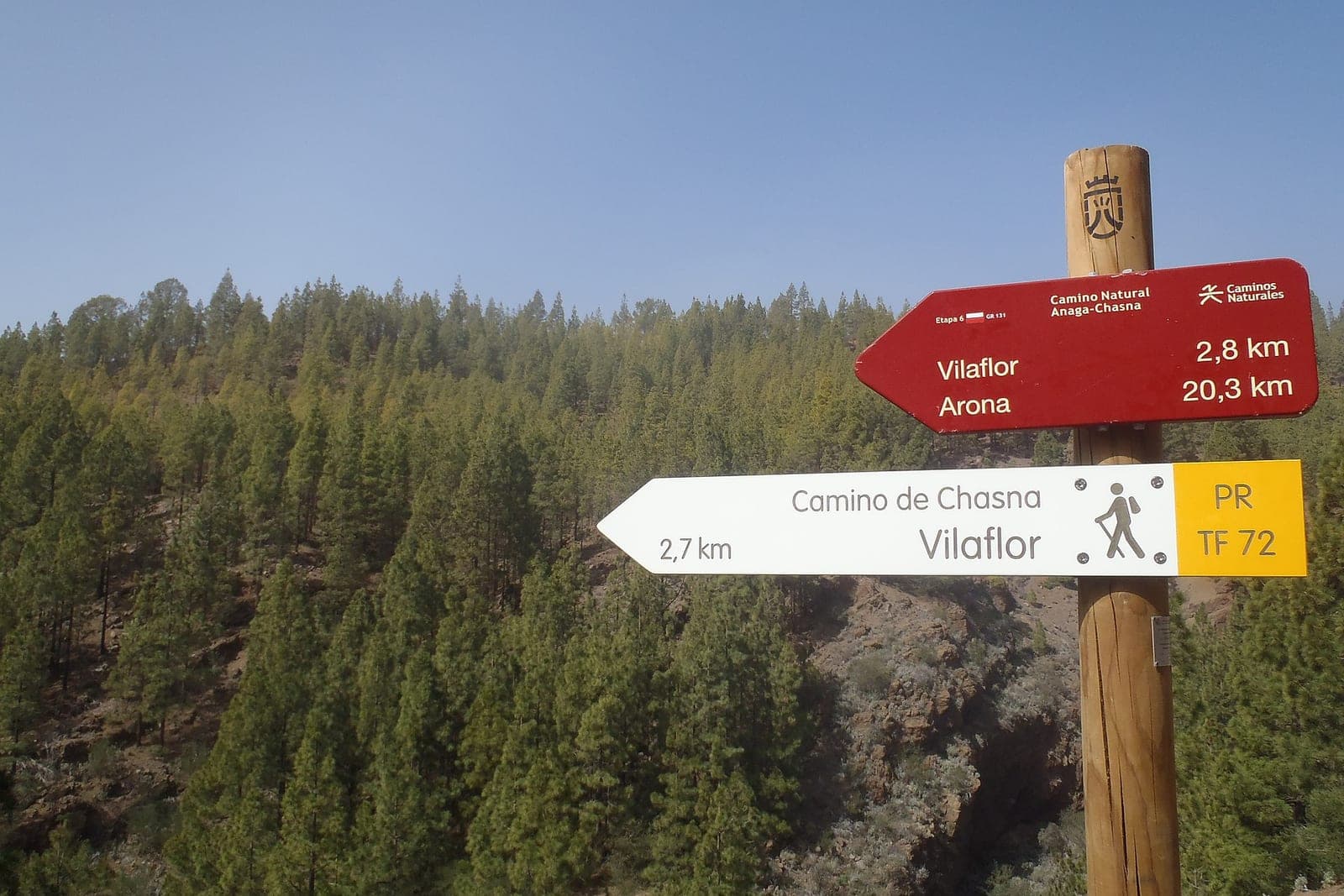
- PR-TF 72Circular Vilaflor - Paisaje Lunar - Vilaflor13.1 km+853 mOn footcircular
- VM-21Pista Madre del Agua8.5 km+368 mMotor vehicles
- PNT-31Cumbres de Ucanca7.7 km+761 mOn footlinear
- PNT-15Alto de Guajara3.4 km+370 mOn footlinear
and 2 more
Tourist office
- Vilaflor de ChasnaOpenPl. Dr. Perez Caceres, 1, 38613 Vilaflor, Santa Cruz de TenerifeDe Lunes a Viernes - de 07:30 a 15:00922473210
Listed heritage sites1
- IGLESIA DE SAN PEDRO APÓSTOLMonumentOfficial gazette
Source: Cabildo Insular de Tenerife · CC BY · data from 2026-08-01 · How we use open data
Folklore & traditions
The popular culture of Vilaflor de Chasna revolves largely around the figure of the Holy Brother Pedro, the young shepherd born here in 1626 who would become the first Canarian and Central American saint. His devotion is deeply rooted: every year, around his feast day in late April, the town honours him, and from the sanctuary that stands over his birthplace begins the Camino del Hermano Pedro, a pilgrimage route that follows the old droving paths of the district to the cave where the saint sheltered with his flock, near El Médano. This pilgrimage, deeply felt by the people of Chasna, keeps the saint's memory alive and spiritually links Tenerife with Guatemala, where he carried out his work.
The patronal festivities are held in honour of Saint Peter the Apostle, patron of the parish, with religious ceremonies, processions, open-air dances and expressions of traditional Canarian culture such as the romerías, in which decorated ox-carts, folk costumes, parrandas (musical groups) and the sharing of local produce parade through the streets of the town. Popular music, folklore and local gastronomy take centre stage during these days, bringing together residents and natives of the town who have emigrated.
The legacy of the old pastoral world remains present in the identity of Chasna, heir to Guanche transhumance and to centuries of livestock farming across the pine forests and mid-altitude lands. To this heritage is added a mountain gastronomy based on highland produce: potatoes grown on the terraces, pulses, cheeses, honey and, very especially, the wine of the Abona Designation of Origin and the mineral water of the highlands. The traditional craft of the "rosetas" or openwork lace, needlework passed down from generation to generation, completes an intangible heritage that the municipality preserves with pride.
Keep reading
Photos: Pavel Hrdlička (User:Packa) (CC BY-SA 4.0) · Dreol (CC BY-SA 3.0) · Fry72 (CC BY-SA 4.0) · Axel Cotón Gutiérrez (CC BY-SA 4.0) · Maesi64 (CC0) · Fry72 (CC BY-SA 4.0) · Wikimedia Commons