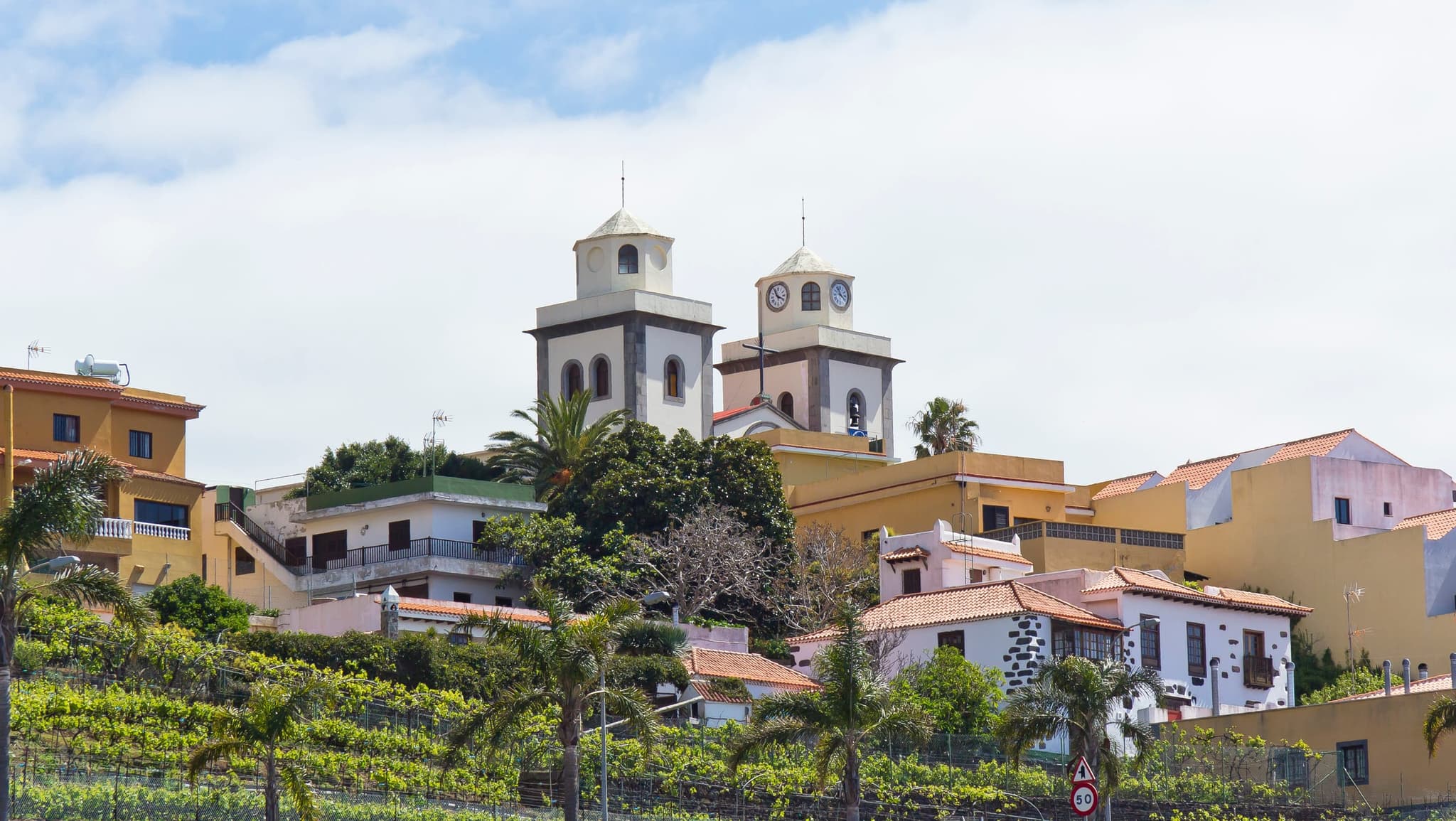
La Matanza de Acentejo
Terre de vins et de guachinches, avec un marché fermier très fréquenté.
Histoire
La Matanza de Acentejo s'étend sur la frange nord de Tenerife, sur les moyennes altitudes qui descendent des monts de Las Lagunetas vers la mer et qui, à l'époque préhispanique, faisaient partie de la comarque d'Acentejo, un territoire fertile et boisé intégré au menceyat de Tacoronte. Ces versants creusés de ravins, aujourd'hui plantés de vignes, furent le théâtre de l'un des épisodes les plus mémorables de la conquête des Canaries et de toute l'histoire militaire guanche.
Le toponyme de la commune naît de la Première Bataille d'Acentejo, livrée en mai 1494. Le conquérant Alonso Fernández de Lugo, qui avait débarqué à Añazo et progressait vers le royaume de Taoro, s'enfonça avec sa troupe dans l'accidenté ravin d'Acentejo. Là, les troupes guanches lui tendirent une embuscade en profitant du terrain abrupt et de l'épaisseur de la forêt. Le résultat fut une défaite castillane d'une ampleur énorme : les chroniques font état de centaines de morts et d'une retraite en déroute, au point que le lieu fut connu sous le nom de "La Matanza" (le massacre). Ce fut l'une des plus grandes défaites subies par une force castillane hors de la Péninsule.
Une figure clé de ce combat fut l'achimencey Tinguaro, frère du mencey Bencomo de Taoro et chef militaire de la région. Son nom guanche était Chimenchía (ou Himenechía) ; c'est le poète Antonio de Viana qui, dans son poème épique de 1604, le popularisa sous le nom de Tinguaro, de sorte qu'il convient de distinguer le fait historique de la recréation littéraire postérieure. Tinguaro commandait l'avant-garde qui surprit les Castillans dans le ravin, tandis que Bencomo accourait avec le gros de l'armée. Un an plus tard, en 1495, le sort s'inversa lors de la Deuxième Bataille d'Acentejo, victoire castillane qui donna son nom à la commune voisine de La Victoria de Acentejo (la victoire d'Acentejo) : ainsi, deux villages contigus conservent dans leur nom la mémoire de la défaite et du triomphe de la conquête.
Après le rattachement de l'île à la Couronne de Castille, le territoire se peupla peu à peu d'agriculteurs et le hameau grandit autour de la foi chrétienne. La petite chapelle primitive du XVIe siècle se transforma en paroisse indépendante d'El Sauzal en 1614-1615, sous le vocable d'El Salvador (le Sauveur). Agrandie au XVIIe siècle, l'église fut détruite par un incendie en juin 1936 et reconstruite au cours des décennies suivantes, le nouvel édifice étant réinauguré en 1942. La Matanza accéda au statut de commune indépendante au XIXe siècle, à la faveur de la Constitution de 1812, et reçut le titre de villa (ville) en 1985.
L'économie de La Matanza a historiquement tourné autour de la terre. La culture de la vigne est une marque d'identité : la commune s'intègre à l'Appellation d'Origine Tacoronte-Acentejo, la première A.O. viticole des Canaries, célèbre pour ses rouges d'altitude. À côté de la vigne subsistent les cultures de pommes de terre, de légumes, de fruits et les châtaigniers des moyennes altitudes. Cette vocation agricole trouve sa grande vitrine dans le Marché de l'Agriculteur, du Vin et de l'Artisanat, inauguré en 1999 et devenu l'un des plus visités du nord de l'île.
Aujourd'hui, La Matanza de Acentejo est une commune d'un peu plus de neuf mille habitants qui allie ses racines rurales à un attrait touristique tranquille et authentique. Ses belvédères tournés vers la côte nord, comme celui de La Vica, ses ravins chargés d'histoire, sa bonne table arrosée du vin du terroir et des fêtes patronales très enracinées font de ce village une destination idéale pour qui cherche le Tenerife le plus authentique, loin de l'effervescence du sud et tout près de la mémoire guanche.
Points d'intérêt
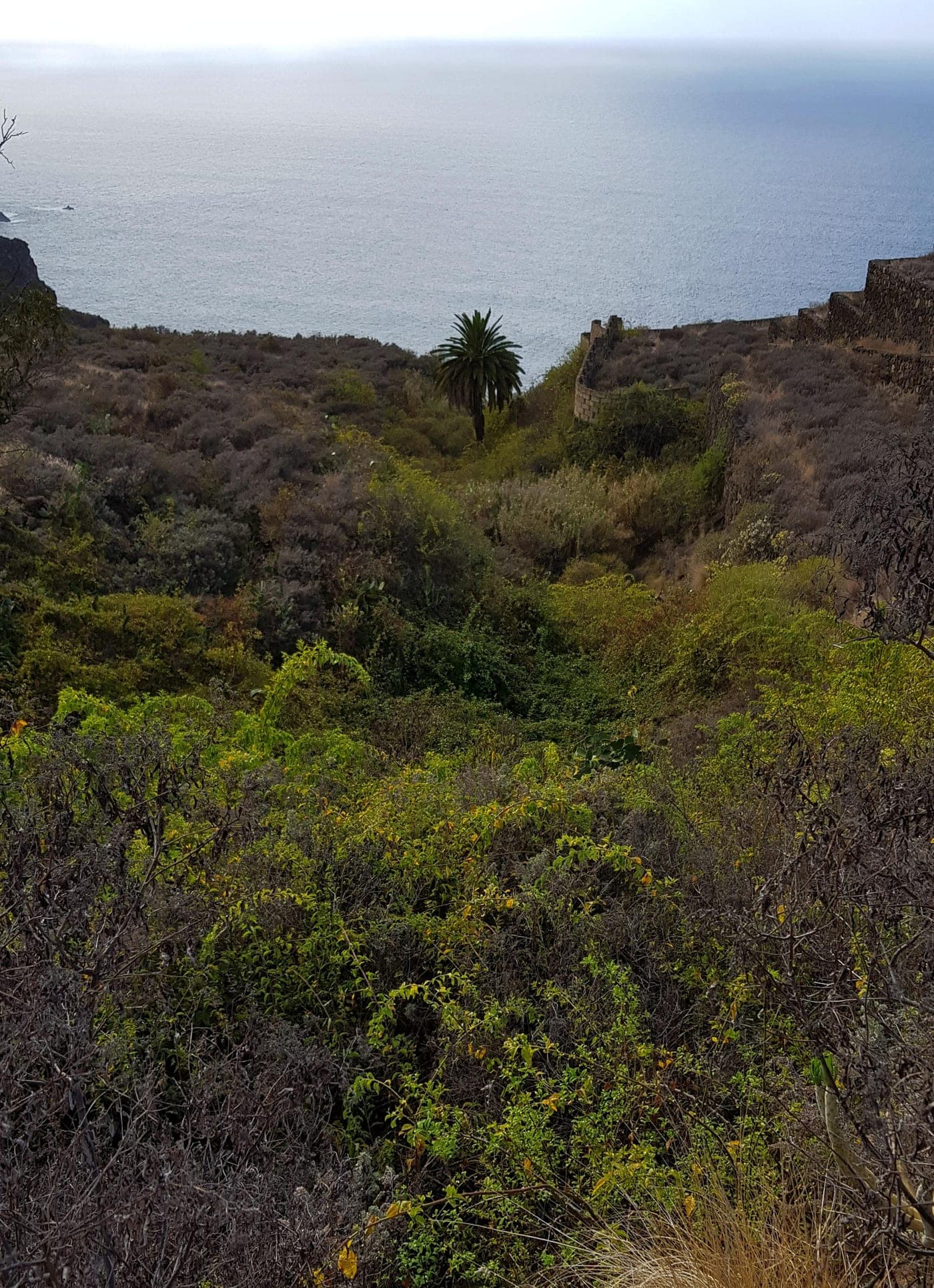
Barranco de Acentejo
Ce profond ravin qui descend des moyennes altitudes vers la côte nord est le cœur historique de la commune : c'est ici que fut livrée en mai 1494 la Première Bataille d'Acentejo, où les troupes guanches du mencey Bencomo et de son frère Tinguaro infligèrent à la troupe d'Alonso Fernández de Lugo l'une des plus grandes défaites de la conquête des Canaries. La densité de la forêt et l'âpreté du terrain permirent l'embuscade qui donna son nom à "La Matanza" (le massacre). Aujourd'hui, ses versants, parsemés de vignobles et de végétation, conservent cette résonance épique que les chroniques et la tradition ont transmise pendant des siècles. L'ensemble fut déclaré Bien d'Intérêt Culturel en 2007 pour sa valeur historique, et parcourir ses environs, c'est se pencher sur l'un des épisodes fondateurs de l'identité de Tenerife.
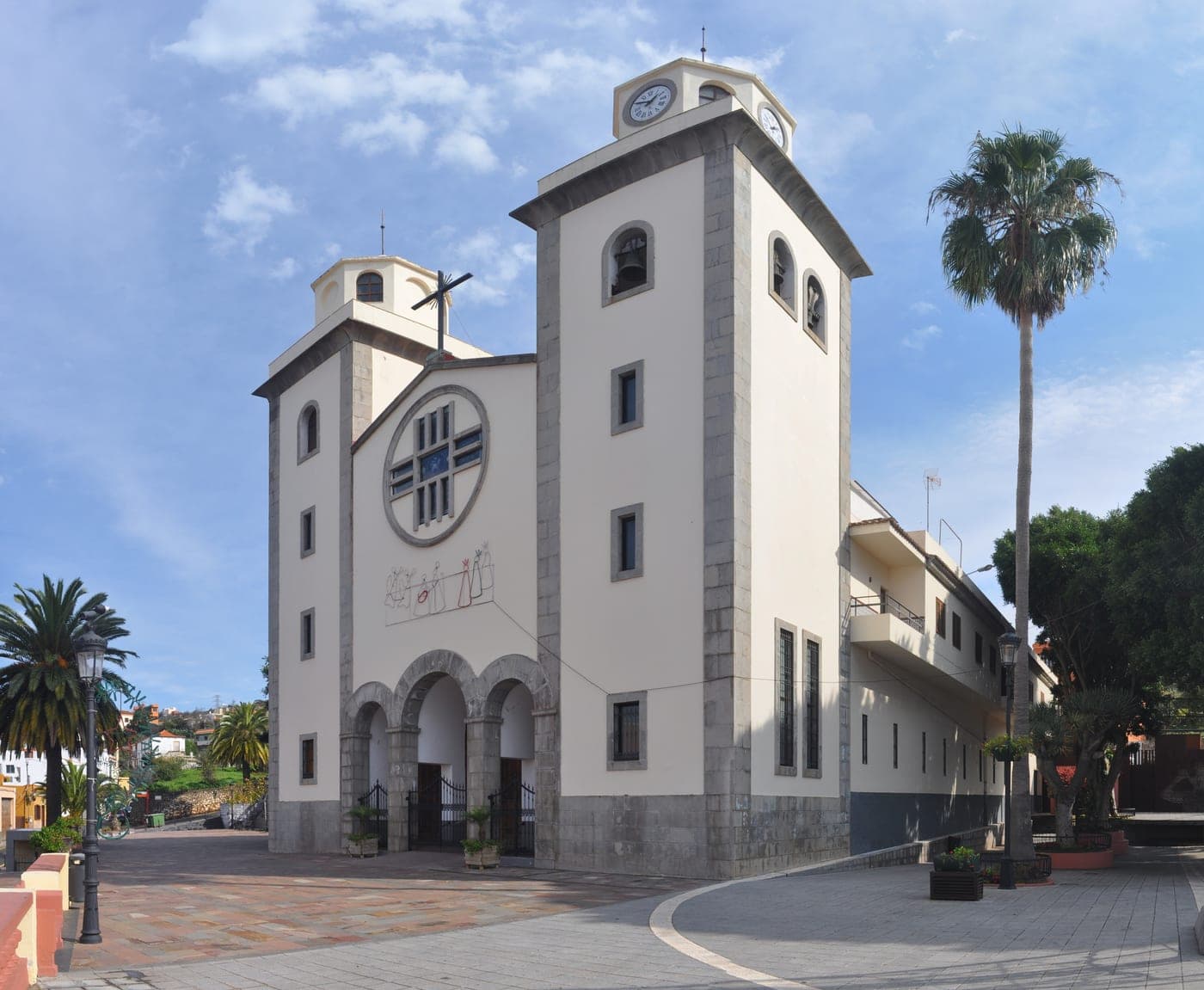
Iglesia Parroquial de El Salvador
Église principale de la commune et centre de la vie religieuse de La Matanza, dédiée à El Salvador (le Sauveur). Ses origines remontent à une modeste chapelle du XVIe siècle qui, détachée de la juridiction d'El Sauzal, fut érigée en paroisse indépendante en 1614-1615. Notablement agrandie au XVIIe siècle avec des nefs latérales, l'église historique fut détruite par un incendie en juin 1936. Après des années de travaux, le nouvel édifice fut réinauguré en 1942, avec un plan en croix grecque à trois nefs et deux tours, intégrant des éléments rescapés du bâtiment antérieur. Elle préside la place du village et est le théâtre des fêtes patronales de San Salvador, en août. Elle constitue une étape incontournable pour comprendre l'histoire et la dévotion de La Matanza.
Ermita de San Antonio Abad
Petit édifice dont la tradition le relie directement à la Bataille d'Acentejo, livrée à quelques mètres de là, dans le ravin. La légende raconte que l'un des premiers scribes de l'archipel, Antón Vallejo, fit le vœu d'élever une chapelle s'il survivait ou s'il l'emportait dans ce combat ; le sanctuaire est documenté vers 1539. Il est consacré à San Antonio Abad, protecteur des animaux, et ses environs sont le cadre de l'une des célébrations d'élevage les plus singulières de l'île. C'est un coin simple et attachant qui réunit dévotion populaire, mémoire historique et enracinement rural en un même lieu.
Mirador de La Vica
Magnifique balcon naturel situé à environ 910 mètres d'altitude, sur le versant haut de la commune et intégré au Paysage Protégé de Las Lagunetas. Depuis son promontoire se déploient de vastes panoramas de la Vallée de La Orotava, la silhouette imposante du Teide et la côte nord de Tenerife, l'île de La Palma étant visible les jours les plus clairs. Aménagé d'un parking et d'une aire de repos, il est un point de départ idéal pour des sentiers et des itinéraires à vélo qui rejoignent les sommets du nord. Son exposition aux alizés enveloppe souvent le lieu d'une mer de nuages qui lui ajoute un charme particulier. Une halte parfaite pour les amoureux de la nature et de la photographie.
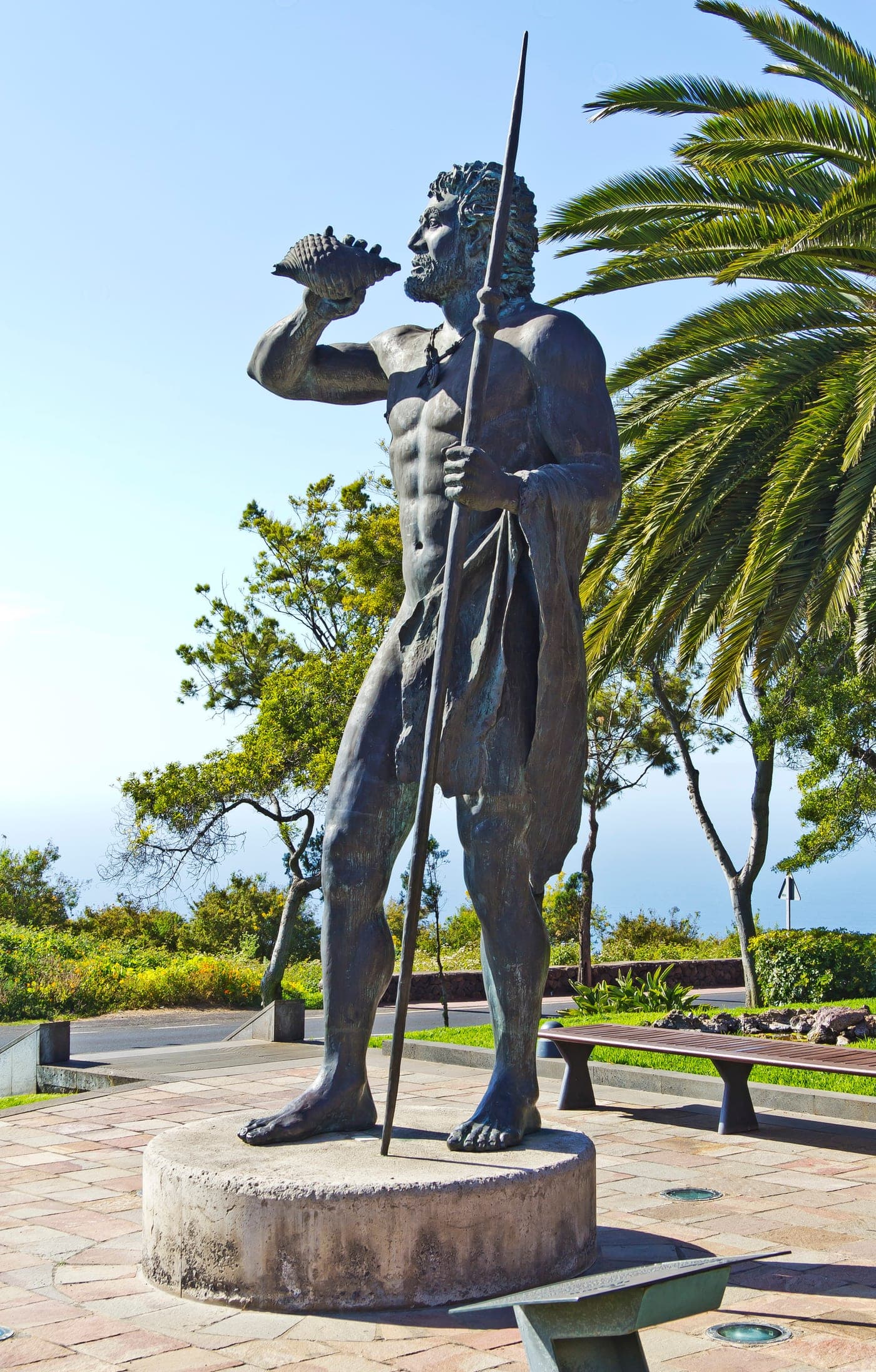
Monumento al achimencey Tinguaro
Imposante sculpture en bronze qui rend hommage à Tinguaro, l'achimencey ou chef militaire guanche, frère du mencey Bencomo, qui dirigea les siens lors de la Première Bataille d'Acentejo de 1494. Œuvre de l'artiste local Miguel Ángel Padilla, elle fut inaugurée le 1er mai 2007 et représente le chef aborigène d'environ quatre mètres de haut, en posture de combat. Le monument revendique la mémoire du peuple guanche et sa résistance héroïque face à la conquête, et il est devenu l'un des symboles identitaires de la commune. Un point idéal pour connaître et honorer les racines préhispaniques de La Matanza.
Mercadillo del Agricultor, el Vino y la Artesanía
Inauguré en 1999, c'est l'un des marchés agricoles les plus fréquentés du nord de Tenerife et la grande vitrine des produits de La Matanza. Sur ses étals, répartis entre agriculteurs et artisans, on trouve des fruits et légumes frais, des pommes de terre, du miel, des fromages, des pains, des douceurs et des pièces d'artisanat local. Il dispose en outre d'un point d'information, de dégustation et de vente de vins de l'Appellation d'Origine Tacoronte-Acentejo, où déguster les célèbres rouges d'altitude de la comarque. Il ouvre les week-ends et réunit habitants et visiteurs dans une ambiance festive et authentique. C'est la meilleure façon de savourer et de rapporter chez soi le meilleur du terroir de La Matanza.
Que faire à La Matanza de Acentejo
Où manger à La Matanza de Acentejo
À voir à La Matanza de Acentejo
Données officielles
Publiées par le Cabildo de Tenerife et reprises ici sans modification.
Sentiers balisés14
- GR-131Anaga - Chasna85.5 km+5290 mÀ piedlinéaire
- BC-1Ruta Forestal del Norte84.8 km+4600 mVélo et chevallinéaire
- VM-5Pista de El Rayo - Pista de El Fondo (2)14.2 km+490 mVéhicules à moteur
- PR-TF 25Área Recreativa Las Raíces - Área Recreativa Lomo de La Jara10.6 km+657 mÀ piedlinéaire
- VM-1Pista de Fuente Fría7.6 km+583 mVéhicules à moteurlinéaire
- VM-6Pista La Vica, Las Aguilillas, Montaña El Pozo, Carril del Polvo, Baja Camella y Las Calderetas7.3 km+313 mVéhicules à moteur
et 8 de plus
Biens d’intérêt culturel2
- BARRANCO DE ACENTEJOSite historiqueJournal officiel
- LAGAR SITO EN EL Nº 198 DE LA CALLE REALSite ethnologiqueJournal officiel
Source: Cabildo Insular de Tenerife · CC BY · données du 2026-08-01 · Comment nous utilisons les données ouvertes
Folklore & traditions
Le calendrier festif de La Matanza de Acentejo est marqué par ses deux grands rendez-vous patronaux. En août se célèbrent les fêtes d'El Salvador, patron de la commune, avec la procession du titulaire, des bals, des actes religieux et une ambiance populaire qui remplit la place de l'église. L'autre grand rendez-vous arrive aux alentours du 17 janvier avec San Antonio Abad, protecteur des animaux : la fête maintient vivante la tradition de l'élevage avec la fameuse "Octava Ganadera", une foire au bétail très fréquentée où les habitants exhibent leurs bêtes et où les animaux sont bénis, héritage direct du passé agricole du village.
La culture de La Matanza est avant tout une culture de la terre et du vin. La commune s'enorgueillit d'appartenir à l'Appellation d'Origine Tacoronte-Acentejo, pionnière des Canaries, et les vendanges, les dégustations et les fêtes du vin ont un poids particulier dans la vie locale. Le Marché de l'Agriculteur, du Vin et de l'Artisanat, ouvert les week-ends, fonctionne comme un véritable point de rencontre : on y achète des produits frais des moyennes altitudes, on y déguste le rouge local et on y revendique le métier de l'agriculteur et de l'artisan. Tout au long de l'année s'ajoutent des concours viticoles et des foires comme celle de la châtaigne en automne, qui célèbrent les fruits de chaque saison.
La gastronomie reflète ces racines paysannes et nordiques : pommes de terre en robe des champs accompagnées de mojos, viandes et chèvre, potages et cresson, fromages du pays et pâtisserie traditionnelle, le tout marié aux rouges aromatiques de la comarque. Manger à La Matanza, c'est savourer une cuisine honnête, liée au produit de proximité et aux recettes de toujours, dans laquelle le visiteur trouve la saveur la plus authentique des moyennes altitudes de Tenerife.
Photos: Koppchen (Christian Köppchen) (CC BY 3.0) · Chuma23m (CC BY-SA 4.0) · Paweł 'pbm' Szubert (CC BY-SA 3.0) · Koppchen (CC BY 3.0) · Wikimedia Commons