Tenerife pour les nomades numériques : guide pratique

Sommaire
- Pourquoi Tenerife pour les nomades numeriques
- Espaces de coworking
- Connectivite et internet
- Meilleurs quartiers pour vivre
- Cout de la vie
- Visas et legalite
- Communaute nomade
- Loisirs et bien-etre
- Conseils pratiques
- Questions frequentes
Pourquoi Tenerife est le paradis du nomade numerique
Tenerife s'est imposee comme l'une des destinations preferees des nomades numeriques en Europe, et les raisons sont convaincantes : climat printanier toute l'annee (20-28°C), internet haut debit en fibre optique largement disponible, cout de la vie nettement inferieur aux grandes villes europeennes, et une qualite de vie combinant nature spectaculaire et commodites modernes. Le tout en territoire europeen, fuseau horaire GMT+0/+1 ideal pour collaborer avec des equipes en Europe, Afrique et Ameriques, et sans visa pour les citoyens de l'UE.
Fait cle : Tenerife a ete classee parmi les 10 meilleures iles au monde pour les nomades numeriques par Nomad List. La combinaison climat, cout, internet et communaute la rend unique sur le paysage europeen.Les avantages qui font la difference
Contrairement aux destinations nomades asiatiques comme Bali ou Chiang Mai, Tenerife offre la stabilite europeenne : sante publique de qualite, infrastructures modernes, securite et vols directs abordables vers les grandes villes europeennes (2-4 heures). En tant que partie de l'Espagne et de l'UE, les demarches bancaires, fiscales et administratives sont simples pour les Europeens. Pour les non-Europeens, l'Espagne propose un visa nomade numerique depuis 2023.
Espaces de coworking a Tenerife
Sud de Tenerife
Zen Den Coworking & Community Tenerife, au C.C. Pueblo Canario (local 310, Costa Adeje), est l'un des espaces de reference au sud : 15 postes flexibles, bureaux fixes reglables en hauteur, salle de reunion pour six personnes incluse dans l'abonnement et terrasse pour les appels et les repas, a 200 m de la plage. Autre option, COworking COsta Adeje, calle Montana Clara 5, local 4 (Fanabe), avec postes partages a la journee, a la semaine ou au mois et une salle de reunion de 2 a 10 personnes a 35 euros/heure, minimum 2 heures ; CoastOffice Costa Adeje et Coworking The Loft (Av. Colon 5) operent egalement dans la zone. Chill Coworking a Los Cristianos combine coworking et events de networking hebdomadaires.
Nord de Tenerife
Coworking La Laguna dans le centre historique UNESCO est le plus populaire parmi les nomades du nord, avec une ambiance universitaire et culturelle. A Puerto de la Cruz, plusieurs options : Coworking Tenerife, en plein centre (Plaza del Charco 15, C.C. Olympia, 1er etage, bureau 29), a deux pas de la mer ; Iriarte 37 Coworking, calle Iriarte ; Coworking in the Sun, au C.C. La Cupula ; et le coworking municipal du Centro de Iniciativas Empresariales (CIE), a l'etage du Mercado Municipal, avec des tarifs a partir d'environ 40-60 euros/mois. A Santa Cruz, le hub tech INtech Tenerife heberge startups et freelances avec acces aux incubateurs et evenements tech.
Alternative gratuite : De nombreux cafes a Tenerife ont un excellent WiFi et sont tolerants envers les travailleurs a distance. A Santa Cruz, We The North Speciality Coffee (calle Emilio Calzadilla), Kaffa & Sugar et Aqui, Si - Cafe & Merienda (calle San Lucas 13) disposent du wifi. A La Laguna, We The North Specialty Coffee, coffeeURBANroasters et Botanica Cafe. Verifiez les horaires et l'eventuelle consommation minimale directement aupres de chaque etablissement.Connectivite et internet
💶 Les prix de ce guide sont des fourchettes indicatives du marché, relevées en juillet 2026. Ils varient selon la saison, le prestataire et la demande : confirmez-les avant de réserver.
Tenerife dispose d'une infrastructure de telecommunications moderne avec fibre optique disponible dans la plupart des zones urbaines. Les vitesses typiques en fibre vont de 300 Mbps a 1 Gbps, largement suffisantes pour les appels video, le streaming et les transferts de fichiers lourds.
Options de connexion
Les principaux operateurs (Movistar, Vodafone, Orange, MasMovil) proposent la fibre domestique des 30 euros/mois. Pour les nomades en logement temporaire, une carte SIM data avec 4G/5G est l'option la plus pratique. Les operateurs virtuels comme Digi offrent des forfaits data illimites des 20 euros/mois. La 5G est disponible a Santa Cruz et dans les principales zones touristiques du sud.
Meilleurs quartiers pour vivre en nomade
Costa Adeje et Playa de las Americas (sud)
La zone preferee des nomades cherchant soleil garanti, plage et ambiance internationale. Ici vous trouverez la plus forte concentration de coworkings, cafes WiFi et une communaute nomade active. Playa del Duque est parfaite pour un bain apres le travail. Loyer studio/T2 : 700-1.200 euros/mois.
La Laguna (nord)
La cite universitaire UNESCO est la favorite des nomades cherchant authenticite, culture et ambiance jeune. Bars a tapas, musique live, galeries d'art et vie nocturne animee. Plus frais que le sud mais avec un charme irresistible. Loyer : 500-800 euros/mois. Liaison par tramway avec Santa Cruz via la ligne 1 : le trajet complet prend environ 35-37 minutes, avec un tramway toutes les 5 minutes aux heures de pointe.
Puerto de la Cruz (nord)
L'equilibre parfait entre ville cotiere et cite. Front de mer, piscines naturelles, restaurants locaux et communaute de teletravail en croissance. Loyer : 550-900 euros/mois.
Santa Cruz (capitale)
La capitale offre la plus large gamme de services, commerces et vie urbaine. Ideale pour les demarches administratives frequentes ou l'ambiance cosmopolite. Loyer : 600-1.000 euros/mois.
El Medano (sud-est)
Pour les nomades surfeurs et amoureux du vent. Village cotier decontracte avec communaute internationale de kitesurfeurs. Ambiance boheme, cafes WiFi et la plus longue plage naturelle de Tenerife. Loyer : 600-950 euros/mois.
Conseil location : Les plateformes Idealista, Fotocasa et les groupes Facebook "Digital Nomads Tenerife" sont les meilleures ressources. Pour les sejours courts (1-3 mois), Airbnb avec remises mensuelles ou Spotahome fonctionnent mieux. Pour les sejours longs, contactez directement les proprietaires via Idealista pour de meilleurs prix.Cout de la vie pour nomades numeriques
Budget mensuel indicatif
Tenerife offre un cout de la vie 30-50% inferieur a des villes comme Londres, Paris ou Berlin. Budget mensuel realiste : loyer (studio/T2) 600-1.000 euros, coworking 100-200 euros, alimentation (courses + restaurants) 300-500 euros, transport 30-80 euros, loisirs et extras 200-400 euros. Total : 1.230-2.180 euros/mois.
Ou economiser
Les guachinches offrent des repas complets avec vin pour 8-12 euros. Les marches de producteurs ont des fruits et legumes bien moins chers qu'en supermarche. Les transports publics (TITSA) sont efficaces et economiques avec la carte Bono (jusqu'a 50% de reduction). Et les meilleures activites - randonnee, plages, villages historiques - sont entierement gratuites.
Visas et legalite
Citoyens de l'UE/EEE
En tant que partie de l'Espagne et de l'UE, les citoyens europeens peuvent vivre et travailler librement. Pour les sejours de plus de 3 mois, l'inscription en tant que resident est necessaire. Cout : 12 euros. En cas d'activite independante, l'inscription comme "autonomo" est obligatoire.
Citoyens non-europeens
L'Espagne a introduit en 2023 le Visa Nomade Numerique (Loi Startups), permettant aux travailleurs a distance non-europeens de resider en Espagne jusqu'a 5 ans. Conditions principales : contrat avec une entreprise etrangere ou activite freelance pour des clients hors d'Espagne, revenus minimum de 2 849 euros bruts par mois (34 188 euros par an, soit 200 % du salaire minimum espagnol 2026 reparti sur douze mensualites), assurance sante.
Avantage fiscal : Les Canaries ont un regime fiscal special (REF) avec TVA reduite (IGIC a 7% contre 21% d'IVA en Espagne continentale) et des deductions specifiques pour les entreprises et independants. Consultez un conseiller fiscal local pour optimiser votre situation.Communaute nomade a Tenerife
Groupes et meetups
La communaute nomade a Tenerife est active et accueillante. Les principaux points de rencontre sont les groupes Facebook "Digital Nomads Tenerife" (15.000+ membres) et "Nomadas Digitales Canarias". Sur Meetup.com, des evenements reguliers comme Tenerife Tech Meetup et Startup Grind Tenerife.
Les coworkings organisent des evenements sociaux hebdomadaires. Nomad City, evenement annuel a Las Palmas de Gran Canaria (Auditorio Alfredo Kraus), attire des centaines de nomades pour des conferences et du networking.
Activites de groupe
De nombreux nomades forment des groupes pour les activites de plein air : randonnee dans l'Anaga, surf aux Americas, parapente, yoga sur la plage et excursions du week-end. Les sorties whale watching sont une activite sociale favorite.
Loisirs et bien-etre apres le travail
Sport et nature
Tenerife est la salle de sport en plein air ultime. Apres avoir ferme votre ordinateur : surfez a El Medano, nagez dans les piscines naturelles d'Anaga, faites du trail dans la foret de lauriers, du kayak a Los Gigantes, ou randonnez au Teide sous les etoiles.
Gastronomie
Tenerife offre une scene culinaire allant des guachinches a 10 euros aux restaurants etoiles Michelin comme El Rincon de Juan Carlos et NUB. Visitez les caves volcaniques le week-end ou offrez-vous un circuit prive des vins apres une semaine productive.
Conseils pratiques pour nomades
Avant d'arriver
Reservez un logement pour les 2-3 premieres semaines (Airbnb) et cherchez l'appartement definitif sur place. Achetez un billet aller simple (les vols low cost vers Tenerife Sud sont frequents et bon marche). Apportez votre equipement de travail et de bonnes chaussures de randonnee.
A l'arrivee
Achetez une carte SIM locale (Digi, Lycamobile ou Simyo) dans une boutique de telephonie. Procurez-vous la carte Bono TITSA pour les transports economiques. Rejoignez les groupes Facebook et Meetup. Si vous restez plus de 3 mois, commencez les demarches de residence au plus tot.
Astuce locale : Pour la location de voiture (recommandee pour explorer l'ile), les loueurs locaux comme Cicar ont generalement de meilleurs prix que les chaines internationales. Une petite voiture coute a partir de 400 euros/mois avec assurance tous risques.Questions frequentes
Tenerife est-elle bonne pour les nomades numeriques ?Excellente. Climat parfait toute l'annee, internet rapide (300-1000 Mbps fibre), cout de la vie 30-50% inferieur aux grandes villes europeennes, communaute nomade active et qualite de vie exceptionnelle.
Combien coute la vie a Tenerife en nomade ?Un budget confortable est de 1.500-2.000 euros/mois tout inclus. C'est possible avec 1.200 euros/mois en etant econome. Le nord est generalement moins cher que le sud.
A-t-on besoin d'une voiture a Tenerife ?Pas indispensable mais tres recommandee. Les transports publics fonctionnent bien pour les connexions principales, mais une voiture offre bien plus de liberte pour explorer l'ile. Location mensuelle a partir de 400 euros.
Nord ou sud de Tenerife pour les nomades ?Selon vos priorites. Le sud offre soleil garanti, plages et ambiance internationale. Le nord offre authenticite, prix plus bas, vie culturelle et paysages plus verts. Beaucoup testent les deux avant de choisir.
Y a-t-il une bonne communaute nomade a Tenerife ?Oui, et en croissance. Les groupes Facebook comptent plus de 15.000 membres, il y a des meetups hebdomadaires et des evenements tech reguliers. La communaute est internationale avec forte presence allemande, britannique et scandinave.
Votre bureau avec vue sur l'Atlantique
Climat parfait, internet rapide, cout de la vie raisonnable et une ile entiere comme terrain de jeu. Tenerife n'est pas qu'une destination pour nomades numeriques - c'est un style de vie qui allie productivite et bien-etre comme peu d'endroits au monde.
Decouvrir tout ce que Tenerife offre →
Réserve ton expérience à Tenerife
Activités, visites et billets avec annulation gratuite.
Liens d'affiliation : si tu réserves via ce bloc, GetYourGuide nous verse une commission. Cela ne te coûte pas plus cher.
Voir les activités et billets sur GetYourGuideRelated Articles
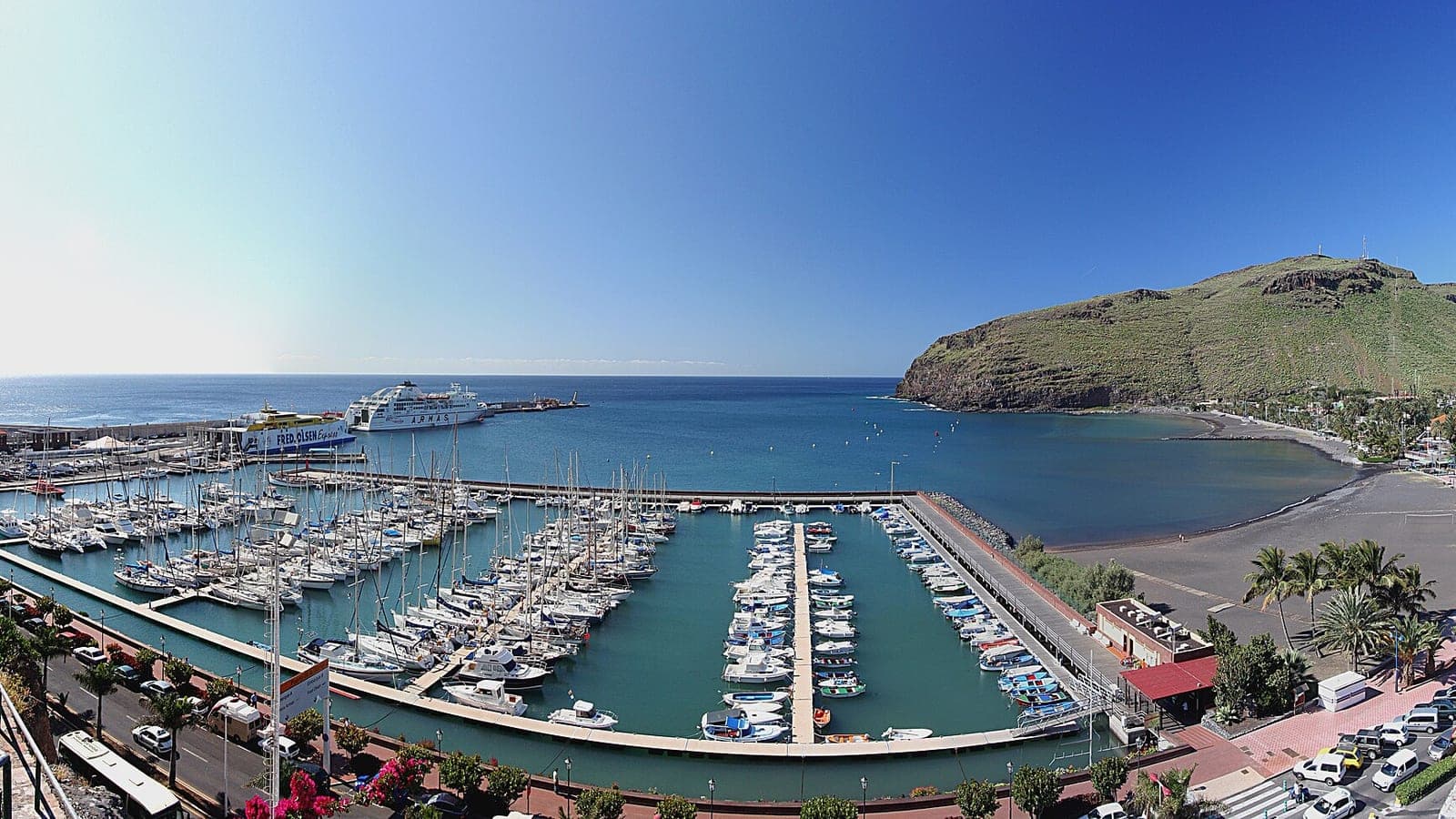
Excursion à La Gomera depuis Tenerife : guide du voyage d'une journée
Comment faire une excursion d'une journée à La Gomera depuis Tenerife : le ferry depuis Los Cristianos, que voir à San Sebastián et Garajonay, le silbo gomero et la gastronomie de l'île.
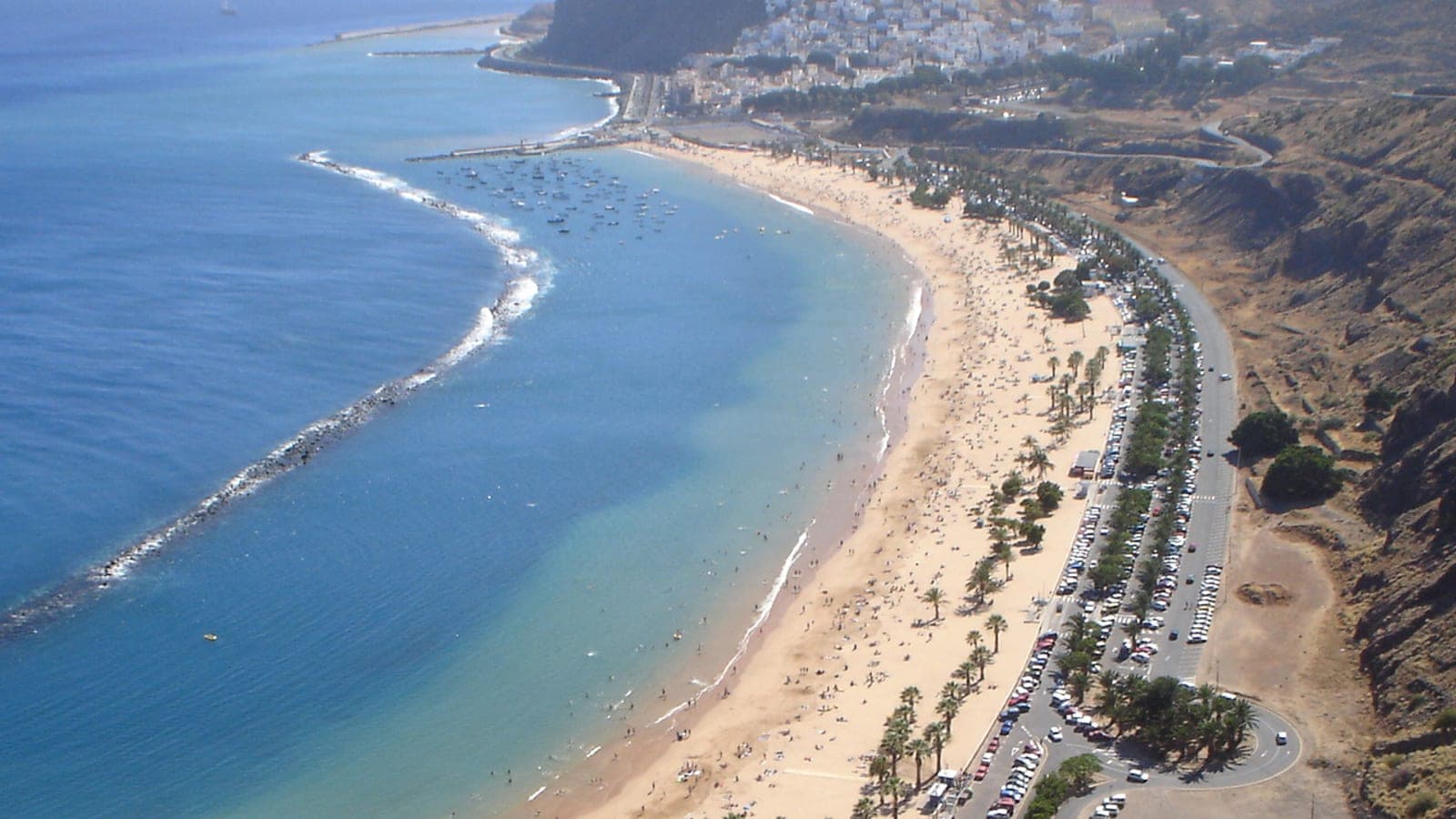
Meilleure période pour voyager à Tenerife : le climat mois par mois
Quand voyager à Tenerife selon le climat : températures par saison, le contraste nord-sud, la calima et la meilleure période pour la plage, la randonnée, les baleines ou le Teide.

Erreurs courantes des touristes à Tenerife
Évitez les erreurs courantes lors de votre visite à Tenerife. Apprenez d'un voyageur chevronné comment explorer cette belle île au-delà des pièges à touristes.